
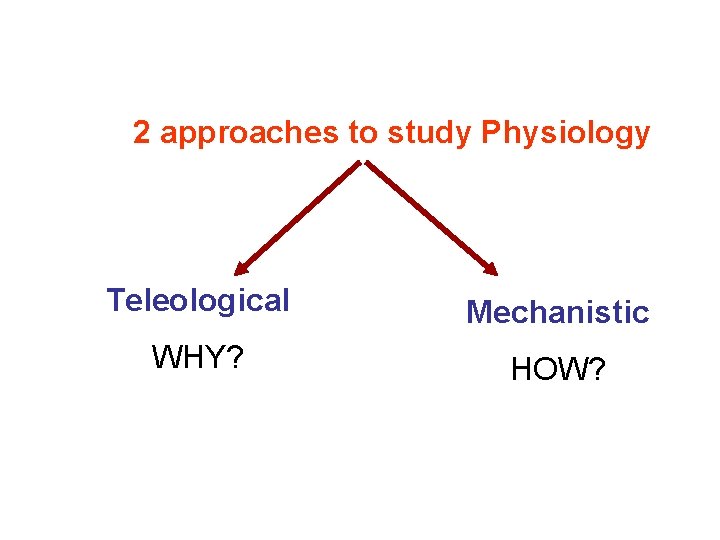
2 approaches to study Physiology Teleological Mechanistic WHY

- Slides: 20
2 approaches to study Physiology Teleological Mechanistic WHY? HOW?
Physiology is closely related to Anatomy
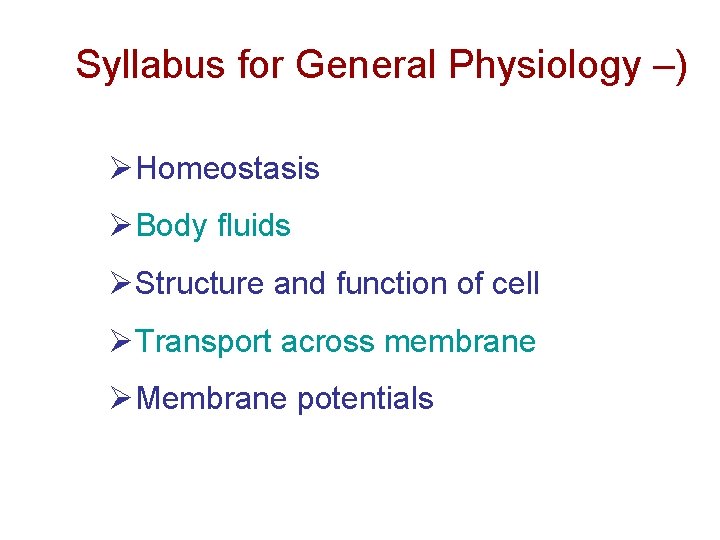
Syllabus for General Physiology –) ØHomeostasis ØBody fluids ØStructure and function of cell ØTransport across membrane ØMembrane potentials
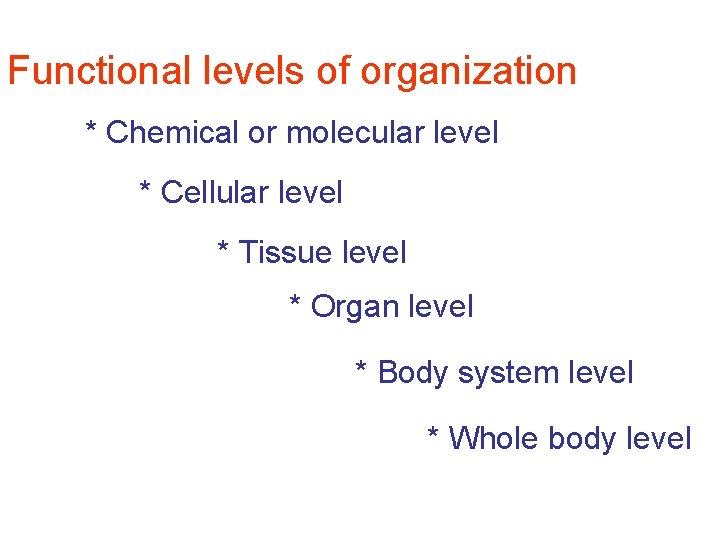
Functional levels of organization * Chemical or molecular level * Cellular level * Tissue level * Organ level * Body system level * Whole body level
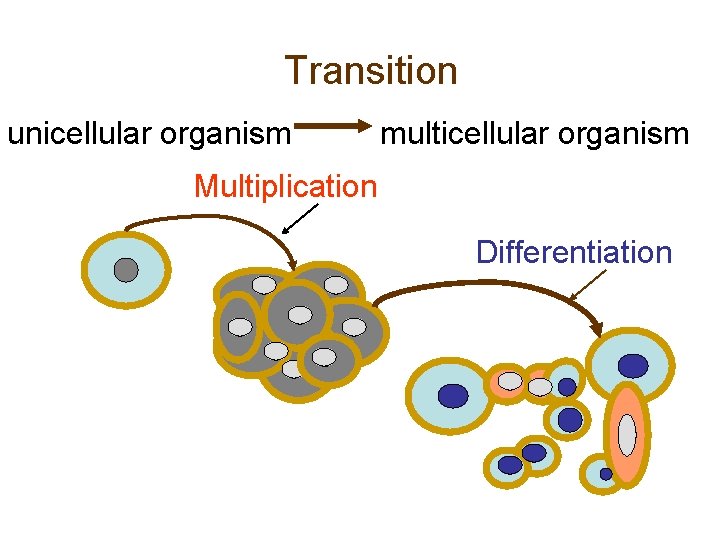
Transition unicellular organism multicellular organism Multiplication Differentiation
Typical cell & variation Structure : - Limiting membranes Cell Organelles – membrane bound - without membrane Structure & functions of Organelles
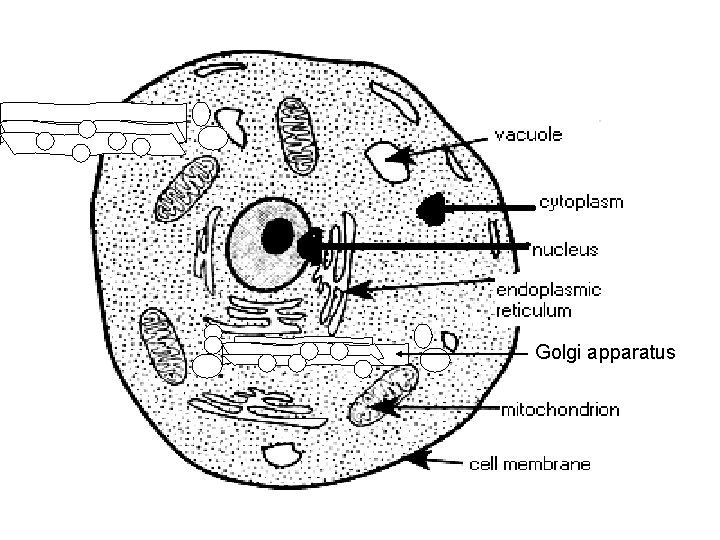
Golgi apparatus
Functions of cell as a whole ØObtaining O 2 & nutrients from environment ØPerforming chemical reactions ØElimination of waste products ØSynthesis of proteins for structure, growth ØControlling exchange of material ØIntracellular movement of materials ØSensitiveness &response to environment ØReproducing
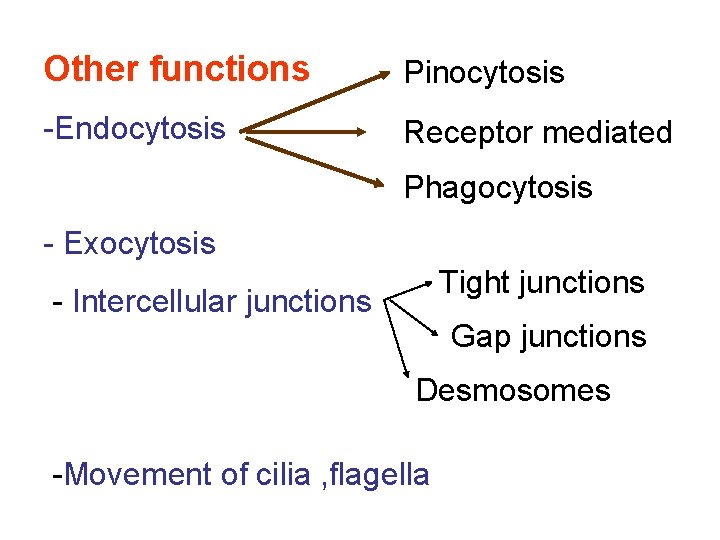
Other functions Pinocytosis -Endocytosis Receptor mediated Phagocytosis - Exocytosis Tight junctions - Intercellular junctions Gap junctions Desmosomes -Movement of cilia , flagella
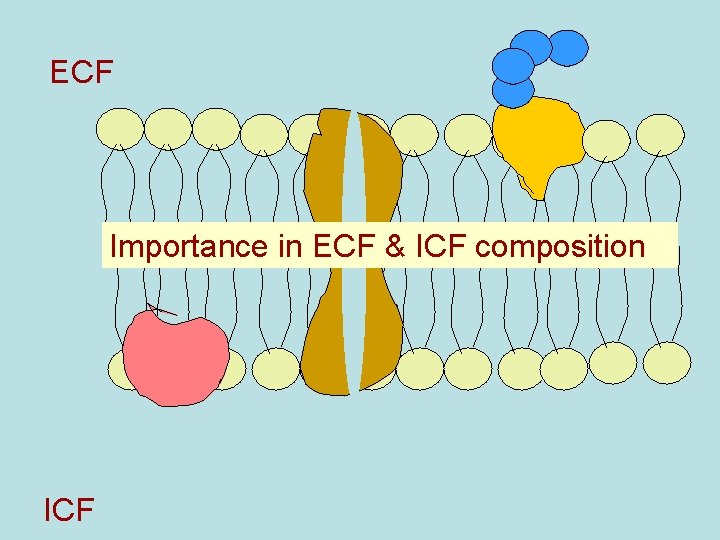
ECF Importance in ECF & ICF composition ICF
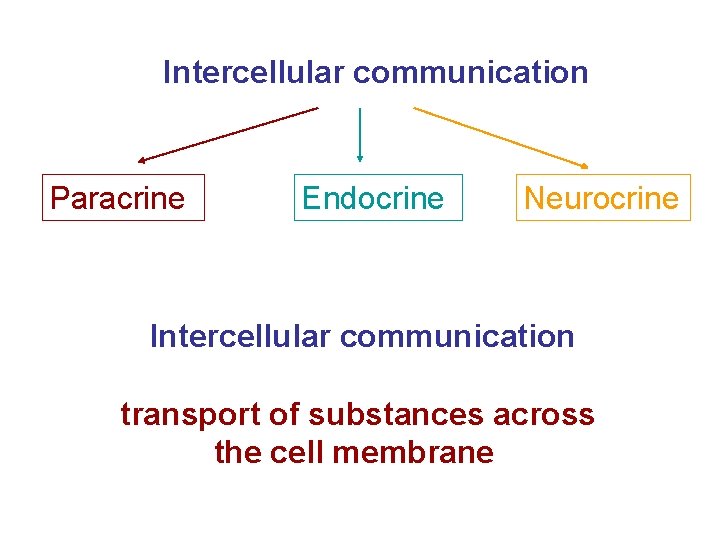
Intercellular communication Paracrine Endocrine Neurocrine Intercellular communication transport of substances across the cell membrane
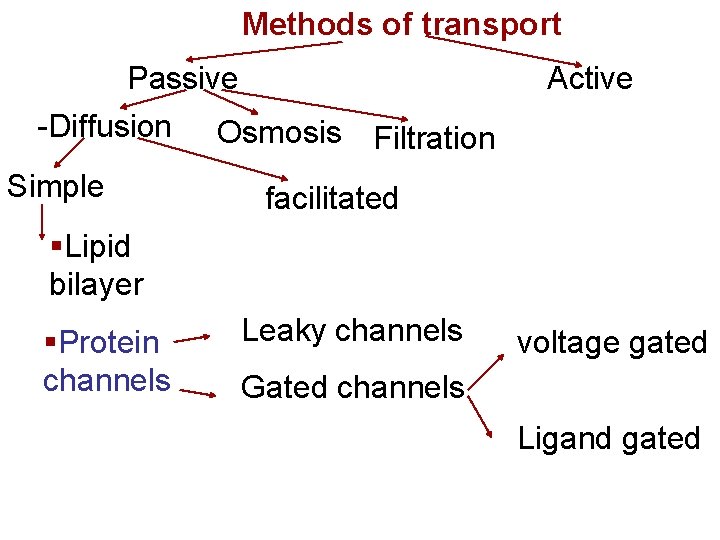
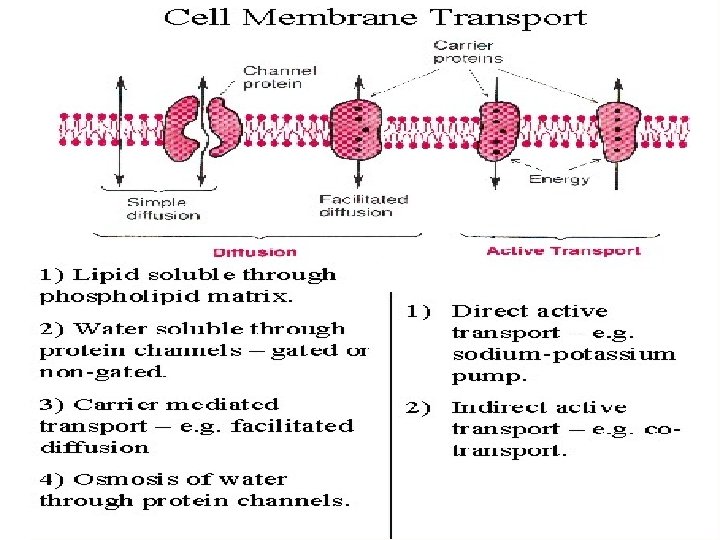
Methods of transport Passive -Diffusion Osmosis Filtration Simple Active facilitated §Lipid bilayer §Protein channels Leaky channels voltage gated Gated channels Ligand gated
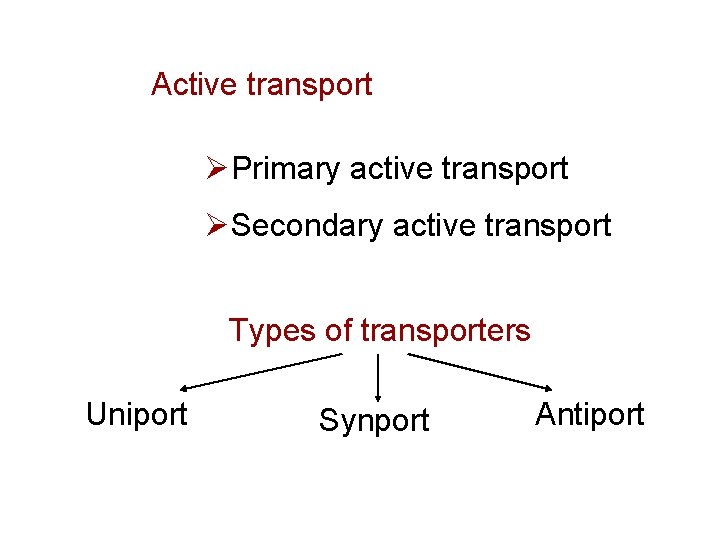
Active transport ØPrimary active transport ØSecondary active transport Types of transporters Uniport Synport Antiport
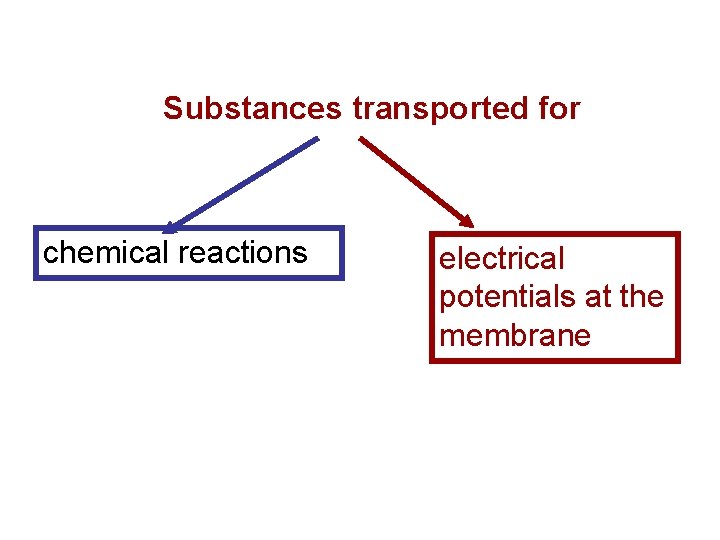
Substances transported for chemical reactions electrical potentials at the membrane
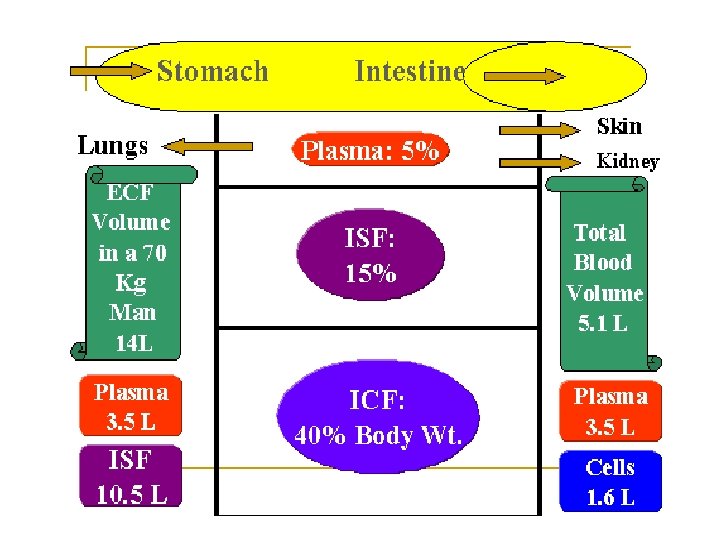
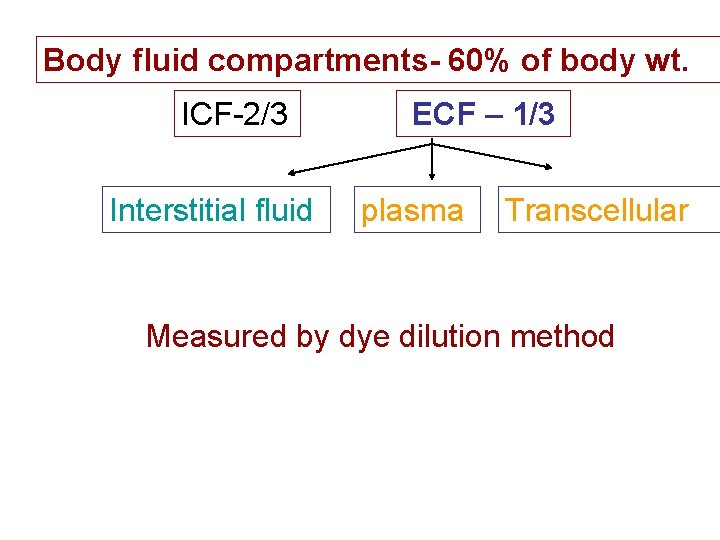
Body fluid compartments- 60% of body wt. ICF-2/3 Interstitial fluid ECF – 1/3 plasma Transcellular Measured by dye dilution method
Term used for describing conc. Of solutions in Physiology Molarity & Normality (equivalent) Osmolarity and tonicity p. H & buffers
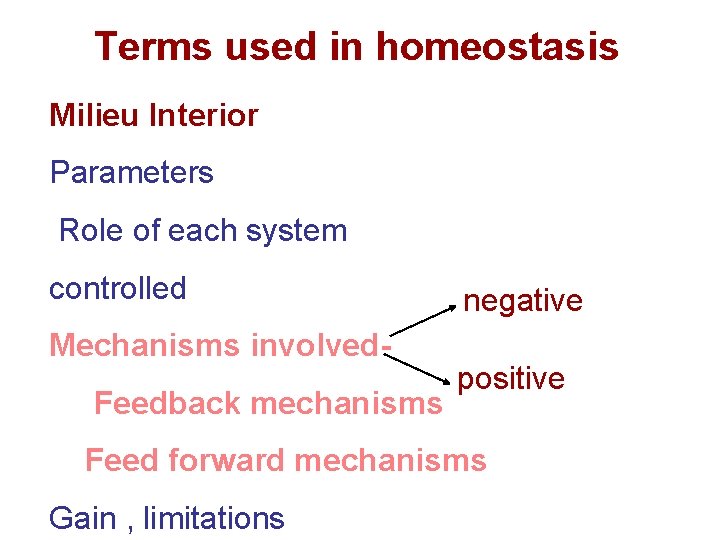
Terms used in homeostasis Milieu Interior Parameters Role of each system controlled Mechanisms involved. Feedback mechanisms negative positive Feed forward mechanisms Gain , limitations