
2 8 Crisis ManagementContingency Planning IB BUS MGT
2. 8 Crisis Management/Contingency Planning IB BUS MGT HL Mr Greenbank
IB Learning Outcomes • Explain the difference between crisis management and contingency planning. • Evaluate the costs and benefits of contingency planning. • Discuss how far it is possible to plan for a crisis.
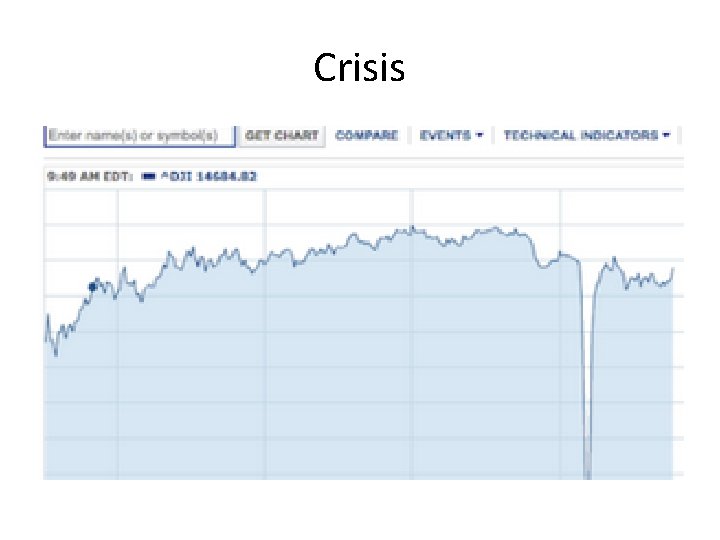
Crisis Management Crisis – a situation of unexpected instability that results in major problems for a business. • Examples of crises include computer hacking (e. g. Associated Press Twitter account hacked), natural disaster, and damaging media publicity (BP Gulf Oil Disaster) such as when a product is found to have either made false claims (e. g. Reebok Easy. Tone footwear) or when a product has damaging side effects (e. g. Avandia – an anti-diabetic drug linked to over 80, 000 heart attacks) or even industrial action such as the Writer’s strike in 2007 halting film and TV series production
Crisis
Crisis Management – refers to the steps taken (i. e. response) by an organization to limit damage due to a crisis situation by handling, retaining, and resolving it. • Managers can do little but minimize the potential damage to the business and it is likely to result in a rather autocratic approach. • This is a reactive rather than a proactive response.
Contingency Planning – preparing the immediate steps to be taken by an organization in the event of a crisis or emergency. • This is a proactive action undertaken by an organization. • It is commonly referred to as ‘disasterrecovery planning’ in the business world.
4 Steps in Contingency Planning – Identify potential disasters that could affect the business. – Assess the likelihood of these occurring. The more likely, the greater the effort to plan for it. – Minimize the potential impact of the crises such as practice fire drills and mock incidents. – Plan for continued operations of the business.
Evaluating the value of Contingency Planning • Benefits of Contingency Planning: – Reassures staff, customers, and investors that safety is a priority. This helps protect the company’s image and can be motivational for staff. – Minimizes negative impact on customers, suppliers, etc. in the event of a disaster reducing possible lost sales, etc. • • Limitations of Contingency Planning: – Costly and time consuming and event may never actually occur. – Requires constant revisions, as the environment is dynamic.
Is Contingency Planning just a waste of time and money? • Case in point – 9/11… • Drawbacks – Costs billions to plan for and still didn’t manage to stop three of the four planes despite there being an hour between the first an third plane hitting – Planned for years what to do with Government when america is under attack yet none of these protocols were adhered to on the day • Benefits – Able to shoot down United 93 before it hit it’s desired target – Able to minimise the damage to the pentagon
Crisis Management of 9/11 • POOR! • Destroyed the crime scene instantly • Decided on who was to blame instantly with no solid proof and no investigation • Sent all of the Bin Laden family out of the country on the only planes allowed to fly the next day • Announced the 19 hijackers names to the public but failed to double check that 6 of them were still alive and well living in other countries • Etc, etc
- Slides: 10