
1990 s hypothesis Computer networks can improve the
- Slides: 26
1990 s hypothesis • Computer networks can improve the quality of life in developing nations at a relatively low cost • Marginal impact increased by a lack of alternative ICT and transportation • Raising the quality of rural life will reduce pressure for urban migration
We have done • • Training ICT readiness assessments Pilot projects Conferences and workshops
Training • Internet Society/World Bank Developing Nations Workshops • trained over 2, 500 networking pioneers from every developing nation but North Korea. • Cisco Networking Academy: over 10, 000 academies in 155 countries
E-readiness assessments • 10 statistical/questionnaire methodologies • 8 case study methodologies • 137 nations have been assessed at least once • 55 nations have been assessed at least 5 times • 10 nations have been assessed at least 10 times
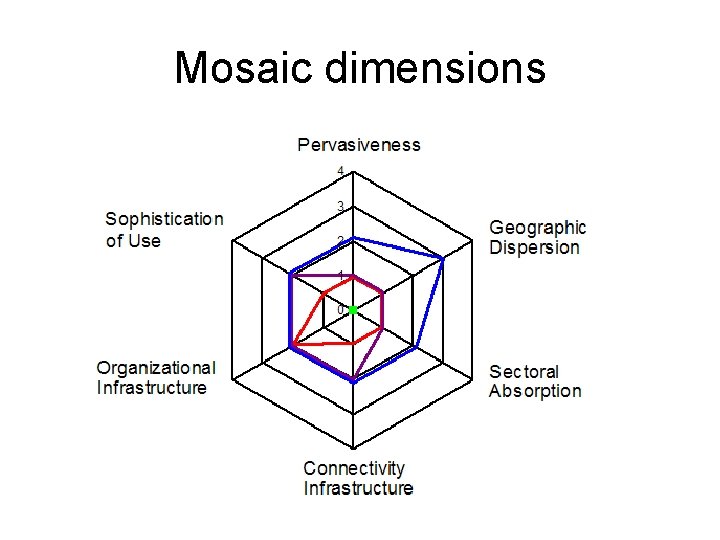
Mosaic dimensions
Successful Applications • • • Education Health care E-commerce Democracy and human rights E-government News and entertainment
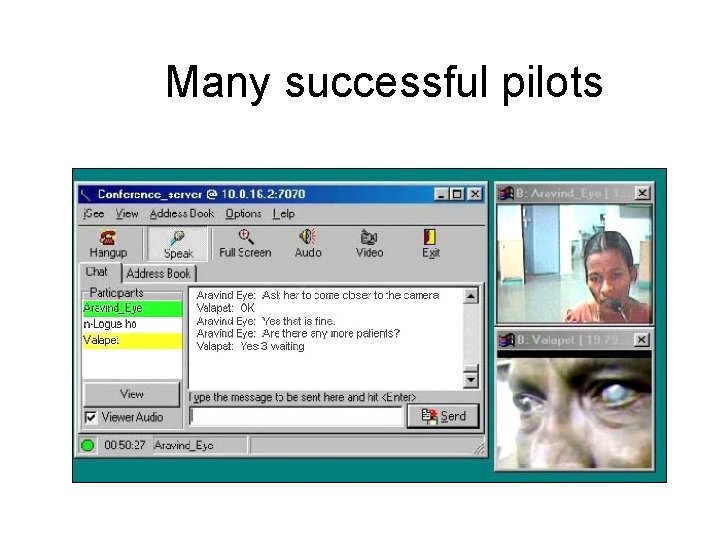
Many successful pilots
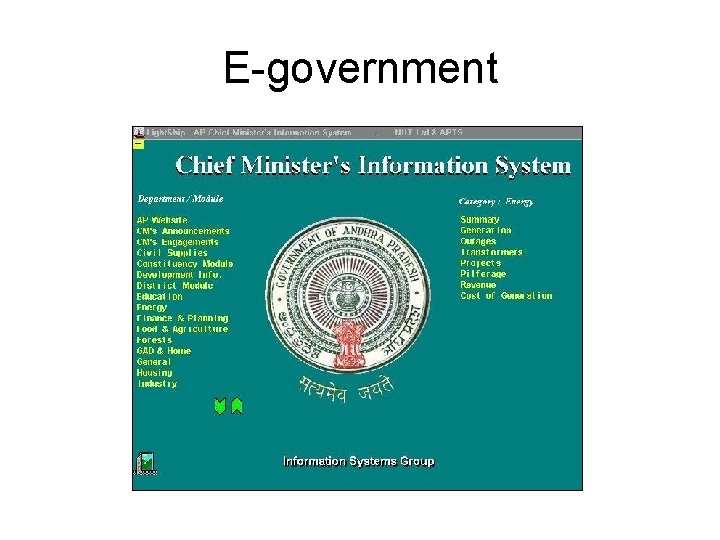
E-government
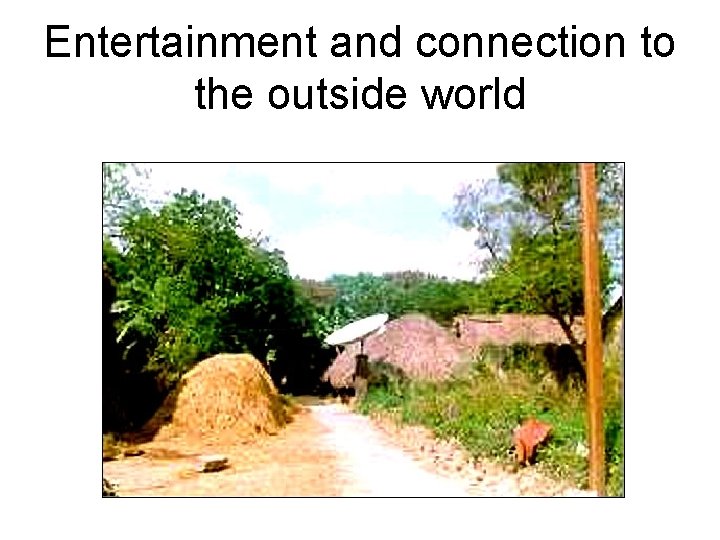
Entertainment and connection to the outside world
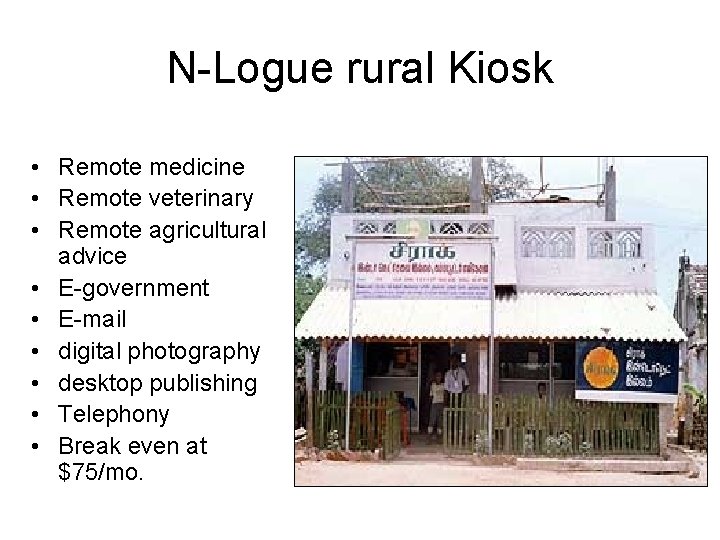
N-Logue rural Kiosk • Remote medicine • Remote veterinary • Remote agricultural advice • E-government • E-mail • digital photography • desktop publishing • Telephony • Break even at $75/mo.
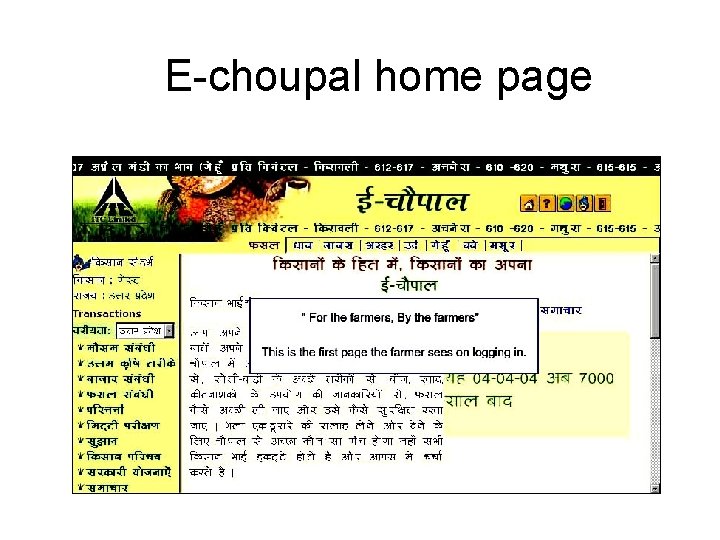
E-choupal home page
E-choupal services • • • Login Weather Crop best practices Market related information Agricultural queries Suggestion box Farmer profile Government schemes News
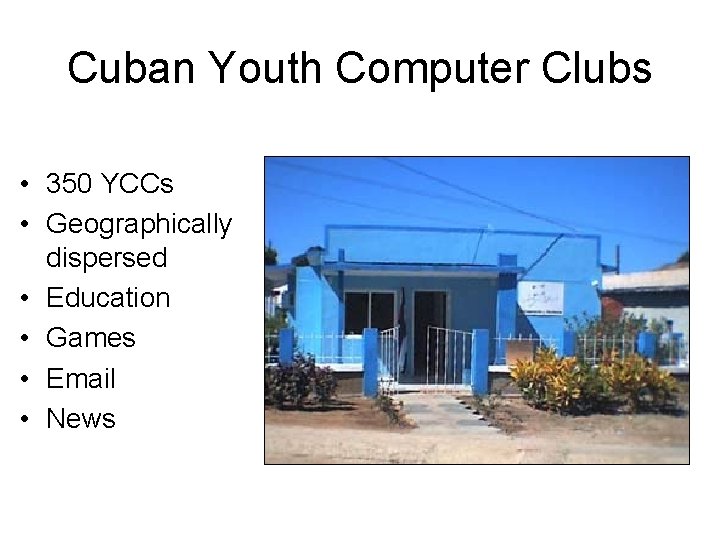
Cuban Youth Computer Clubs • 350 YCCs • Geographically dispersed • Education • Games • Email • News
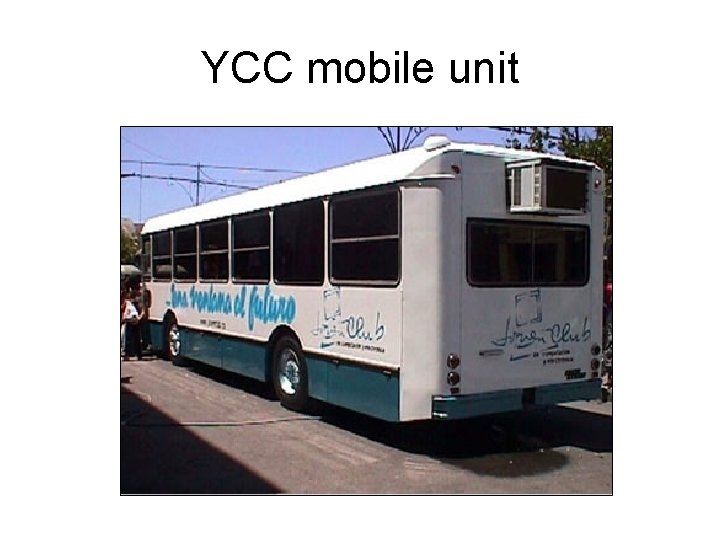
YCC mobile unit
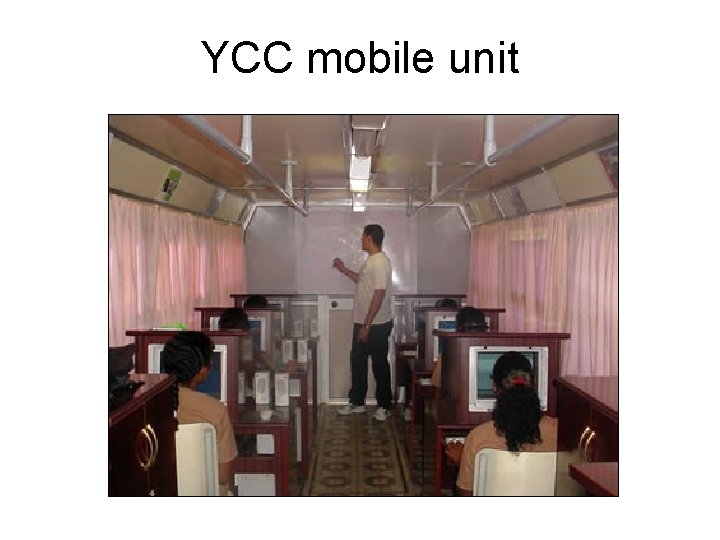
YCC mobile unit
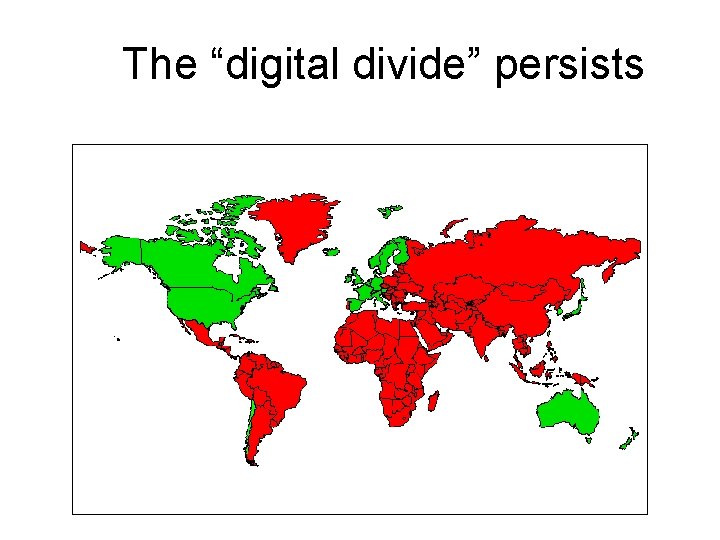
Where are we? • Many applications have been demonstrated. • The Internet is on the “radar screen” • But the digital divide persists • Capital is not available
The “digital divide” persists
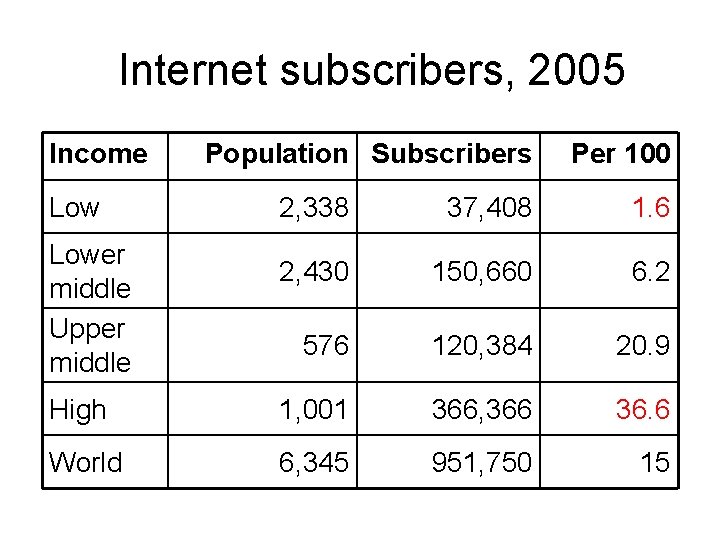
Internet subscribers, 2005 Income Low Population Subscribers Per 100 2, 338 37, 408 1. 6 2, 430 150, 660 6. 2 576 120, 384 20. 9 High 1, 001 366, 366 36. 6 World 6, 345 951, 750 15 Lower middle Upper middle
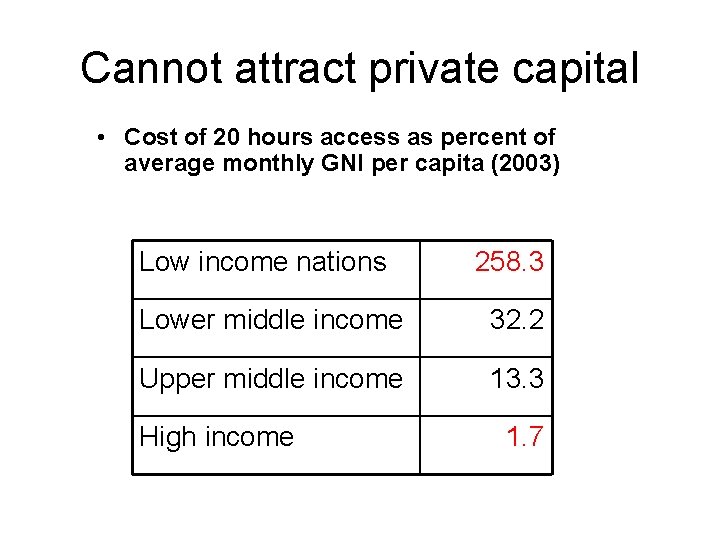
Cannot attract private capital • Cost of 20 hours access as percent of average monthly GNI per capita (2003) Low income nations 258. 3 Lower middle income 32. 2 Upper middle income 13. 3 High income 1. 7
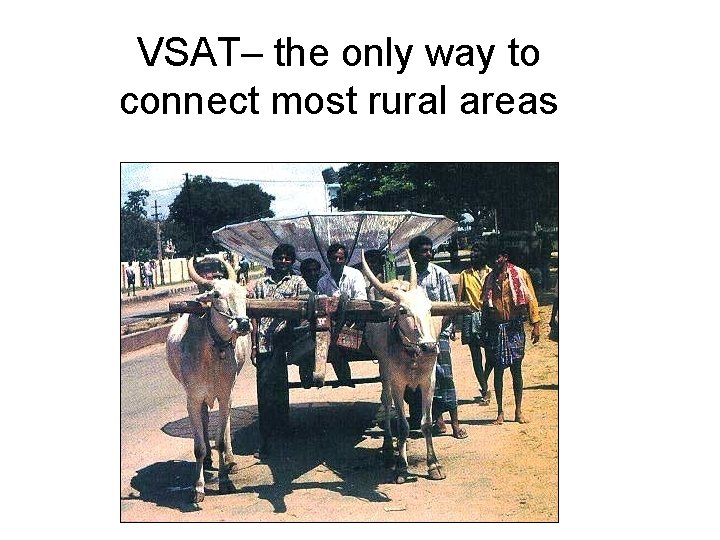
VSAT– the only way to connect most rural areas
A grand challenge Connecting the approximately three billion people residing in three million rural villages of the developing nations within ten years.
Grand challenges • I believe that this nation should commit itself to achieving the goal, before this decade is out, of landing a man on the moon and returning him safely to Earth. John F. Kennedy, 1961 • That's one small step for a man, one giant leap for mankind. Neil Armstrong, 1969
An unconnected nation • • No national backbone network No residential connectivity No commercial application Character-oriented email and news primary applications • Connectivity only in a few universities • The US in 1989
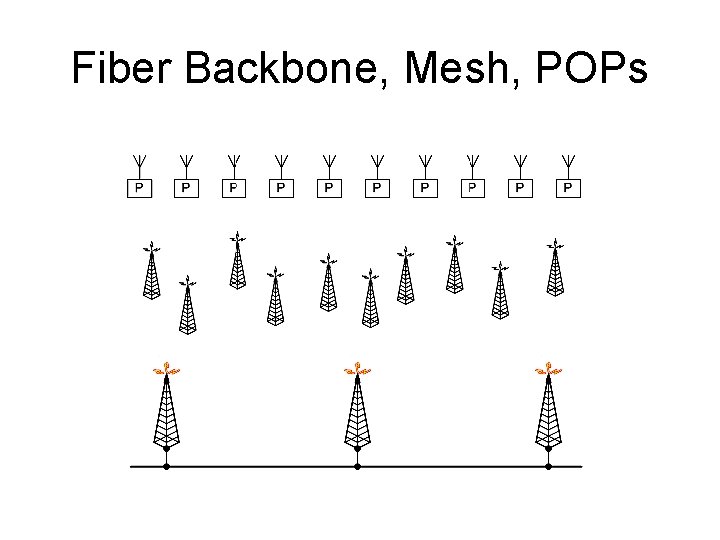
Fiber Backbone, Mesh, POPs
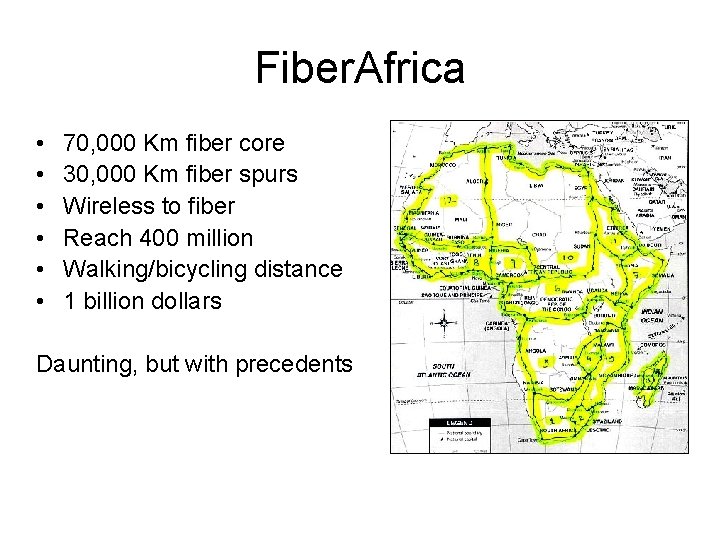
Fiber. Africa • • • 70, 000 Km fiber core 30, 000 Km fiber spurs Wireless to fiber Reach 400 million Walking/bicycling distance 1 billion dollars Daunting, but with precedents
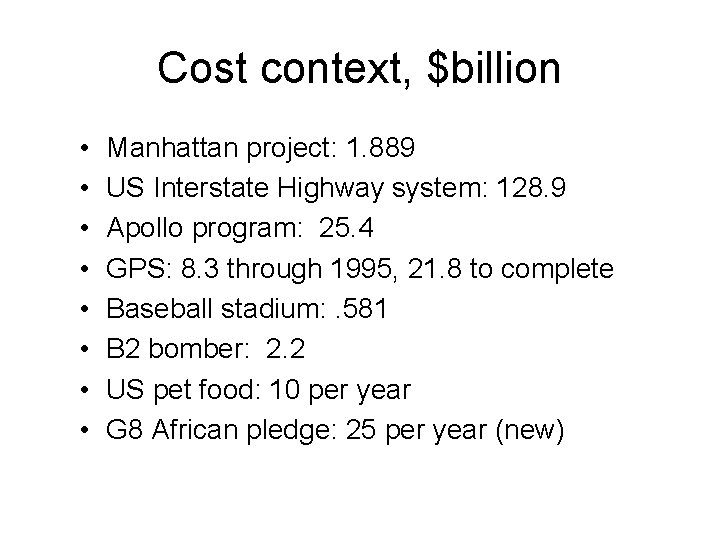
Cost context, $billion • • Manhattan project: 1. 889 US Interstate Highway system: 128. 9 Apollo program: 25. 4 GPS: 8. 3 through 1995, 21. 8 to complete Baseball stadium: . 581 B 2 bomber: 2. 2 US pet food: 10 per year G 8 African pledge: 25 per year (new)