
1920s Presidents Warren Harding Herbert Hooover Calvin Coolidge
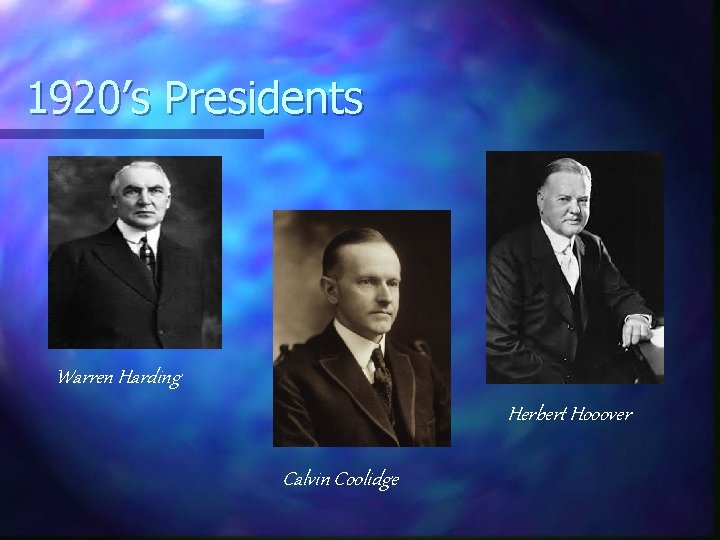
1920’s Presidents Warren Harding Herbert Hooover Calvin Coolidge
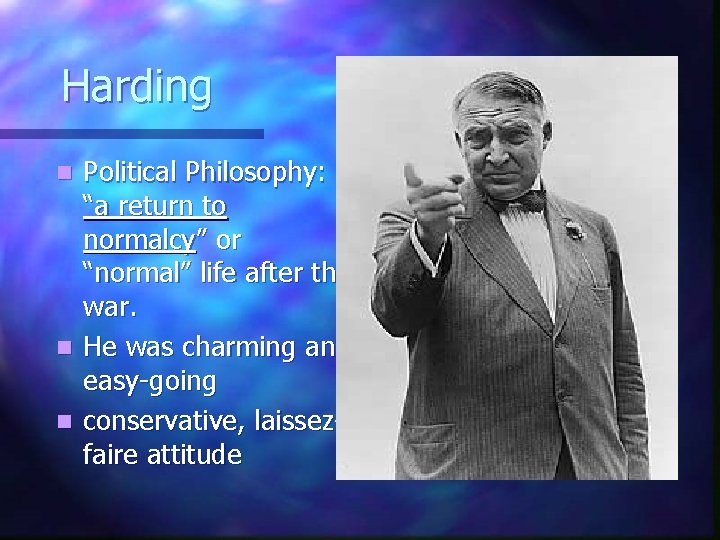
Harding Political Philosophy: “a return to normalcy” or “normal” life after the war. n He was charming and easy-going n conservative, laissezfaire attitude n
Distinguished Appointments n Charles Evans Hughes: supreme court justice to secretary of state (concerned with foreign affairs) n Herbert Hoover: food administration to secretary of commerce (concerned with business and industry) n Andrew Mellon: businessman to secretary of the treasury (concerned with finance and money)
Disastrous Appointment High level jobs to friends Harding more comfortable around his “old poker-playing friends”, the Ohio Gang n Spent a lot of time drinking, smoking, & playing poker (page 591, quote) n Used their positions to sell government jobs, pardons, and protection n Harding passed away before many of the Scandals were unveiled. n n
1. Forbes Scandal n Colonel Charles R. Forbes (head of the Veterans Bureau) n Sold hard to find medical supplies from the Veterans'’ hospitals and kept the $$$ for himself
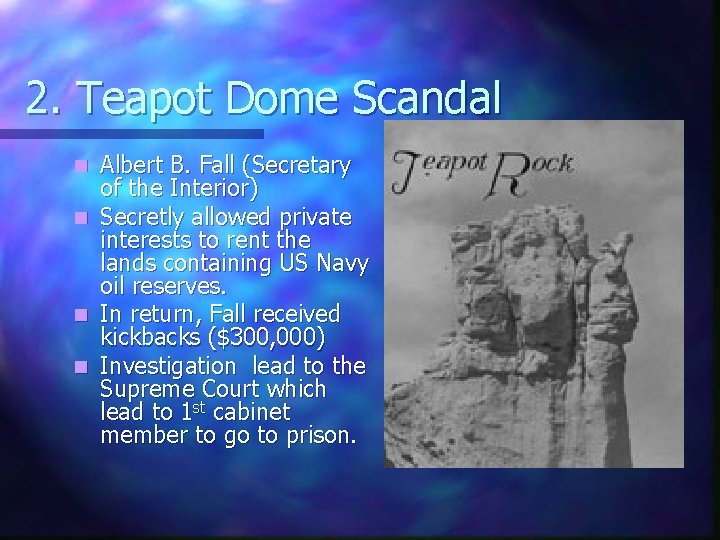
2. Teapot Dome Scandal Albert B. Fall (Secretary of the Interior) n Secretly allowed private interests to rent the lands containing US Navy oil reserves. n In return, Fall received kickbacks ($300, 000) n Investigation lead to the Supreme Court which lead to 1 st cabinet member to go to prison. n
3. Daugherty Scandal n Harry M. Daugherty, Attorney General n German owned companies in the US seized during WWI n German agents bribed politicians to seize back control n Bribes ended up in Daugherty’s bank account n Refused to testify under oath
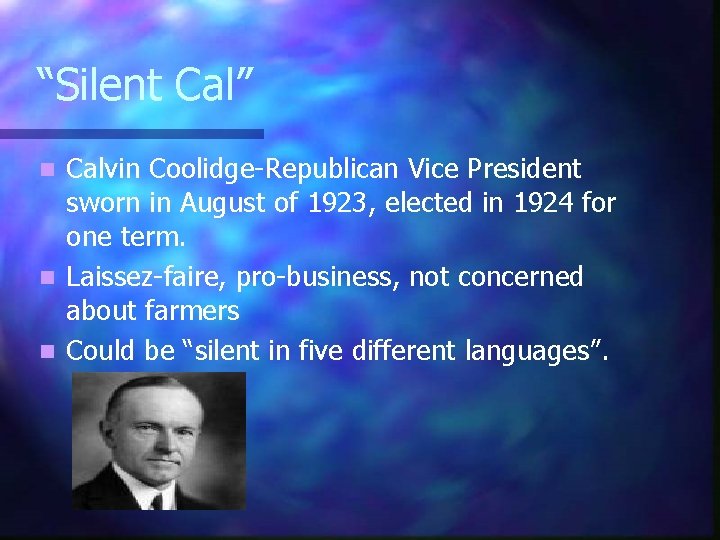
“Silent Cal” Calvin Coolidge-Republican Vice President sworn in August of 1923, elected in 1924 for one term. n Laissez-faire, pro-business, not concerned about farmers n Could be “silent in five different languages”. n
Policies of Prosperity n n n “The chief business of the American people is business. ”- Calvin Coolidge Andrew Mellon becomes Sec. of Treasury and will be for 3 presidents. Mellon wanted to reduce the budget, reduce gov’t debt, and cut taxes. Supply-side economics-if taxes are less, Americans would take the extra cash and spend it or re-invest it into the economy. We call this “trickle-down” economics today. This economy will boom during the “Roaring ’ 20 s” but will come back to haunt us in the 1930 s.
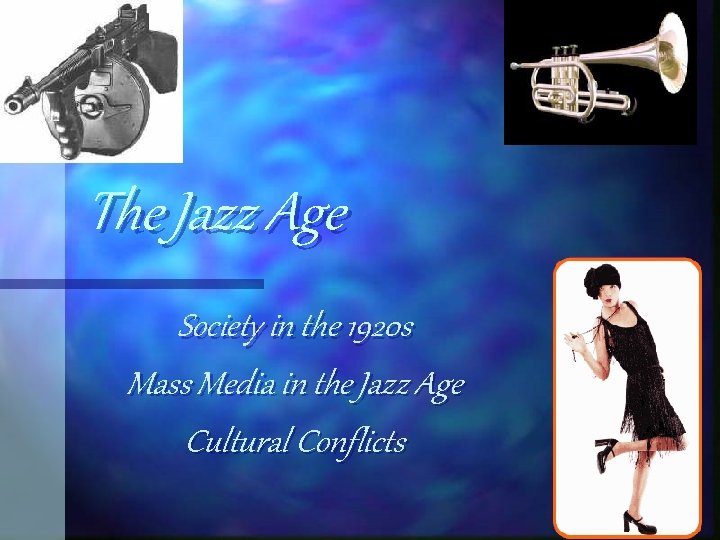
The Jazz Age Society in the 1920 s Mass Media in the Jazz Age Cultural Conflicts
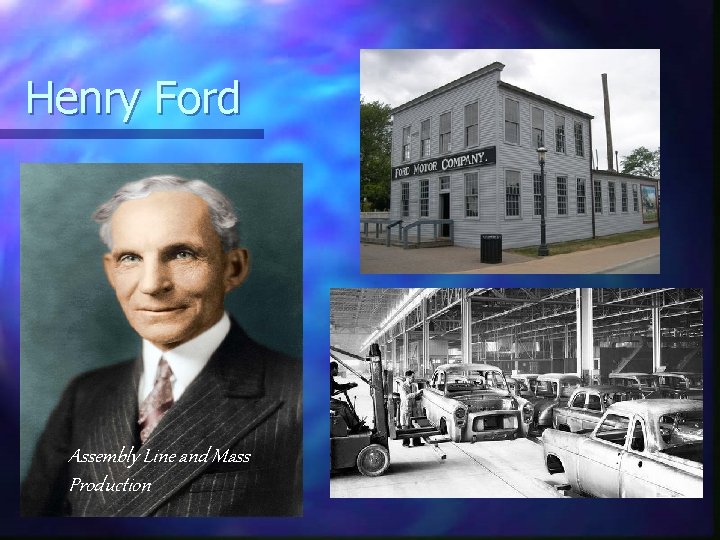
Henry Ford Assembly Line and Mass Production
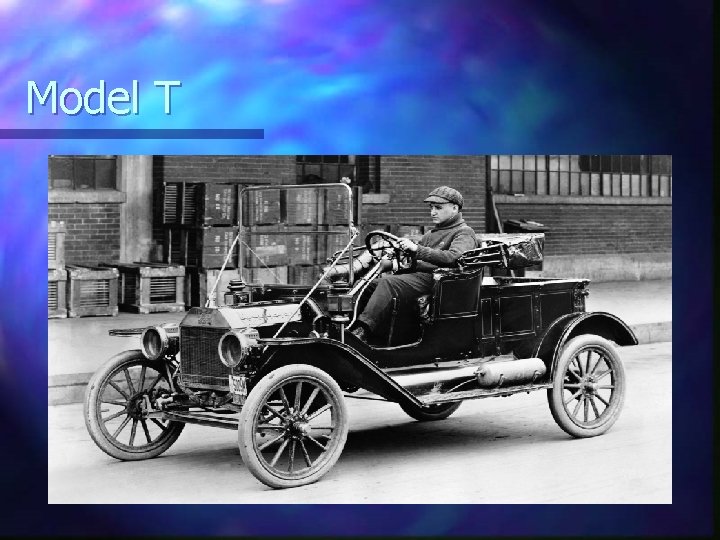
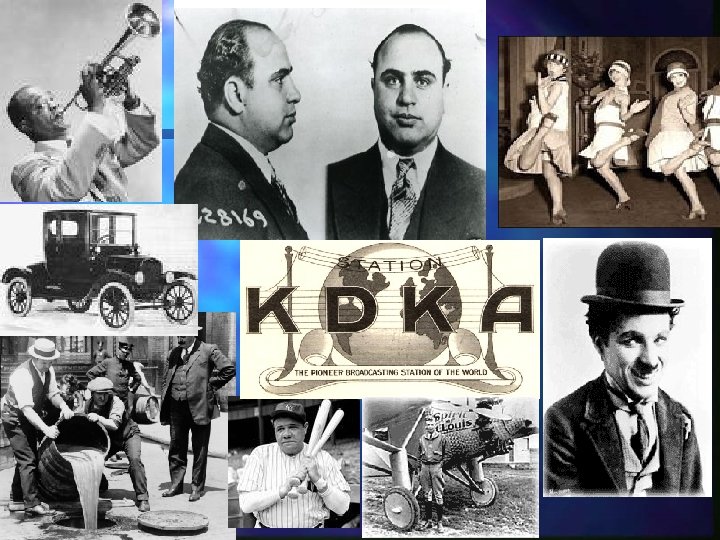
Model T
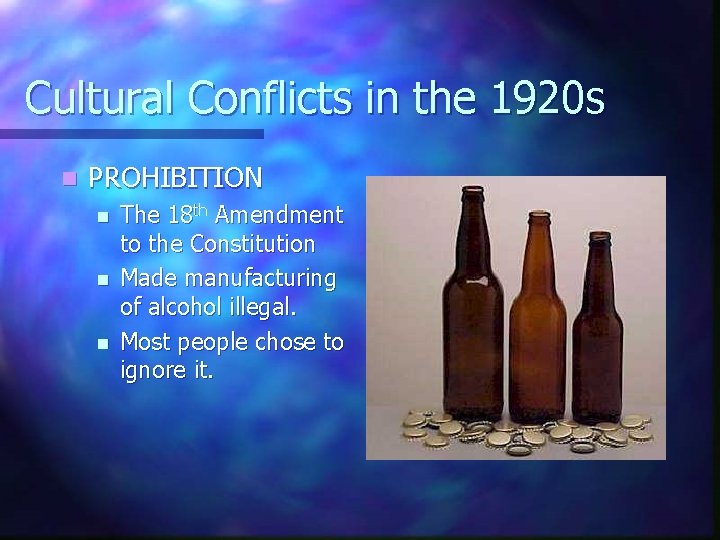
Cultural Conflicts in the 1920 s n PROHIBITION n n n The 18 th Amendment to the Constitution Made manufacturing of alcohol illegal. Most people chose to ignore it.
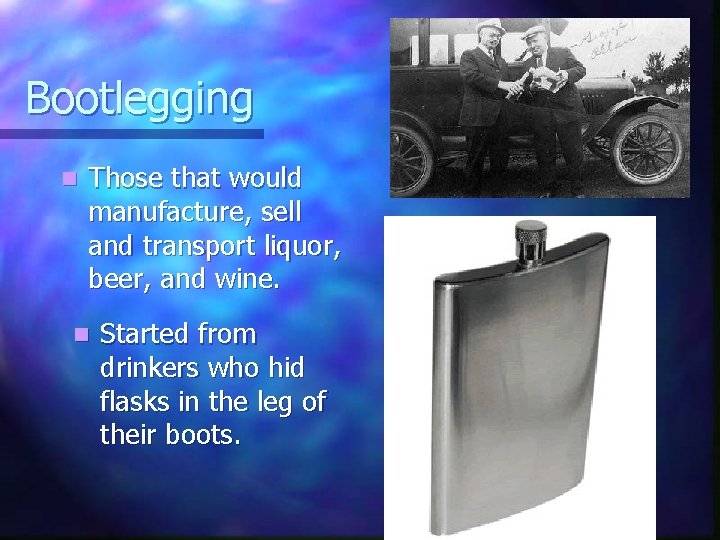
Bootlegging n Those that would manufacture, sell and transport liquor, beer, and wine. n Started from drinkers who hid flasks in the leg of their boots.

Speakeasies Bars that operated illegally. n To get into a speakeasy – you needed a password or be recognized by a guard. n Sometimes hidden behind legit businesses. n
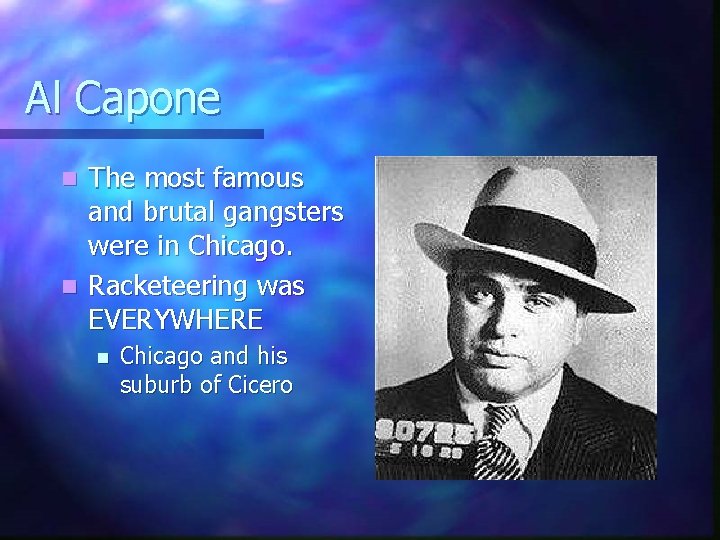
Al Capone The most famous and brutal gangsters were in Chicago. n Racketeering was EVERYWHERE n n Chicago and his suburb of Cicero
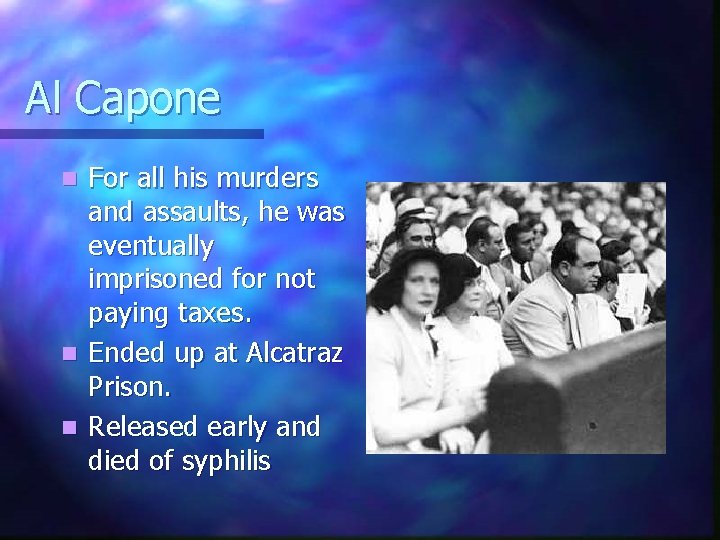
Al Capone For all his murders and assaults, he was eventually imprisoned for not paying taxes. n Ended up at Alcatraz Prison. n Released early and died of syphilis n
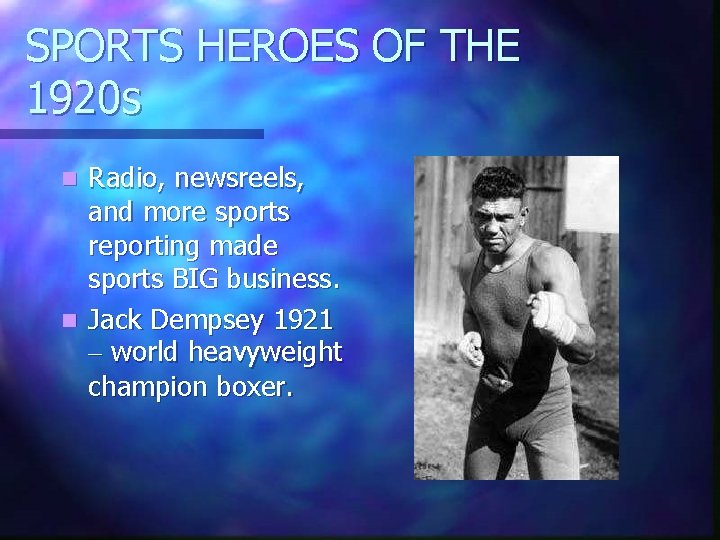
SPORTS HEROES OF THE 1920 s Radio, newsreels, and more sports reporting made sports BIG business. n Jack Dempsey 1921 – world heavyweight champion boxer. n
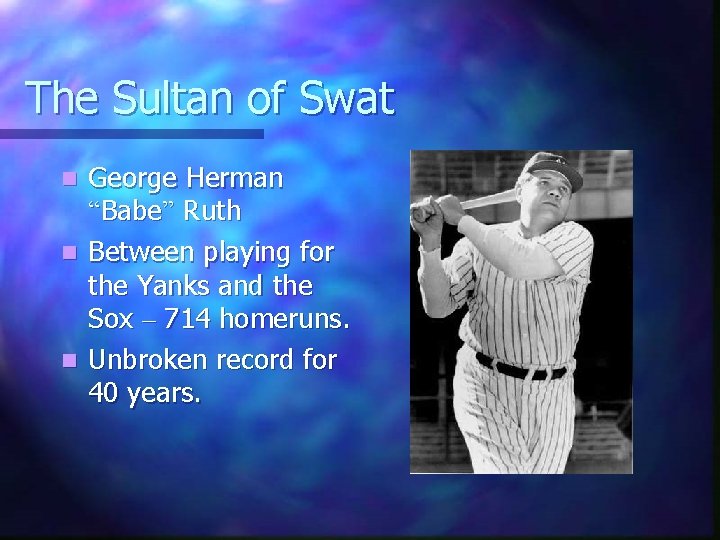
The Sultan of Swat George Herman “Babe” Ruth n Between playing for the Yanks and the Sox – 714 homeruns. n Unbroken record for 40 years. n
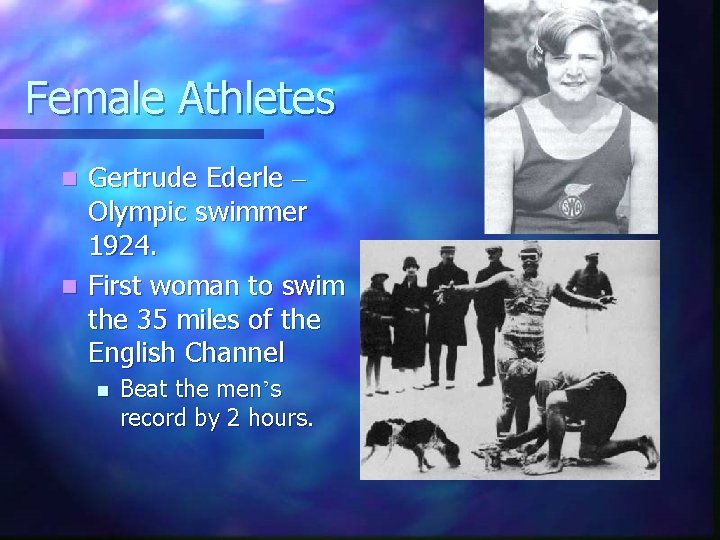
Female Athletes Gertrude Ederle – Olympic swimmer 1924. n First woman to swim the 35 miles of the English Channel n n Beat the men’s record by 2 hours.
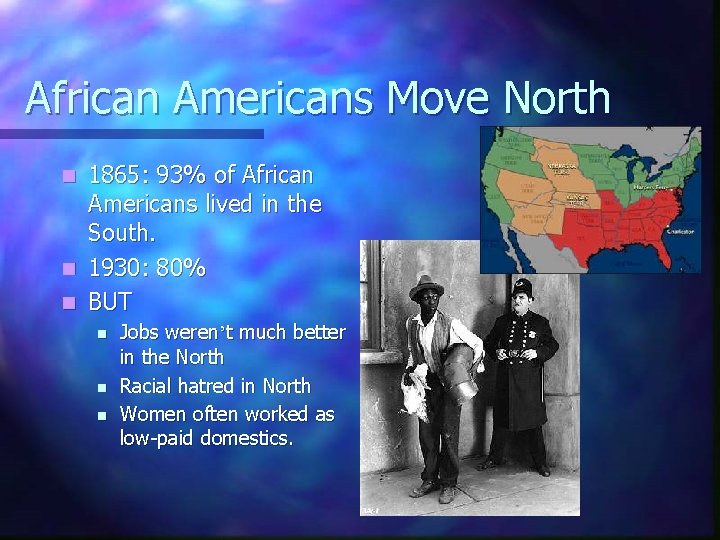
African Americans Move North 1865: 93% of African Americans lived in the South. n 1930: 80% n BUT n n Jobs weren’t much better in the North Racial hatred in North Women often worked as low-paid domestics.
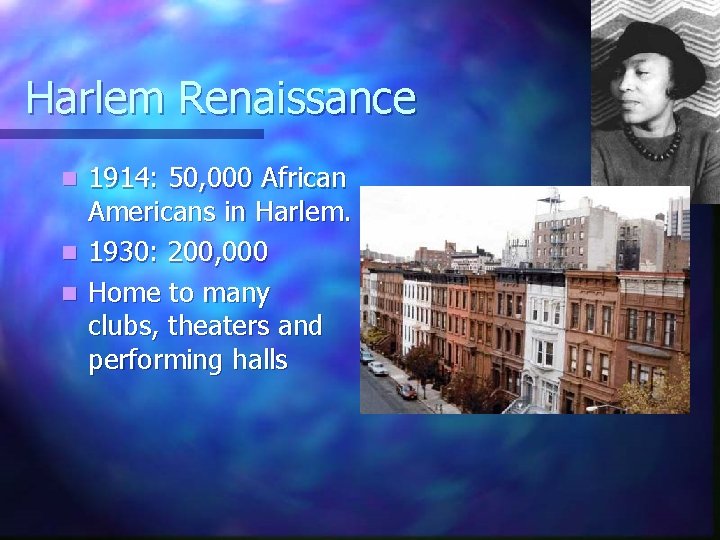
Harlem Renaissance 1914: 50, 000 African Americans in Harlem. n 1930: 200, 000 n Home to many clubs, theaters and performing halls n
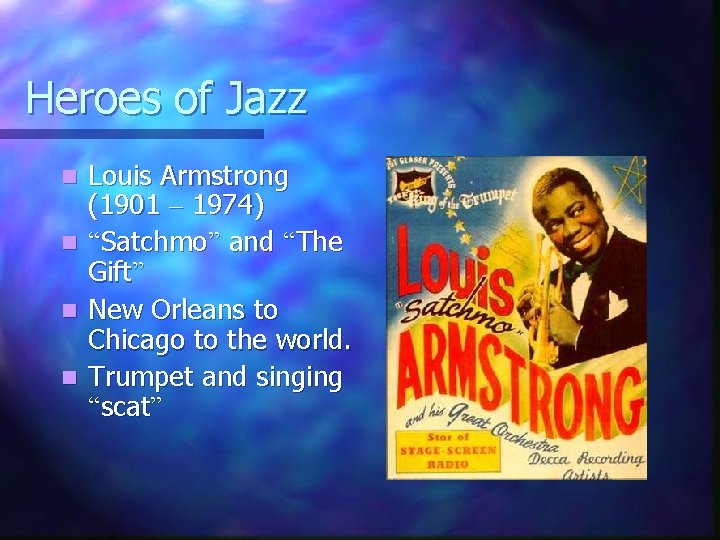
Heroes of Jazz n n Louis Armstrong (1901 – 1974) “Satchmo” and “The Gift” New Orleans to Chicago to the world. Trumpet and singing “scat”
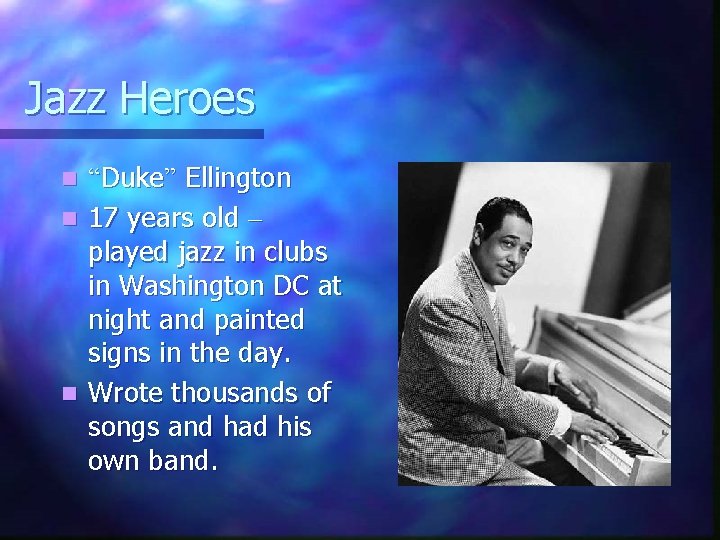
Jazz Heroes “Duke” Ellington n 17 years old – played jazz in clubs in Washington DC at night and painted signs in the day. n Wrote thousands of songs and had his own band. n
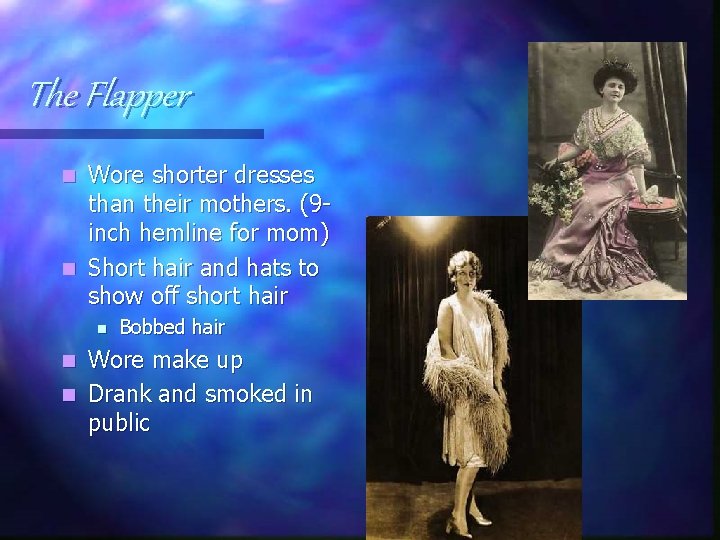
The Flapper Wore shorter dresses than their mothers. (9 inch hemline for mom) n Short hair and hats to show off short hair n n Bobbed hair Wore make up n Drank and smoked in public n
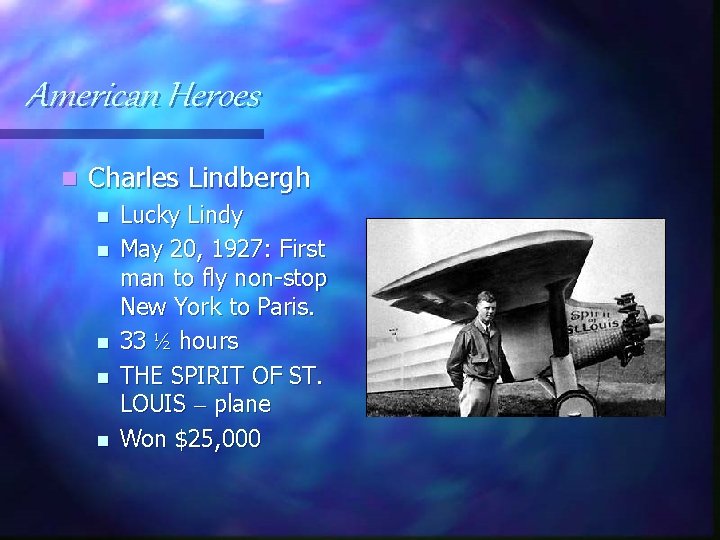
American Heroes n Charles Lindbergh n n n Lucky Lindy May 20, 1927: First man to fly non-stop New York to Paris. 33 ½ hours THE SPIRIT OF ST. LOUIS – plane Won $25, 000
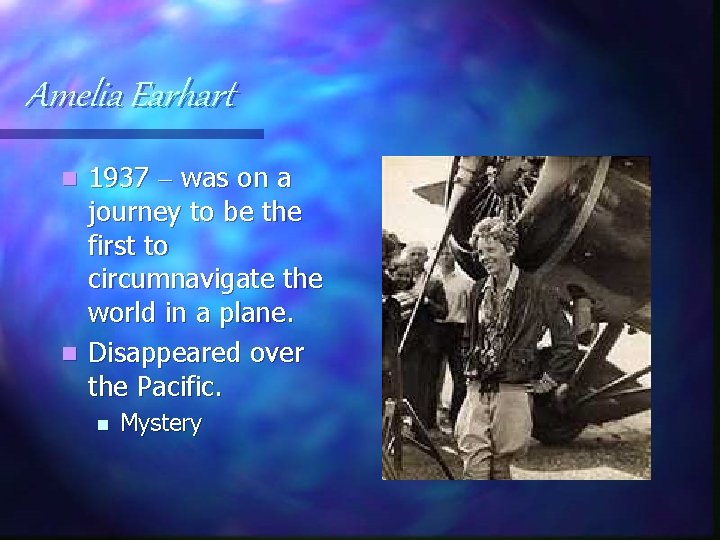
Amelia Earhart 1937 – was on a journey to be the first to circumnavigate the world in a plane. n Disappeared over the Pacific. n n Mystery
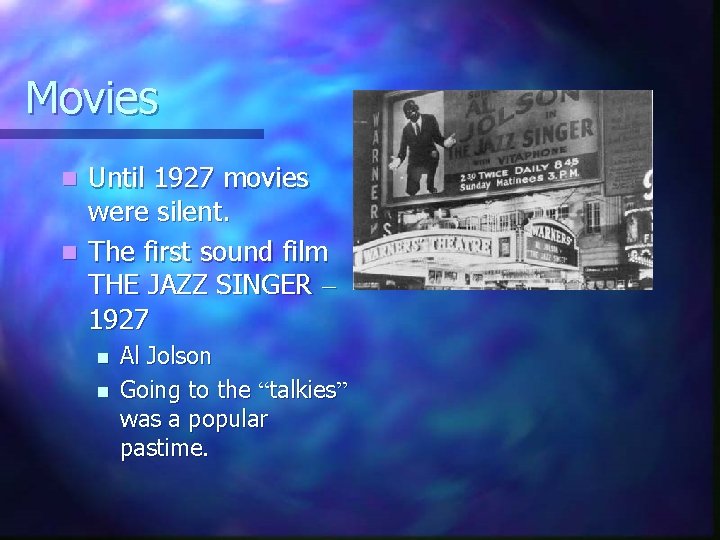
Movies Until 1927 movies were silent. n The first sound film THE JAZZ SINGER – 1927 n n n Al Jolson Going to the “talkies” was a popular pastime.
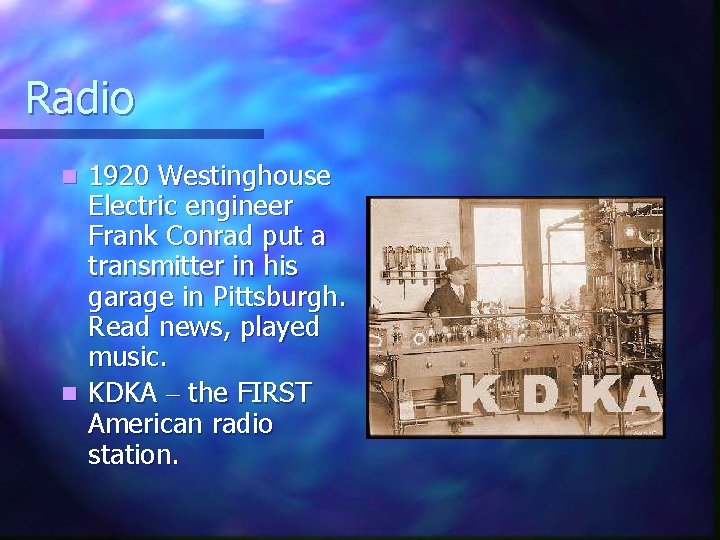
Radio 1920 Westinghouse Electric engineer Frank Conrad put a transmitter in his garage in Pittsburgh. Read news, played music. n KDKA – the FIRST American radio station. n
- Slides: 30