
18 TH CENTURY THE ENLIGHTENMENT The Enlightenment is

- Slides: 20
18 TH CENTURY – THE ENLIGHTENMENT
� “The Enlightenment is a belief in the ability of the human mind and human enterprise to change the political, social, and economic framework of the world for the better” � Begins with Scientific Revolution; Questioning the world around.
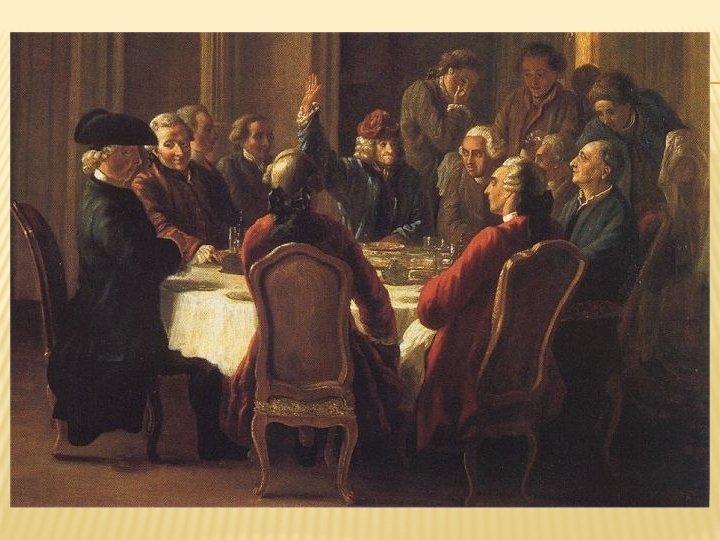
GOALS OF ENLIGHTENMENT � Philosophes – major thinkers & writers of the day (met at salons to discuss issues) The goal is freedom Use the printed word to spread ideas � Reform is possible, so let’s make our lives better! � -Big question became, do we need God?
MAKES LIFE HARDER FOR TWO GROUPS � 1) Government – calls for reform don’t fall on deaf ears = the creation of public opinion � 2) Churches – � -What is the nature of man? � innately bad or innately capable of good � -Humans will be good, if they think it’s valuable! (or else what’s the point of improving their lives on Earth)
DIFFERENT BELIEFS THAN CHRISTIANITY � Deism = � 1) God exists (nature proves it) � 2) rewards and punishments after death based on how you lived your life � 3) Religion based on accomplishment not prayer
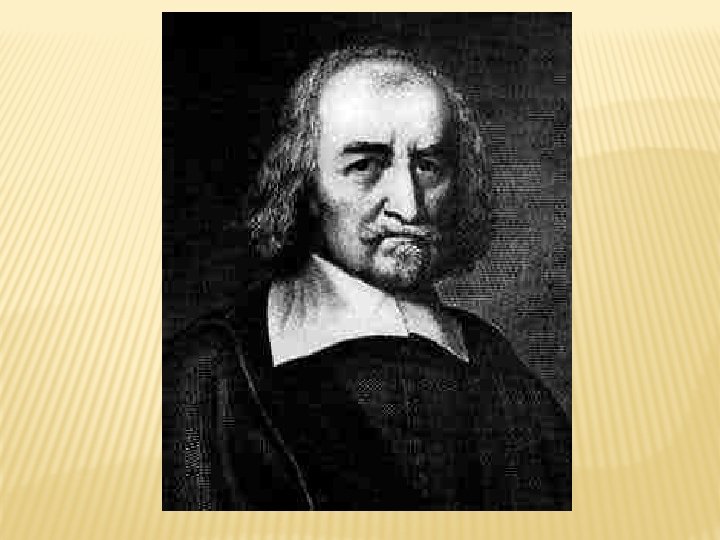
THOMAS HOBBES � Wrote Leviathan � Argued � Need all people were selfish and greedy a strong central government to control the masses (absolute monarchs) � Social Contract = giving up freedom to create government
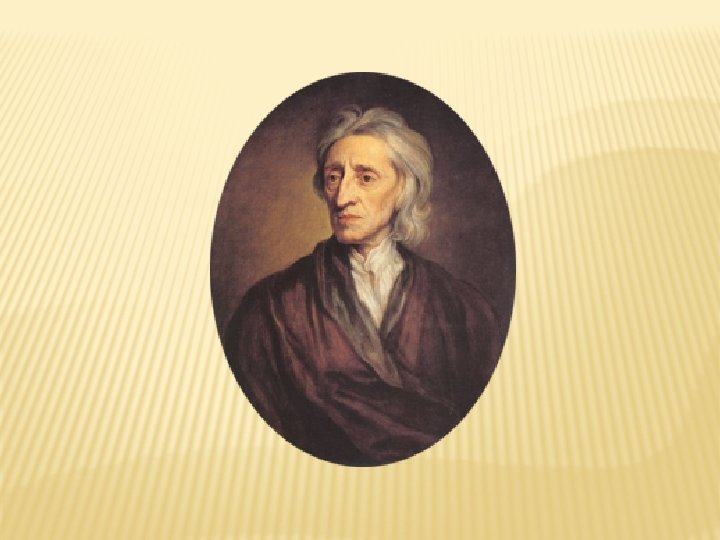
JOHN LOCKE � Argued all people had life, liberty, and pursuit of property (Natural Rights: given to you at birth and never taken away) � Social contract as well, but power comes from the people � Rejects absolutism, states people are the power. Not the government. (State of Nature, come together, create government = power from consent of the governed)
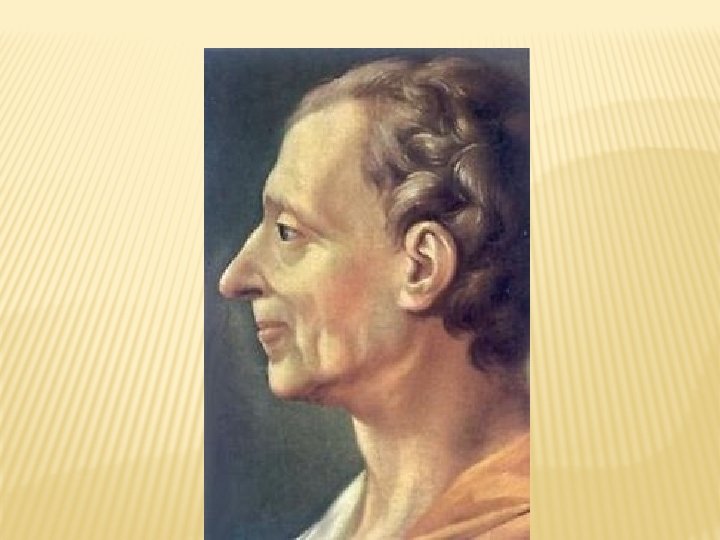
MONTESQUIEU � Wrote The Spirit of Laws � Argued for a check and balance system to limit power of the government � Sound familiar? (USA)
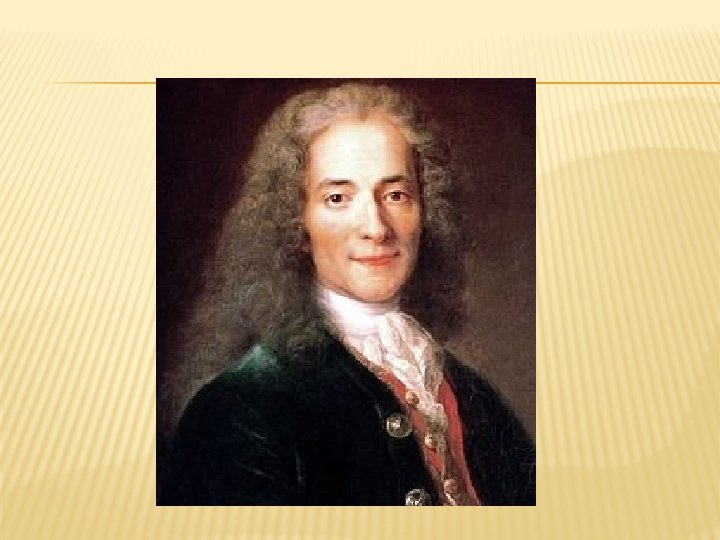
VOLTAIRE � Adamant defender of the French Revolution � Criticized government and the church, famous quote “Kill the infamous thing” � Detested inequality and corruption
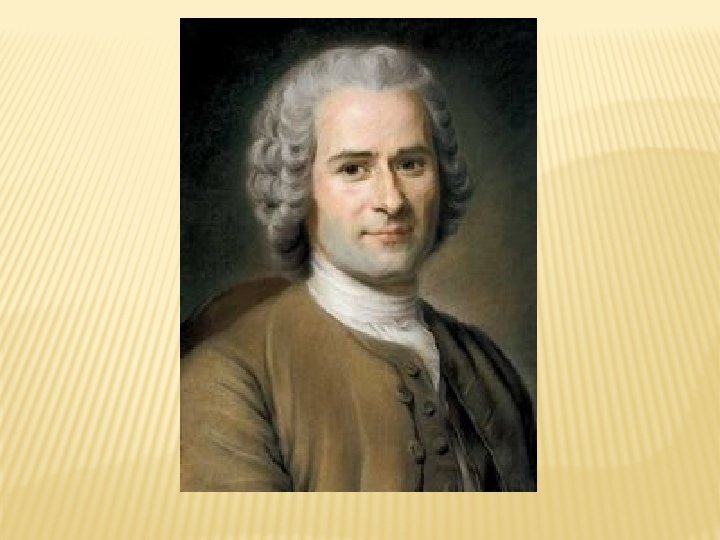
JEAN JACQUES ROUSSEAU � People born good, as opposed to evil like Hobbes � Writes The Social Contract � Argues society corrupts and creates evil � “The General Will” should prevail, that government should be used to help the community. � Not ones self (sounds like socialism? )
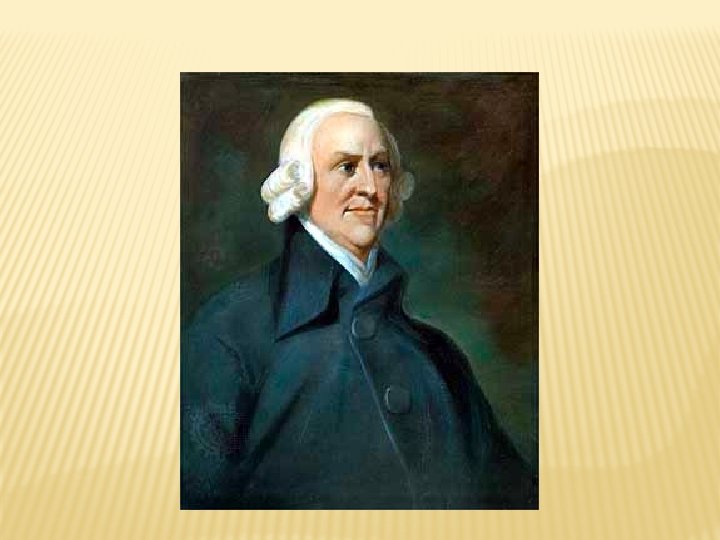
ECONOMIC CHANGES � Capitalism rises, little government intervention (Laissez Faire) and private business drive the economy � Adam Smith in Wealth of Nations argues the free market dictates winners and losers, chosen by the people. � Capitalism driven by supply and demand (Need a balance to create growth)
THE RESULTS OF THE ENLIGHTENMENT? � Revolutions in: � France � America � Latin America � South America � Challenge to the church authority, absolutism begins to decline.