
1619 The Arrival of Africans in the New




- Slides: 20
1619 The Arrival of Africans in the New World and Colonial Slavery
Outline I. Introduction: Africans in America before 1619 II. Settlement and Servitude in Early Colonial America III. The Terrible Transformation: From Servitude to Slavery • Why were Africans enslaved? • Which came first: slavery or racism? IV. The Atlantic Slave Trade V. Slavery in the mainland North American Colonies • Characteristics of American slavery • Regional Differences
I. Introduction: Africans in America before 1619
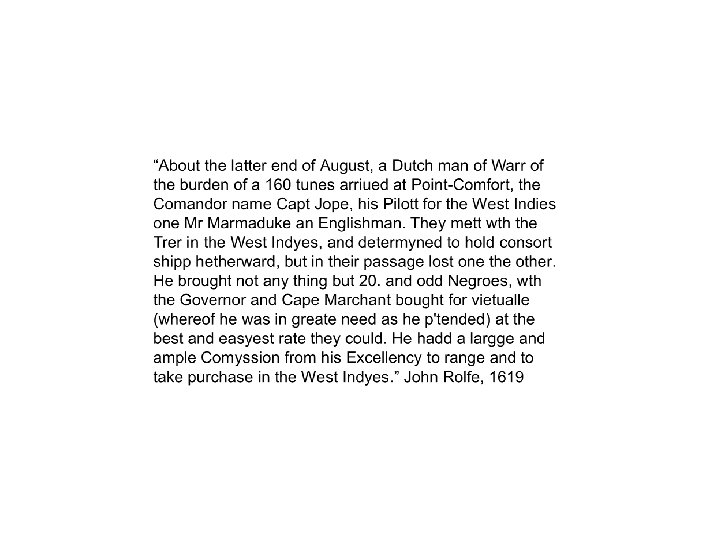
I. Introduction: Africans in America before 1619 Africans were amongst the first non-natives in North America Earliest Africans in America accompanied Spanish explorers 1619: Africans were taken from Angola by Portuguese slavers and seized by British pirates in the Atlantic. They were traded for food with English colonists in Virginia.
II. Settlement and Servitude in Early Colonial America
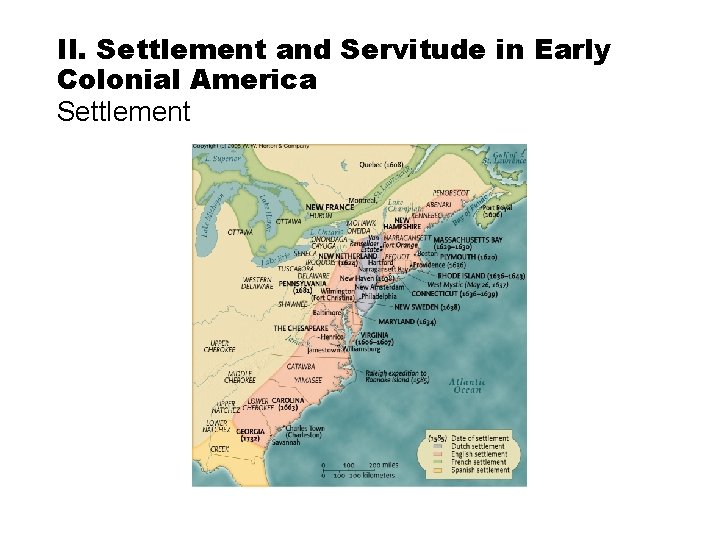
II. Settlement and Servitude in Early Colonial America Settlement
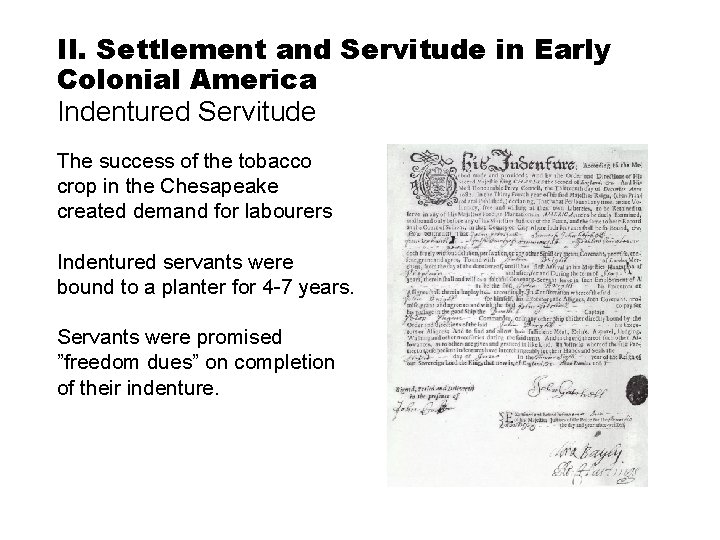
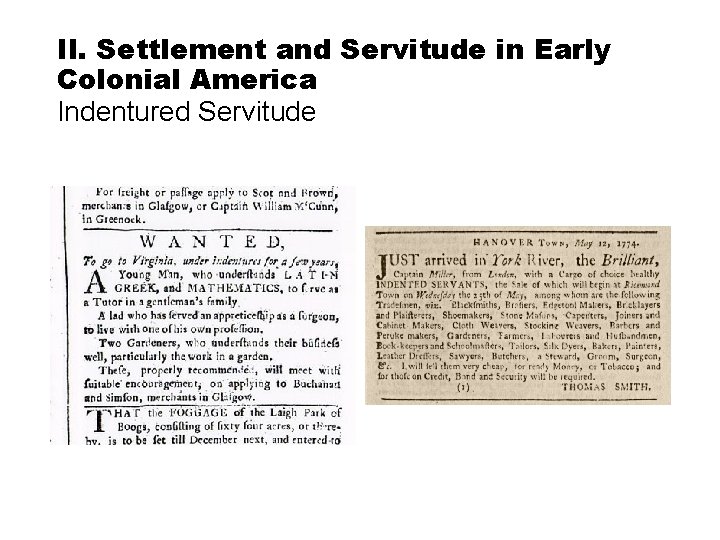
II. Settlement and Servitude in Early Colonial America Indentured Servitude The success of the tobacco crop in the Chesapeake created demand for labourers Indentured servants were bound to a planter for 4 -7 years. Servants were promised ”freedom dues” on completion of their indenture.
II. Settlement and Servitude in Early Colonial America Indentured Servitude
III. The Terrible Transformation: From Servitude to Slavery
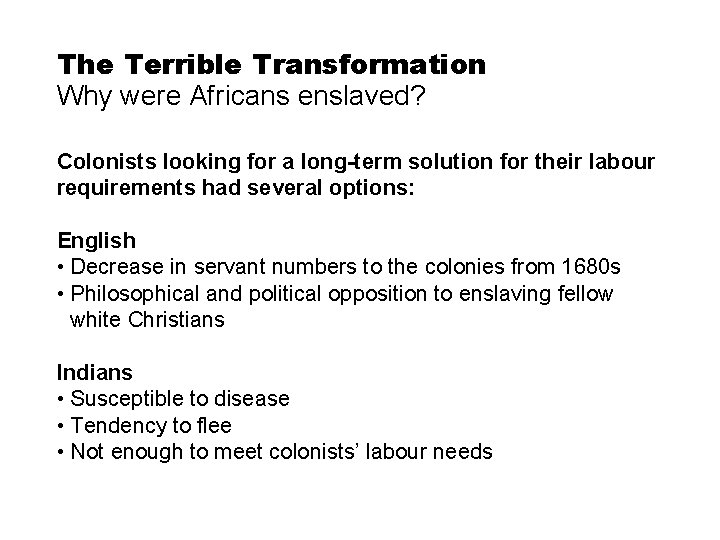
The Terrible Transformation Why were Africans enslaved? Colonists looking for a long-term solution for their labour requirements had several options: English • Decrease in servant numbers to the colonies from 1680 s • Philosophical and political opposition to enslaving fellow white Christians Indians • Susceptible to disease • Tendency to flee • Not enough to meet colonists’ labour needs
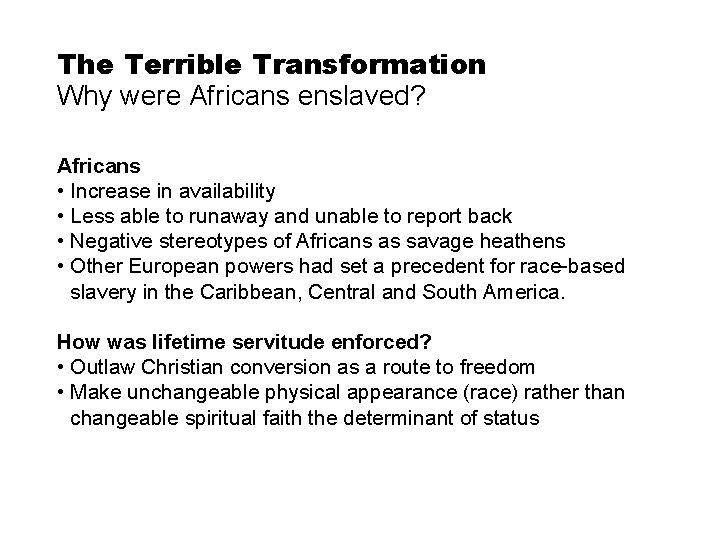
The Terrible Transformation Why were Africans enslaved? Africans • Increase in availability • Less able to runaway and unable to report back • Negative stereotypes of Africans as savage heathens • Other European powers had set a precedent for race-based slavery in the Caribbean, Central and South America. How was lifetime servitude enforced? • Outlaw Christian conversion as a route to freedom • Make unchangeable physical appearance (race) rather than changeable spiritual faith the determinant of status
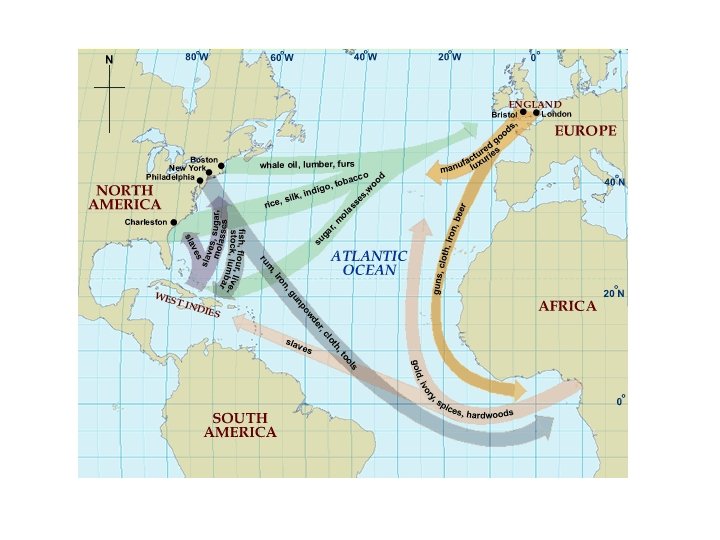
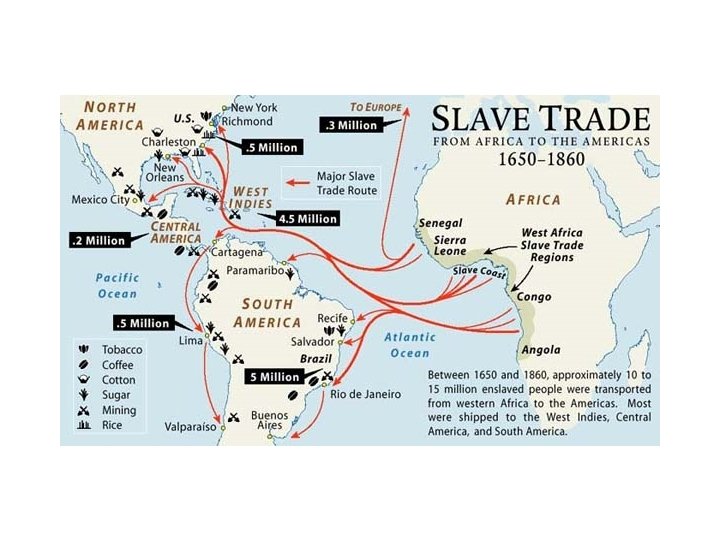
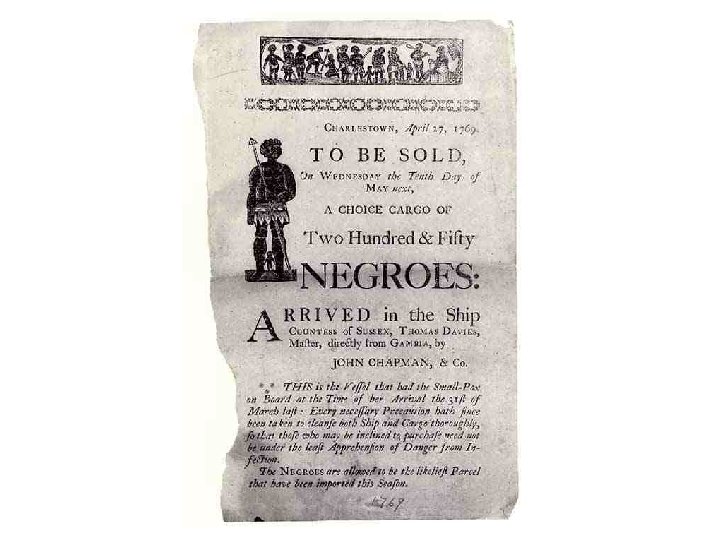
IV. The Atlantic Slave Trade
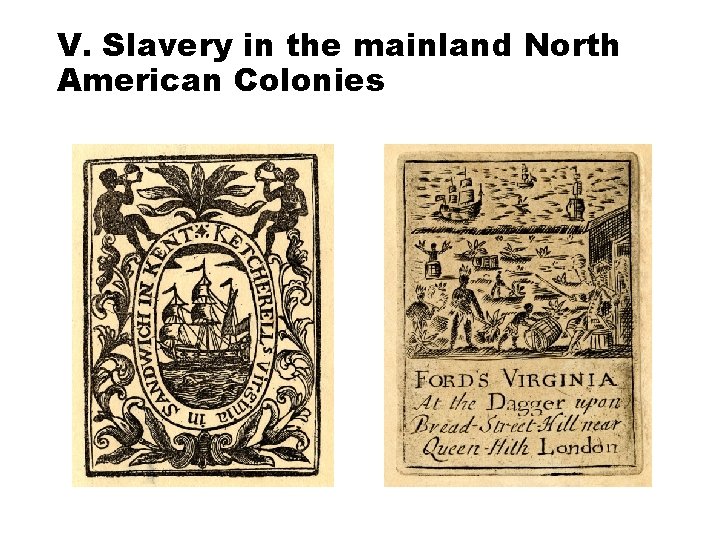
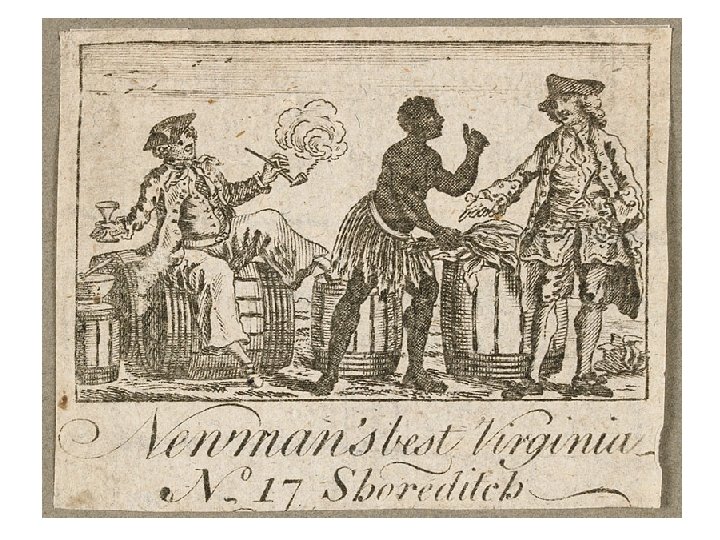
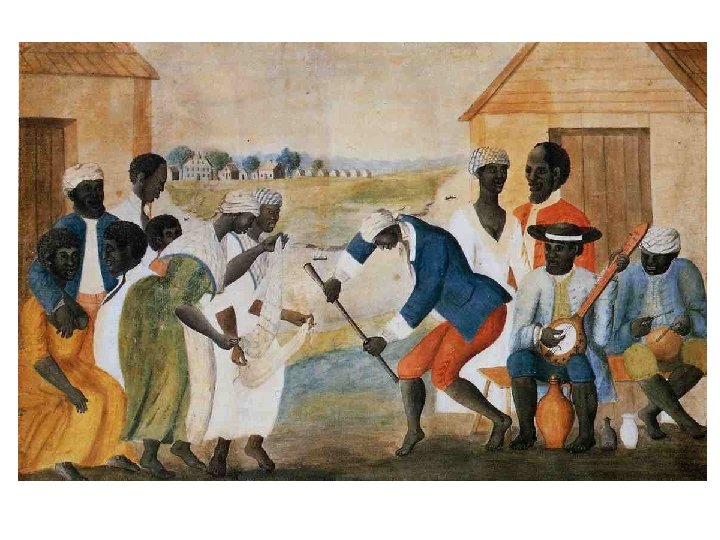
V. Slavery in the mainland North American Colonies
V. Slavery in the mainland North American Colonies