
13 The Aggregate Demand Aggregate Supply Model Previously
- Slides: 52
13 The Aggregate Demand– Aggregate Supply Model
Previously • The original Solow model focused on capital investment as the main source of economic growth. • Modern growth theory now recognizes that institutions are also essential for growth. • Modern growth theory also treats technological advancements in a society as endogenous.
Big Questions 1. What is the aggregate demand–aggregate supply model? 2. What is aggregate demand? 3. What is aggregate supply? 4. How does the aggregate demand–aggregate supply model help us understand the economy?
Here’s a question for you… • What factors influence the price level and amount of output in the entire economy?
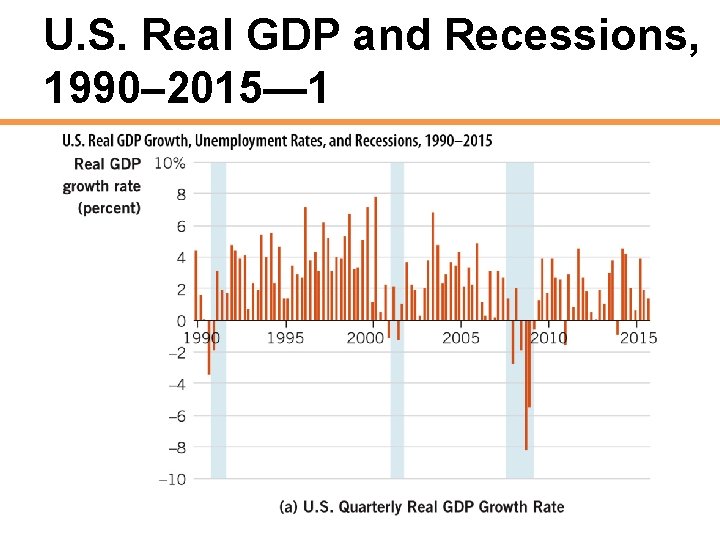
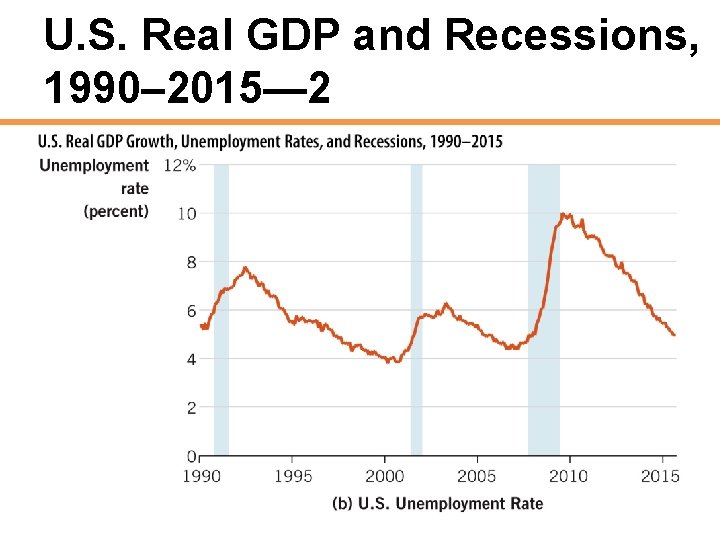
Macroeconomics • Two major paths of study: – Exploring long-run growth and development – Examining short-run fluctuations (business cycles) • Business cycle – Most evident in real GDP growth and unemployment rates
U. S. Real GDP and Recessions, 1990– 2015— 1
U. S. Real GDP and Recessions, 1990– 2015— 2
Aggregate Demand Aggregate Supply Model • Aggregate demand (AD) – Total demand for final goods and services in the economy • Aggregate supply (AS) – Total supply of final goods and services in the economy
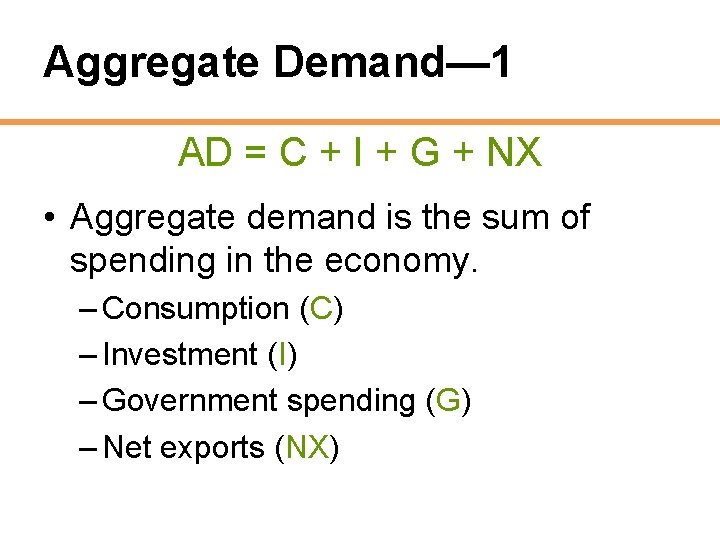
Aggregate Demand— 1 AD = C + I + G + NX • Aggregate demand is the sum of spending in the economy. – Consumption (C) – Investment (I) – Government spending (G) – Net exports (NX)
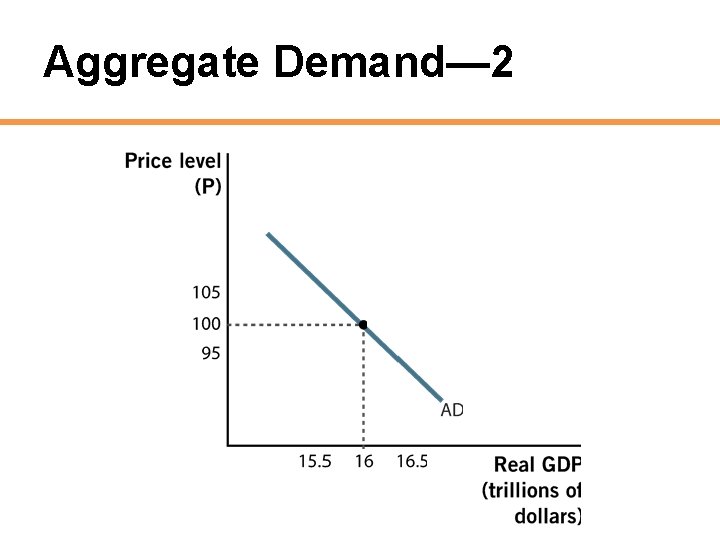
Aggregate Demand— 2
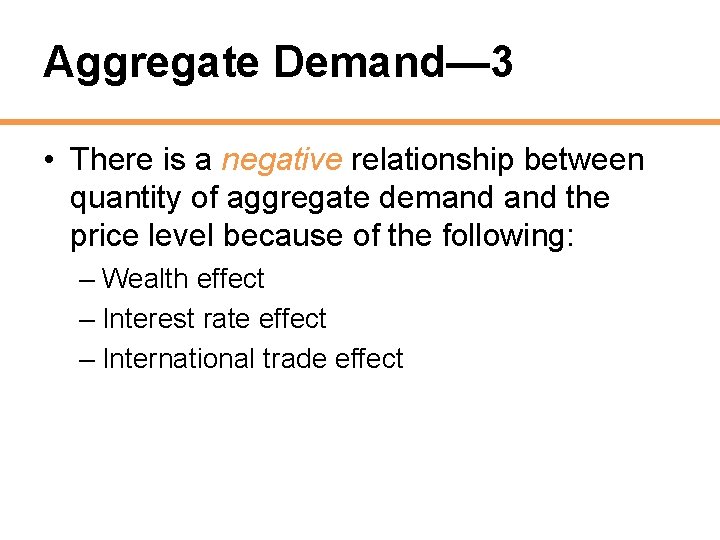
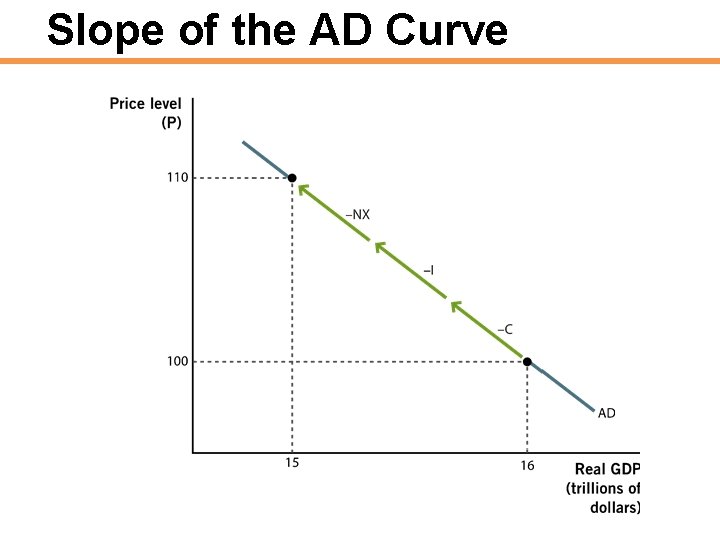
Aggregate Demand— 3 • There is a negative relationship between quantity of aggregate demand the price level because of the following: – Wealth effect – Interest rate effect – International trade effect
The Wealth Effect • Wealth – Value of an individual’s accumulated assets • Wealth effect – The change in the quantity of aggregate demand that results from wealth changes due to price-level changes
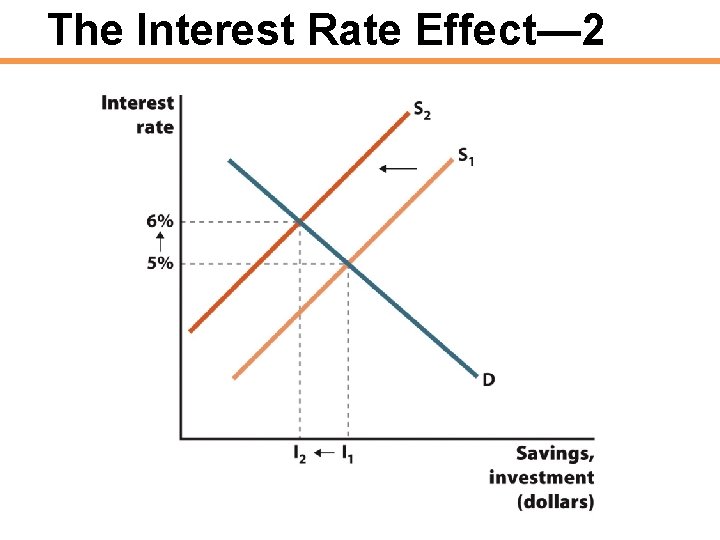
The Interest Rate Effect— 1 • Interest rate effect – Occurs when a change in the price level leads to a change in interest rates and therefore in the quantity of aggregate demand • This occurs through the loanable funds market. – Changes in the price level affect saving. – This directly impacts the supply of loanable funds.
The Interest Rate Effect— 2
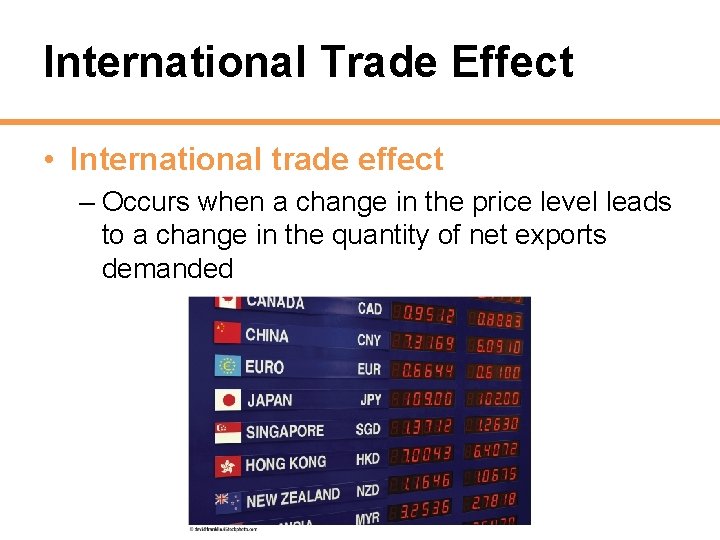
International Trade Effect • International trade effect – Occurs when a change in the price level leads to a change in the quantity of net exports demanded
Slope of the AD Curve
Movements Along the AD Curve Versus Shifts in the AD Curve • Movements along the AD curve – Start with a change in the price level – Affect the quantity of aggregate demand through the three effects • Wealth effect, interest rate effect, international trade effect • Shifts in the AD curve – Occur when something other than the price level changes
Shifts in Aggregate Demand • To determine what shifts the AD curve, we should consider the different types of spending in the economy. AD = C + I + G + NX • • Consumption (C) Investment (I) Government spending (G) Net exports (NX)
Shifts in Consumption • Changes in real wealth – Stock market rises or falls – Widespread change in real estate values • General expectations about the future – Changes in expected income – Change in consumer confidence • Changes in taxes
Shifts in Investment • General expectations about the future – Investor confidence • Interest rates • Changes in the quantity of money in the economy – Alters the interest rate
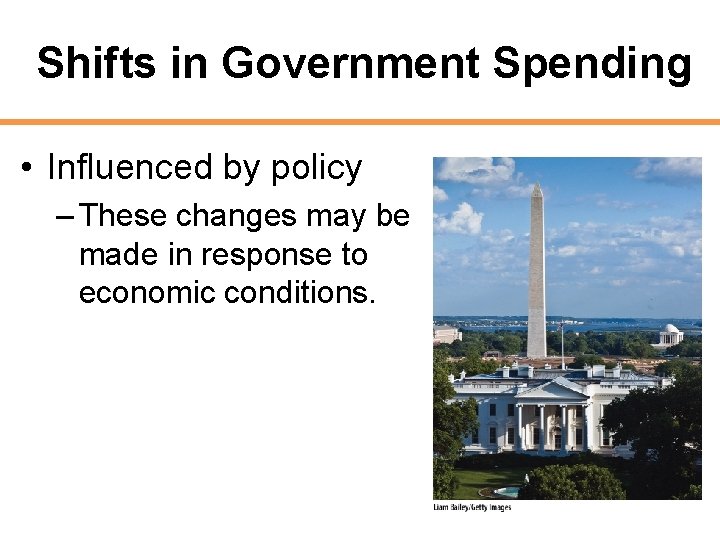
Shifts in Government Spending • Influenced by policy – These changes may be made in response to economic conditions.
Shifts in International Trade • Income of individuals in other countries • Exchange rates
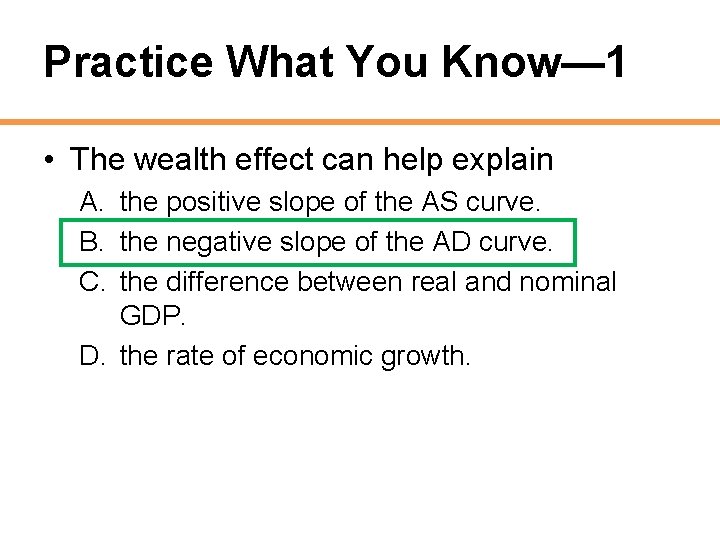
Practice What You Know— 1 • The wealth effect can help explain A. the positive slope of the AS curve. B. the negative slope of the AD curve. C. the difference between real and nominal GDP. D. the rate of economic growth.
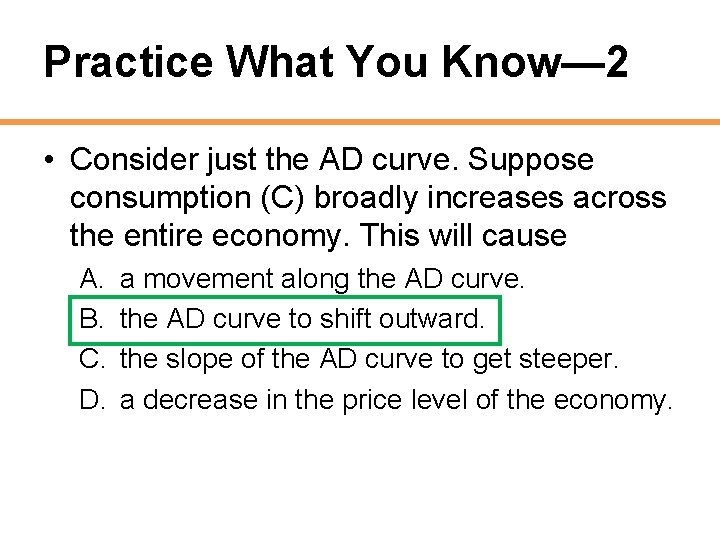
Practice What You Know— 2 • Consider just the AD curve. Suppose consumption (C) broadly increases across the entire economy. This will cause A. B. C. D. a movement along the AD curve to shift outward. the slope of the AD curve to get steeper. a decrease in the price level of the economy.
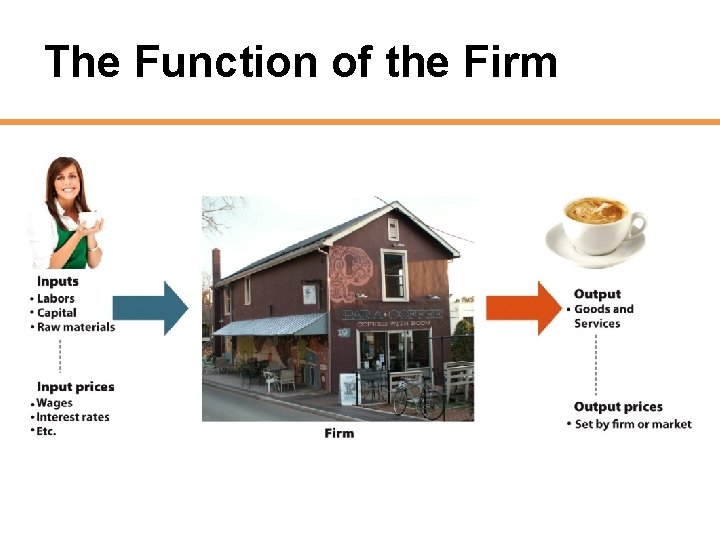
The Function of the Firm
Aggregate Supply • How do changes in the price level affect the supply decisions of the firm? • The answer depends on the time frame examined. – Long run • A period of time sufficient for all prices to adjust – Short run • The period of time in which some prices have not yet adjusted
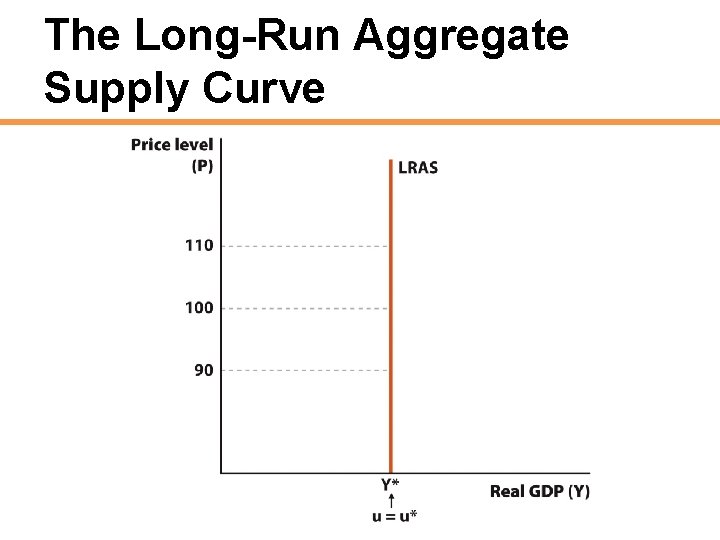
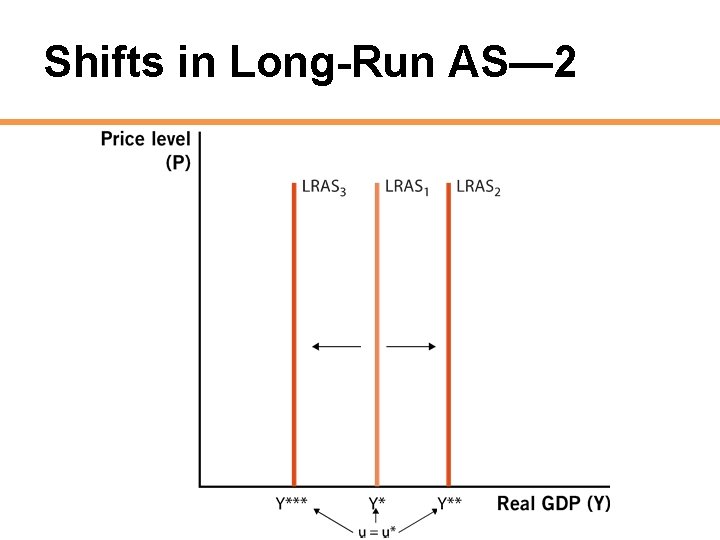
Long-Run Aggregate Supply • The long-run output of an economy depends on resources, technology, and institutions. – It is not affected by the price level. • In the long-run, the economy moves toward full-employment output (Y*). – The level of output produced when an economy is at the natural rate of unemployment (u*).
The Long-Run Aggregate Supply Curve
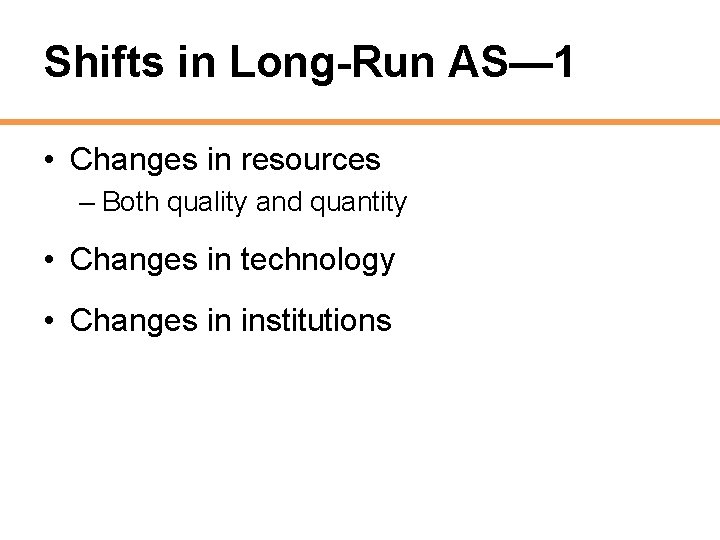
Shifts in Long-Run AS— 1 • Changes in resources – Both quality and quantity • Changes in technology • Changes in institutions
Shifts in Long-Run AS— 2
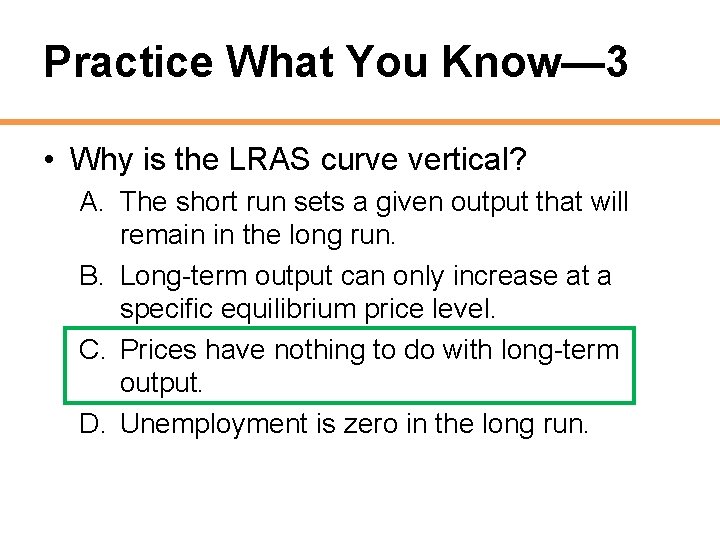
Practice What You Know— 3 • Why is the LRAS curve vertical? A. The short run sets a given output that will remain in the long run. B. Long-term output can only increase at a specific equilibrium price level. C. Prices have nothing to do with long-term output. D. Unemployment is zero in the long run.
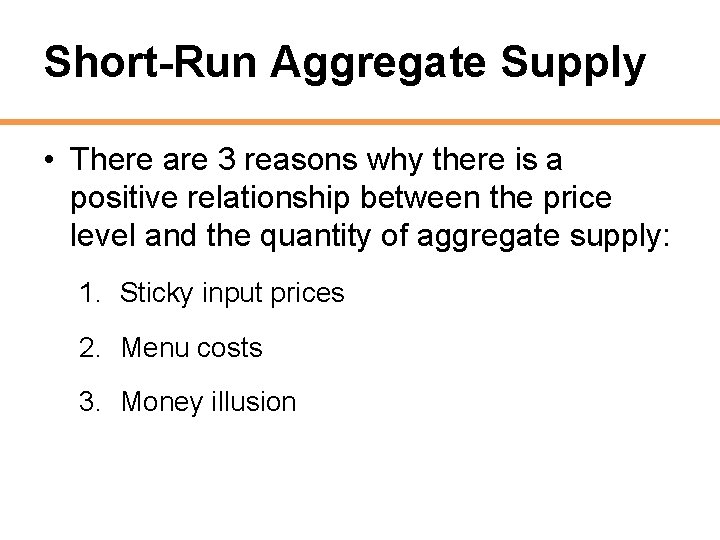
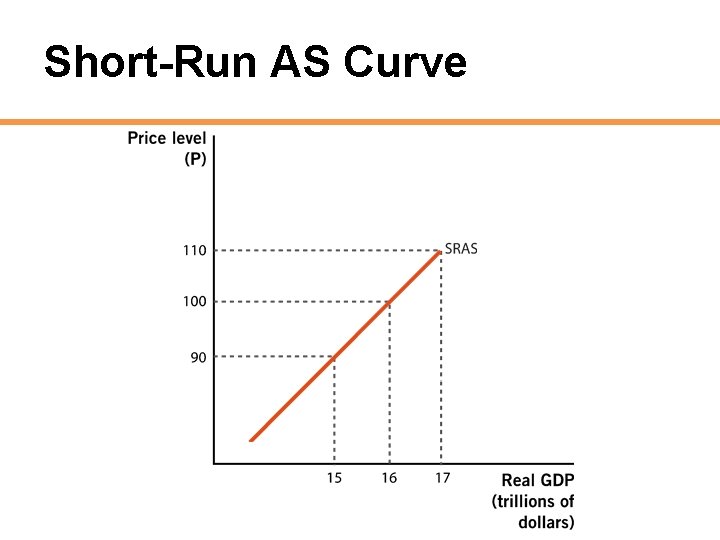
Short-Run Aggregate Supply • There are 3 reasons why there is a positive relationship between the price level and the quantity of aggregate supply: 1. Sticky input prices 2. Menu costs 3. Money illusion
Short-Run AS Curve
Sticky Input Prices • Resource prices – Tend to be sticky (not as flexible) • Output prices – More flexible, easier to change • A change in the aggregate price level (output prices) affects firm revenues – Costs stay the same
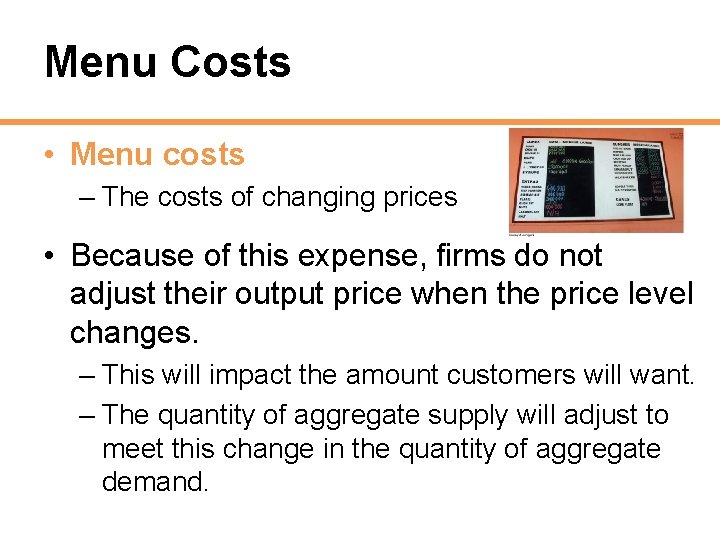
Menu Costs • Menu costs – The costs of changing prices • Because of this expense, firms do not adjust their output price when the price level changes. – This will impact the amount customers will want. – The quantity of aggregate supply will adjust to meet this change in the quantity of aggregate demand.
Money Illusion • Money illusion – Occurs when people interpret nominal changes in wages or prices as real changes • Workers are very reluctant to accept pay decreases, even if the pay decrease is nominal. – Firms will reduce output in response to decreases in the price level rather than cut wages.
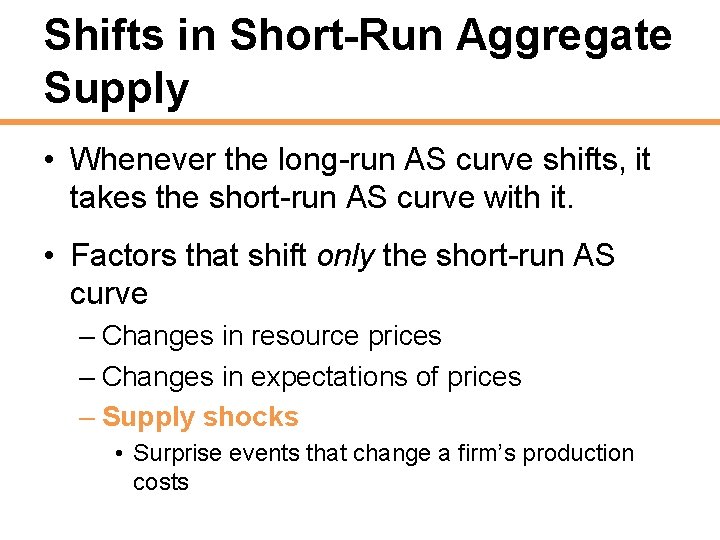
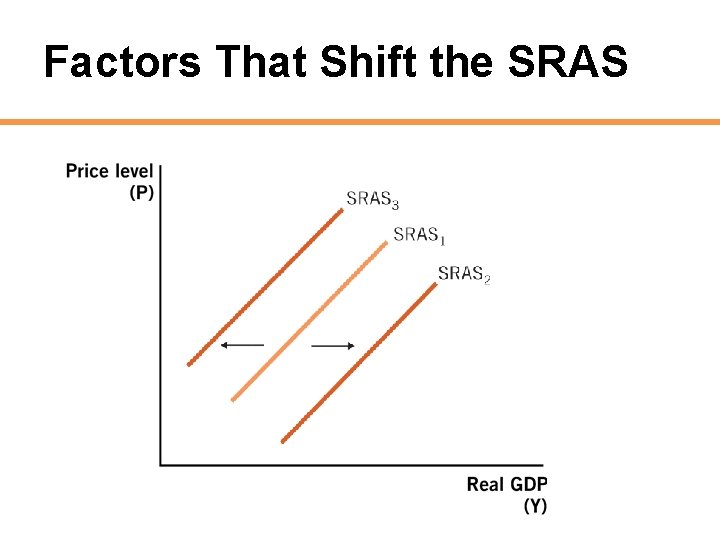
Shifts in Short-Run Aggregate Supply • Whenever the long-run AS curve shifts, it takes the short-run AS curve with it. • Factors that shift only the short-run AS curve – Changes in resource prices – Changes in expectations of prices – Supply shocks • Surprise events that change a firm’s production costs
Factors That Shift the SRAS
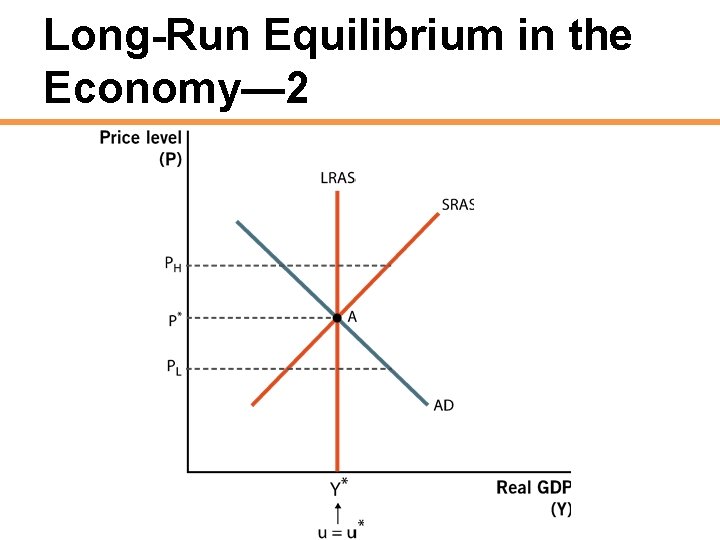
Long-Run Equilibrium in the Economy— 1 • Long-run equilibrium – The quantity of aggregate demand is equal to the quantity of aggregate supply. – The economy is at full employment. • The unemployment rate is equal to the natural rate. LRAS = SRAS = AD
Long-Run Equilibrium in the Economy— 2
Practice What You Know— 4 • With the AD-AS graph, what variable is on the vertical axis? A. B. C. D. national income the price of the good we are studying the price of labor the price level
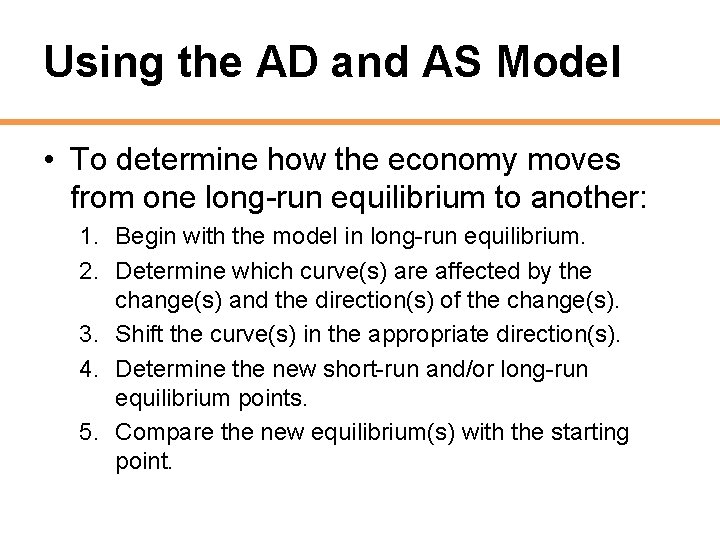
Using the AD and AS Model • To determine how the economy moves from one long-run equilibrium to another: 1. Begin with the model in long-run equilibrium. 2. Determine which curve(s) are affected by the change(s) and the direction(s) of the change(s). 3. Shift the curve(s) in the appropriate direction(s). 4. Determine the new short-run and/or long-run equilibrium points. 5. Compare the new equilibrium(s) with the starting point.
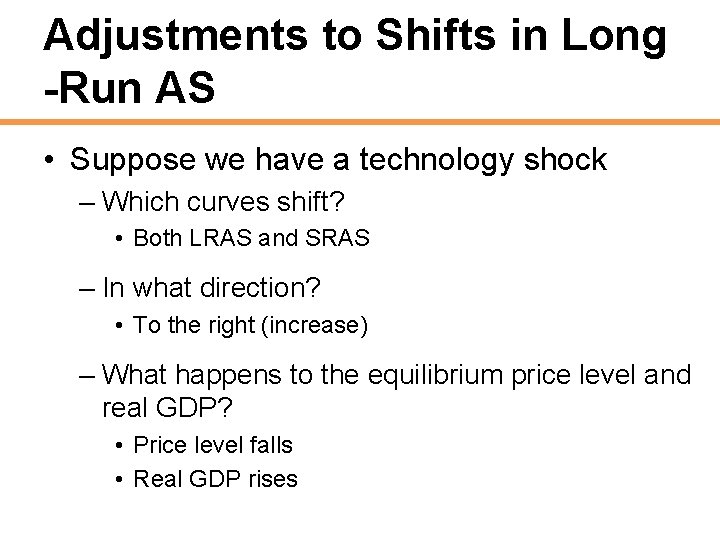
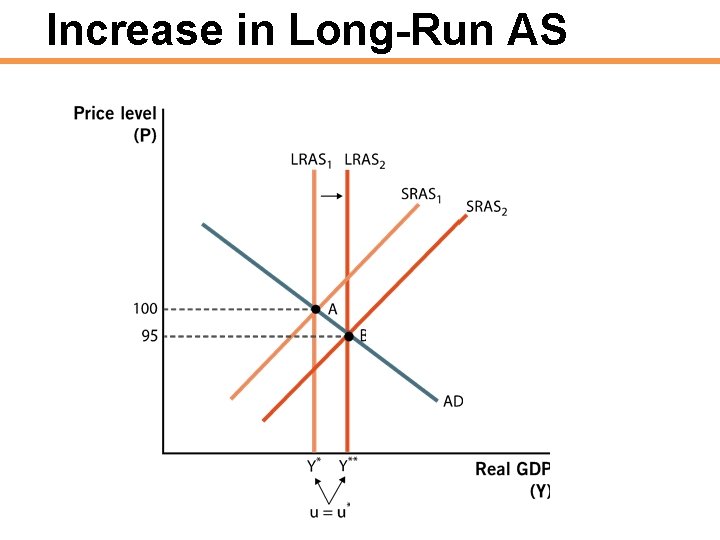
Adjustments to Shifts in Long -Run AS • Suppose we have a technology shock – Which curves shift? • Both LRAS and SRAS – In what direction? • To the right (increase) – What happens to the equilibrium price level and real GDP? • Price level falls • Real GDP rises
Increase in Long-Run AS
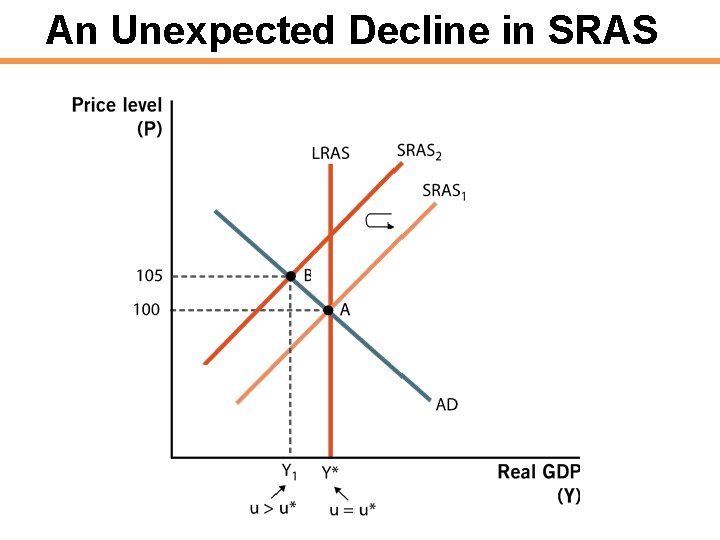
Adjustments to Shifts in Short -Run AS— 1 • Suppose there is a short-run supply shock caused by an oil pipeline break – Which curves shift? • Just SRAS – In what direction? • To the left (decrease) – What happens to the equilibrium price level and real GDP in the short run? • Price level rises • Real GDP falls
Adjustments to Shifts in Short -Run AS— 2 • Is that the end of the story? – We are not in long-run equilibrium any longer. – Unemployment rate > u* • Because the supply shock is temporary, eventually the SRAS will shift back to the right again. – Price level, real GDP, and unemployment all return to original levels.
An Unexpected Decline in SRAS
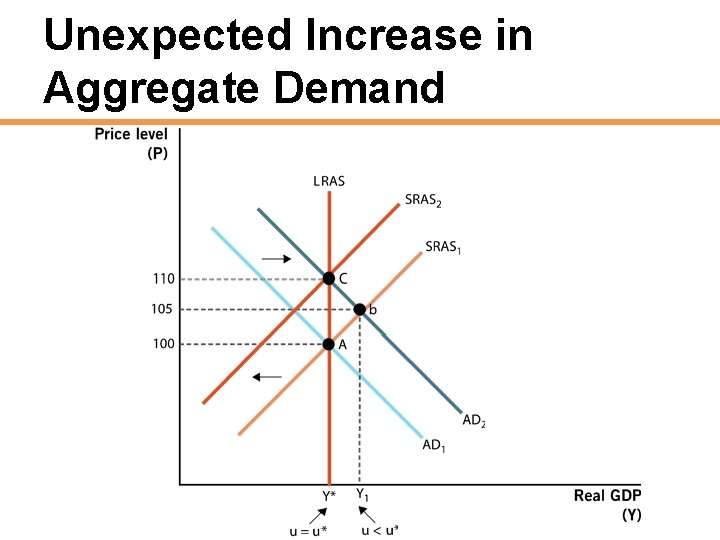
Adjustments to Shifts in AD— 1 • Suppose that consumer confidence rises and people start spending more – Which curves shift? • AD – What direction? • To the right (increase) – What happens to the equilibrium price level and real GDP in the short run? • Price level rises • Real GDP rises
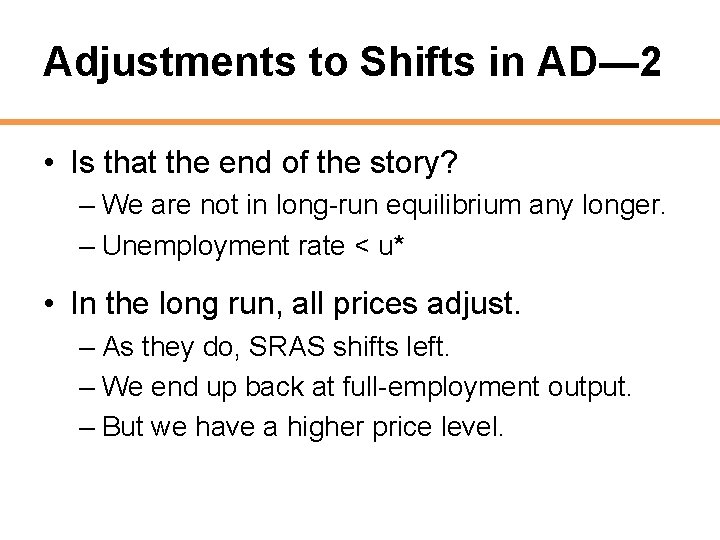
Adjustments to Shifts in AD— 2 • Is that the end of the story? – We are not in long-run equilibrium any longer. – Unemployment rate < u* • In the long run, all prices adjust. – As they do, SRAS shifts left. – We end up back at full-employment output. – But we have a higher price level.
Unexpected Increase in Aggregate Demand
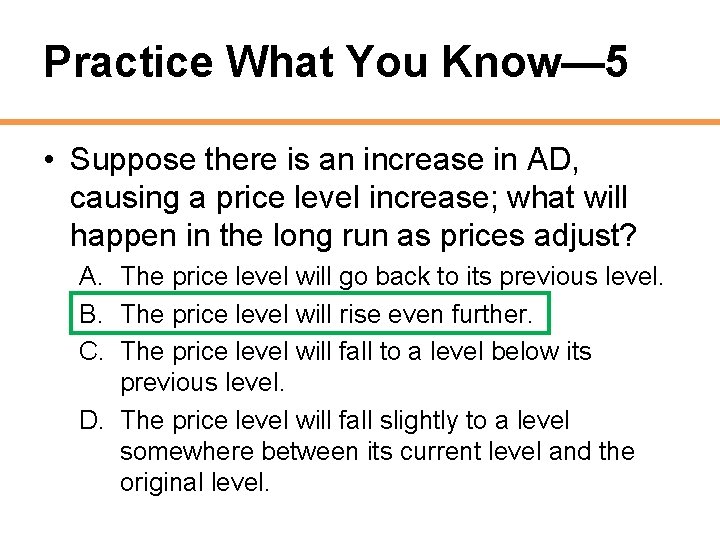
Practice What You Know— 5 • Suppose there is an increase in AD, causing a price level increase; what will happen in the long run as prices adjust? A. The price level will go back to its previous level. B. The price level will rise even further. C. The price level will fall to a level below its previous level. D. The price level will fall slightly to a level somewhere between its current level and the original level.
Conclusion • Recessions are unpredictable and can be caused by a variety of factors. • The AD-AS model helps us understand the macroeconomic impacts of real world changes. • We can use the AD-AS model to evaluate past recessions or analyze policy remedies to these events.