
13 4 NOTES Petroleum and Chemical Bonding Petroleum
13. 4 – NOTES Petroleum and Chemical Bonding
• Petroleum Refining • Crude oil is a mixture of many components, refining does not separate each compound • Refining produces several distinct mixtures • Fractions • Distinctive mixtures produced by large scale refining • Range of properties in each mixture • Fractions will have distinct uses
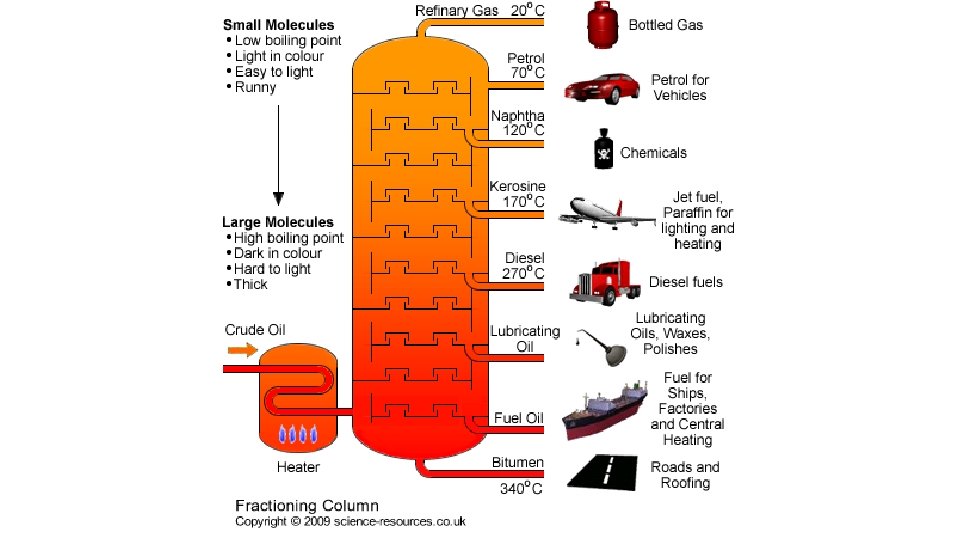
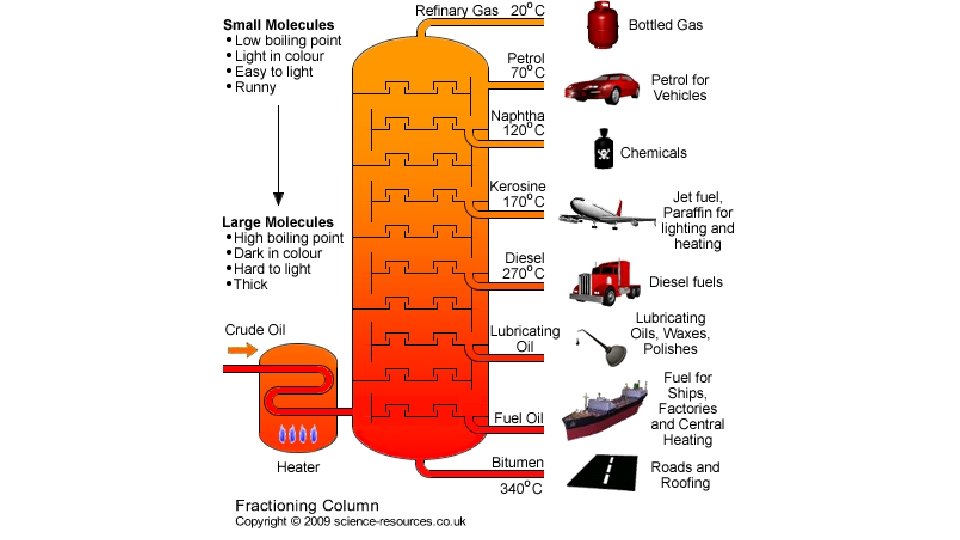
• Fractional distillation • Process of refining crude oil • Very tall columns • Vaporized molecules continue upwards in column • The higher it gets, more molecules condense as the temperature cools • At the top, only the very lightest molecules remain a vapor • Heavy molecules stay at the bottom of the column, as temperatures cannot get high enough to boil. They are called bottoms

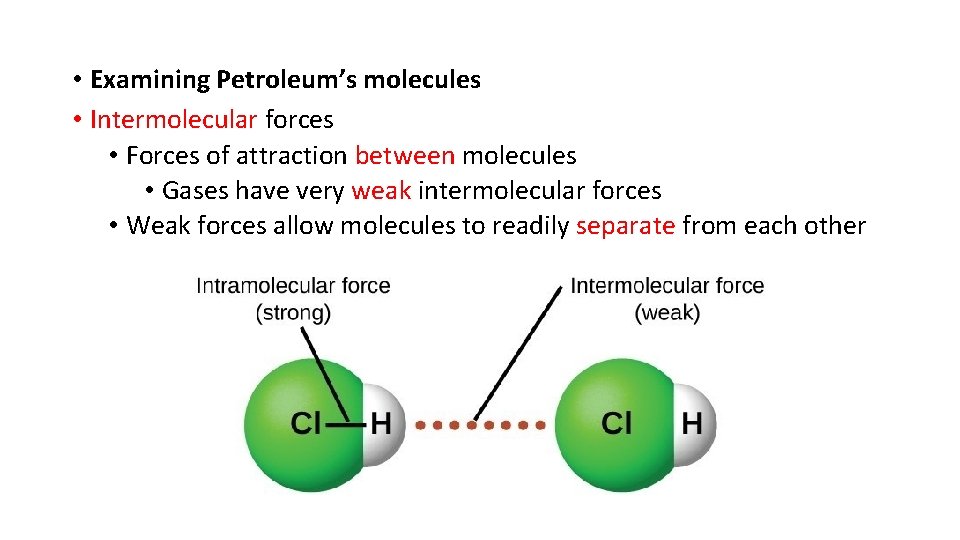
• Examining Petroleum’s molecules • Intermolecular forces • Forces of attraction between molecules • Gases have very weak intermolecular forces • Weak forces allow molecules to readily separate from each other
• Gas fractions contain compounds with low boiling points (<40 C) • 1 -4 carbons • only slight molecular attractions • Found at the top of column • •
• Liquid fractions • Boiling points between 40 and 370 • Middle of column • 5 -20 carbons • Medium strength intermolecular forces
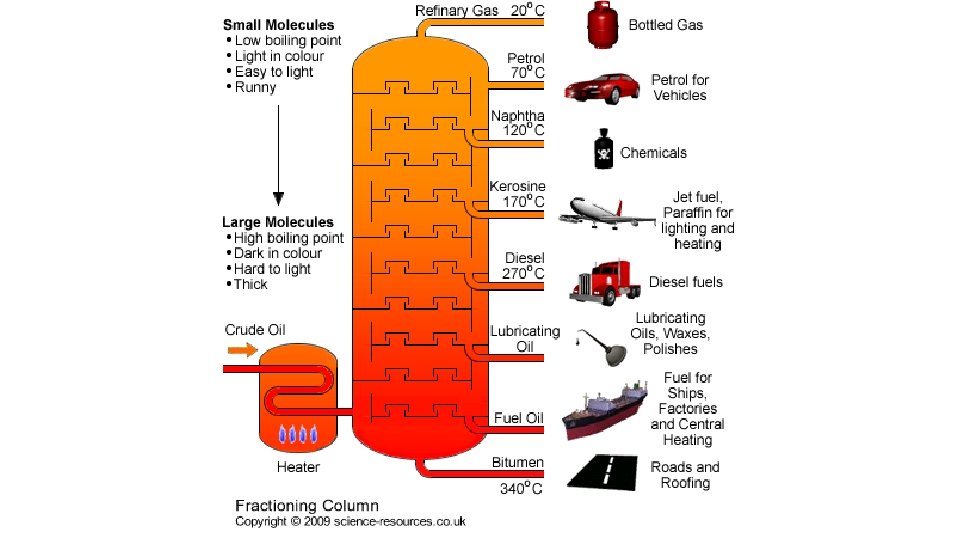
• Bottoms • Boiling points greater than 370 • Very greasy, do not vaporize • Strongest intermolecular forces • Chains of 21+ carbons
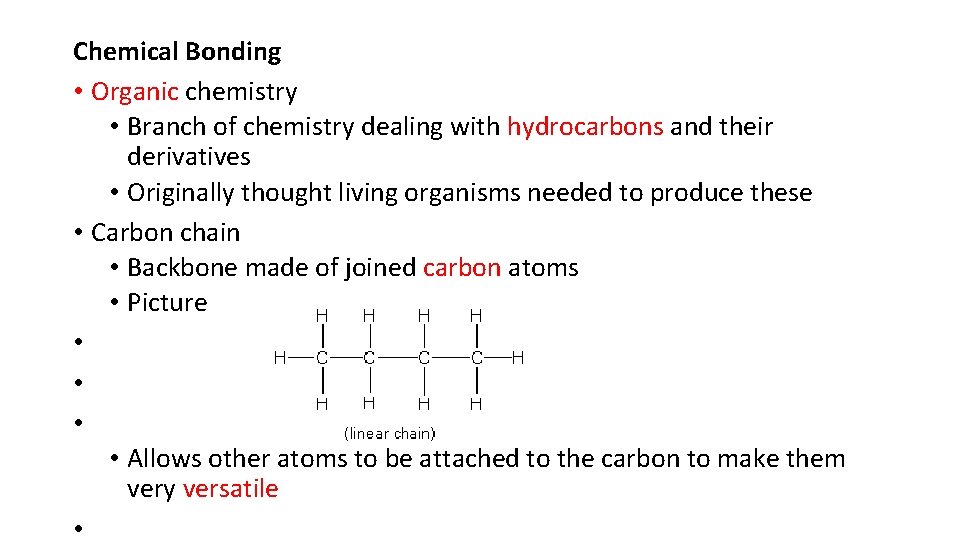
Chemical Bonding • Organic chemistry • Branch of chemistry dealing with hydrocarbons and their derivatives • Originally thought living organisms needed to produce these • Carbon chain • Backbone made of joined carbon atoms • Picture • • Allows other atoms to be attached to the carbon to make them very versatile •
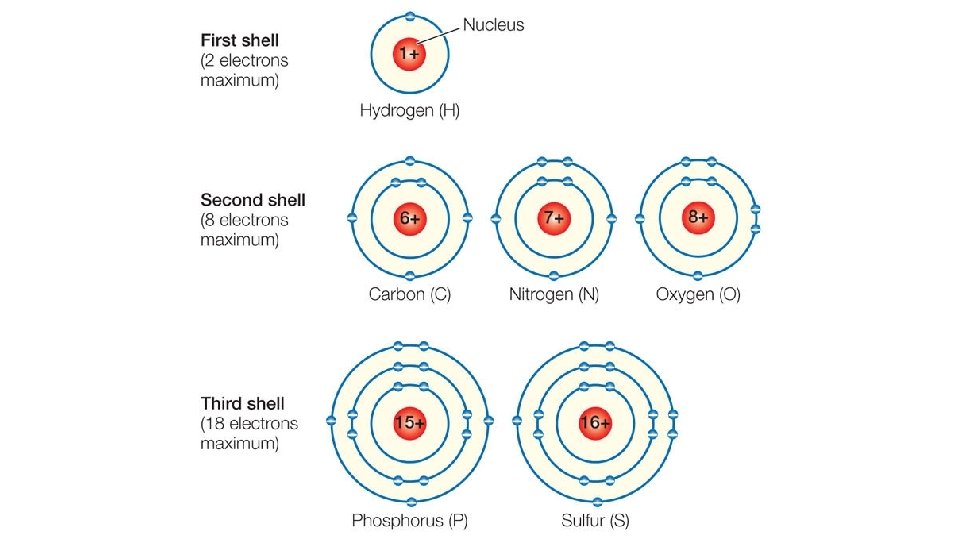
• Electron shells or energy levels • Electrons live in separate energy levels in the space surrounding the nucleus • Shells can only hold a certain number of electrons • Electrons must fill the inner shells before they fill the outer shells • Reactivity has to do with the number of electrons in the outer shell • Noble gases are unreactive due to having their outer shells filled with electrons; filled electron shells are stable •

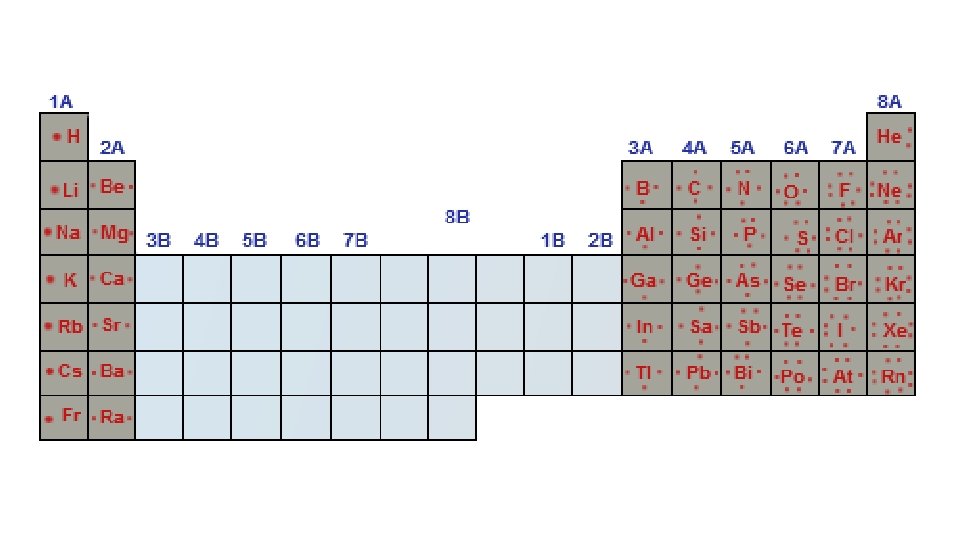
• Covalent bonds • Valence electrons • Electrons in unfilled, outer shell • Only electrons that participate in bonding • • Covalent bond • Sharing of 2 or more valence electrons equally to provide a filled outer shell • Three types • Can have multiple types of bonds coming off of one atom, as long as there is a total of four bonds •
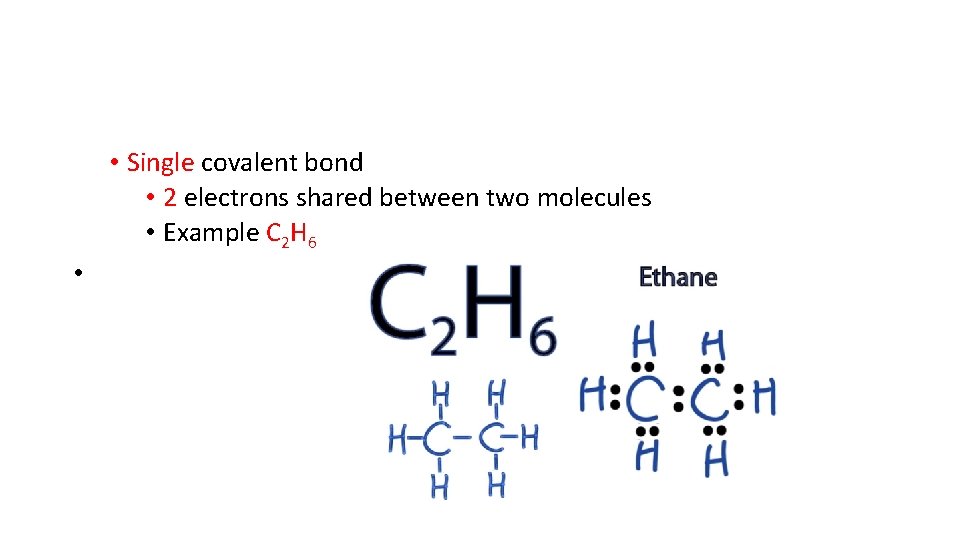
• Single covalent bond • 2 electrons shared between two molecules • Example C 2 H 6 •
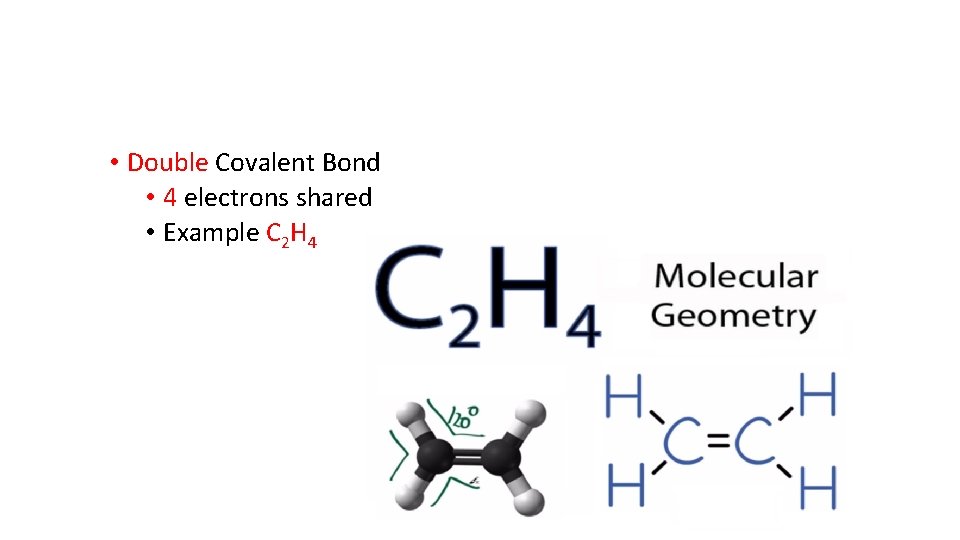
• Double Covalent Bond • 4 electrons shared • Example C 2 H 4
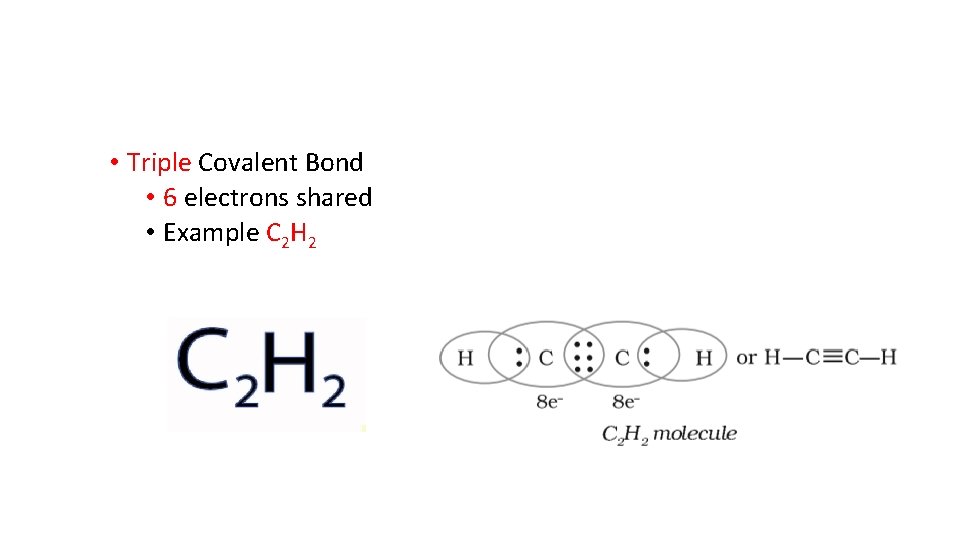
• Triple Covalent Bond • 6 electrons shared • Example C 2 H 2
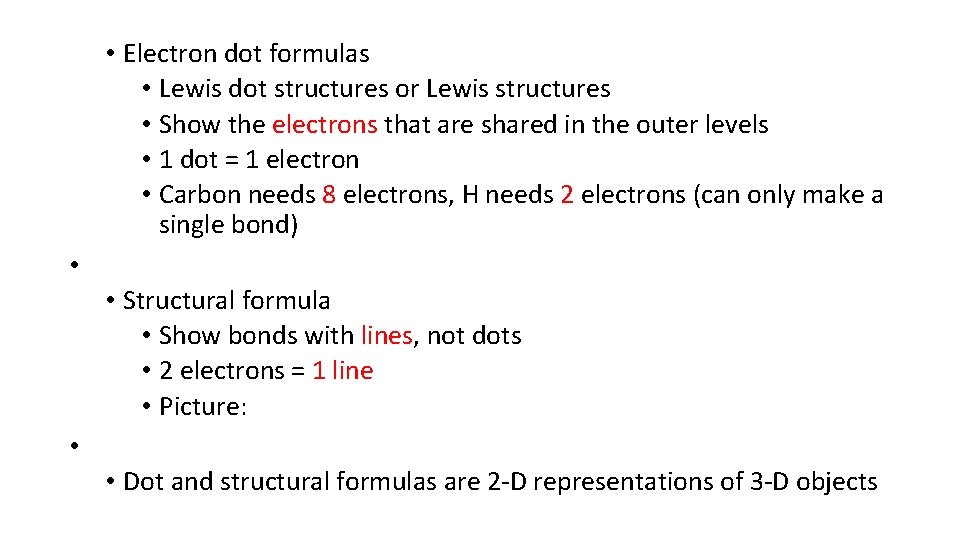
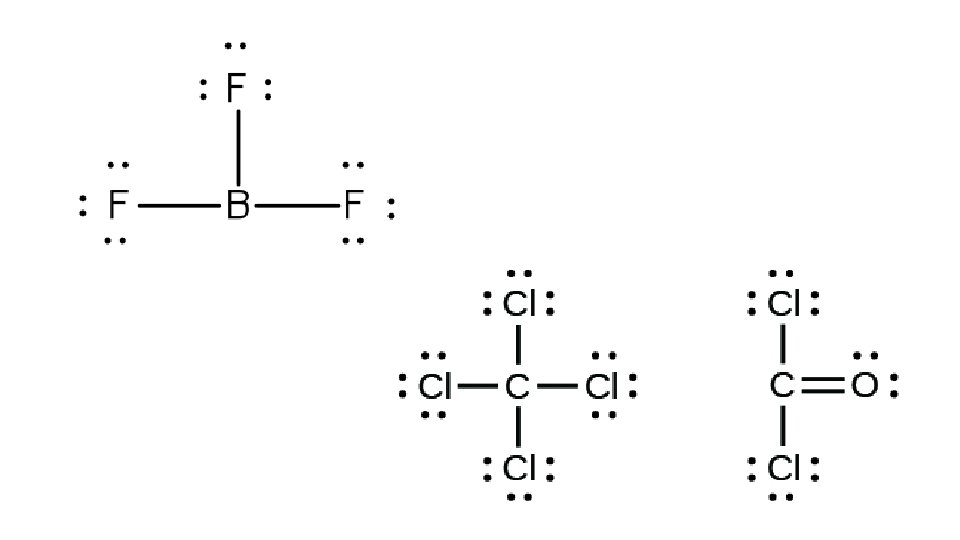
• Electron dot formulas • Lewis dot structures or Lewis structures • Show the electrons that are shared in the outer levels • 1 dot = 1 electron • Carbon needs 8 electrons, H needs 2 electrons (can only make a single bond) • • Structural formula • Show bonds with lines, not dots • 2 electrons = 1 line • Picture: • • Dot and structural formulas are 2 -D representations of 3 -D objects
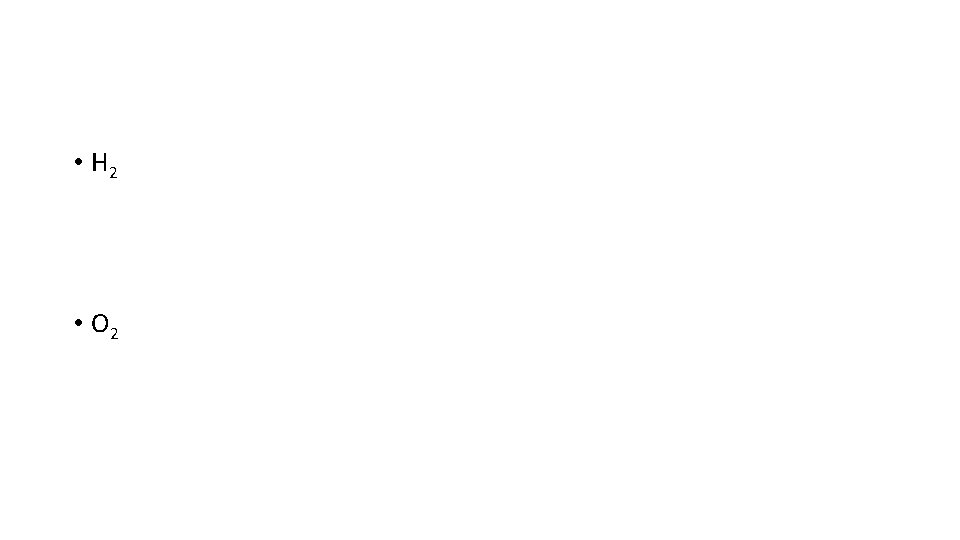
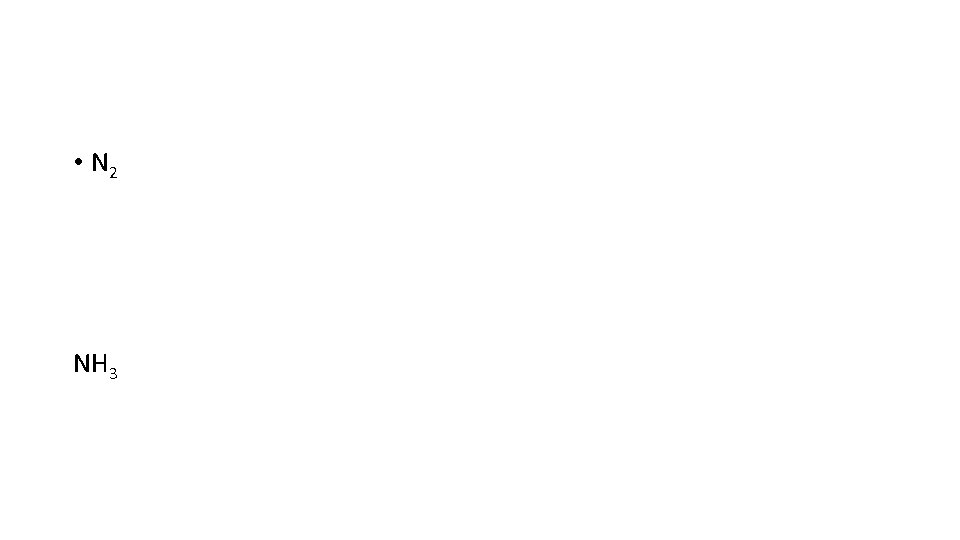
• N 2 NH 3

- Slides: 25