
12272021 Outline Chapter 2 The Cognitive Science Approach


- Slides: 42
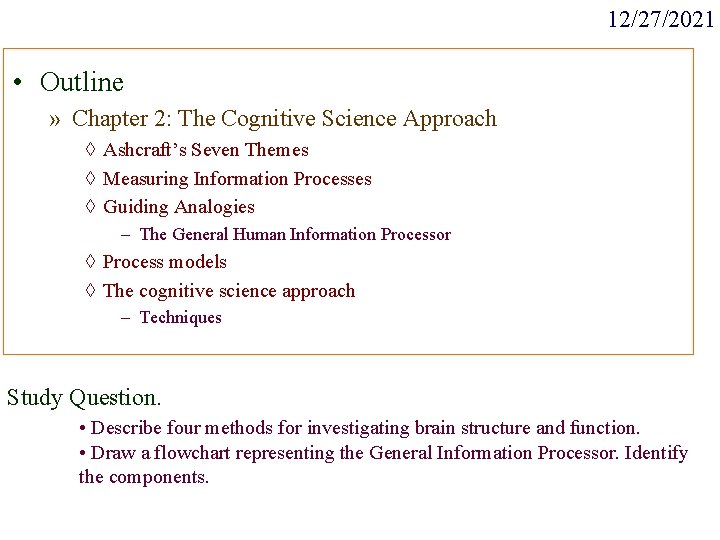
12/27/2021 • Outline » Chapter 2: The Cognitive Science Approach ◊ Ashcraft’s Seven Themes ◊ Measuring Information Processes ◊ Guiding Analogies – The General Human Information Processor ◊ Process models ◊ The cognitive science approach – Techniques Study Question. • Describe four methods for investigating brain structure and function. • Draw a flowchart representing the General Information Processor. Identify the components.
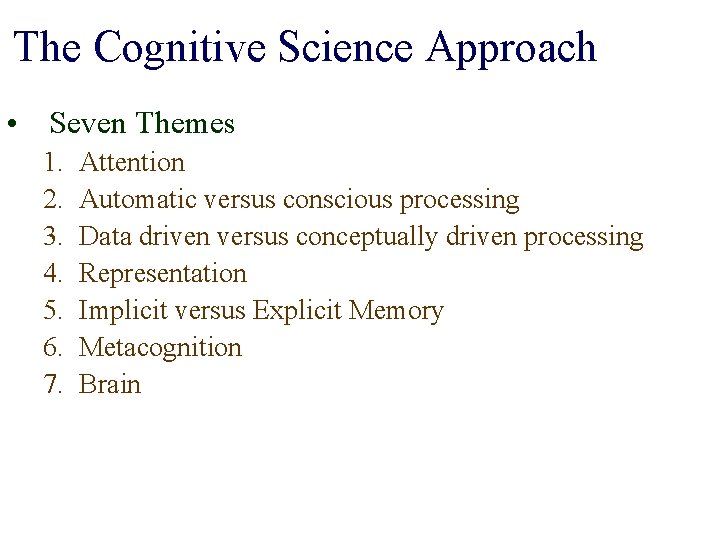
The Cognitive Science Approach • Seven Themes 1. 2. 3. 4. 5. 6. 7. Attention Automatic versus conscious processing Data driven versus conceptually driven processing Representation Implicit versus Explicit Memory Metacognition Brain
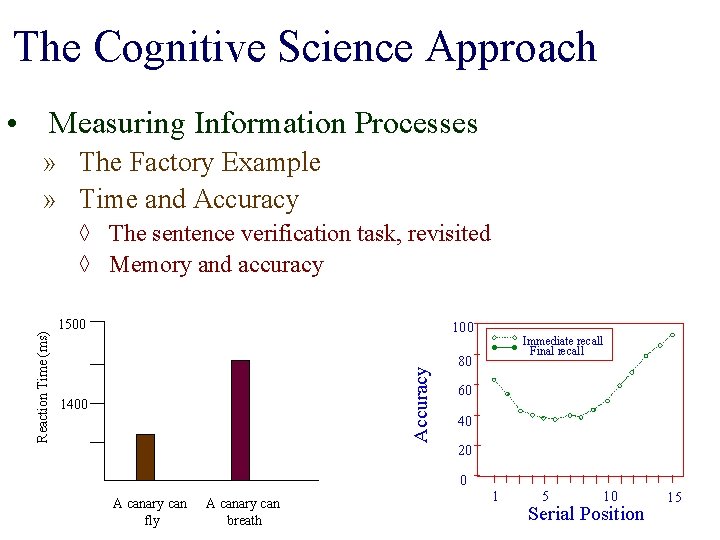
The Cognitive Science Approach • Measuring Information Processes » The Factory Example » Time and Accuracy 1500 100 Accuracy Reaction Time (ms) ◊ The sentence verification task, revisited ◊ Memory and accuracy 1400 80 60 40 20 0 A canary can fly A canary can breath Immediate recall Final recall 1 5 10 Serial Position 15
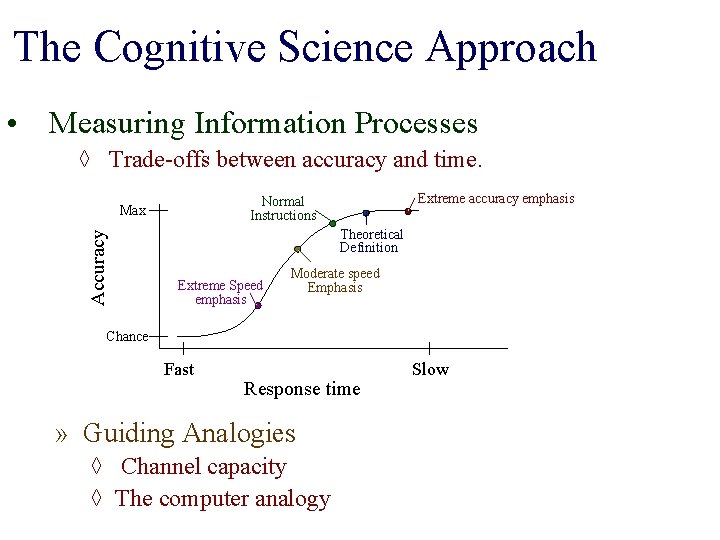
The Cognitive Science Approach • Measuring Information Processes ◊ Trade-offs between accuracy and time. Accuracy Extreme accuracy emphasis Normal Instructions Max Theoretical Definition Extreme Speed emphasis Moderate speed Emphasis Chance Fast Response time » Guiding Analogies ◊ Channel capacity ◊ The computer analogy Slow
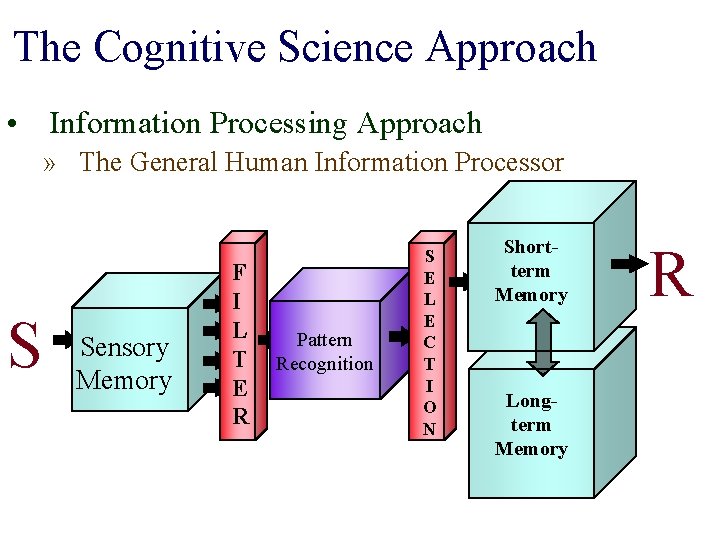
The Cognitive Science Approach • Information Processing Approach » The General Human Information Processor S Sensory Memory F I L T E R Pattern Recognition S E L E C T I O N Shortterm Memory Longterm Memory R
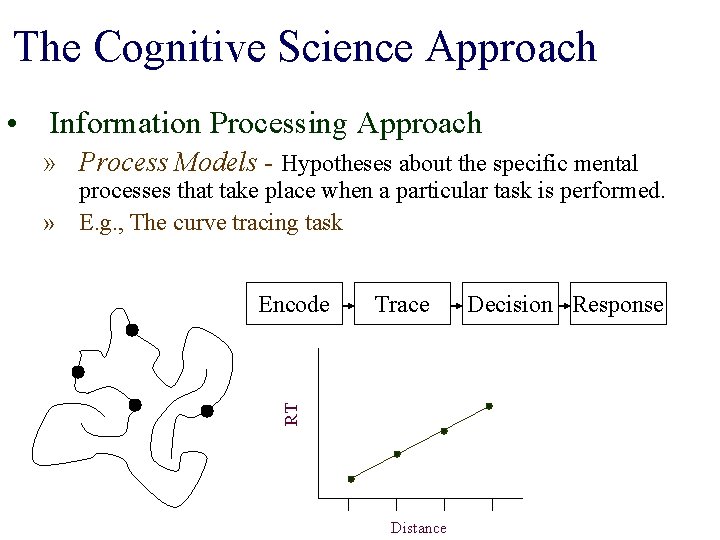
The Cognitive Science Approach • Information Processing Approach » Process Models - Hypotheses about the specific mental processes that take place when a particular task is performed. » E. g. , The curve tracing task Trace RT Encode Distance Decision Response
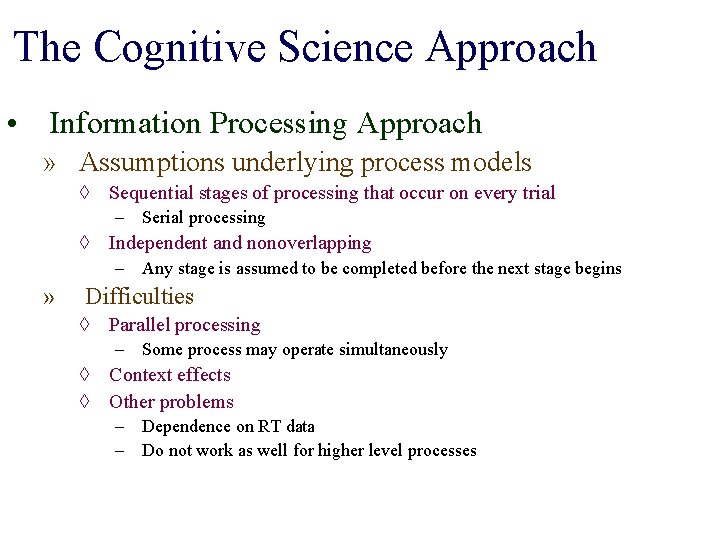
The Cognitive Science Approach • Information Processing Approach » Assumptions underlying process models ◊ Sequential stages of processing that occur on every trial – Serial processing ◊ Independent and nonoverlapping – Any stage is assumed to be completed before the next stage begins » Difficulties ◊ Parallel processing – Some process may operate simultaneously ◊ Context effects ◊ Other problems – Dependence on RT data – Do not work as well for higher level processes
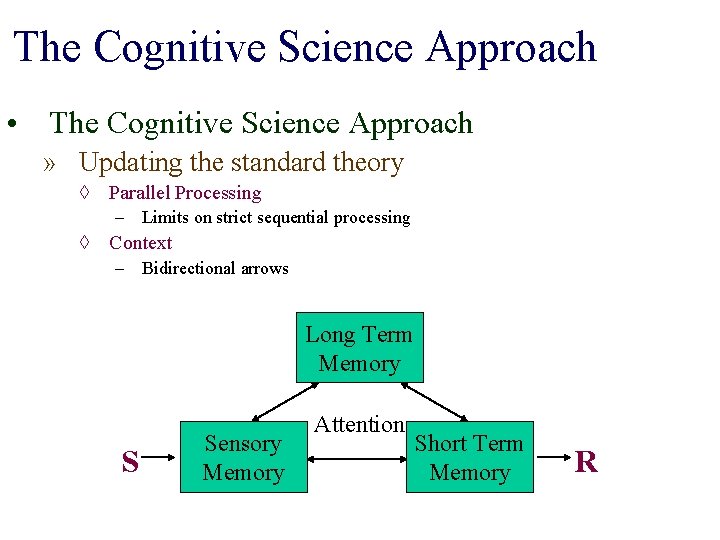
The Cognitive Science Approach • The Cognitive Science Approach » Updating the standard theory ◊ Parallel Processing – Limits on strict sequential processing ◊ Context – Bidirectional arrows Long Term Memory S Sensory Memory Attention Short Term Memory R
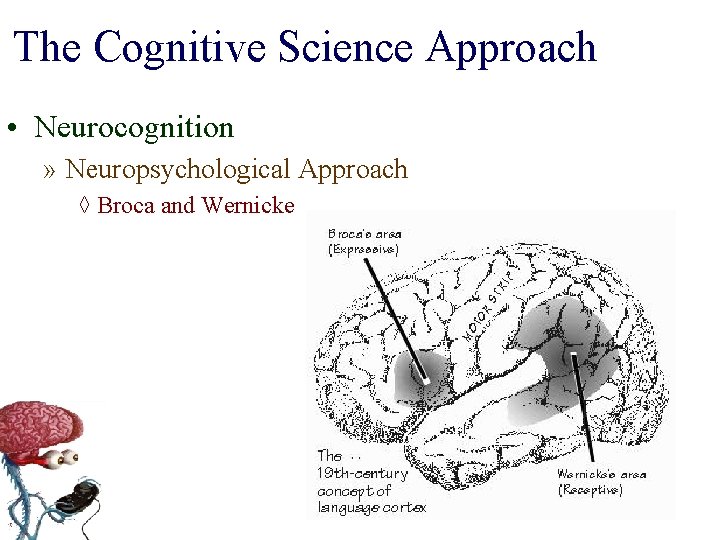
The Cognitive Science Approach • Neurocognition » Neuropsychological Approach ◊ Broca and Wernicke
The Cognitive Science Approach • Basic Neurology » Neurons
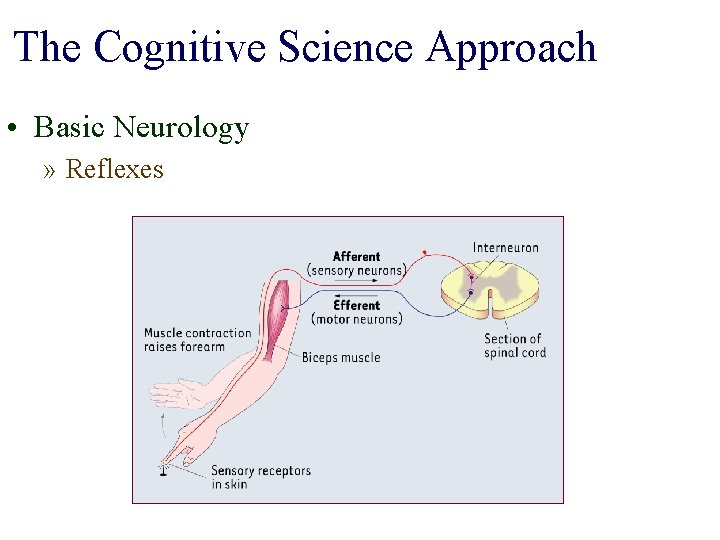
The Cognitive Science Approach • Basic Neurology » Reflexes
The Cognitive Science Approach • Basic Neurology » Synapses » Massive interconnectivity » Excitatory and inhibitory connections » Neurotransmitters
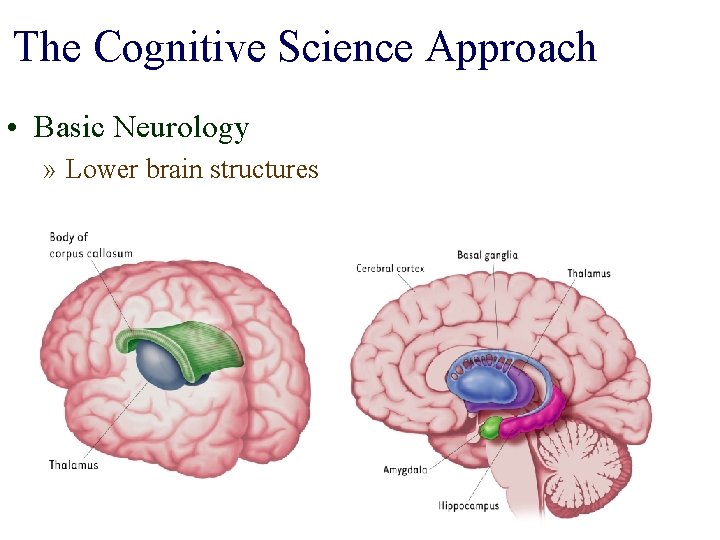
The Cognitive Science Approach • Basic Neurology » Lower brain structures
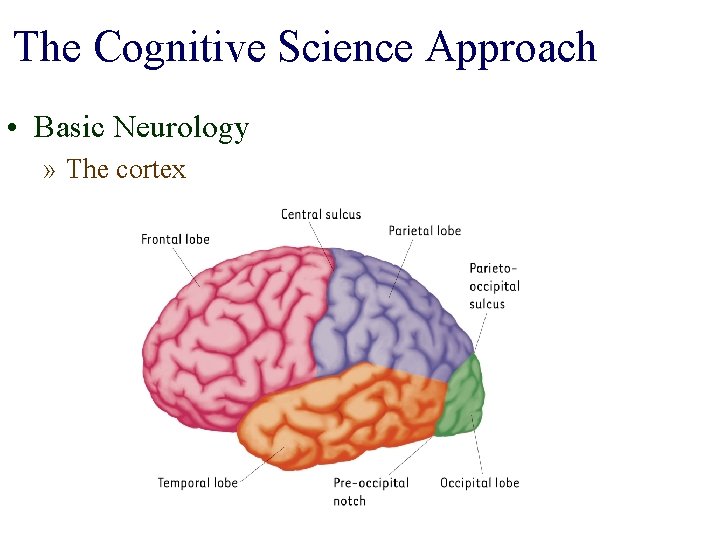
The Cognitive Science Approach • Basic Neurology » The cortex
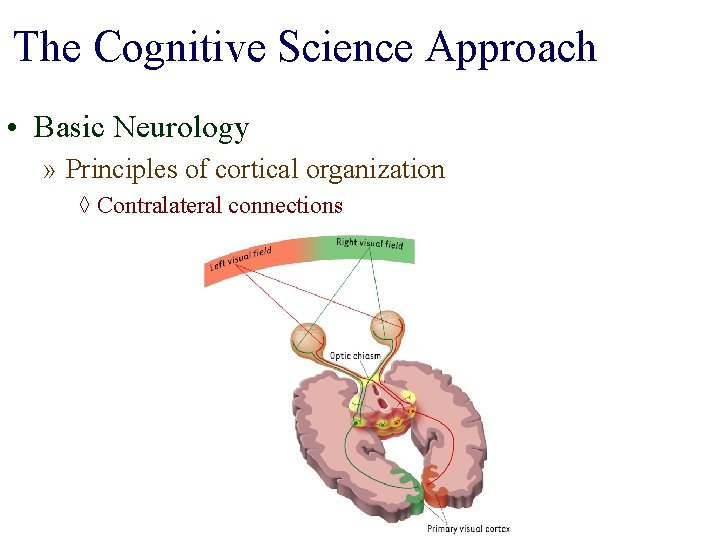
The Cognitive Science Approach • Basic Neurology » Principles of cortical organization ◊ Contralateral connections
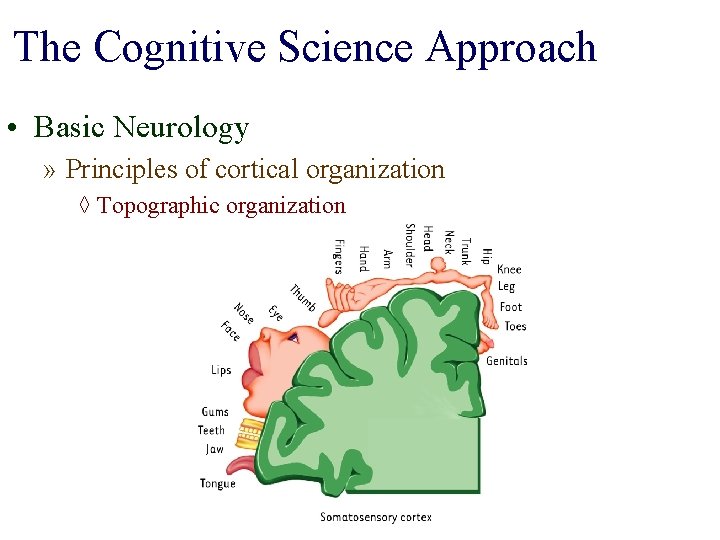
The Cognitive Science Approach • Basic Neurology » Principles of cortical organization ◊ Topographic organization
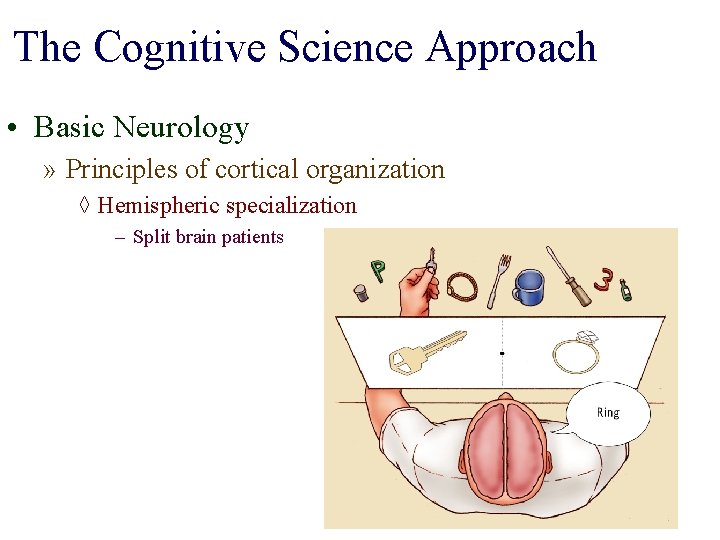
The Cognitive Science Approach • Basic Neurology » Principles of cortical organization ◊ Hemispheric specialization – Split brain patients
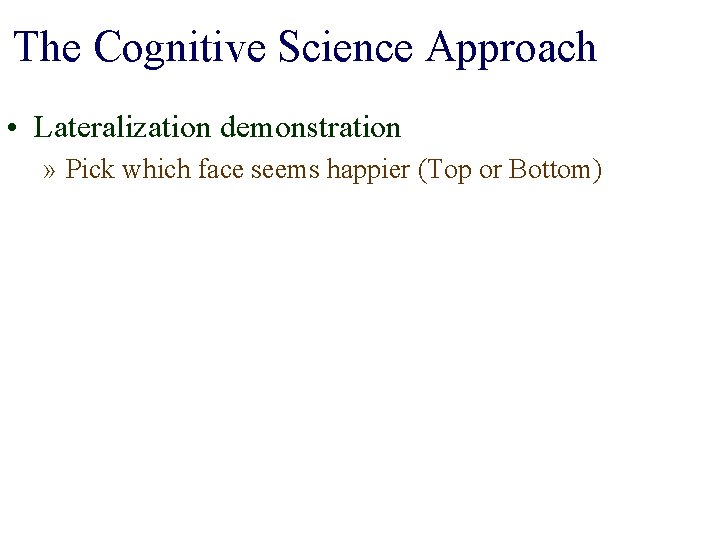
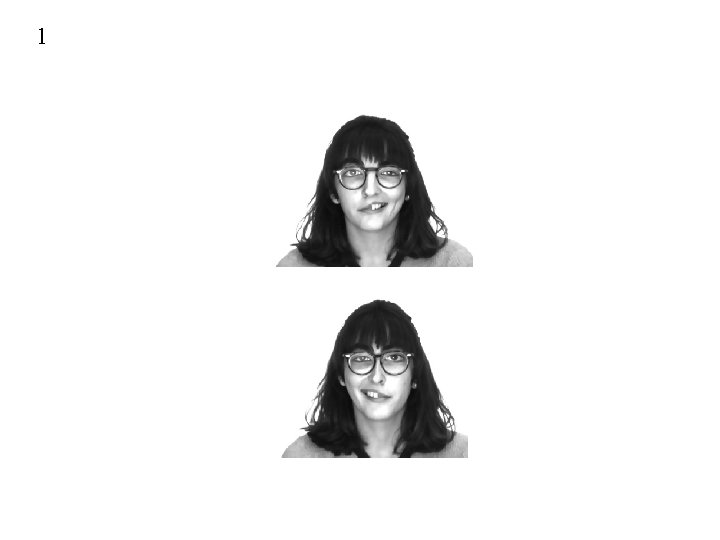
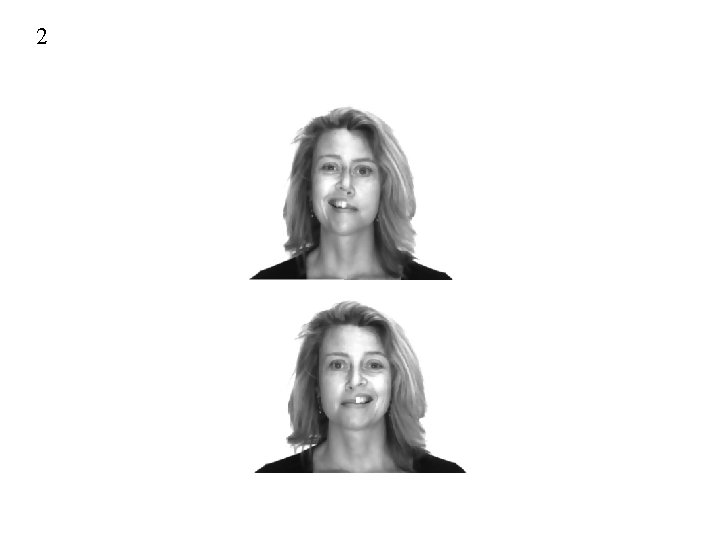
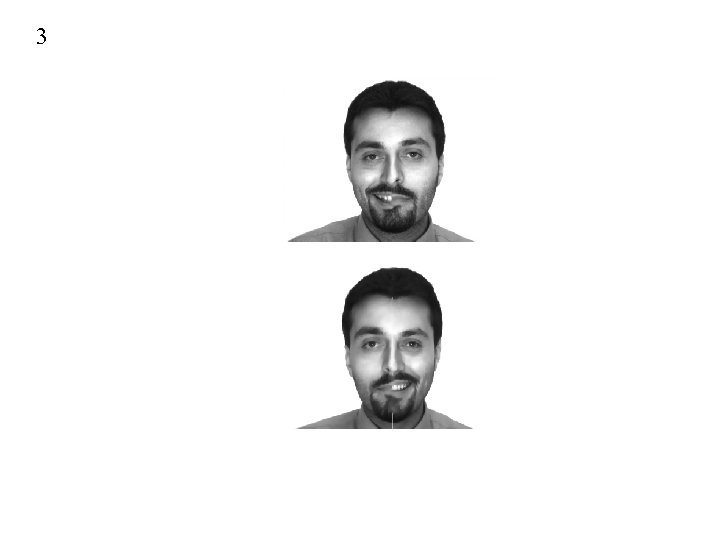
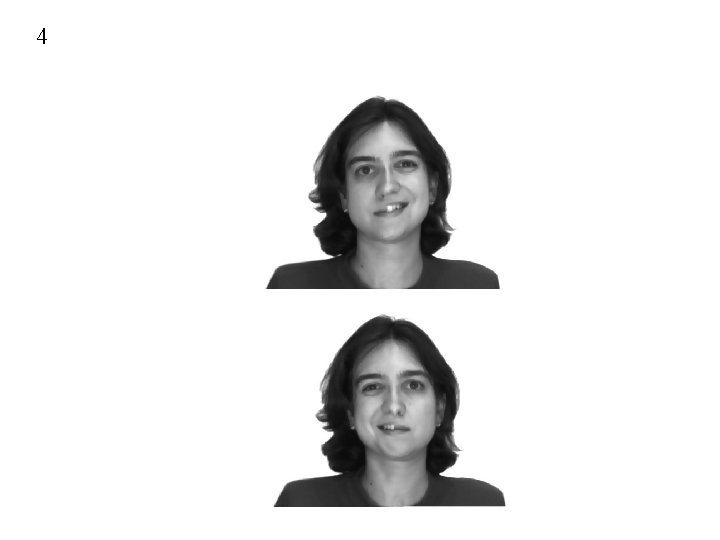
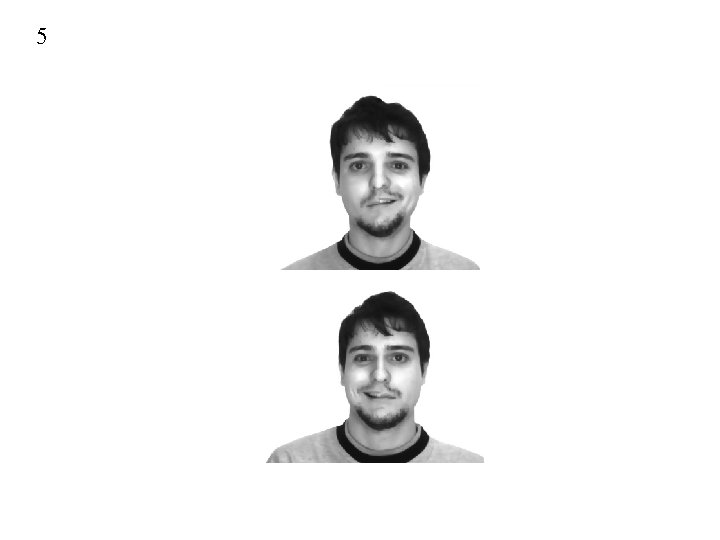
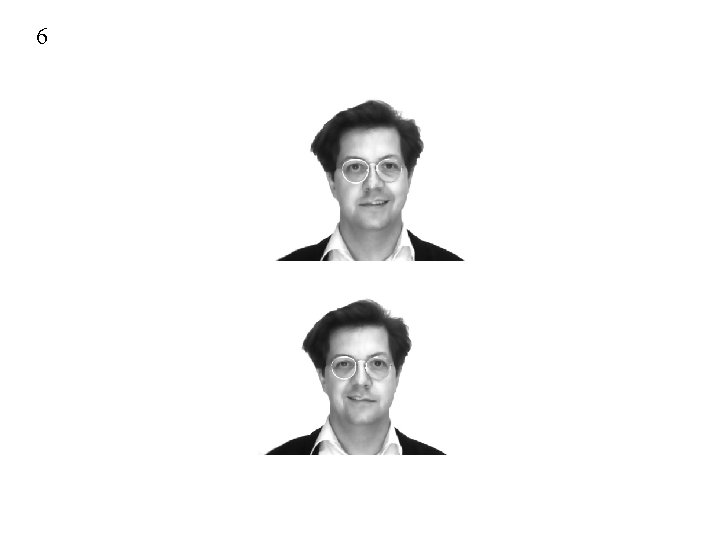
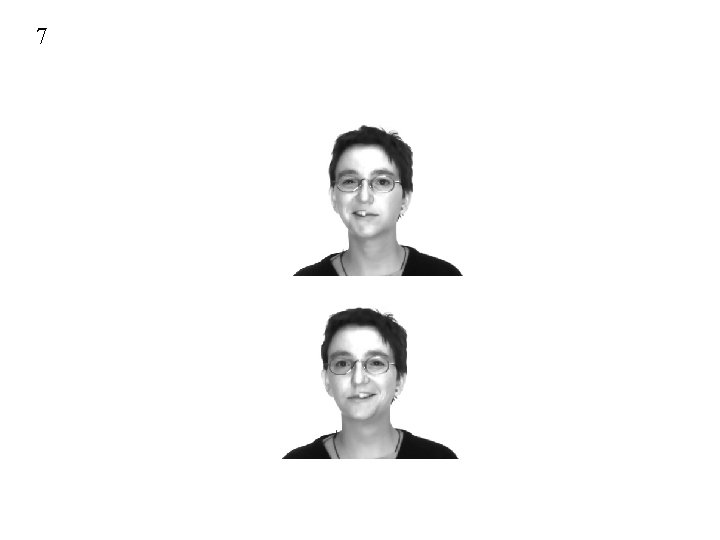
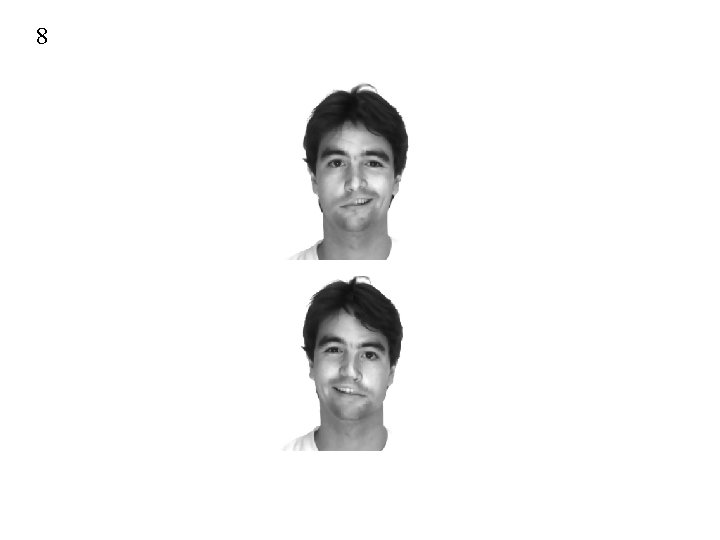
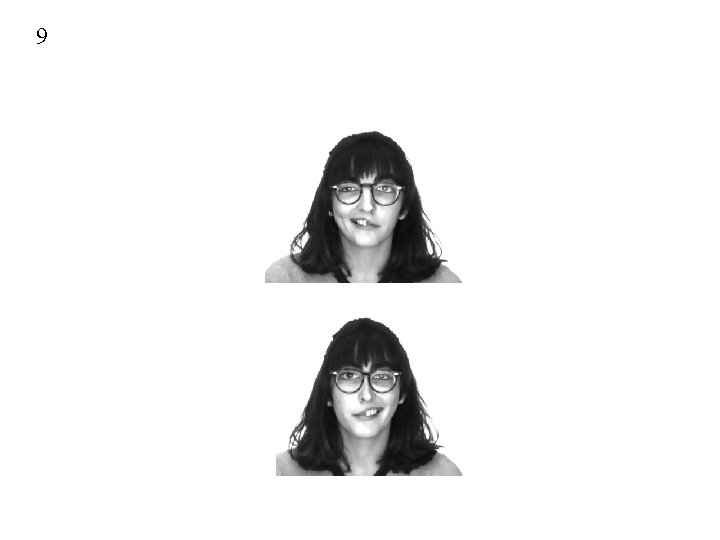
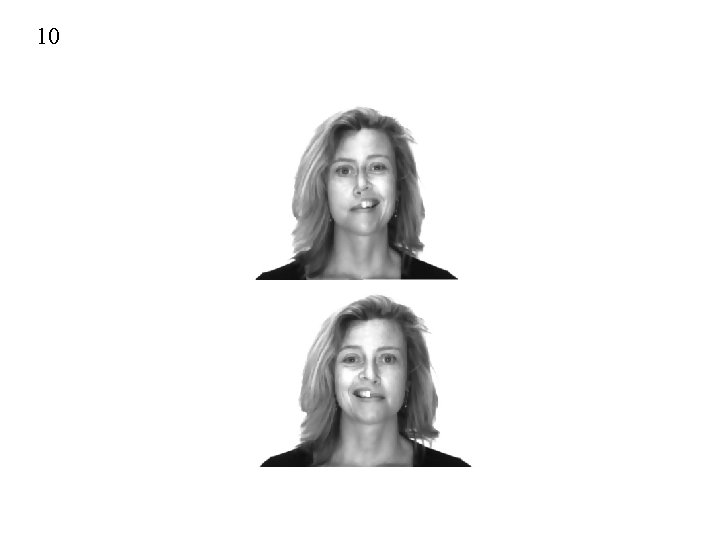
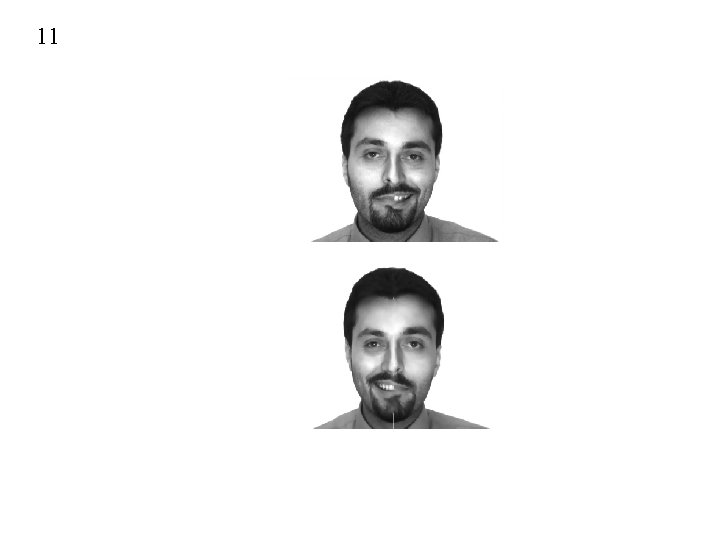
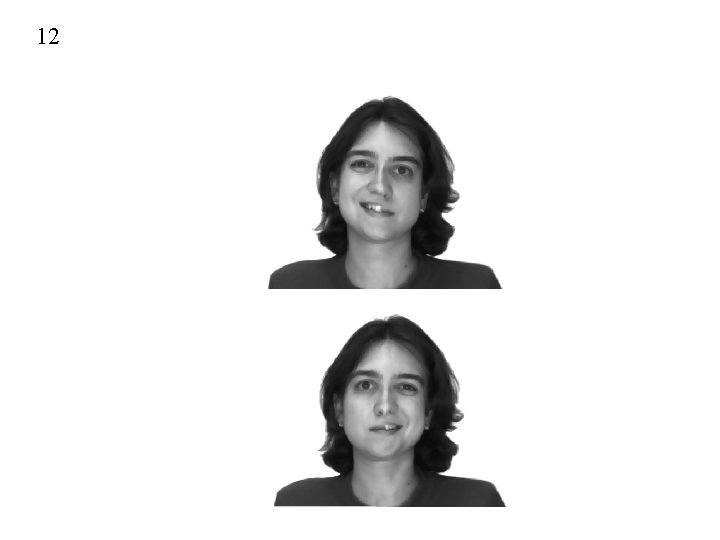
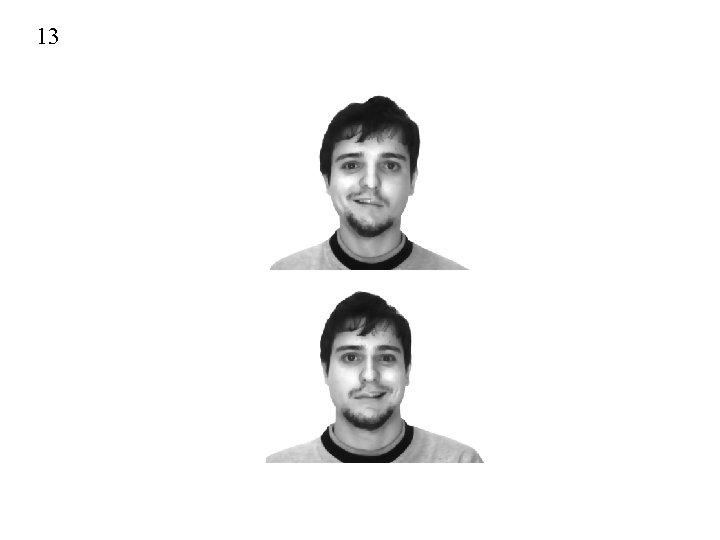
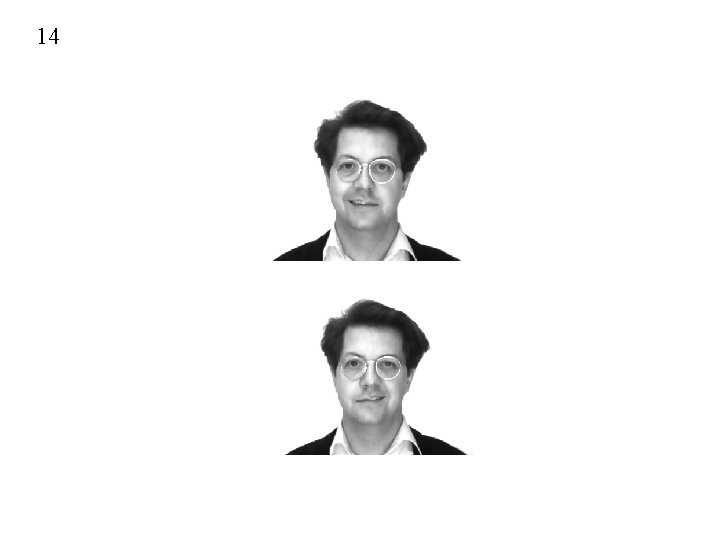
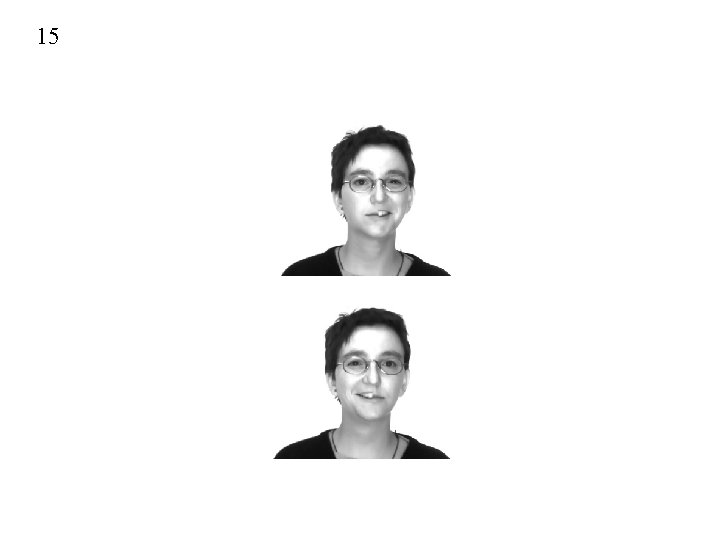
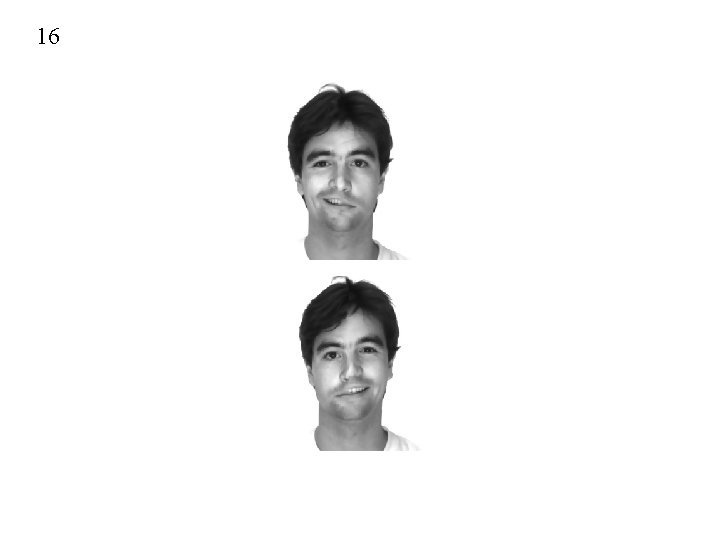
The Cognitive Science Approach • Lateralization demonstration » Pick which face seems happier (Top or Bottom)
1
2
3
4
5
6
7
8
9
10
11
12
13
14
15
16
The Cognitive Science Approach • Methods of investigation » Lesions ◊ Deliberate, surgical destruction of brain tissue – E. g. , Primate research on blindsight ◊ Incidental surgical destruction of brain tissue – E. g. , H. M. and the hippocampas » Direct stimulation ◊ Penfield’s procedure ◊ Direct stimulation in animal models
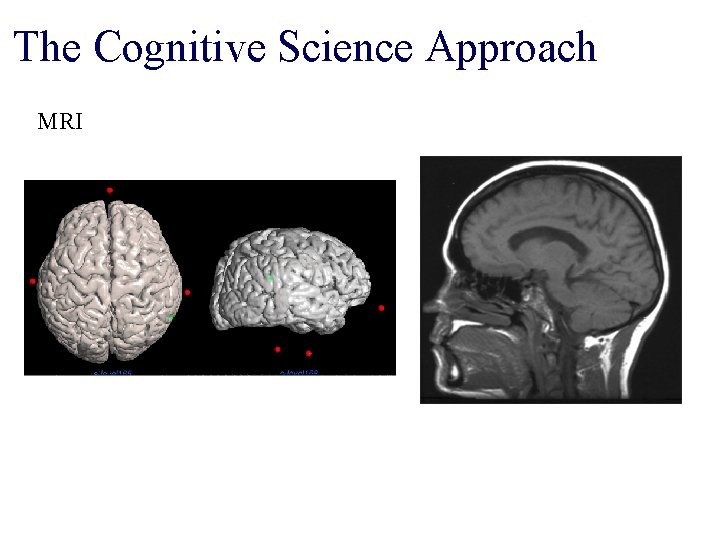
The Cognitive Science Approach • Methods of investigation » Recording ◊ Single cell recording – Hubel and Weisel Simple cells - edge detectors Complex cells - edges at particular angles Hypercomplex cells - angles and length ◊ Imaging – MRI
The Cognitive Science Approach MRI
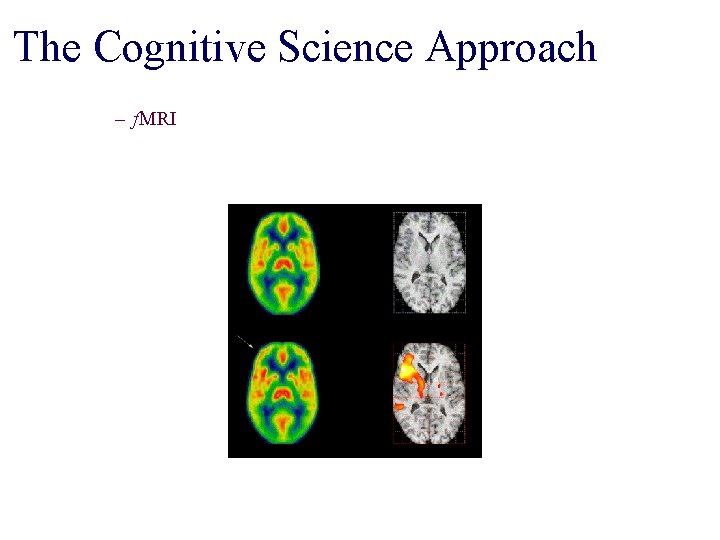
The Cognitive Science Approach – f. MRI
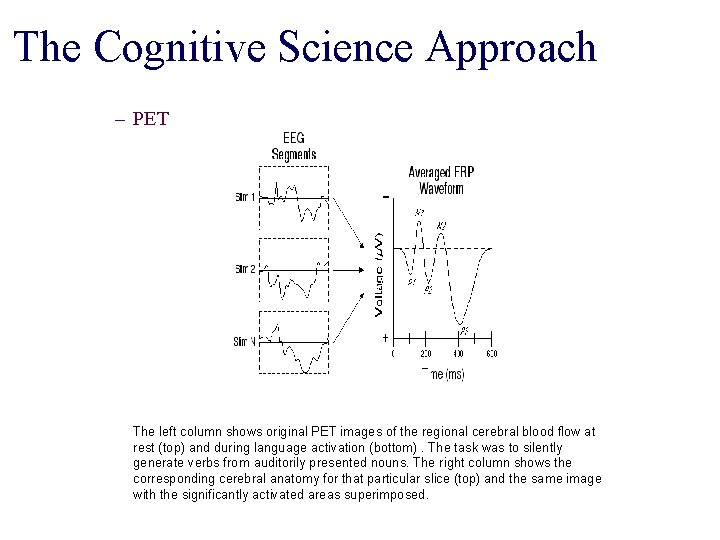
The Cognitive Science Approach – PET The left column shows original PET images of the regional cerebral blood flow at rest (top) and during language activation (bottom). The task was to silently generate verbs from auditorily presented nouns. The right column shows the corresponding cerebral anatomy for that particular slice (top) and the same image with the significantly activated areas superimposed.
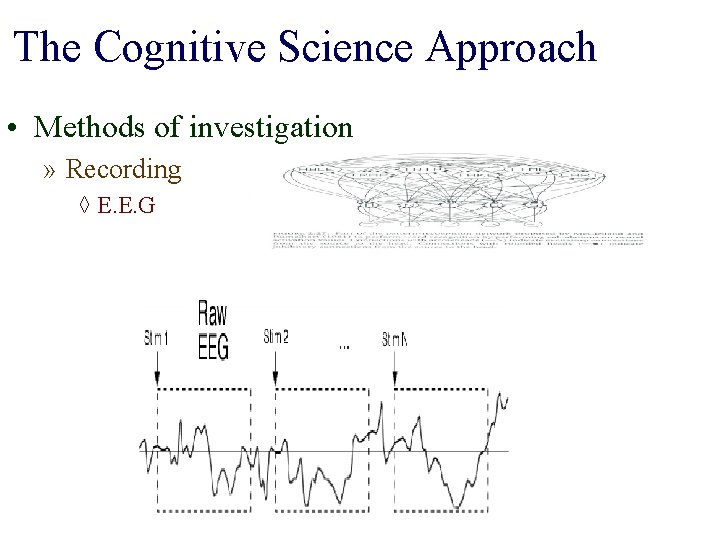
The Cognitive Science Approach • Methods of investigation » Recording ◊ E. E. G
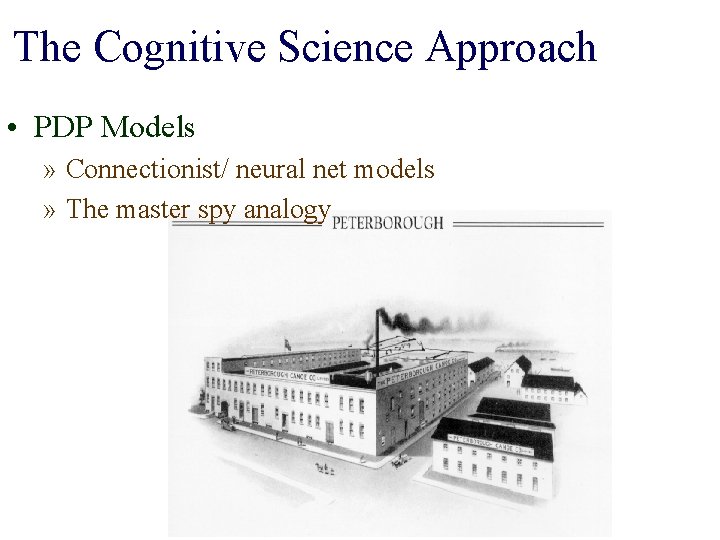
The Cognitive Science Approach • PDP Models » Connectionist/ neural net models » The master spy analogy