
12 2 Notes The Structure of DNA Watson
- Slides: 14
12. 2 Notes The Structure of DNA
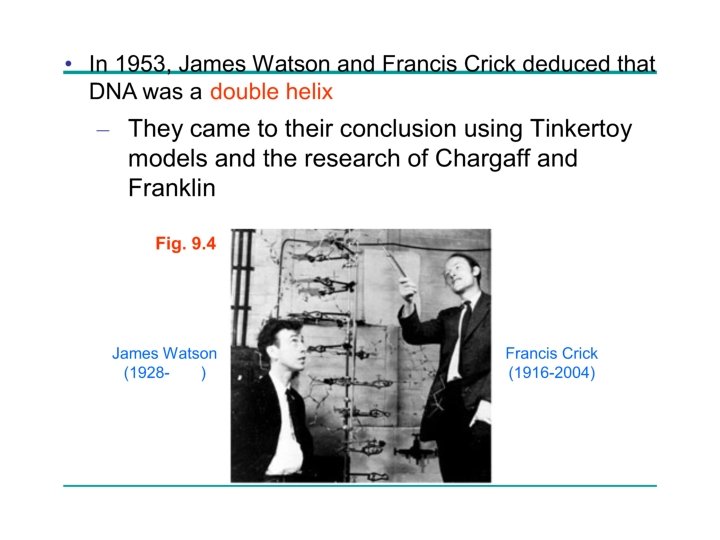
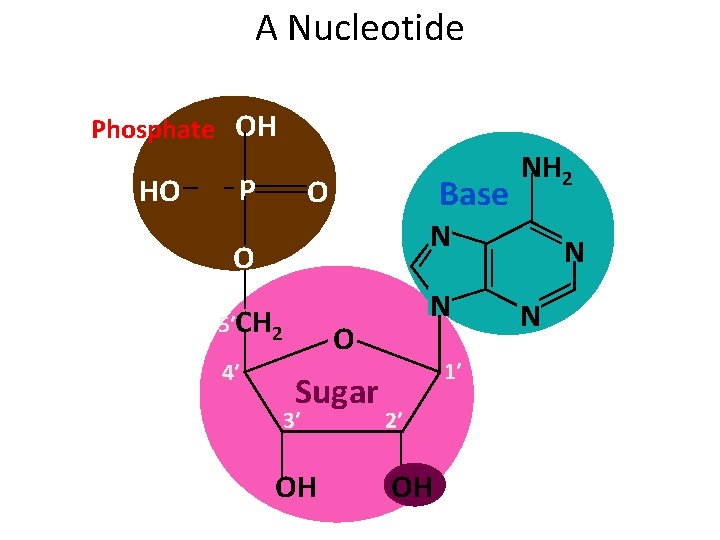
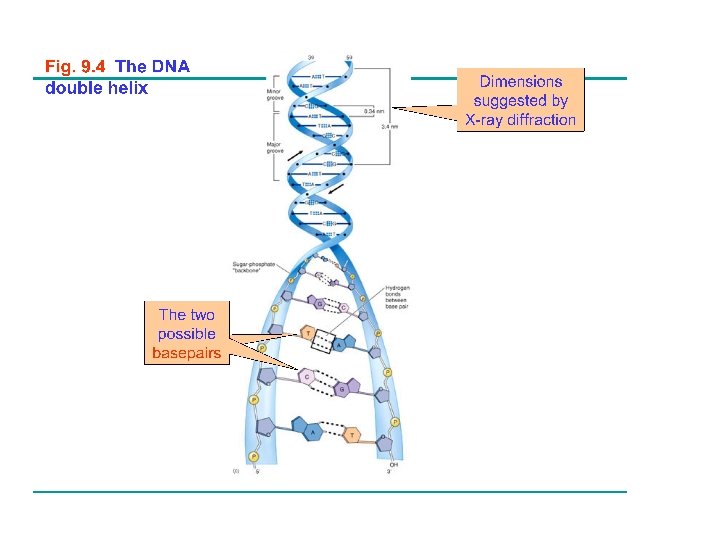
Watson and Crick • James Watson and Francis Crick determined that DNA is a double helix- 2 strands twisted around each other like a winding staircase. • Each strand is made up of nucleotidessubunits of DNA. A nucleotide is made up of 3 parts. – 1. phosphate group – 2. 5 Carbon Sugar (deoxyribose) – 3. nitrogen-containing base
A Nucleotide Phosphate OH HO P Base O N H O 5’CH 2 4’ NH 2 H N O Sugar 3’ OH 1’ 2’ H OH N N
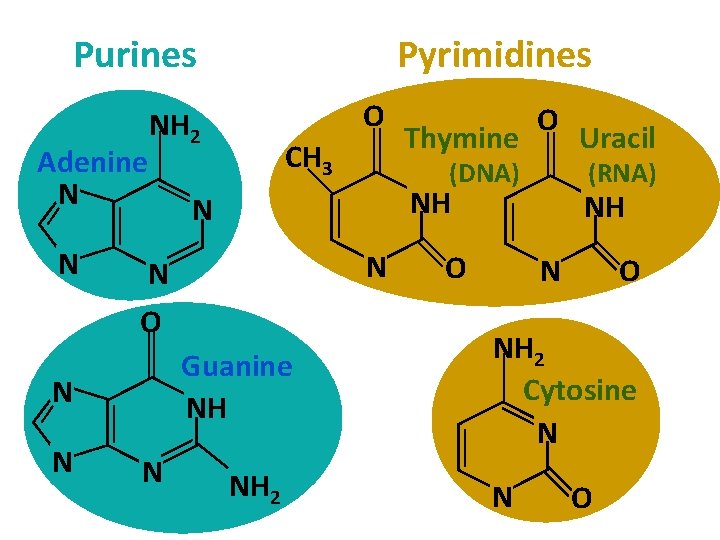
Nitrogen Bases • • Adenine (A) Guanine (G) Cytosine (C) Thymine (T)
Purines Adenine N N O NH 2 CH 3 N NH 2 O Uracil (RNA) NH Guanine NH N Thymine O (DNA) N N O N N Pyrimidines NH N O NH 2 Cytosine N N O
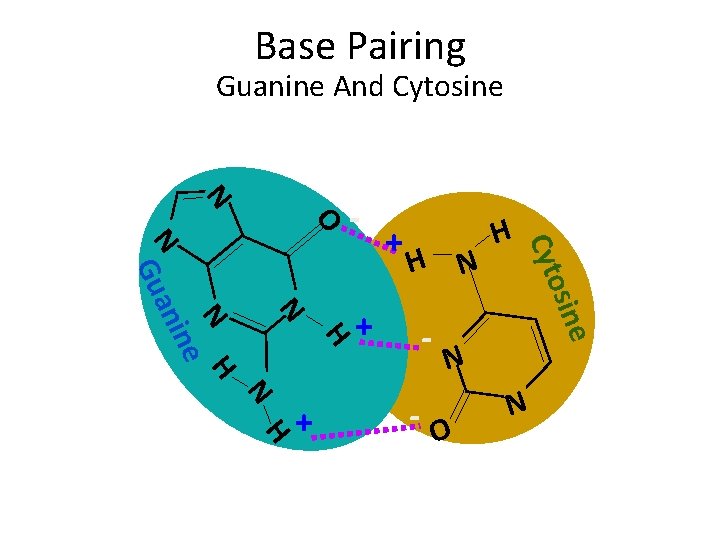
Base Pairing Guanine And Cytosine O H e - N H osin H N H + + + Cyt N N N H ine N uan G - N -O N
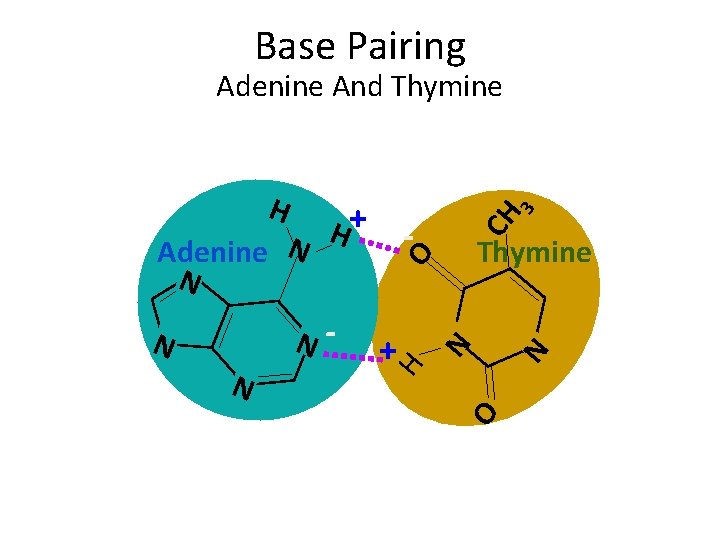
Base Pairing CH N O + O N Thymine N N- N - H H + H Adenine N N 3 Adenine And Thymine
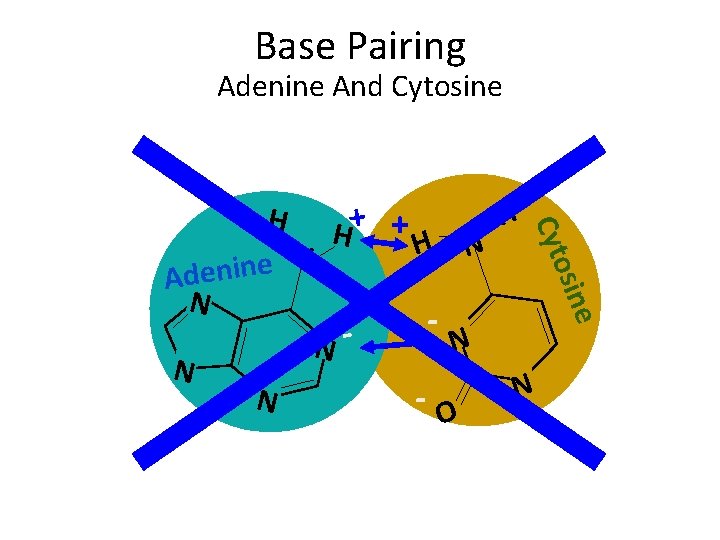
Base Pairing Adenine And Cytosine e osin Cyt H H H+ + H N N e n i n e d A N N N -O
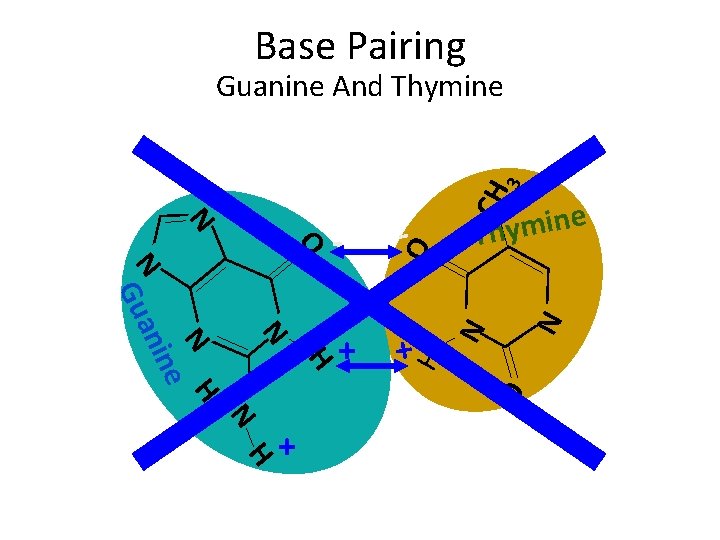
Base Pairing N N O + e n i m y Th O H H O + N N N H ine N uan G - - CH 3 Guanine And Thymine N H +
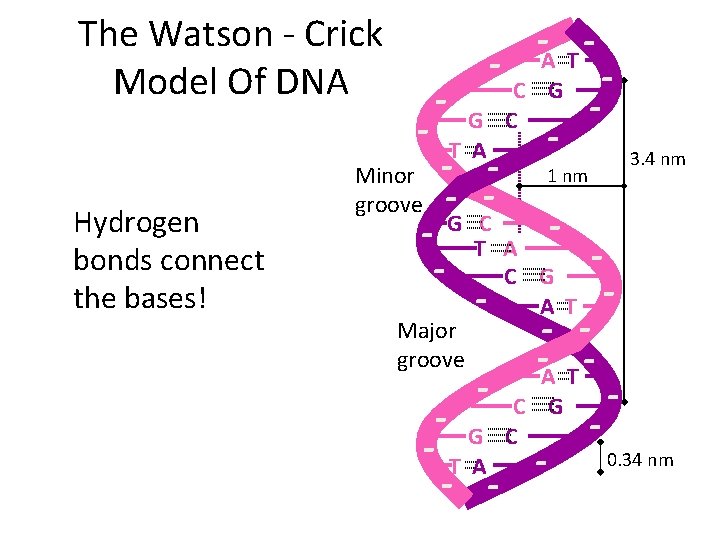
- - C G G C T A - - - G C T A C G A T Major groove A T C G G C T A - - - - 3. 4 nm 1 nm - - - - Hydrogen bonds connect the bases! Minor groove A T - The Watson - Crick Model Of DNA - - 0. 34 nm
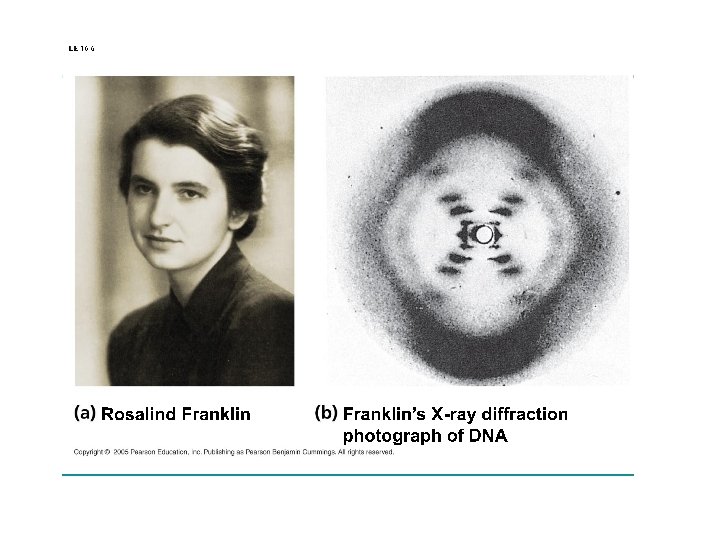
Many Scientists Contributed to the Discovery of DNA’s Structure • 1949: Edwin Chargaff at Columbia Univ, N. Y. – Found that the amount of A = T – Found that the amount of G = C 1952: Maurice Wilkins and Rosalind Franklin in London – Developed high quality X ray diffraction photographs of the DNA molecule