
12 2 Chromosomes and DNA Replication Prokaryotic Cells
- Slides: 12
12 -2 Chromosomes and DNA Replication
Prokaryotic Cells • No nucleus • DNA in the cytoplasm • Single circular DNA molecule with all the cell’s genetic info
Eukaryotic Cells • 1000 x the amount of DNA • DNA in the nucleus, form of chromosomes • Chromosome # varies from species to species • Human 2 N cells = 46 chromosomes • Drosophila cells = 8
DNA Length • E. coli have 4, 639, 221 base pairs and about 1. 6 mm long all in one bacterium • That’s like putting a 300 meter long rope into a backpack
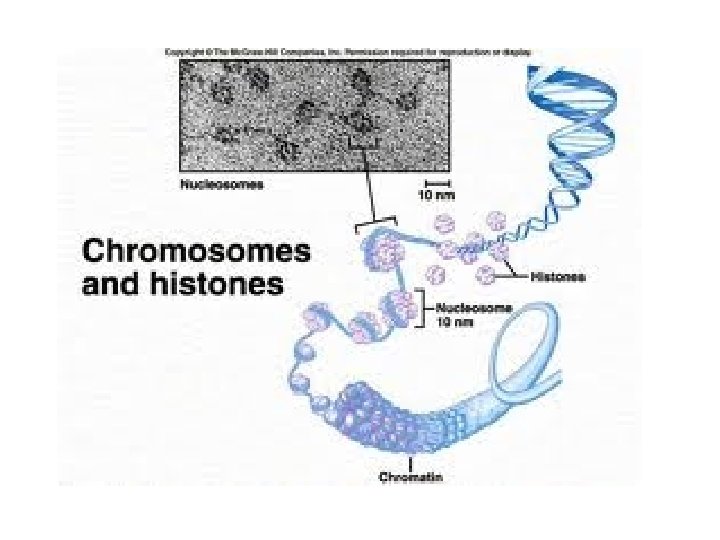
Chromosome Structure • Nucleus of a human cell contains > 1 meter of DNA • Eukaryotic chromosomes contain DNA and protein tightly packed to form chromatin • Chromatin is DNA tightly coiled around histones to form a nucleosome • Nucleosomes fold huge lengths of DNA into the tiny spaces in the nucleus
DNA Replication • Structure of DNA explains how it can be copied (replicated) • Complementary strands have all info needed to reconstruct other half by base pairing
Prokaryotes • DNA replication begins at a single point and proceeds (in two directions)
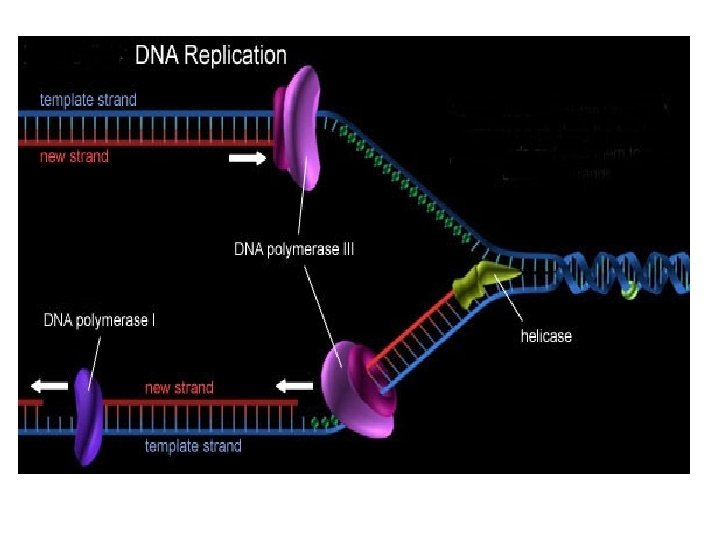
Eukaryotes • DNA replication occurs at hundreds of places • Proceeds in both directions until each chromosome is completely copied • Replication forks – points where separation and replication occur
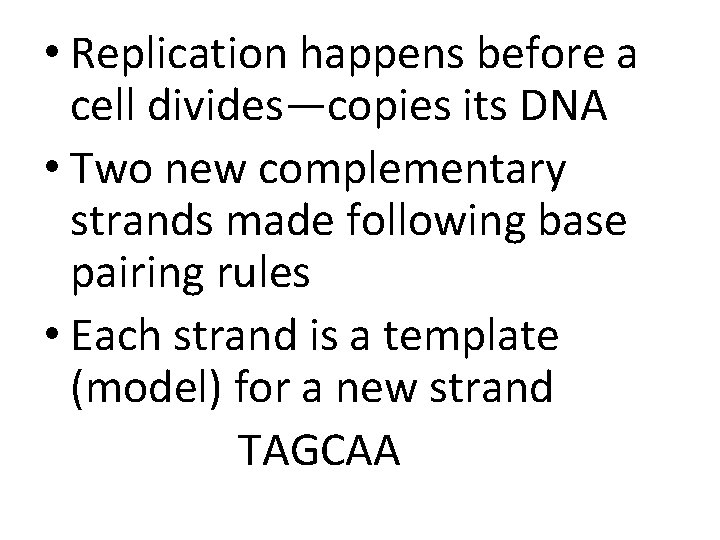
• Replication happens before a cell divides—copies its DNA • Two new complementary strands made following base pairing rules • Each strand is a template (model) for a new strand TAGCAA
• • How Replication Occurs Enzymes are very important DNA helicase unzips the DNA polymerase joins individual nucleotides to produce a DNA molecule DNA polymerase also proofreads each new DNA strand to ensure each molecule is a perfect copy of the original