
115 E 8 30 115 E Photo by
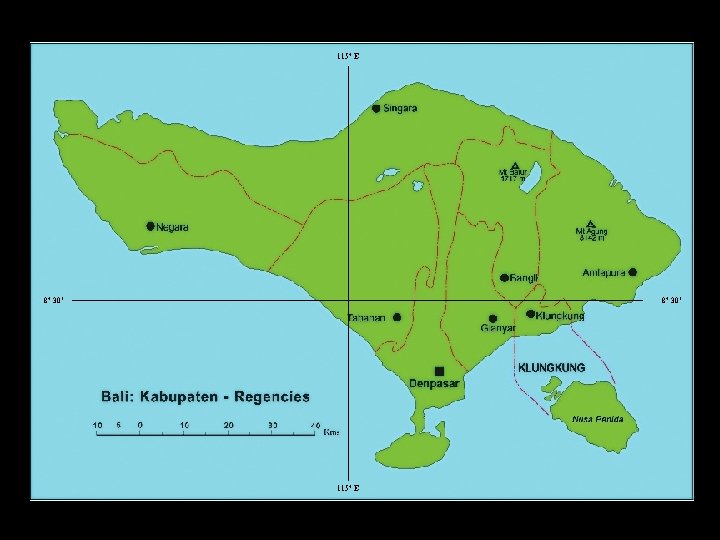
115° E 8° 30’ 115° E
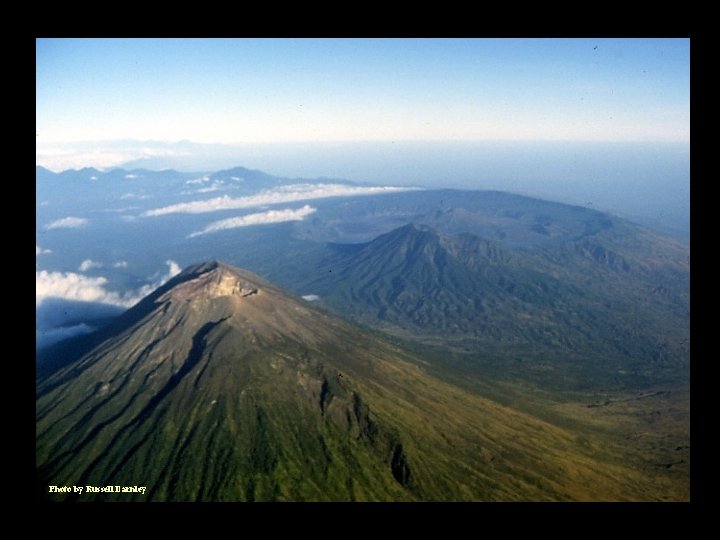
Photo by Russell Darnley
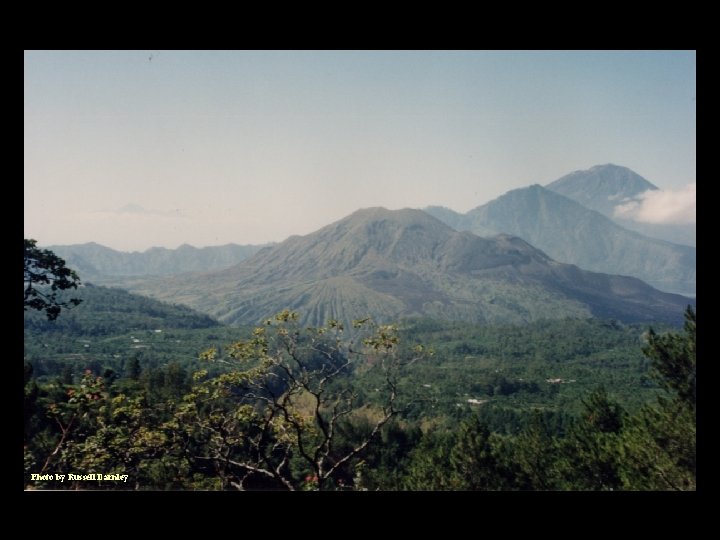
Photo by Russell Darnley
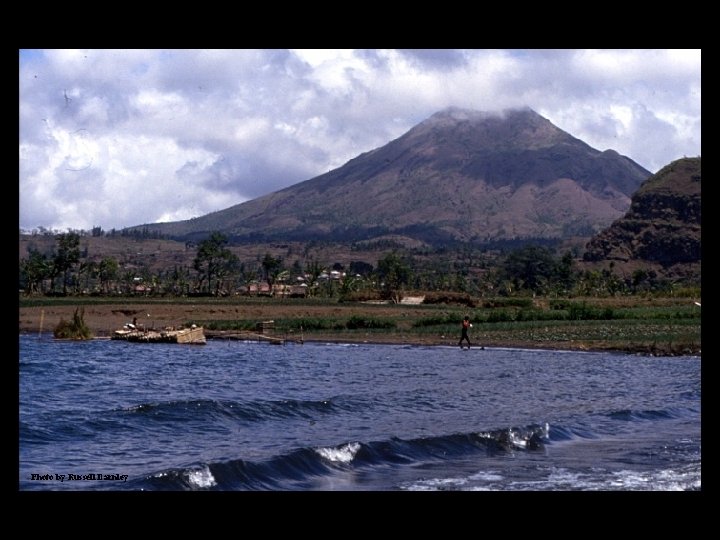
Photo by Russell Darnley
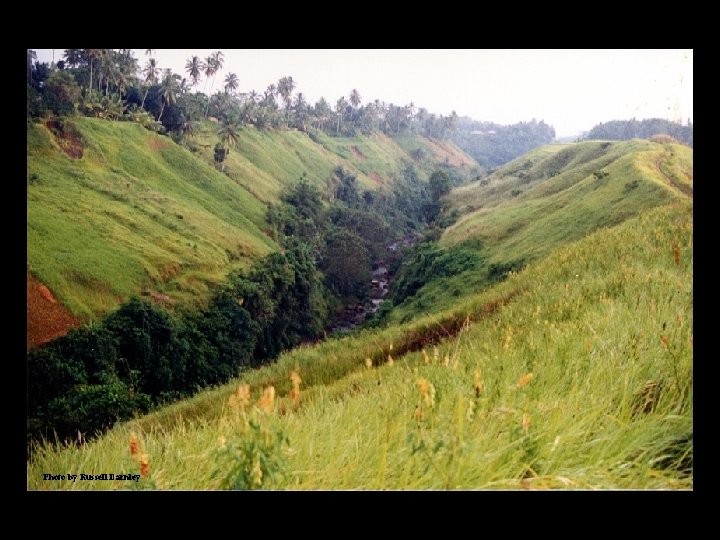
Photo by Russell Darnley
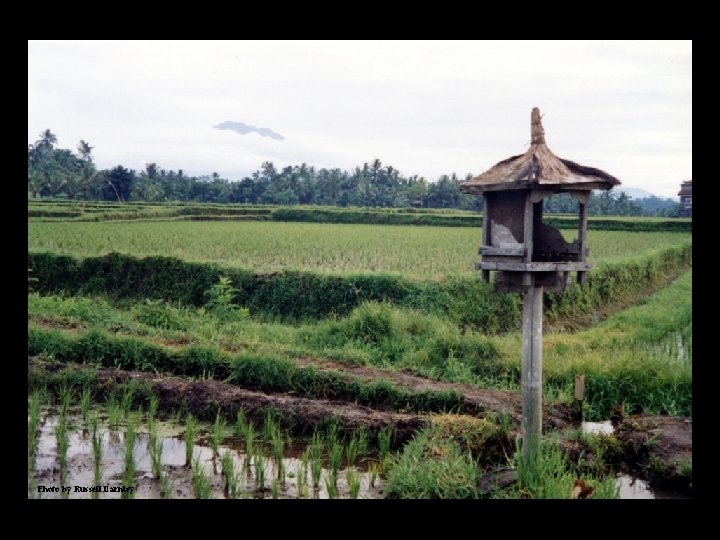
Photo by Russell Darnley
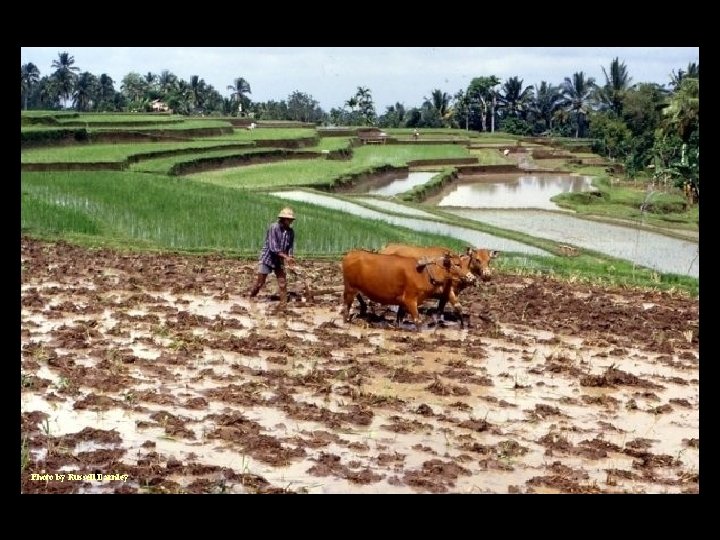
Photo by Russell Darnley

Photo by Russell Darnley
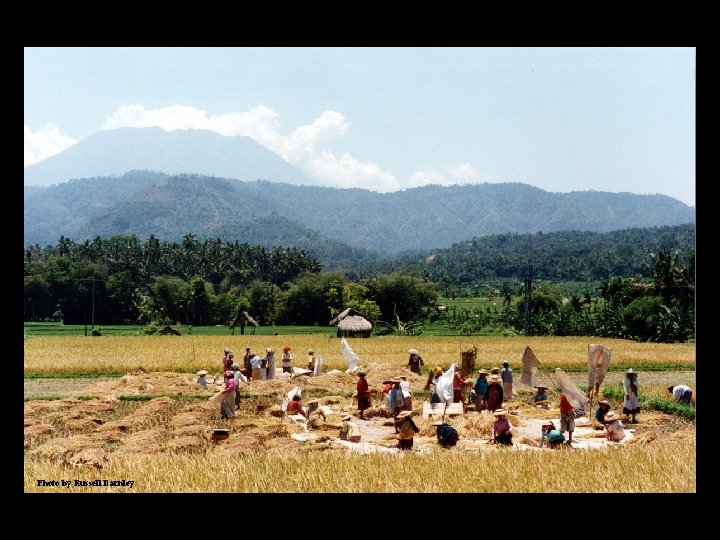
Photo by Russell Darnley
Photo by Russell Darnley
Photo by Matina Pentes
Photo by Russell Darnley
Photo by Matina Pentes
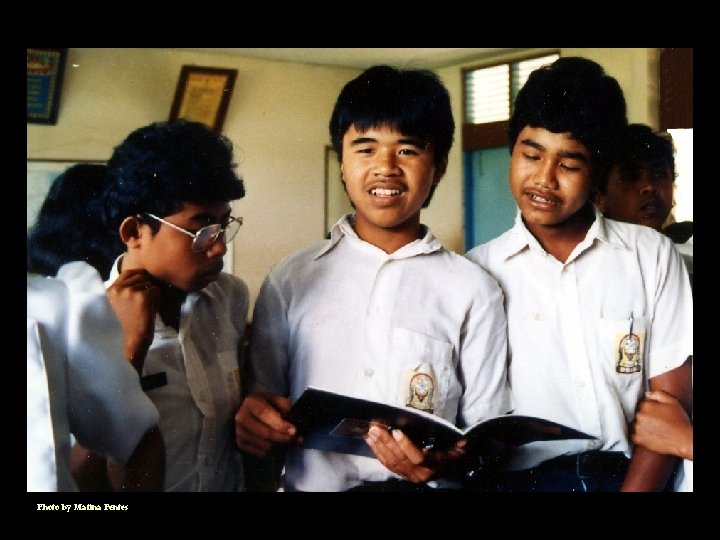
Photo by Matina Pentes
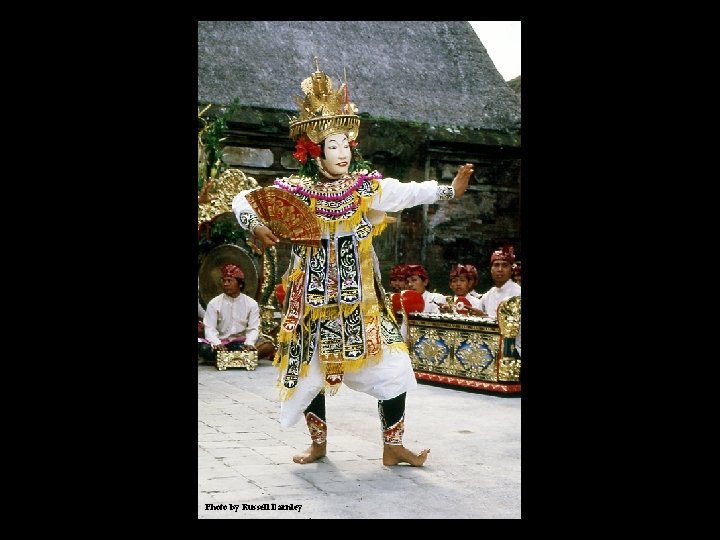
Photo by Russell Darnley
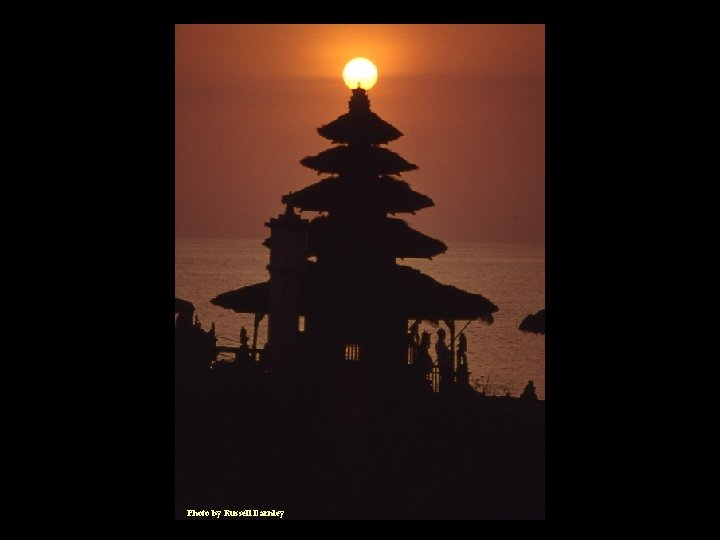
Photo by Russell Darnley
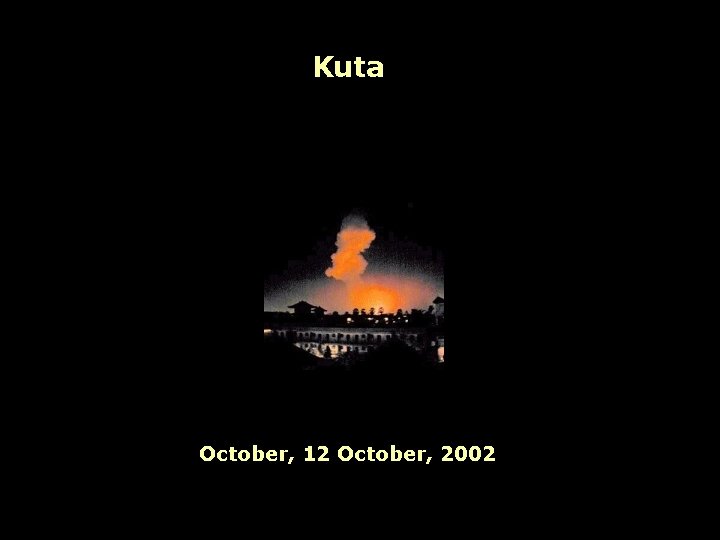
Kuta October, 12 October, 2002
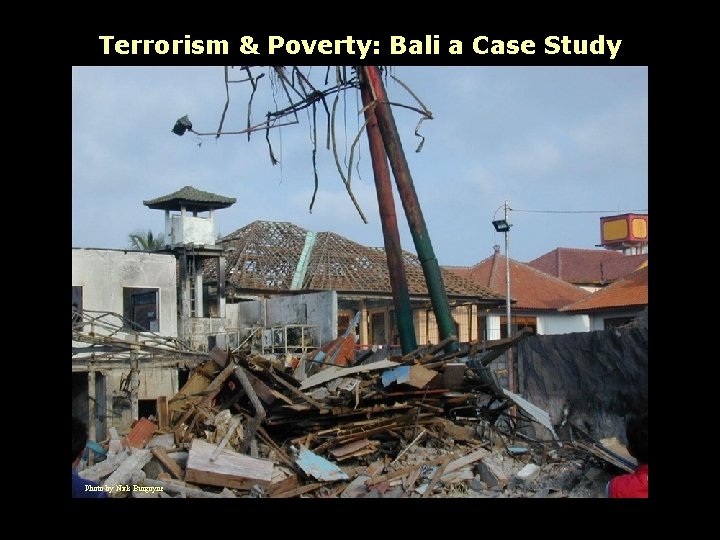
Terrorism & Poverty: Bali a Case Study Photo by Nick Burgoyne
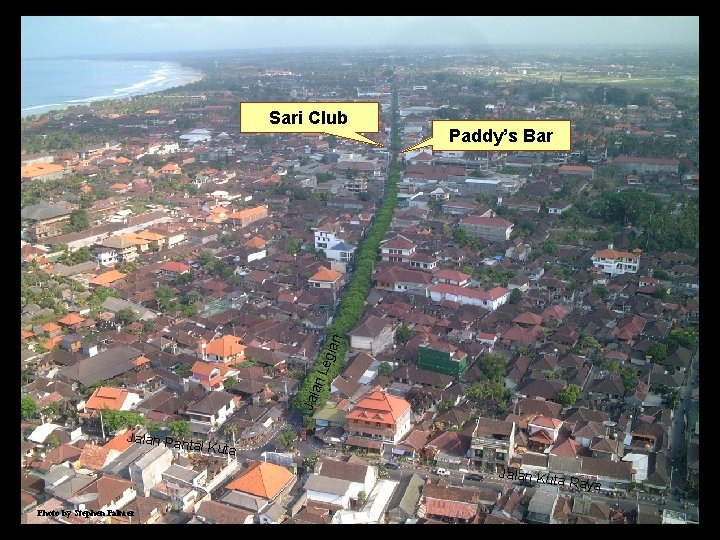
Paddy’s Bar Jala n. L egia n Sari Club Jalan Pan tai Kuta Jalan Kuta Photo by Stephen Palmer Raya
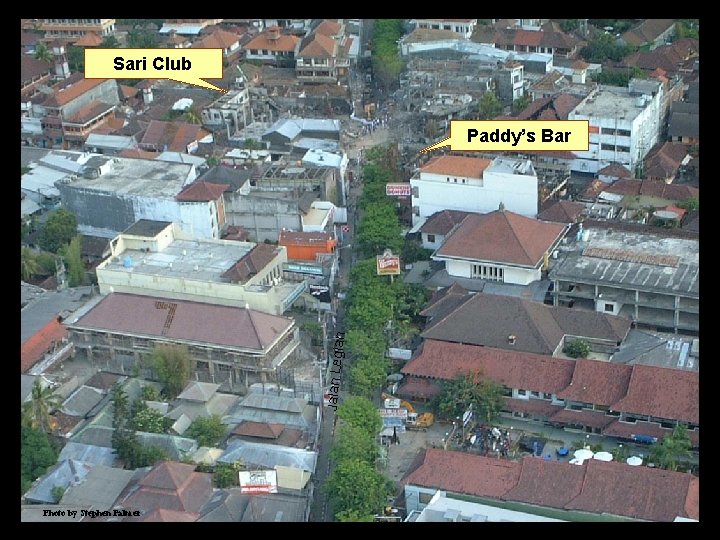
Sari Club Jalan Legia n Paddy’s Bar Photo by Stephen Palmer
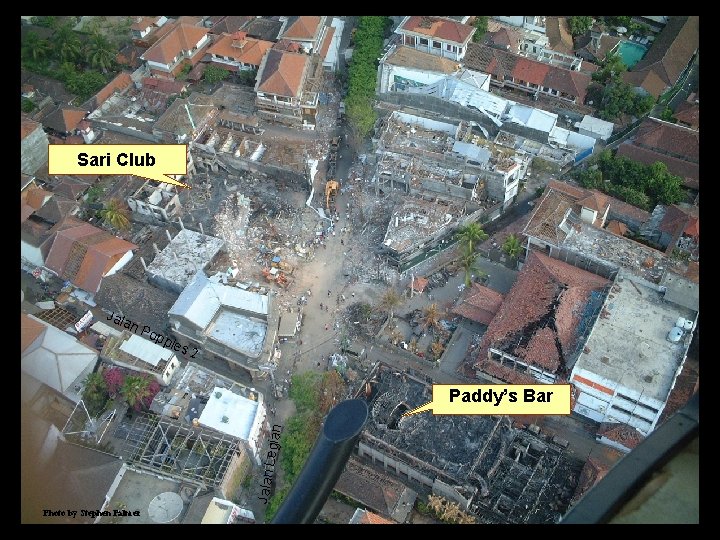
Sari Club Jal an Pop pie s 2 Jalan L egian Paddy’s Bar Photo by Stephen Palmer
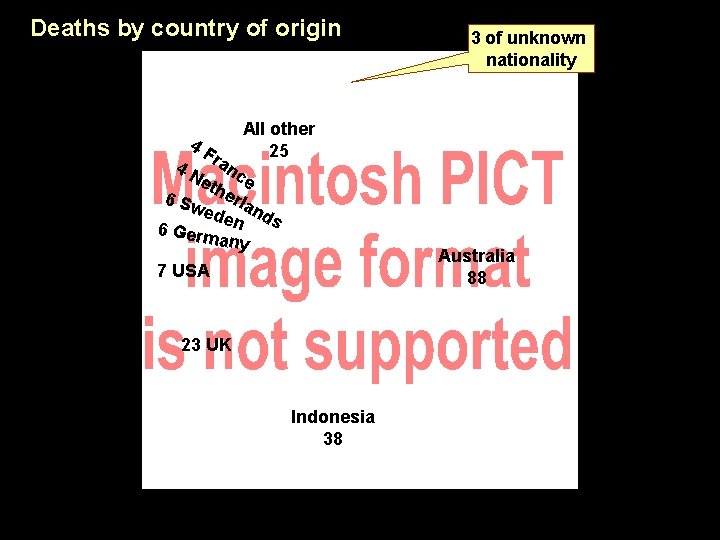
Deaths by country of origin 4 F 3 of unknown nationality All other 25 4 N ranc eth e 6 Sw erla ede nds 6 Germ n any Australia 88 7 USA 23 UK Indonesia 38

Photo by Nick Burgoyne



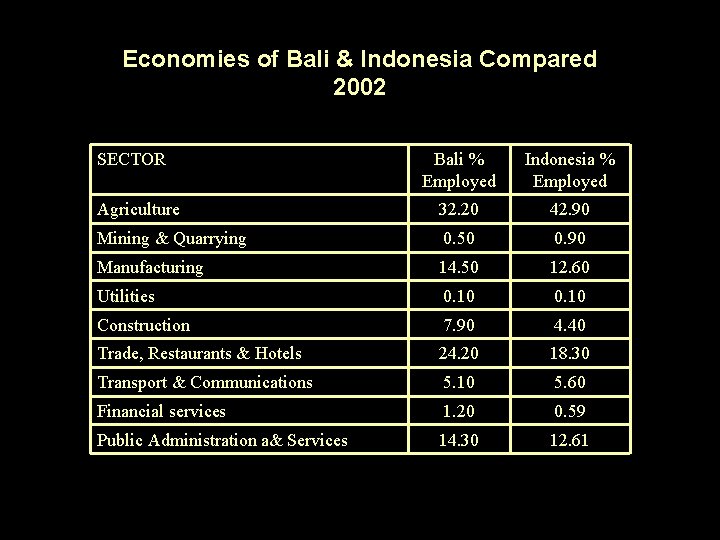
Economies of Bali & Indonesia Compared 2002 SECTOR Bali % Employed Indonesia % Employed Agriculture 32. 20 42. 90 Mining & Quarrying 0. 50 0. 90 Manufacturing 14. 50 12. 60 Utilities 0. 10 Construction 7. 90 4. 40 Trade, Restaurants & Hotels 24. 20 18. 30 Transport & Communications 5. 10 5. 60 Financial services 1. 20 0. 59 Public Administration a& Services 14. 30 12. 61
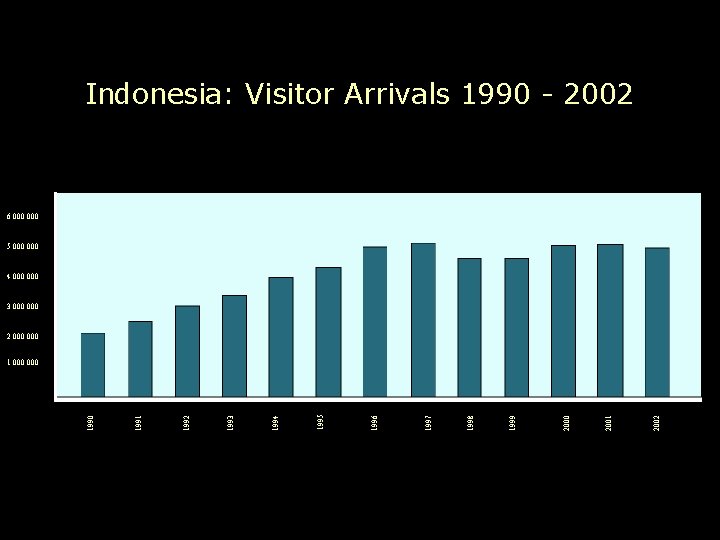
Indonesia: Visitor Arrivals 1990 - 2002 6 000 5 000 4 000 3 000 000 2002 2001 2000 1999 1998 1997 1996 1995 1994 1993 1992 1991 1990 1 000

Bali: Tourist Arrivals 2001 -02 and 2002 -03 Numers Months

BULELENG KARANGASEM GIANYAR BADUNG
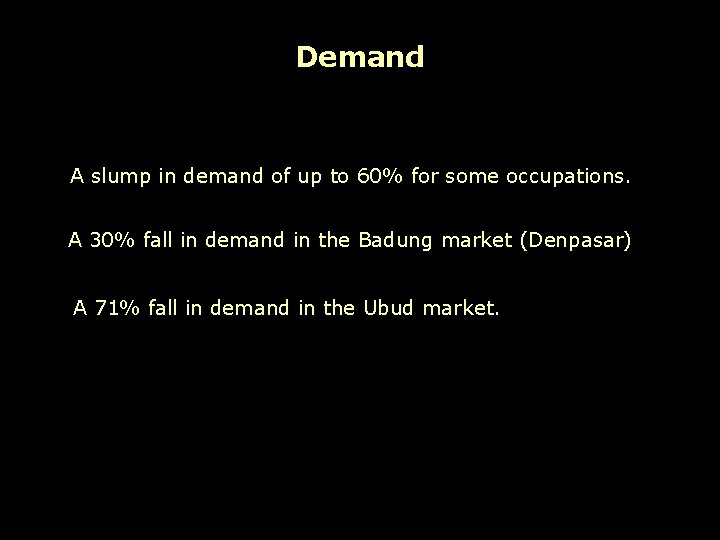
Demand A slump in demand of up to 60% for some occupations. A 30% fall in demand in the Badung market (Denpasar) A 71% fall in demand in the Ubud market.
Employment: large Enterprises 29% of workers affected, through under employment or reduced incomes. Up to 75% of workers in the hotel sector were working reduced shifts or ‘temporarily’ redundant.
Employment: small and medium enterprises (SME) 52% of SMEs reduced staff by almost 60%. Difficulties meeting loan obligations on cars, motor bikes, equipment.
Informal Sector The impact on informal parts of the industry such as freelance transport providers, hawkers and souvenir sellers was difficult to estimate
Education and schooling Increased drop out rate from schools. Highest drop out rates in poorest areas of Karangasem (60%) and Buleleng (55%). Directly related to difficulty in paying school fees.
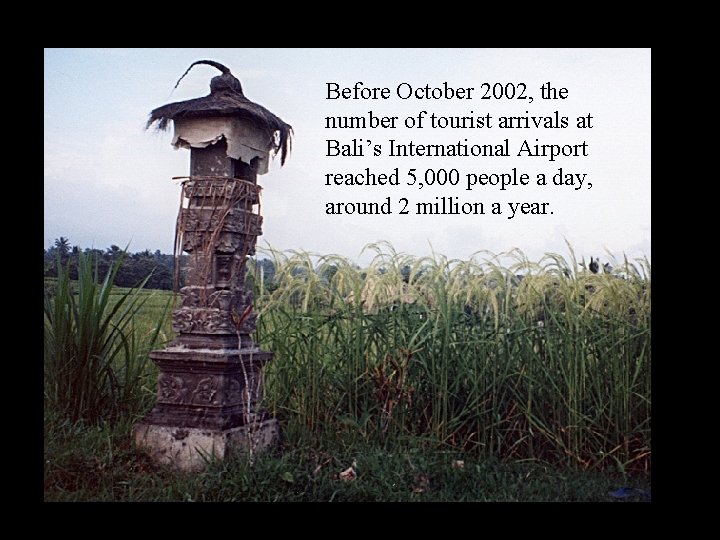
Before October 2002, the number of tourist arrivals at Bali’s International Airport reached 5, 000 people a day, around 2 million a year.
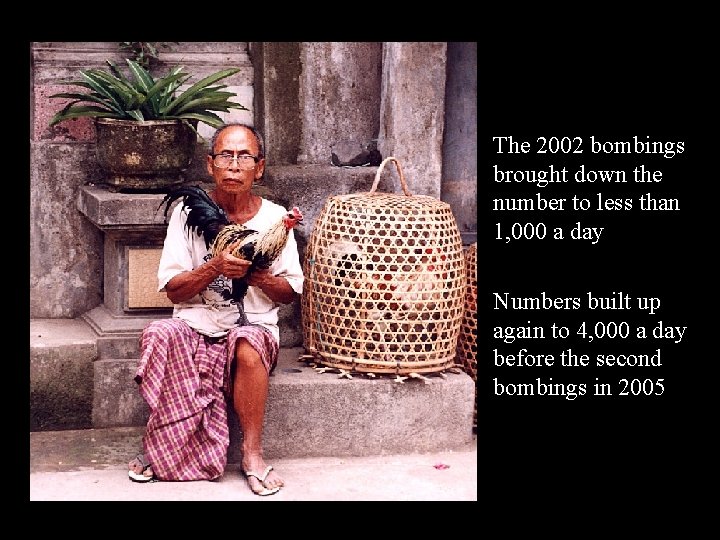
The 2002 bombings brought down the number to less than 1, 000 a day Numbers built up again to 4, 000 a day before the second bombings in 2005
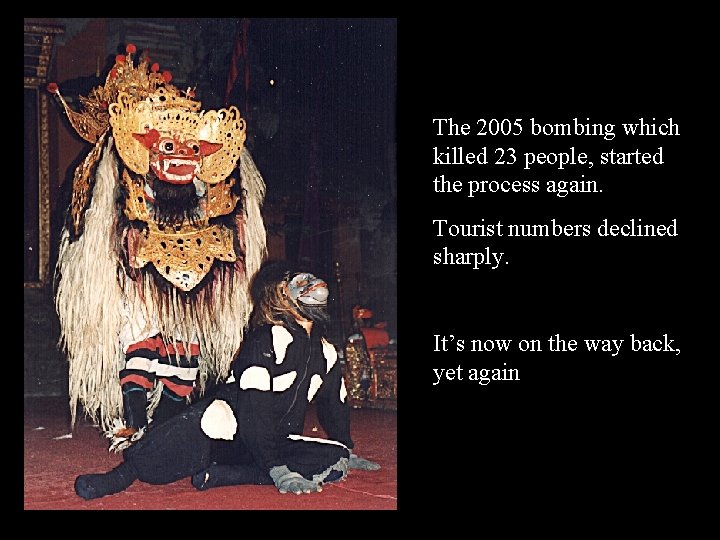
The 2005 bombing which killed 23 people, started the process again. Tourist numbers declined sharply. It’s now on the way back, yet again
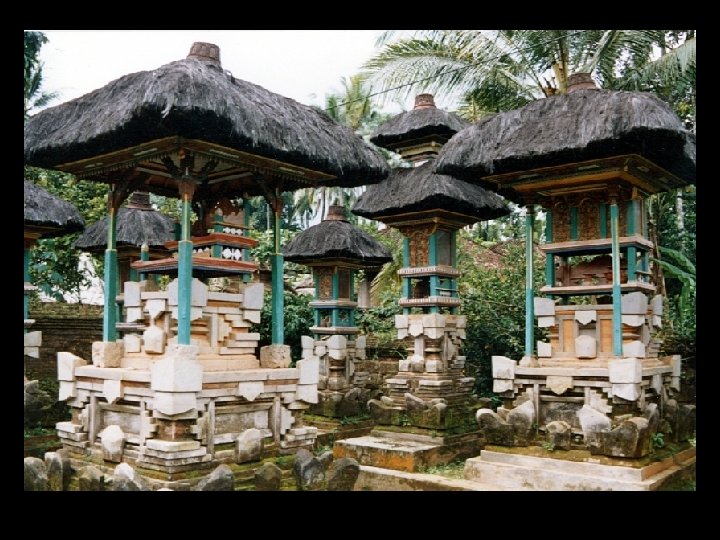

Dr Denny Thong, Balinese Psychiatrist and a temple priest, Mangku Sakenan, explains that a ceremony is held to appease the gods.
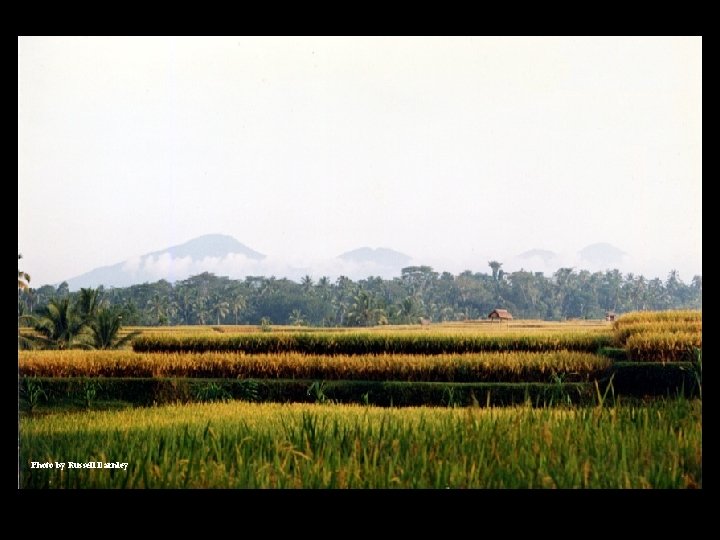
Photo by Russell Darnley
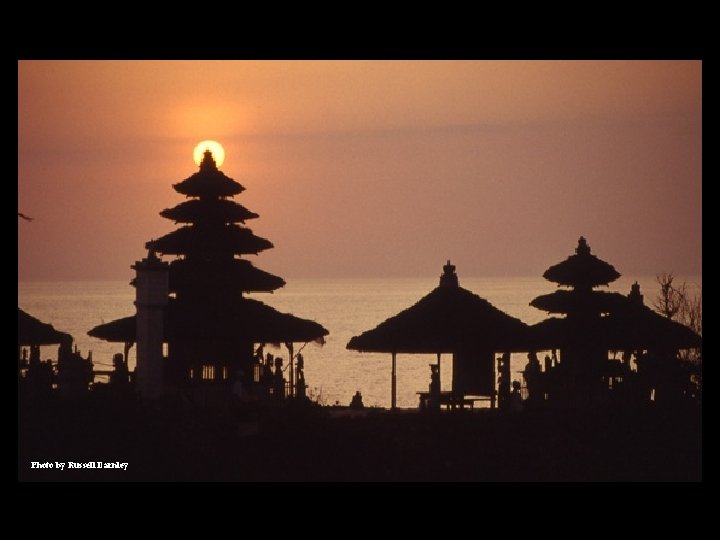
Photo by Russell Darnley
"The list of all those who helped, and are helping, and want to help is growing longer and longer all the time. " The initial wave of chaos and confusion that resulted from the bomb that exploded on Saturday in Bali is now starting to clear. The compassion expressed by all those that have helped deal with this tragedy is overwhelming. The immediate reaction in the emergency led to the formation of a remarkable team of volunteers. Priority tasks included everything from helping to nurse the wounded, giving blood, operating phone lines, dealing with missing and found persons, database reports, shock counseling, to the gruelling task of trying to identify bodies. Voluntary help has poured in from all sectors of society: concerned individuals; passing travellers; local residents; non-government organisations; many student groups; all religious groups; a wide cross-

- Slides: 44