
11 Bioenergetics and Metabolism Mitochondria Chloroplasts and Peroxisomes
11 Bioenergetics and Metabolism: Mitochondria, Chloroplasts, and Peroxisomes
11 Bioenergetics and Metabolism Chapter Outline • Mitochondria • The Mechanism of Oxidative Phosphorylation • Chloroplasts and Other Plastids • Photosynthesis • Peroxisomes
Introduction The generation of metabolic energy is a major activity of all cells. Mitochondria generate energy from the breakdown of lipids and carbohydrates. Chloroplasts use sunlight energy to generate ATP and the reducing power needed to synthesize carbohydrates from CO 2 and H 2 O. Peroxisomes contain enzymes involved in a variety of metabolic pathways.
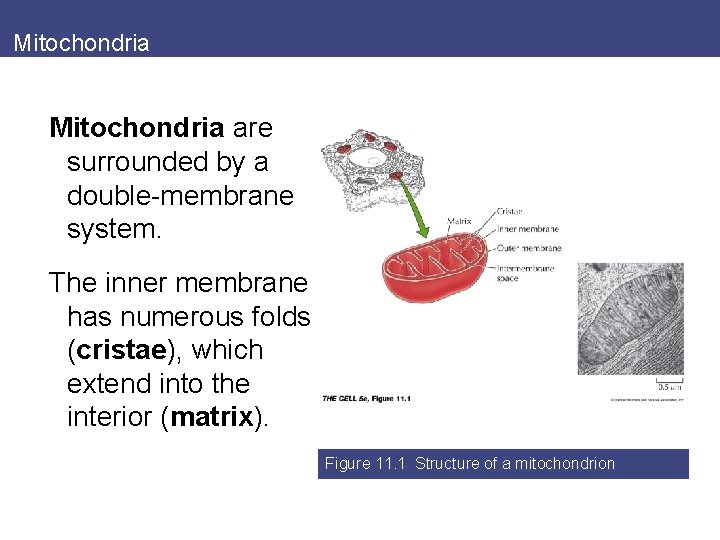
Mitochondria are surrounded by a double-membrane system. The inner membrane has numerous folds (cristae), which extend into the interior (matrix). Figure 11. 1 Structure of a mitochondrion
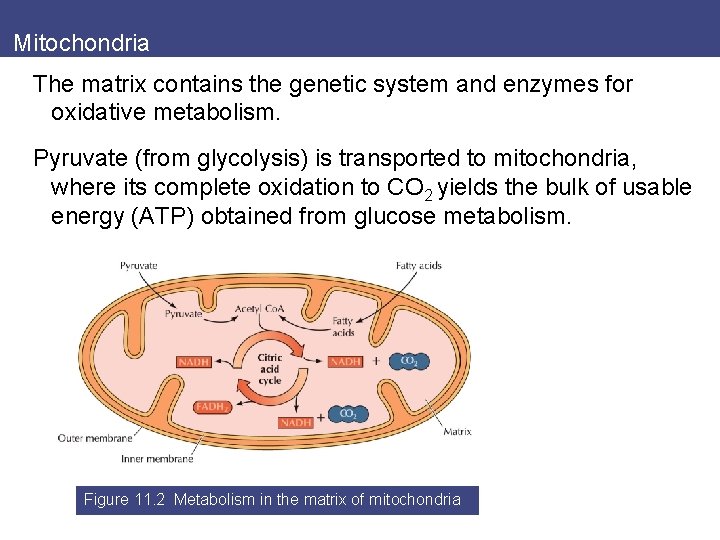
Mitochondria The matrix contains the genetic system and enzymes for oxidative metabolism. Pyruvate (from glycolysis) is transported to mitochondria, where its complete oxidation to CO 2 yields the bulk of usable energy (ATP) obtained from glucose metabolism. Figure 11. 2 Metabolism in the matrix of mitochondria
Mitochondria The enzymes of the citric acid cycle are in the mitochondrial matrix. Most of the energy is produced by oxidative phosphorylation, which takes place in the inner mitochondrial membrane. High-energy electrons from NADH and FADH 2 are transferred through a series of carriers in the membrane to molecular oxygen. The energy derived from this is converted to potential energy stored in a proton gradient, which drives ATP synthesis.
Mitochondria The inner membrane is thus the principal site of ATP generation. Its surface area is increased by folding into cristae. It contains a high percentage of proteins involved in oxidative metabolism and transport. The inner membrane is impermeable to most ions and small molecules—this helps maintain the proton gradient.
Mitochondria The outer mitochondrial membrane is highly permeable to small molecules. It contains porins, which form channels that allow the free diffusion of small molecules. Composition of the intermembrane space is similar to the cytosol. Mitochondria are often positioned near locations of high-energy use, such as synapses in nerve cells.
Mitochondria are continually fusing and dividing, which remodels the network of mitochondria in the cell, and affects function and morphology. Mitochondria are thought to have evolved from bacteria that began living inside larger cells (endosymbiosis). Living organisms that have genomes most similar to the mitochondrial genome are freeliving α-proteobacteria.
Mitochondrial genomes are usually circular DNA molecules, present in multiple copies. Most mitochondrial genomes encode only a few proteins that are essential for oxidative phosphorylation. They also encode all the r. RNAs and most of the t. RNAs needed for translating the protein-coding sequences.
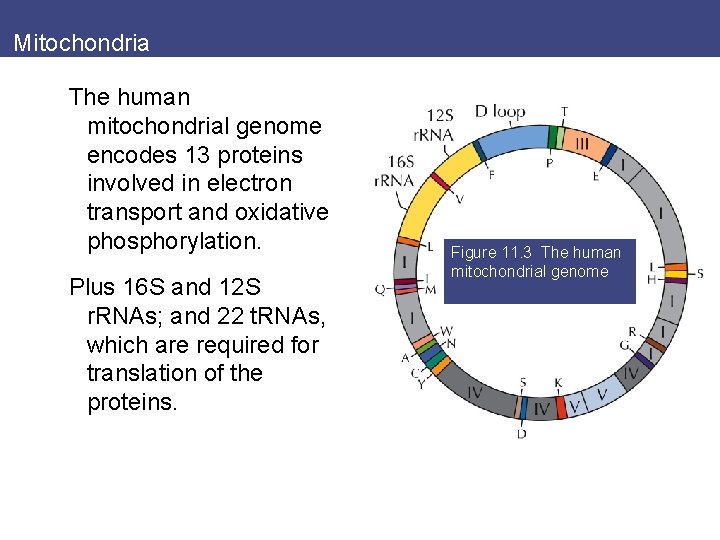
Mitochondria The human mitochondrial genome encodes 13 proteins involved in electron transport and oxidative phosphorylation. Plus 16 S and 12 S r. RNAs; and 22 t. RNAs, which are required for translation of the proteins. Figure 11. 3 The human mitochondrial genome

Mitochondria The mitochondrial genetic code is different from the universal code. U in the t. RNA anticodon can pair with any of the four bases in the third codon position of m. RNA; thus four codons are recognized by a single t. RNA. Some codons specify different amino acids in mitochondria than in the universal code.
Mitochondrial DNA can be altered by mutations. Almost all the mitochondria of fertilized eggs are contributed by the oocyte, so germ-line mutations are transmitted to the next generation by the mother. Mutations in mitochondrial genes are associated with several diseases. Leber’s hereditary optic neuropathy, which leads to blindness, is caused by mutations in mitochondrial genes that encode components of the electron transport chain.
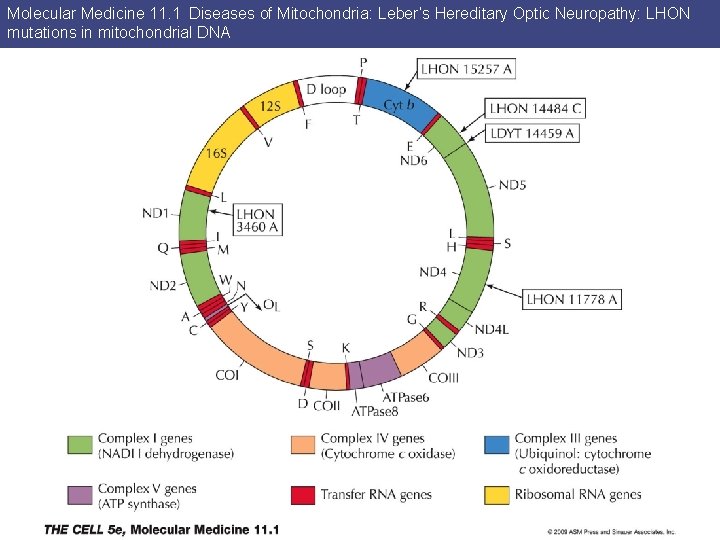
Molecular Medicine 11. 1 Diseases of Mitochondria: Leber’s Hereditary Optic Neuropathy: LHON mutations in mitochondrial DNA
Mitochondrial proteins are not as well understood as the genome. Mammalian mitochondria are thought to contain 1000 to 1500 different proteins, but nearly half of them remain unidentified. Plus, mitochondria from different tissues contain different proteins.
Mitochondria Genes for many mitochondrial proteins are in the nucleus. Some of these genes were transferred to the nucleus from the original prokaryotic ancestor of mitochondria.
Mitochondria Most of the proteins are synthesized on free cytosolic ribosomes and imported to mitochondria as complete polypeptides. Because of the double-membrane structure of mitochondria, import of proteins is complex.
Mitochondria Most proteins are targeted to the matrix by amino-terminal sequences (presequences) that are removed by proteolytic cleavage after import. Presequences bind to receptors on the surface of mitochondria that are part of a protein complex (the translocase of the outer membrane, or Tom complex). Proteins are then transferred to a second protein complex in the inner membrane (translocases of the inner membrane, or Tim complexes). Some proteins cross the inner membrane; others are inserted into the membrane.
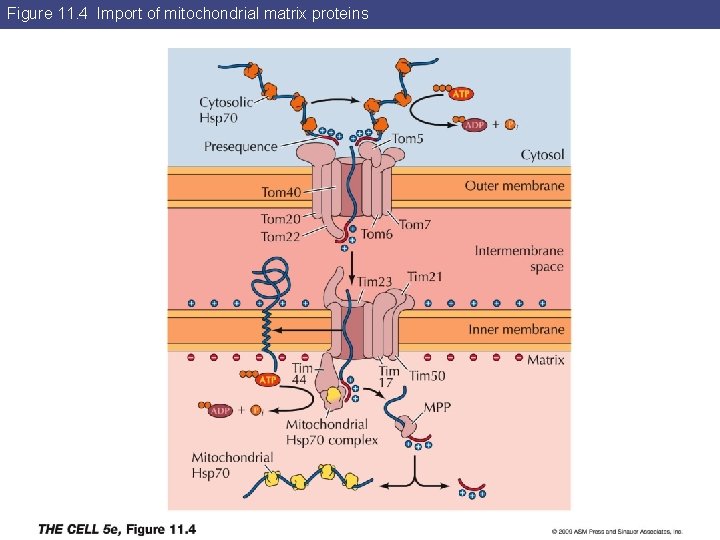
Figure 11. 4 Import of mitochondrial matrix proteins
Mitochondria Protein translocation requires the electrochemical potential established across the inner mitochondrial membrane during electron transport. Proteins must be unfolded, and require Hsp 70 chaperones. One Hsp 70 associated with the Tim 23 complex uses repeated ATP hydrolysis to drive protein import. The presequence is then cleaved by matrix processing peptidase (MPP) and the polypeptide is bound by other Hsp 70 chaperones that facilitate folding.
Mitochondria Proteins in the inner membrane are mostly small molecule transporters. They have multiple internal import signals instead of presequences. In association with an Hsp 90 chaperone, they are recognized by Tom 70, then translocated across a Tom 40 channel.
Mitochondria In the intermembrane space these proteins are recognized and escorted by mobile units of Tim 22, called “Tiny Tims”. They are translocated through Tim 22, until internal stop-transfer signals cause them to exit laterally and insert into the inner membrane.
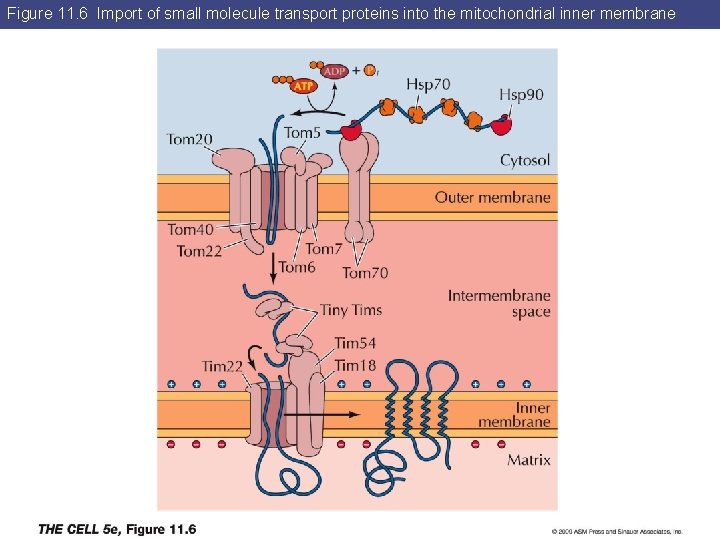
Figure 11. 6 Import of small molecule transport proteins into the mitochondrial inner membrane
Mitochondria Some proteins have both presequences and internal signal sequences. They are translocated through Tom 40. Some exit the channel laterally, some remain in the intermembrane space.
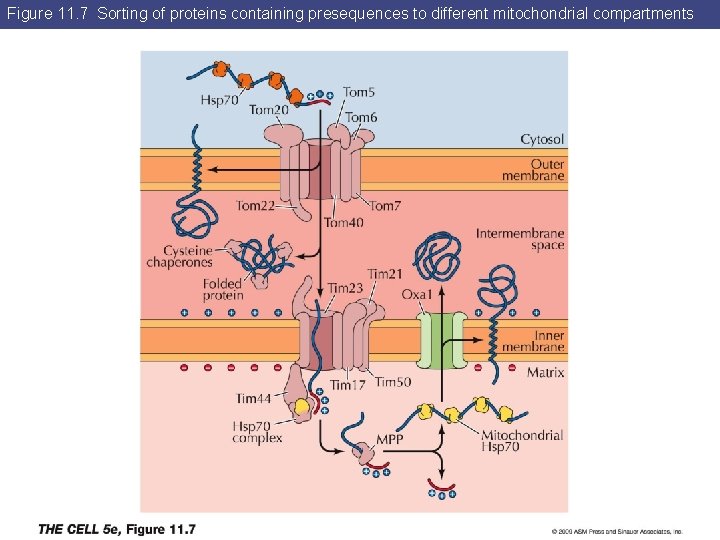
Figure 11. 7 Sorting of proteins containing presequences to different mitochondrial compartments
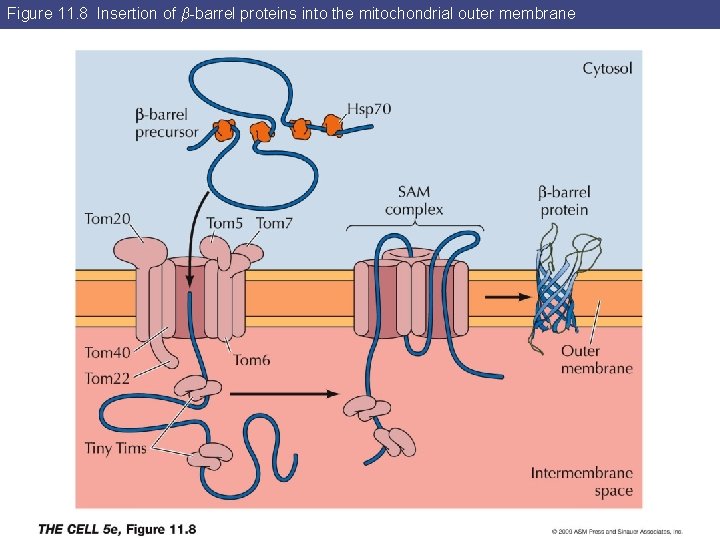
Figure 11. 8 Insertion of β-barrel proteins into the mitochondrial outer membrane
The Mechanism of Oxidative Phosphorylation During oxidative phosphorylation, electrons from NADH and FADH 2 combine with O 2. The energy released from these oxidation/reduction reactions is used to drive ATP synthesis. Transfer of electrons from NADH to O 2 yields a lot of energy: ΔGº′ = – 52. 5 kcal/mol for each pair of electrons transferred.
The Mechanism of Oxidative Phosphorylation To be harvested in usable form, the electrons must be passed through a series of carriers, the electron transport chain. The carriers are organized on the inner mitochondrial membrane. Electrons from NADH enter the electron transport chain in complex I, and then pass to Coenzyme Q (ubiquinone) which carries them to complex III. In complex III, electrons are transferred from cytochrome b to cytochrome c, a protein bound to the outer face of the inner membrane, which carries electrons to complex IV (cytochrome oxidase), where they are finally transferred to O 2.
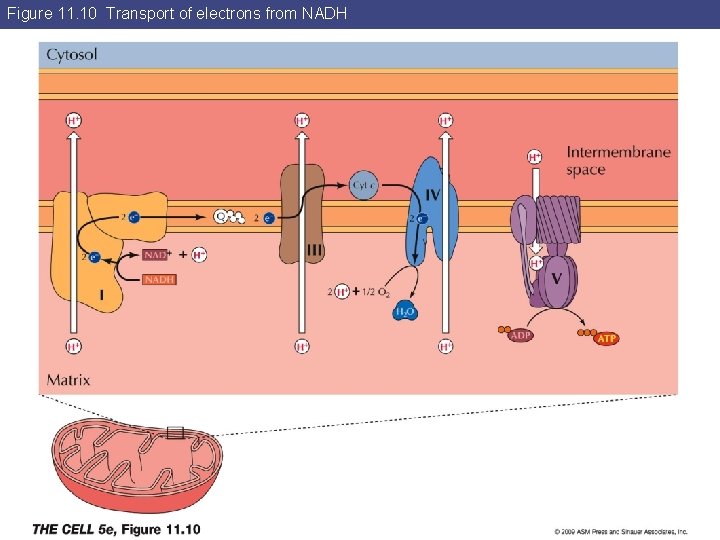
Figure 11. 10 Transport of electrons from NADH
The Mechanism of Oxidative Phosphorylation Complex II receives electrons from the citric acid cycle intermediate, succinate. These electrons are transferred to FADH 2, rather than to NADH, and then to coenzyme Q. This transfer does not yield free energy, as does transfer from NADH.
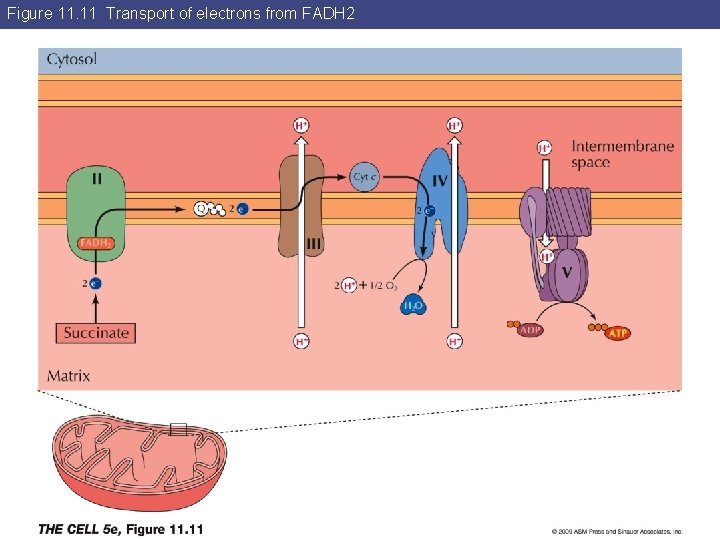
Figure 11. 11 Transport of electrons from FADH 2
The Mechanism of Oxidative Phosphorylation The free energy from passage of electrons through complexes I, III, and IV is harvested by being coupled to ATP synthesis. This is fundamentally different from synthesis of ATP during glycolysis or the citric acid cycle, in which a high-energy phosphate is transferred directly to ADP from the other substrate of an energyyielding reaction.
The Mechanism of Oxidative Phosphorylation Chemiosmotic coupling is the mechanism coupling electron transport to ATP generation. The hypothesis was first proposed in 1961 by Peter Mitchell. It was first met with skepticism, but is now accepted as the general mechanism of ATP generation.
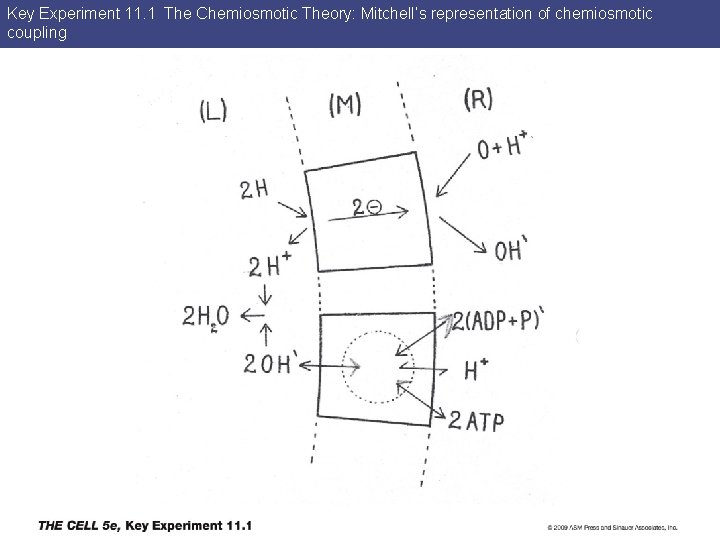
Key Experiment 11. 1 The Chemiosmotic Theory: Mitchell’s representation of chemiosmotic coupling
The Mechanism of Oxidative Phosphorylation Electron transport through complexes I, III, and IV is coupled to transport of protons out of the matrix to the intermembrane space. This establishes a proton gradient across the inner membrane.
The Mechanism of Oxidative Phosphorylation I and IV act as proton pumps that transfer protons as a result of conformational changes induced by electron transport. At complex III, protons are carried by coenzyme Q, which accepts protons from complexes I or II and releases them into the intermembrane space at complex III.
The Mechanism of Oxidative Phosphorylation Complexes I and III each transfer four protons per pair of electrons. In complex IV, two protons per pair of electrons are pumped across and another two combine with O 2 to form H 2 O in the matrix. Thus 4 protons per pair of electrons are transported at each complex.
The Mechanism of Oxidative Phosphorylation The potential energy in the proton gradient is electric as well as chemical in nature. Because the matrix is negative and the intermembrane space is positive, there is a voltage difference across the membrane.
The Mechanism of Oxidative Phosphorylation In metabolically active cells, the proton gradient corresponds to one p. H unit. p. H of the matrix is about 8, compared to p. H 7 of the cytosol and intermembrane space. The electric potential of the gradient is about 0. 14 V.
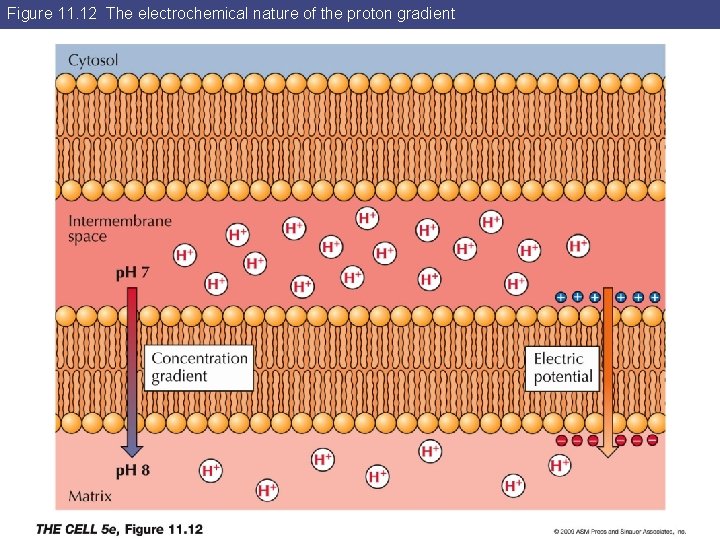
Figure 11. 12 The electrochemical nature of the proton gradient
The Mechanism of Oxidative Phosphorylation Both the p. H gradient and the electric potential drive protons back into the matrix, so they combine to form an electrochemical gradient across the inner membrane, corresponding to a ΔG of approximately – 5 kcal/mol per proton. The phospholipid bilayer is impermeable to ions, so protons can cross the membrane only through a protein channel.
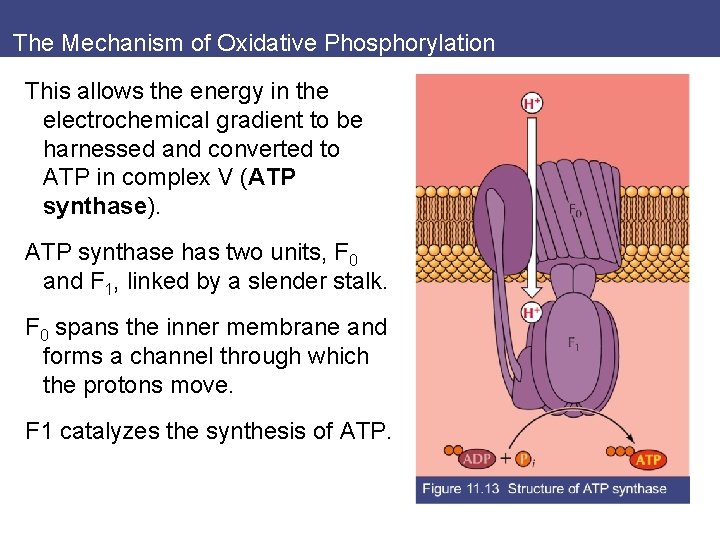
The Mechanism of Oxidative Phosphorylation This allows the energy in the electrochemical gradient to be harnessed and converted to ATP in complex V (ATP synthase). ATP synthase has two units, F 0 and F 1, linked by a slender stalk. F 0 spans the inner membrane and forms a channel through which the protons move. F 1 catalyzes the synthesis of ATP.
The Mechanism of Oxidative Phosphorylation The flow of protons through F 0 drives the rotation of part of F 1, which acts as a rotary motor to drive ATP synthesis. Four protons are required to synthesize one ATP. Oxidation of one NADH yields 2. 5 (3) ATP; oxidation of FADH 2 yields 1. 5 (2) ATP.
The Mechanism of Oxidative Phosphorylation The electrochemical gradient also drives transport of small molecules into and out of mitochondria. For example, ATP must be exported, while ADP and Pi need to brought in. This is mediated by an integral membrane protein, which transports one ADP in, in exchange for one ATP transferred out.
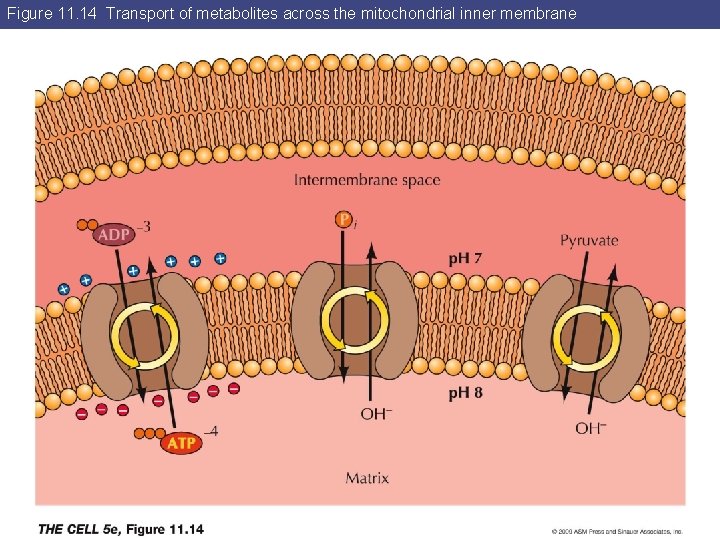
Figure 11. 14 Transport of metabolites across the mitochondrial inner membrane

The Mechanism of Oxidative Phosphorylation ATP carries a more negative charge than ADP (– 4 compared to – 3), so the exchange is driven by the voltage component of the electrochemical gradient. Pi is brought in as phosphate (H 2 PO 4–) in exchange for hydroxyl ions (OH–). This exchange is electrically neutral, but is driven by the proton concentration gradient.
The Mechanism of Oxidative Phosphorylation Higher p. H within mitochondria corresponds to a higher concentration of hydroxyl ions, favoring their translocation to the outside. Import of other metabolites such as pyruvate is mediated by a transport protein that exchanges pyruvate for hydroxyl ions.
Chloroplasts and Other Plastids Chloroplasts, the organelles responsible for photosynthesis, are similar to mitochondria in many ways. Both generate metabolic energy, both evolved by endosymbiosis, both contain their own genetic systems, and both replicate by division. But chloroplasts are larger and more complex. They convert CO 2 to carbohydrates; and synthesize amino acids, fatty acids, and the lipid components of their own membranes. Reduction of nitrite (NO 2–) to ammonia (NH 3), essential for incorporation of N into organic compounds, also takes place here.
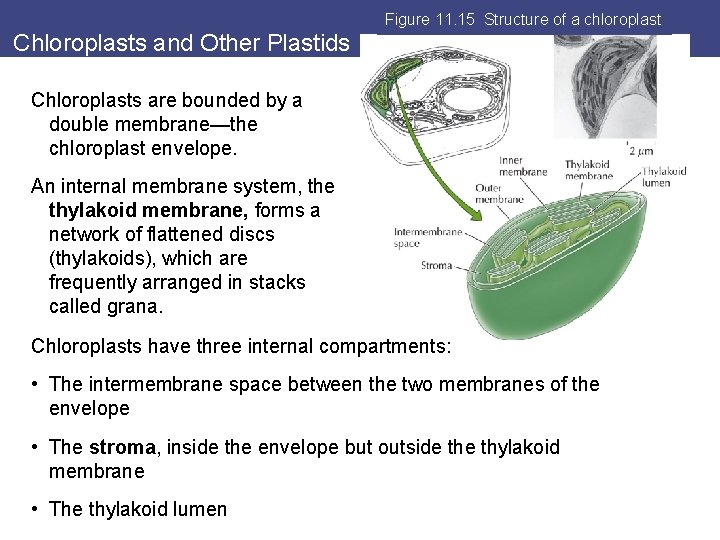
Figure 11. 15 Structure of a chloroplast Chloroplasts and Other Plastids Chloroplasts are bounded by a double membrane—the chloroplast envelope. An internal membrane system, the thylakoid membrane, forms a network of flattened discs (thylakoids), which are frequently arranged in stacks called grana. Chloroplasts have three internal compartments: • The intermembrane space between the two membranes of the envelope • The stroma, inside the envelope but outside thylakoid membrane • The thylakoid lumen
Chloroplasts and Other Plastids Chloroplast membranes are functionally similar to those of mitochondria. The outer membrane contains porins and is freely permeable to small molecules. The inner membrane is impermeable to ions and metabolites, which must move through specific membrane transporters. The chloroplast stroma is equivalent in function to the mitochondrial matrix: It contains the genetic system and metabolic enzymes, including those involved in converting CO 2 to carbohydrates during photosynthesis. Electron transport and the chemiosmotic generation of ATP takes place in the thylakoid membrane.
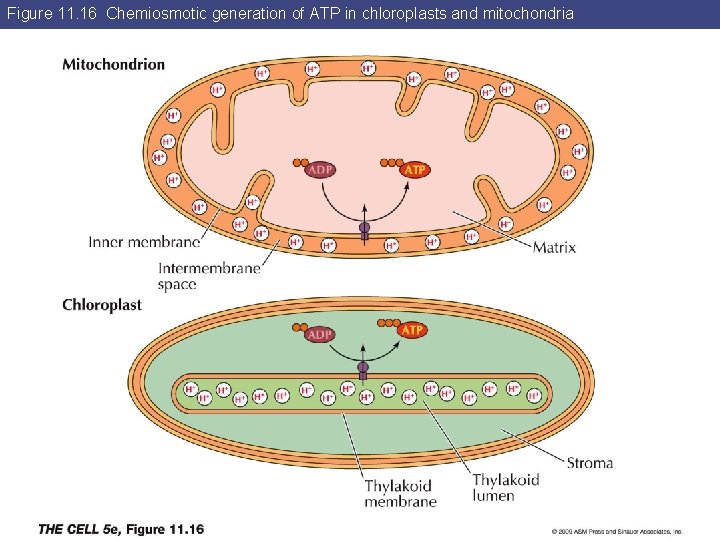
Figure 11. 16 Chemiosmotic generation of ATP in chloroplasts and mitochondria
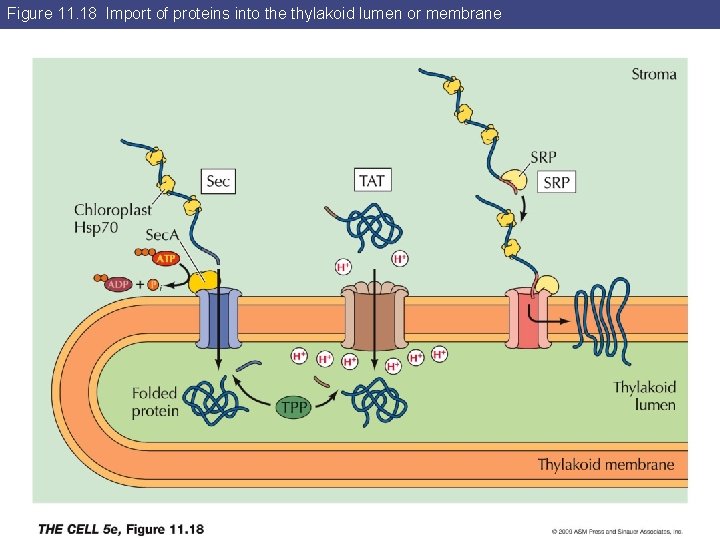
Figure 11. 18 Import of proteins into the thylakoid lumen or membrane
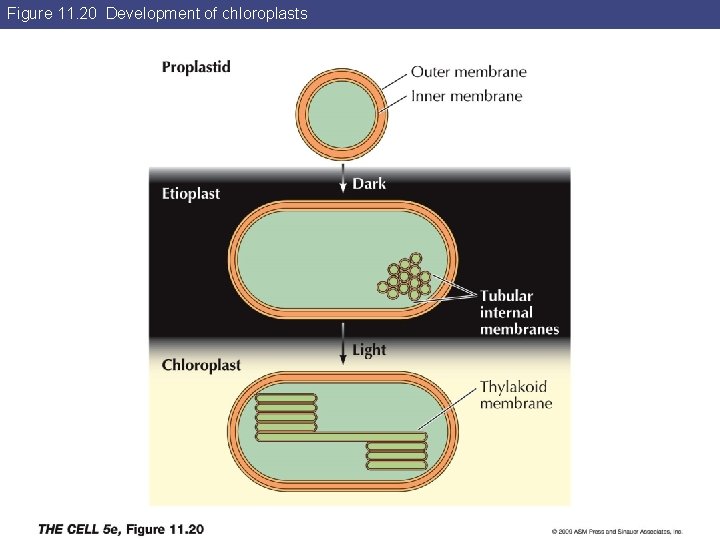
Figure 11. 20 Development of chloroplasts
Photosynthesis By converting the energy of sunlight to a usable form of potential chemical energy, photosynthesis is the ultimate source of metabolic energy for all biological systems. Photosynthesis takes place in two stages. In the light reactions, energy from sunlight drives synthesis of ATP and NADPH, coupled to the formation of O 2 from H 2 O. In the dark reactions, the ATP and NADPH drive glucose synthesis.
Photosynthesis Sunlight is absorbed by photosynthetic pigments—the chlorophylls. Absorption of light excites an electron to a higher energy state, which converts light energy to potential chemical energy. Photocenters in the thylakoid membrane contains hundreds of pigment molecules. The many pigment molecules in each photocenter act as antennae to absorb light and transfer the energy of their excited electrons to a chlorophyll molecule that serves as a reaction center.
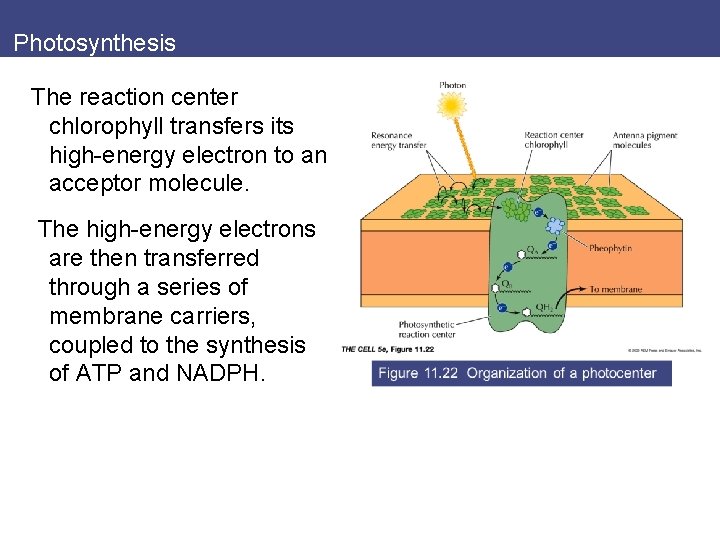
Photosynthesis The reaction center chlorophyll transfers its high-energy electron to an acceptor molecule. The high-energy electrons are then transferred through a series of membrane carriers, coupled to the synthesis of ATP and NADPH.
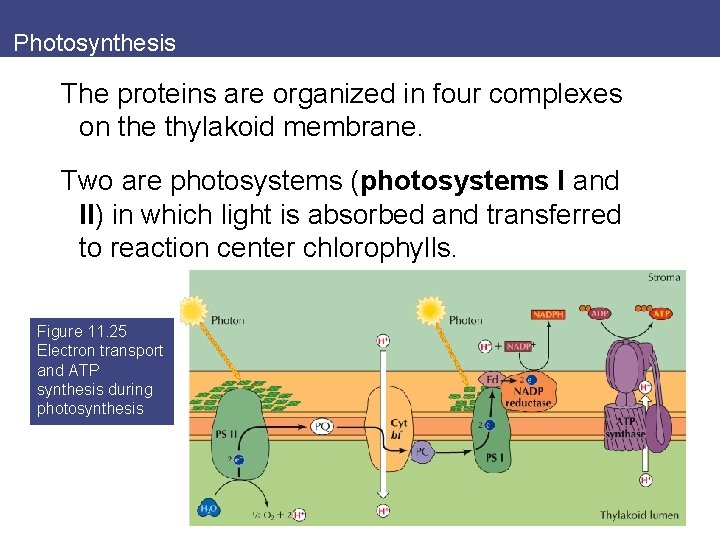
Photosynthesis The proteins are organized in four complexes on the thylakoid membrane. Two are photosystems (photosystems I and II) in which light is absorbed and transferred to reaction center chlorophylls. Figure 11. 25 Electron transport and ATP synthesis during photosynthesis
Photosynthesis High energy electrons are transferred through a series of carriers in both photosystems and the cytochrome bf complex. These electron transfers are coupled to the transfer of protons into the thylakoid lumen, setting up a proton gradient across the thylakoid membrane. The energy is harvested by ATP synthase, which couples proton flow back across the membrane to the synthesis of ATP.
Photosynthesis The pathway of electron flow starts at photosystem II. Energy from absorption of photons is used to split water molecules to molecular oxygen and protons in the lumen. Release of protons establishes a proton gradient. The high-energy electrons are then transferred to plastoquinone, which carries them to the cytochrome bf complex. In the cytochrome bf complex, electrons are transferred to plastocyanin and additional protons are pumped into the thylakoid lumen.
Photosynthesis Electrons are then carried by plastocyanin to photosystem I, where the absorption of additional photons again generates high-energy electrons. These electrons are transferred to to ferredoxin, which then complexes with NADP reductase and transfers electrons from ferrodoxin to NADP+, generating NADPH. In cyclic electron flow, ATP is produced but not NADPH, supplying ATP for other metabolic processes. High-energy electrons from photosystem I are transferred to the cytochrome bf complex, which is coupled to protons being pumped into the lumen. The electrons are returned to photosystem I by plastocyanin.
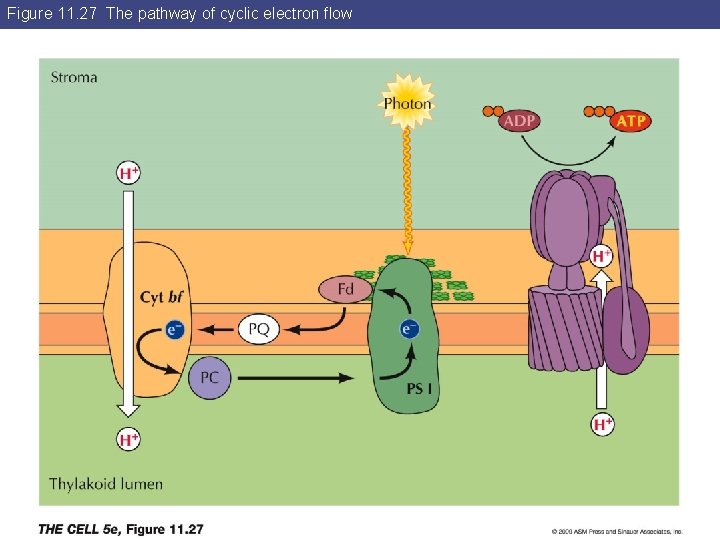
Figure 11. 27 The pathway of cyclic electron flow
Photosynthesis The difference can be more than three p. H units between the stroma and thylakoid lumen. Thus, the total free energy stored across the thylakoid membrane is similar to that stored across the inner mitochondrial membrane. For each pair of electrons transported, 2 protons are transferred at photosystem II and 2– 4 protons at cytochrome bf complex. Since 4 protons are needed to for synthesis of 1 ATP, each pair of electrons yields 1 to 1. 5 ATP. Cyclic electron flow yields 0. 5 to 1 ATP per pair of electrons.
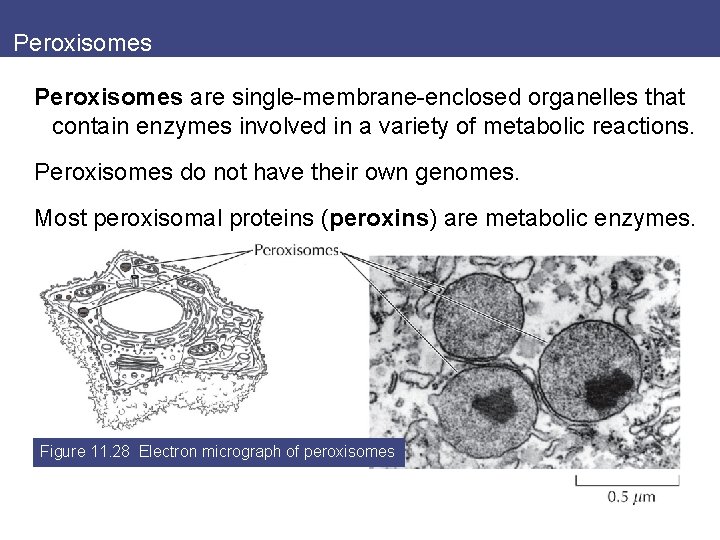
Peroxisomes are single-membrane-enclosed organelles that contain enzymes involved in a variety of metabolic reactions. Peroxisomes do not have their own genomes. Most peroxisomal proteins (peroxins) are metabolic enzymes. Figure 11. 28 Electron micrograph of peroxisomes
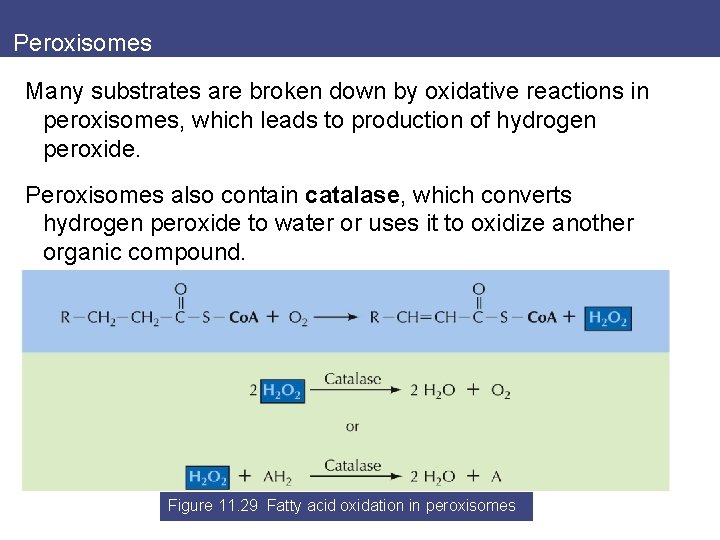
Peroxisomes Many substrates are broken down by oxidative reactions in peroxisomes, which leads to production of hydrogen peroxide. Peroxisomes also contain catalase, which converts hydrogen peroxide to water or uses it to oxidize another organic compound. Figure 11. 29 Fatty acid oxidation in peroxisomes
Peroxisomes are also involved in synthesis of lipids and the amino acid lysine. In animal cells, cholesterol and dolichol are synthesized in peroxisomes and in the ER. In the liver, peroxisomes are involved in synthesis of bile acids from cholesterol. Peroxisomes also contain enzymes for synthesis of plasmalogens—phospholipids with one hydrocarbon chain joined to glycerol by an ether bond rather than an ester bond. Plasmalogens are important membrane components in some tissues.
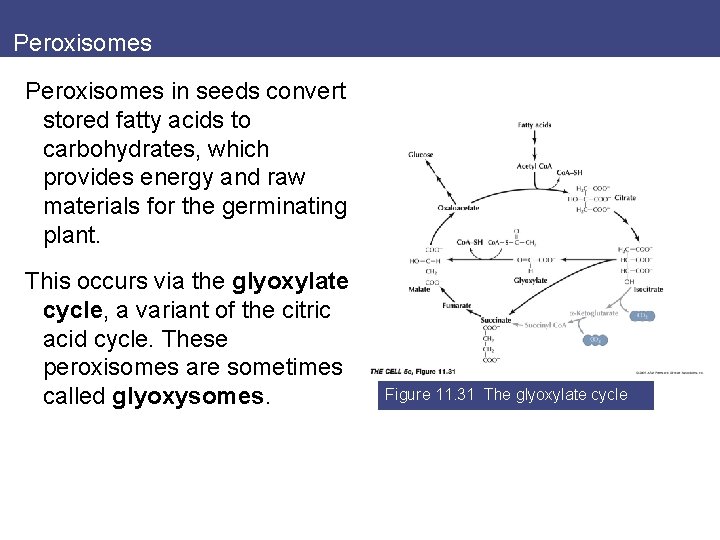
Peroxisomes in seeds convert stored fatty acids to carbohydrates, which provides energy and raw materials for the germinating plant. This occurs via the glyoxylate cycle, a variant of the citric acid cycle. These peroxisomes are sometimes called glyoxysomes. Figure 11. 31 The glyoxylate cycle
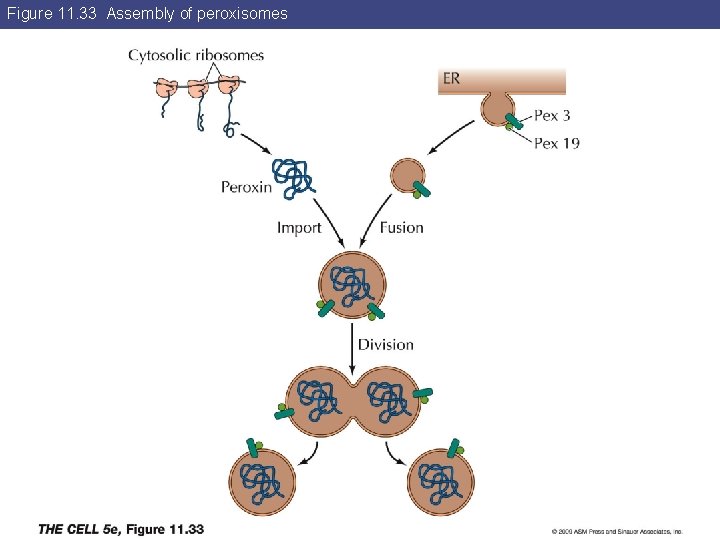
Figure 11. 33 Assembly of peroxisomes
Peroxisomes Some diseases result in deficiencies in peroxisomal enzymes, or failure to be imported into the peroxisome. Zellweger syndrome, which is lethal within the first ten years of life, can result from mutations in at least ten different genes affecting peroxisomal protein import.
- Slides: 68