
11 1 Antibody production and vaccination Understanding Every
11. 1 Antibody production and vaccination Understanding: - Every organism has unique molecules on the surface of their cells - B lymphocytes are activated by T lymphocytes in mammals - Plasma cells secrete antibodies - Activtaed B cells multiply to form a clone of plasma cells and memory cells - Antibodies aid the destruction of pathogens - Immunity depends upon the persistence of memory cells - Vaccines contain antigens that trigger immunity but do not cause the disease - Pathogens can be species specific although others can cross species barriers - White cells release histamine in response to allergens - Histamines cause allergic symptoms - Fusion of a tumour cell with an antibody producing plasma cell creates a hybridoma cell - Monoclonal antibodies are produced by hybridoma cells Applications: - Antigens on the surface of red blood cells stimulate antibody production in a person with a different blood group - Small pox was the first infectious disease of humans to have been eradicated by vaccination - Monoclonal antibodies to h. CG are used in pregnancy test kits Nature of science: - Consider ethical implications of research: Jenner tested his vaccine for smallpox on a child Skills: - Analysis of epidemiological data related to vaccination programmes.

Antigens Antigen = Foreign molecule that can trigger an immune response. Found on the surface of invasive cells: cancer cells, parasites, bacteria, viruses…
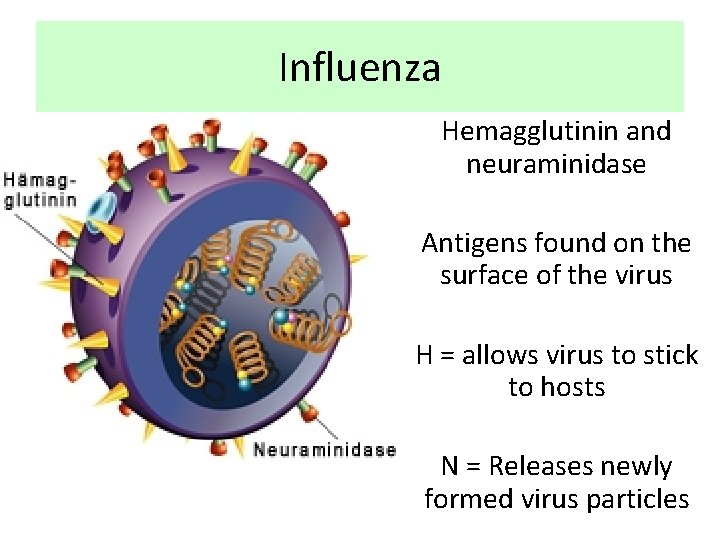
Influenza Hemagglutinin and neuraminidase Antigens found on the surface of the virus H = allows virus to stick to hosts N = Releases newly formed virus particles
Immune system Distinguish between foreign and self antigens
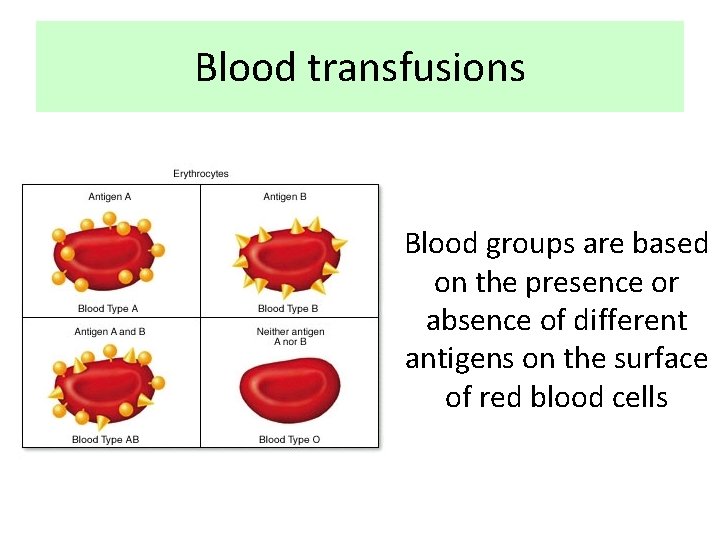
Blood transfusions Blood groups are based on the presence or absence of different antigens on the surface of red blood cells

Blood transfusions Mismatch between donor and recipient in a blood transfusion can lead to an immune response.
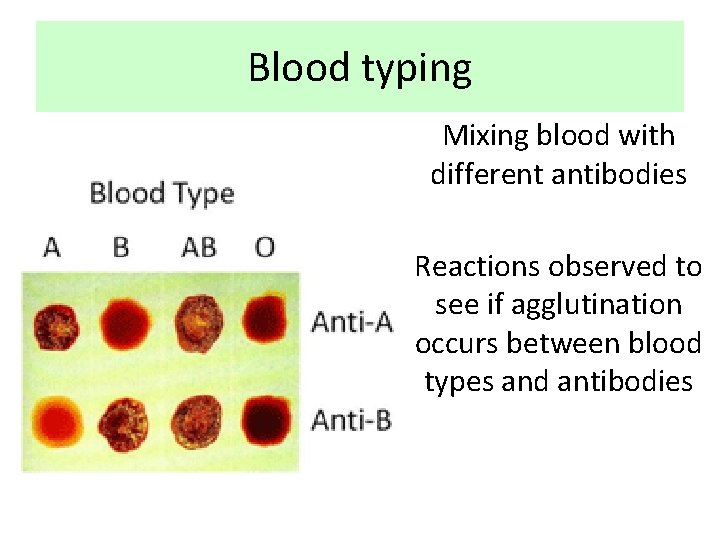
Blood typing Mixing blood with different antibodies Reactions observed to see if agglutination occurs between blood types and antibodies
Specific immune response Challenge and response Challenge: Antigens on surface of pathogens invading the body Response: Stages that follow the challenge…
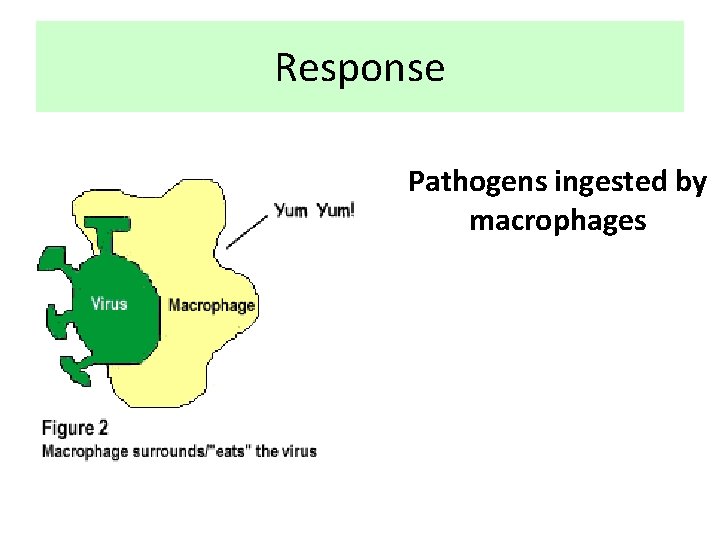
Response Pathogens ingested by macrophages
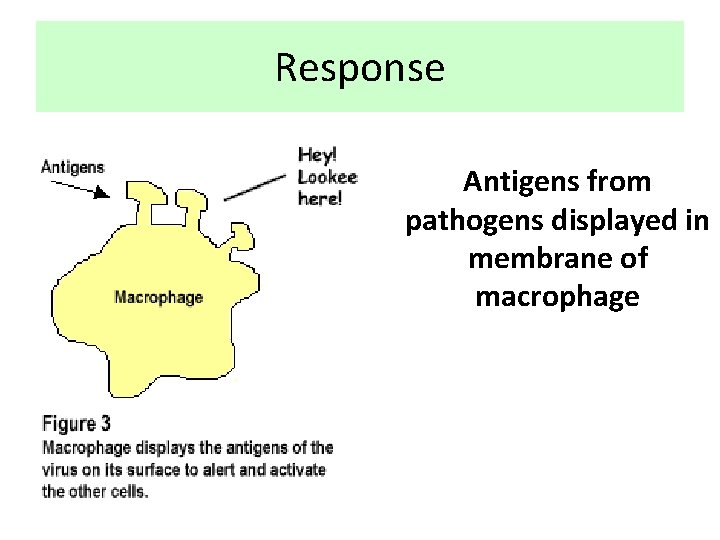
Response Antigens from pathogens displayed in membrane of macrophage
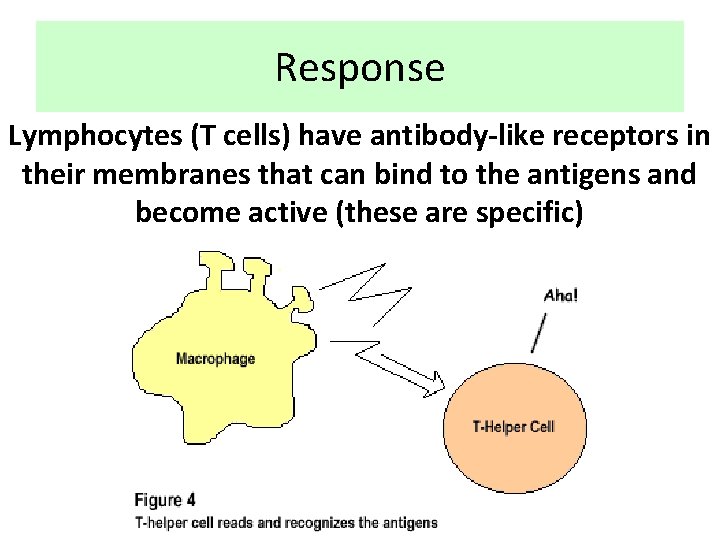
Response Lymphocytes (T cells) have antibody-like receptors in their membranes that can bind to the antigens and become active (these are specific)
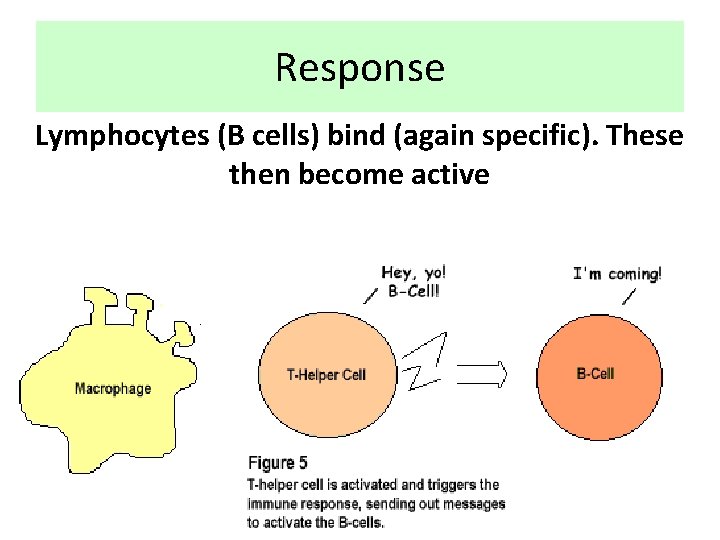
Response Lymphocytes (B cells) bind (again specific). These then become active
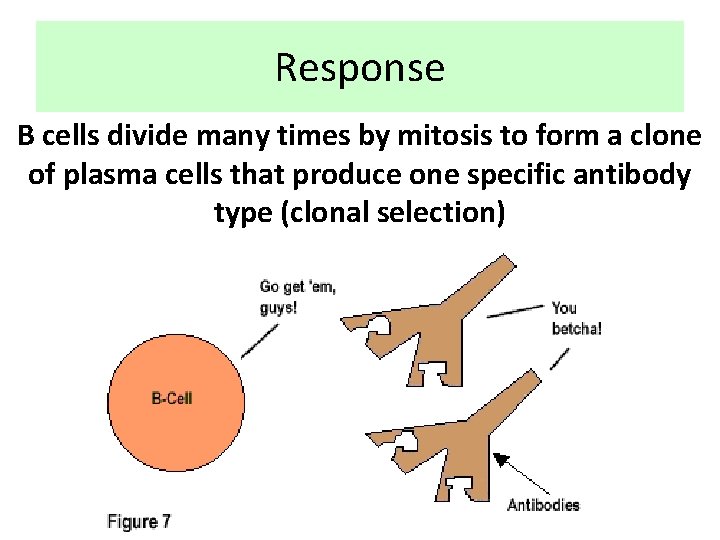
Response B cells divide many times by mitosis to form a clone of plasma cells that produce one specific antibody type (clonal selection)
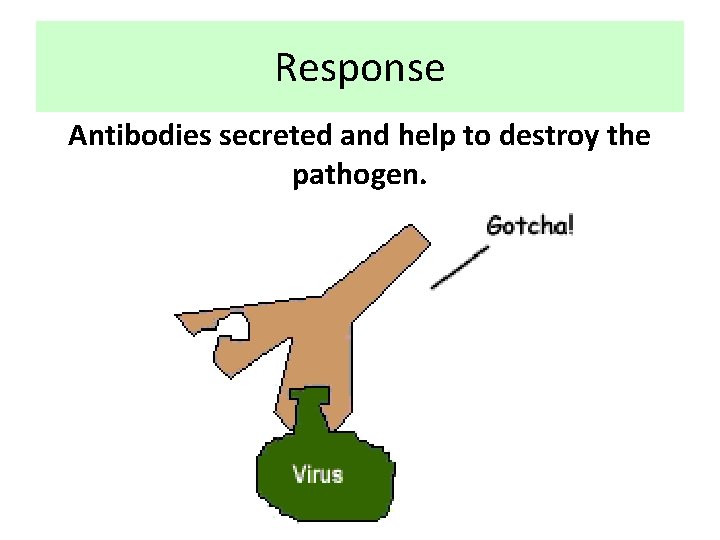
Response Antibodies secreted and help to destroy the pathogen.
Response Antibodies persist in the body for a few weeks or months Plasma cells a gradually broken down once infection has been beaten Memory cells remain long after the infection Remain inactive unless the same pathogen infects the body again – where they become active and respond very rapidly
Summarise the key steps of immune response (the ppt is online!)
- Slides: 16