
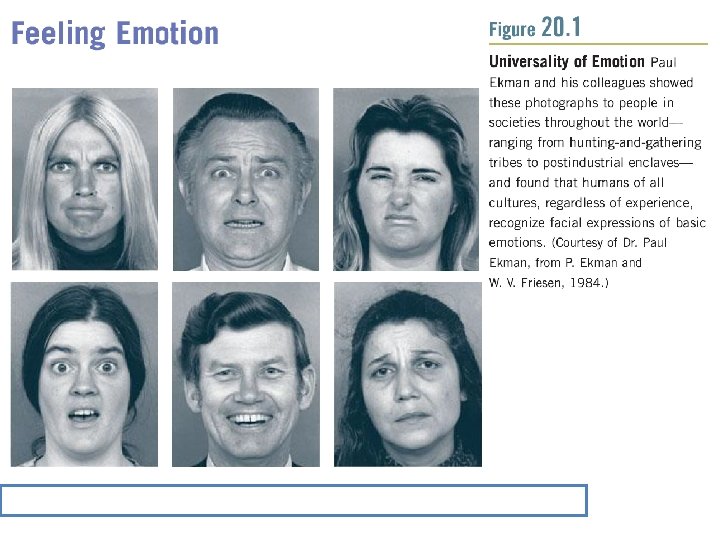
11 04 Are facial expressions learned or innate





- Slides: 69
11. 04
Are facial expressions learned or innate? https: //www. youtube. com/watch? v=5 G 6 ZR 5 l. Jg. TI
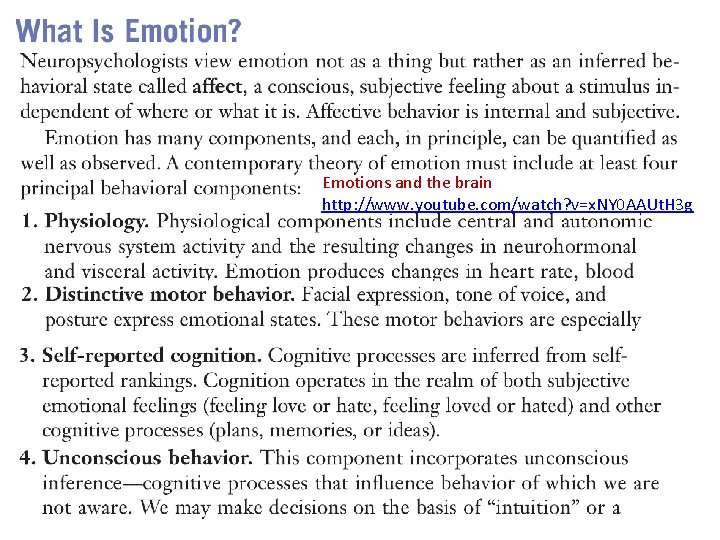
Emotions and the brain http: //www. youtube. com/watch? v=x. NY 0 AAUt. H 3 g
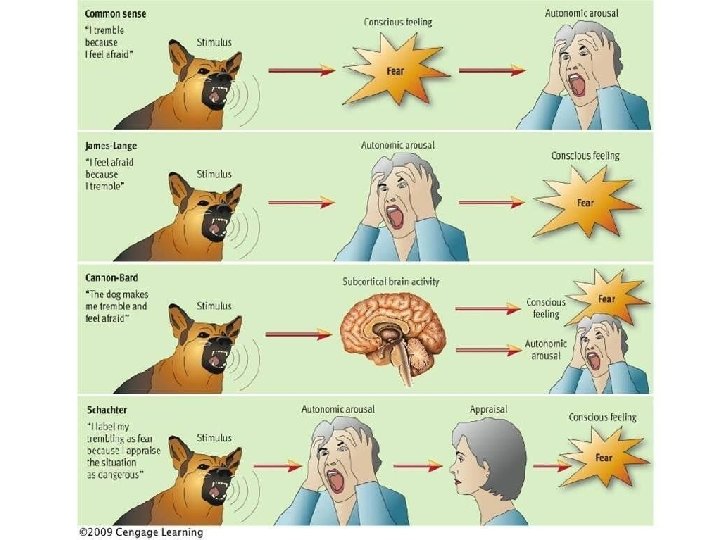
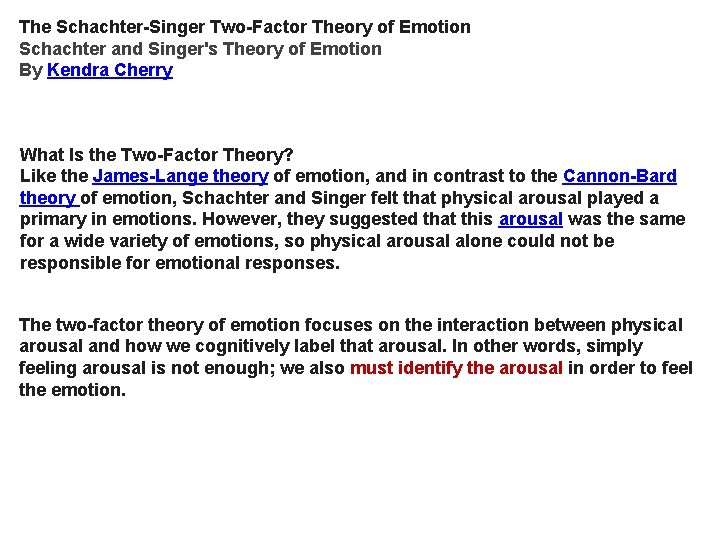
The Schachter-Singer Two-Factor Theory of Emotion Schachter and Singer's Theory of Emotion By Kendra Cherry What Is the Two-Factor Theory? Like the James-Lange theory of emotion, and in contrast to the Cannon-Bard theory of emotion, Schachter and Singer felt that physical arousal played a primary in emotions. However, they suggested that this arousal was the same for a wide variety of emotions, so physical arousal alone could not be responsible for emotional responses. The two-factor theory of emotion focuses on the interaction between physical arousal and how we cognitively label that arousal. In other words, simply feeling arousal is not enough; we also must identify the arousal in order to feel the emotion.
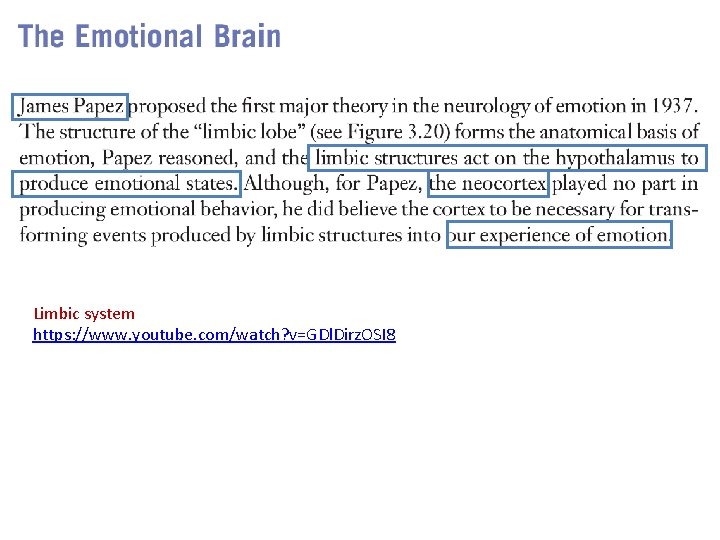
Limbic system https: //www. youtube. com/watch? v=GDl. Dirz. OSI 8
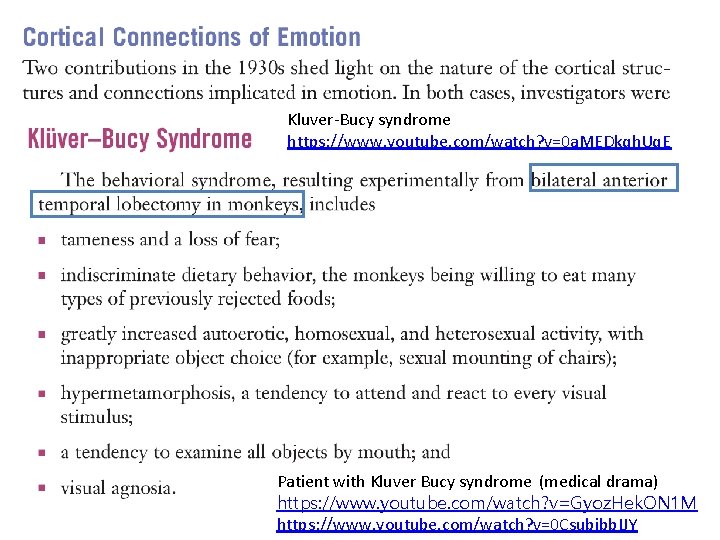
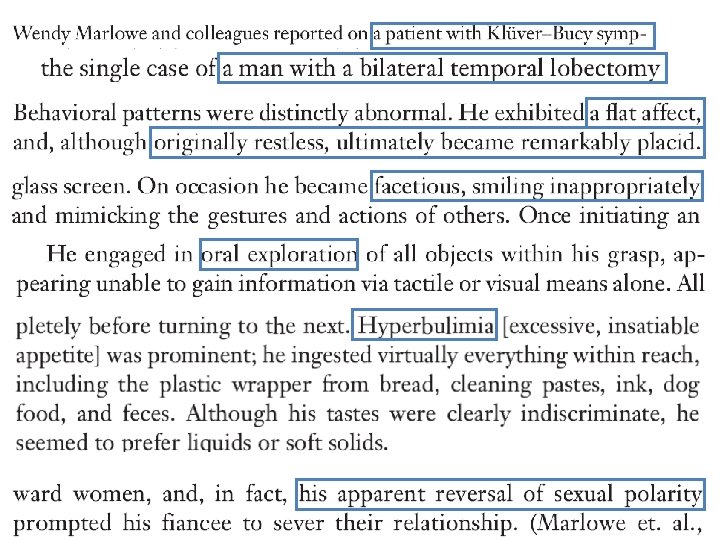
Kluver-Bucy syndrome https: //www. youtube. com/watch? v=0 a. MEDkqh. Uq. E Patient with Kluver Bucy syndrome (medical drama) https: //www. youtube. com/watch? v=Gyoz. Hek. ON 1 M https: //www. youtube. com/watch? v=0 Csubibb. IJY
Lobotomy https: //www. youtube. com/w atch? v=Strsv. KSAb. T 8
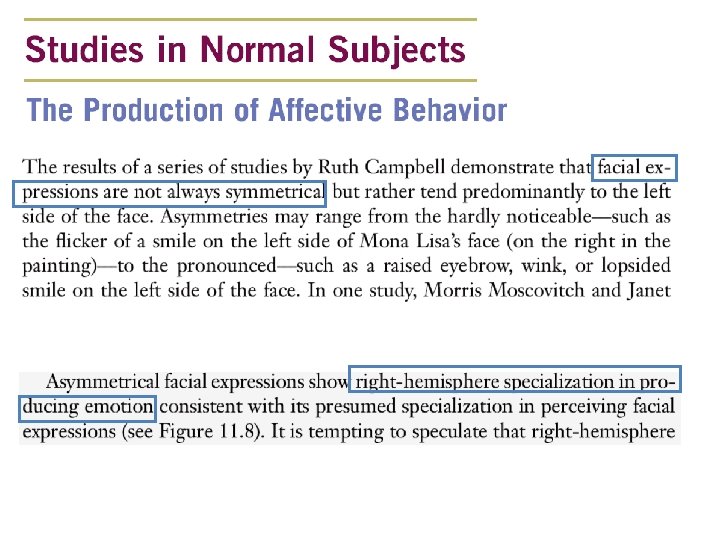
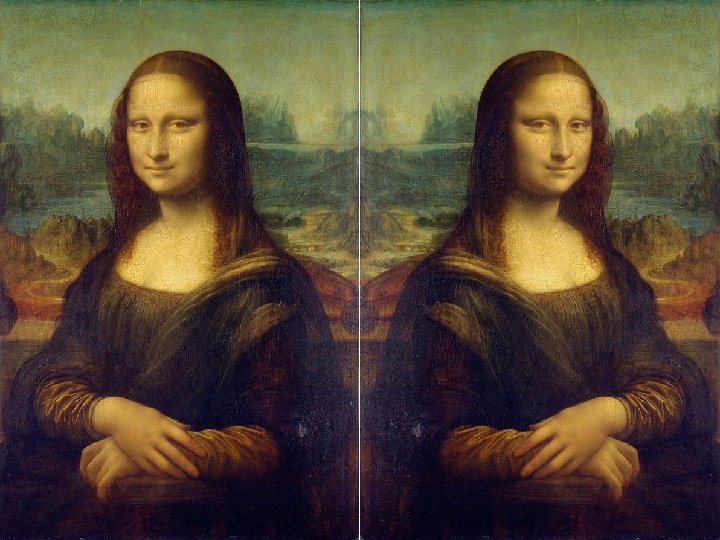
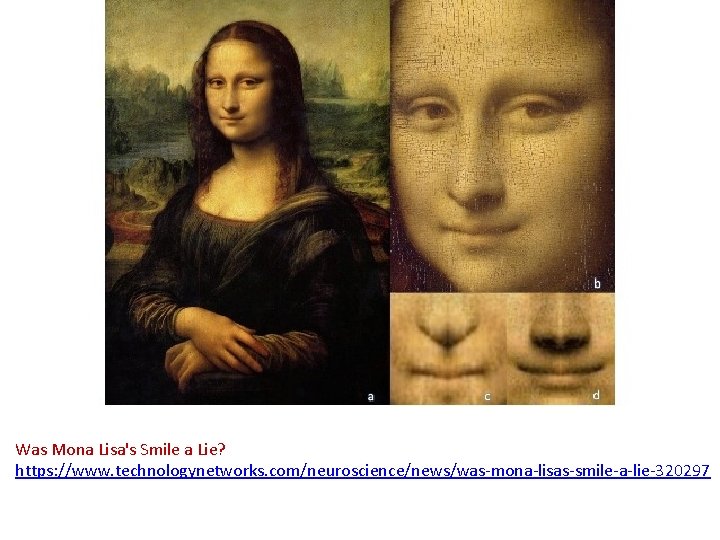
Was Mona Lisa's Smile a Lie? https: //www. technologynetworks. com/neuroscience/news/was-mona-lisas-smile-a-lie-320297
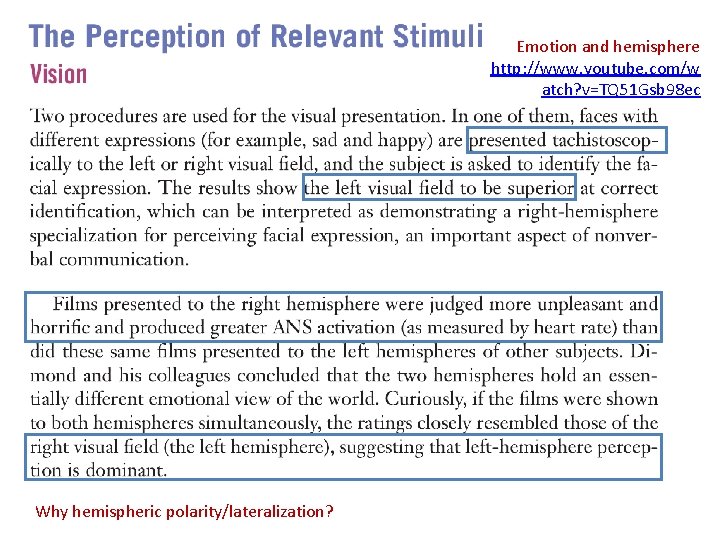
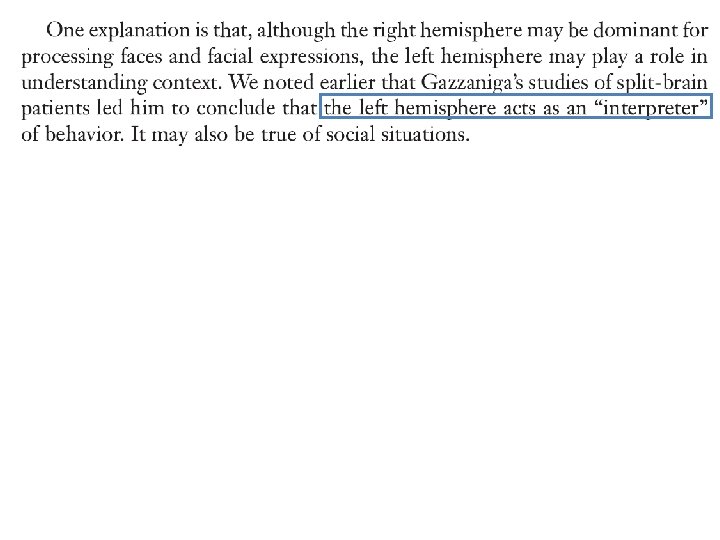
Emotion and hemisphere http: //www. youtube. com/w atch? v=TQ 51 Gsb 98 ec Why hemispheric polarity/lateralization?
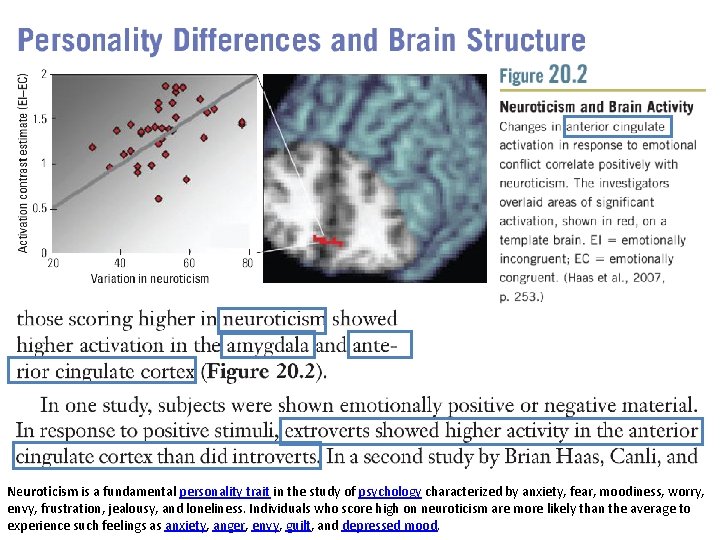
Neuroticism is a fundamental personality trait in the study of psychology characterized by anxiety, fear, moodiness, worry, envy, frustration, jealousy, and loneliness. Individuals who score high on neuroticism are more likely than the average to experience such feelings as anxiety, anger, envy, guilt, and depressed mood.
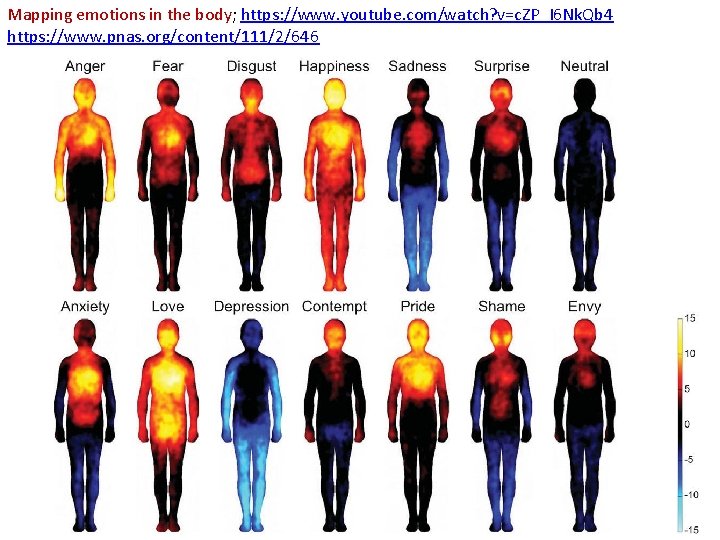
Mapping emotions in the body; https: //www. youtube. com/watch? v=c. ZP_I 6 Nk. Qb 4 https: //www. pnas. org/content/111/2/646
https: //www. youtube. com/watch? v=Pyg. Fl. Mlrf. Ew
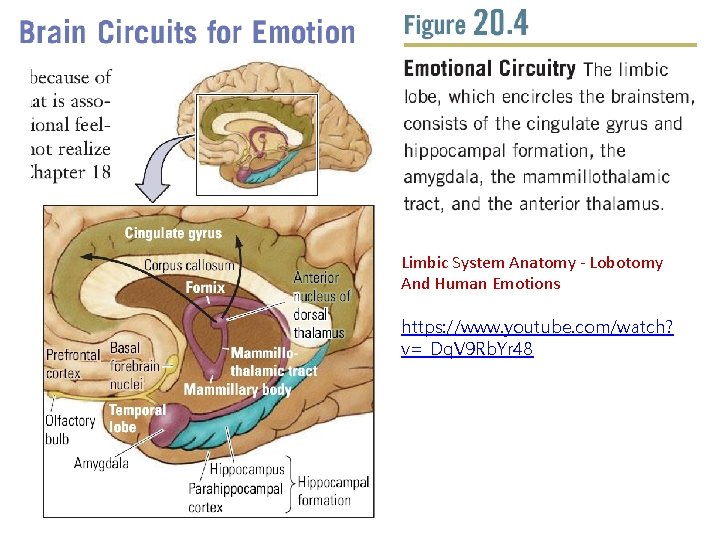
Limbic System Anatomy - Lobotomy And Human Emotions https: //www. youtube. com/watch? v=_Dq. V 9 Rb. Yr 48
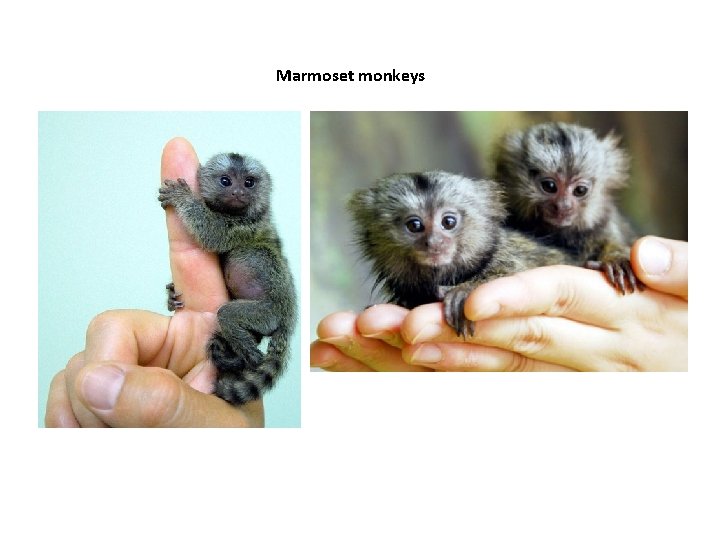
Marmoset monkeys
Neurobiology of pleasure and happiness https: //www. youtube. com/watch? v=8 f-T 7 lgd. LPI
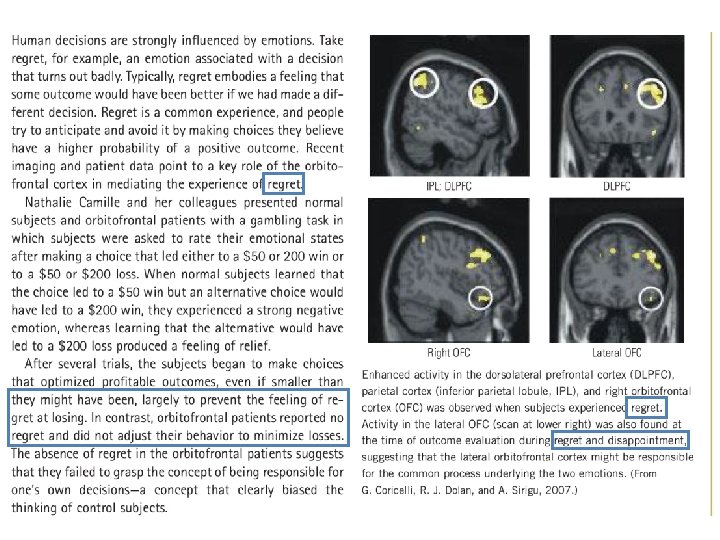
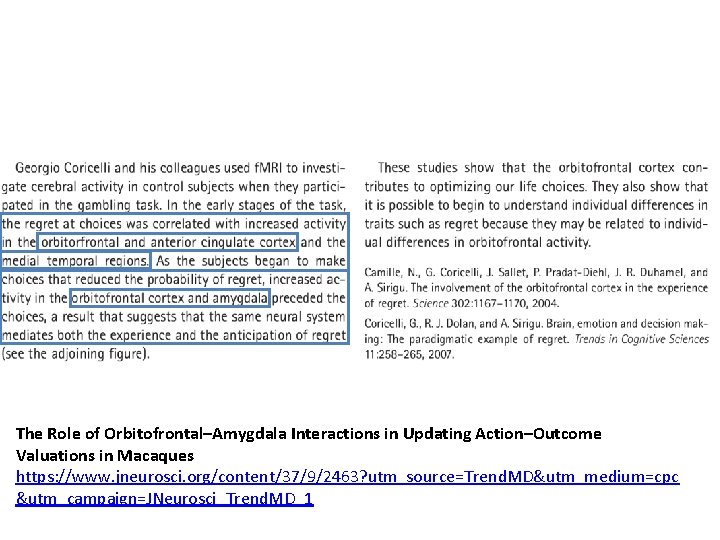
The Role of Orbitofrontal–Amygdala Interactions in Updating Action–Outcome Valuations in Macaques https: //www. jneurosci. org/content/37/9/2463? utm_source=Trend. MD&utm_medium=cpc &utm_campaign=JNeurosci_Trend. MD_1
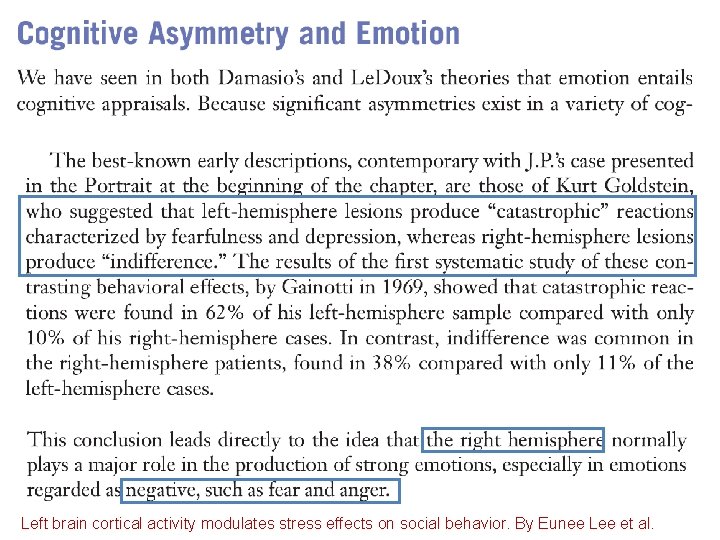
Left brain cortical activity modulates stress effects on social behavior. By Eunee Lee et al.
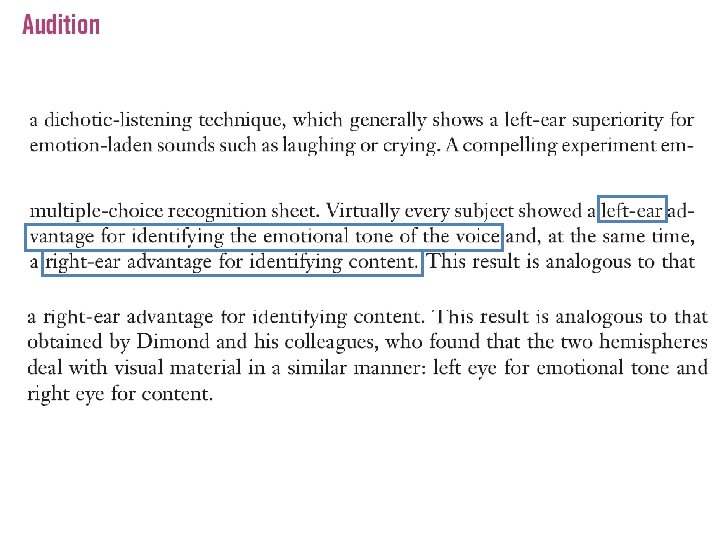
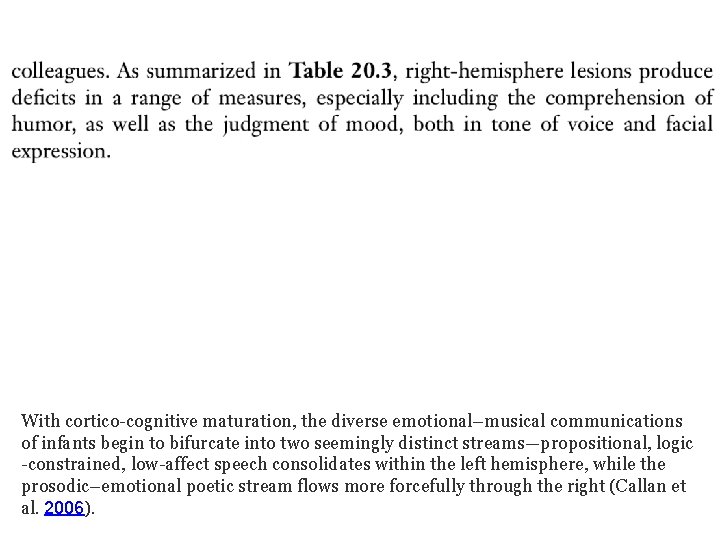
With cortico-cognitive maturation, the diverse emotional–musical communications of infants begin to bifurcate into two seemingly distinct streams—propositional, logic -constrained, low-affect speech consolidates within the left hemisphere, while the prosodic–emotional poetic stream flows more forcefully through the right (Callan et al. 2006).
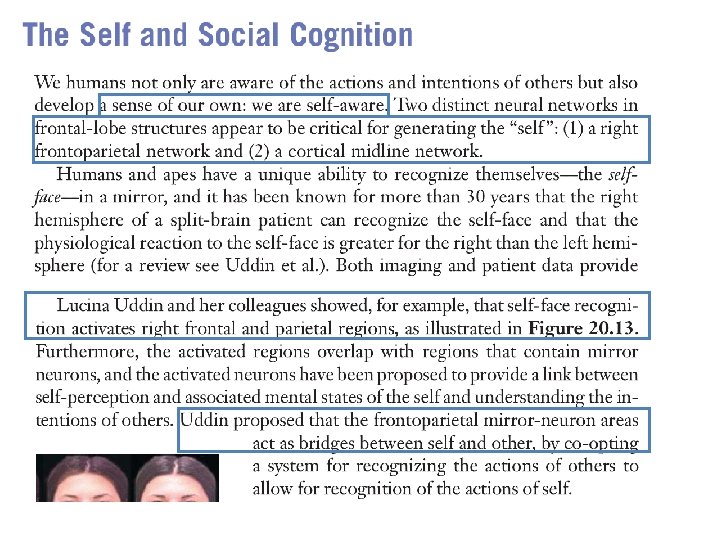
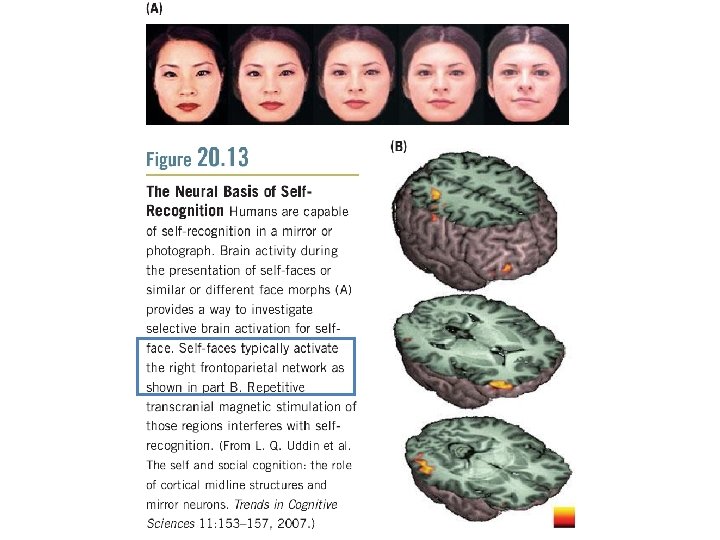
Mirror neuron http: //www. youtube. com/watch? v=Xmx 1 q. Pyo 8 Ks
A mirror neuron is a neuron that fires both when an animal acts and when the animal observes the same action performed by another. [1][2][3] Thus, the neuron "mirrors" the behavior of the other, as though the observer were itself acting. Such neurons have been directly observed in primate species. [4] Birds have been shown to have imitative resonance behaviors and neurological evidence suggests the presence of some form of mirroring system. [4][5] In humans, brain activity consistent with that of mirror neurons has been found in the premotor cortex, the supplementary motor area, the primary somatosensory cortex and the inferior parietal cortex. [6]
Theory of mind test http: //www. youtube. com/wat ch? v=YGSj 2 z. Y 2 OEM