
101 Edomites Identity Geography Deity and Literature Significance
![Tomb of the Royal Steward "[Shebna]yahu"- the same name as Shubnaqos, but with theophoric](https://slidetodoc.com/presentation_image_h/1607a47e493a24b7019dd67c30675c3f/image-19.jpg "Tomb of the Royal Steward \"[Shebna]yahu\"- the same name as Shubnaqos, but with theophoric")

- Slides: 69
101 Edomites Identity Geography Deity and Literature Significance History and Israel Lessons Learnt Dr. Rick Griffith • Singapore Bible College Bible. Study. Downloads. org
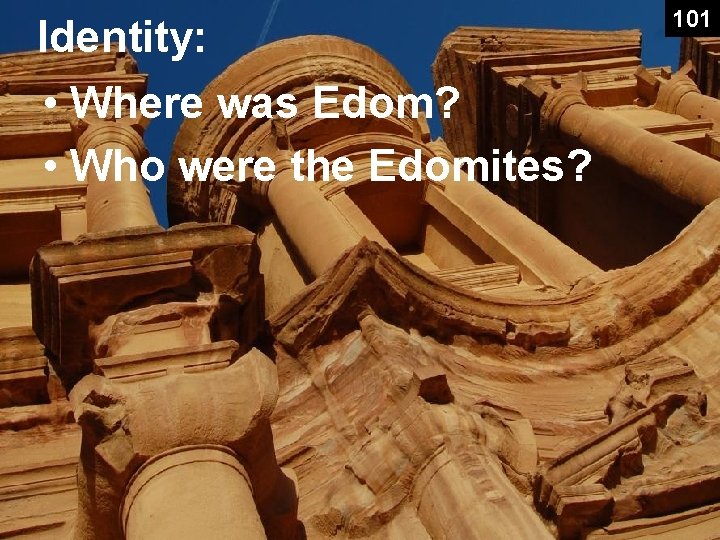
Identity: • Where was Edom? • Who were the Edomites? 101
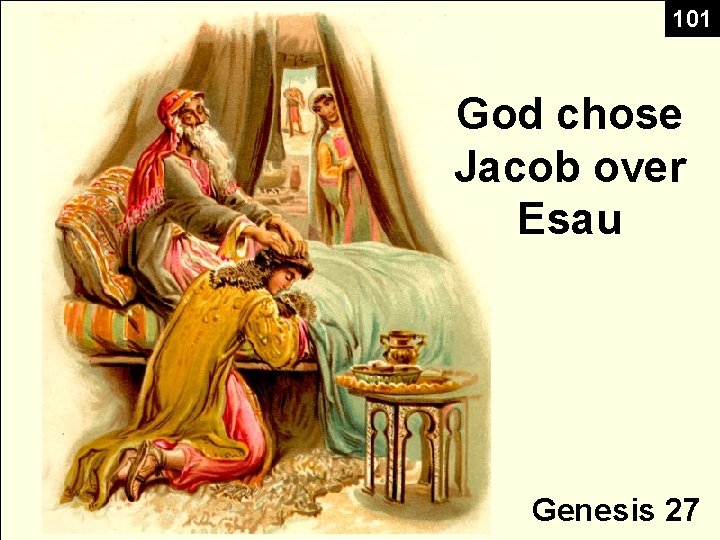
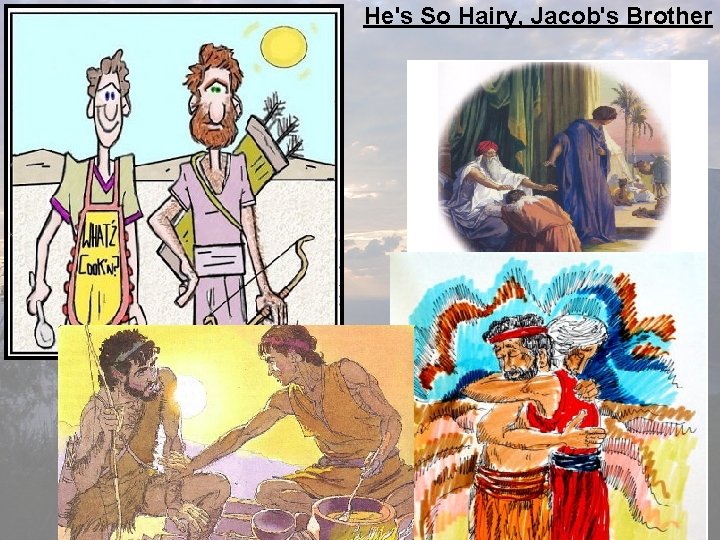
101 God chose Jacob over Esau Genesis 27
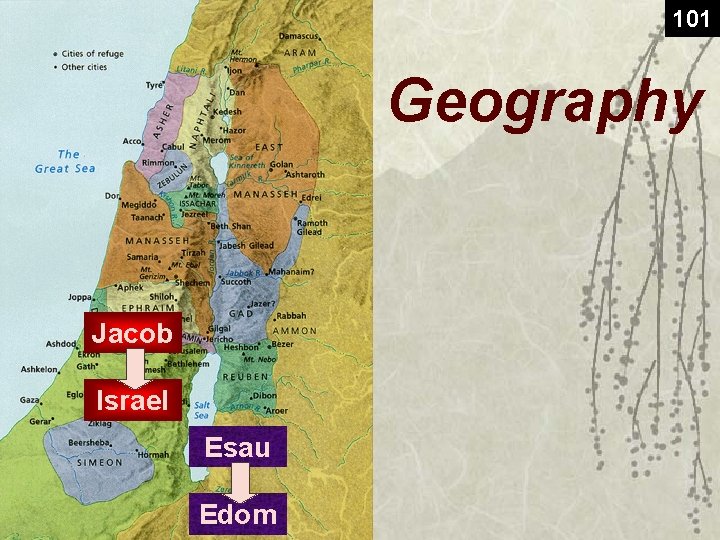
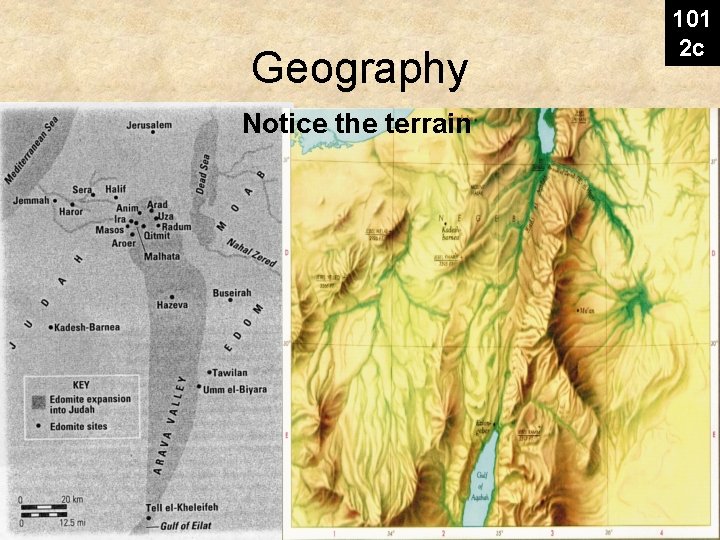
101 Geography Jacob Israel Esau Edom
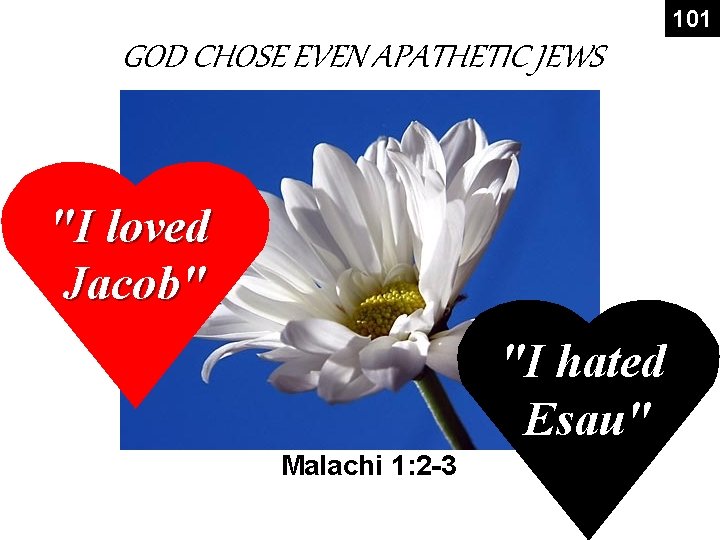
101 GOD CHOSE EVEN APATHETIC JEWS "I loved Jacob" "I hated Esau" Malachi 1: 2 -3
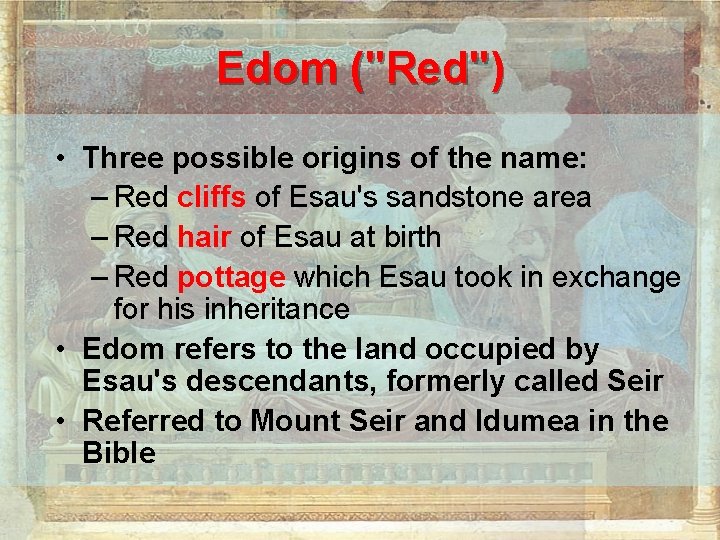
Edom ("Red") • Three possible origins of the name: – Red cliffs of Esau's sandstone area – Red hair of Esau at birth – Red pottage which Esau took in exchange for his inheritance • Edom refers to the land occupied by Esau's descendants, formerly called Seir • Referred to Mount Seir and Idumea in the Bible
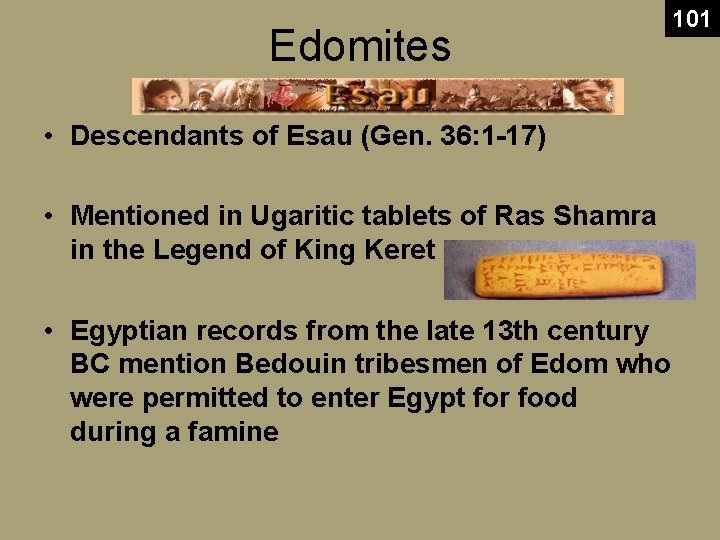
Edomites 101 • Descendants of Esau (Gen. 36: 1 -17) • Mentioned in Ugaritic tablets of Ras Shamra in the Legend of King Keret • Egyptian records from the late 13 th century BC mention Bedouin tribesmen of Edom who were permitted to enter Egypt for food during a famine
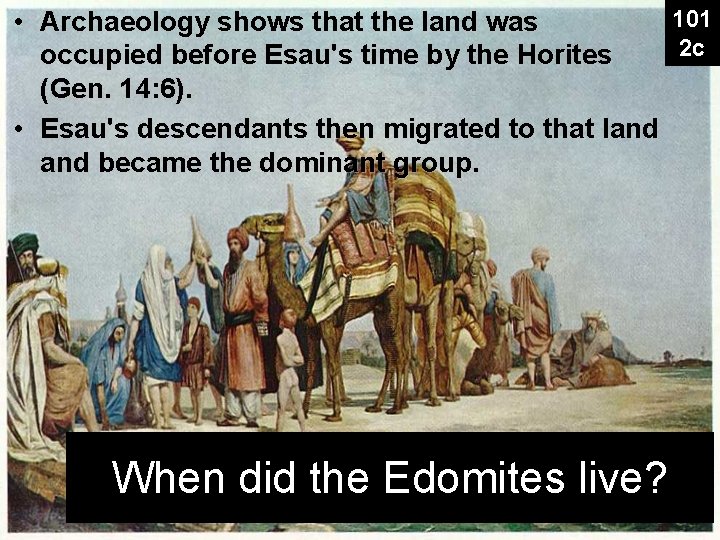
101 • Archaeology shows that the land was 2 c occupied before Esau's time by the Horites (Gen. 14: 6). • Esau's descendants then migrated to that land became the dominant group. When did the Edomites live?
He's So Hairy, Jacob's Brother
Geography Notice the terrain 101 2 c
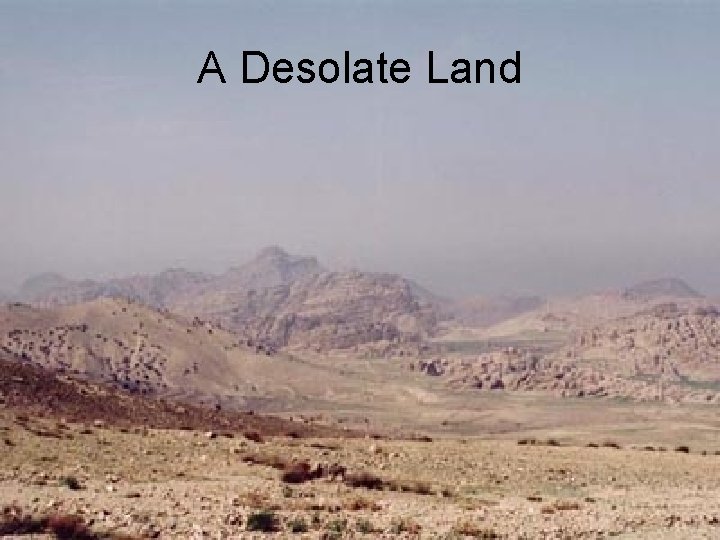
A Desolate Land
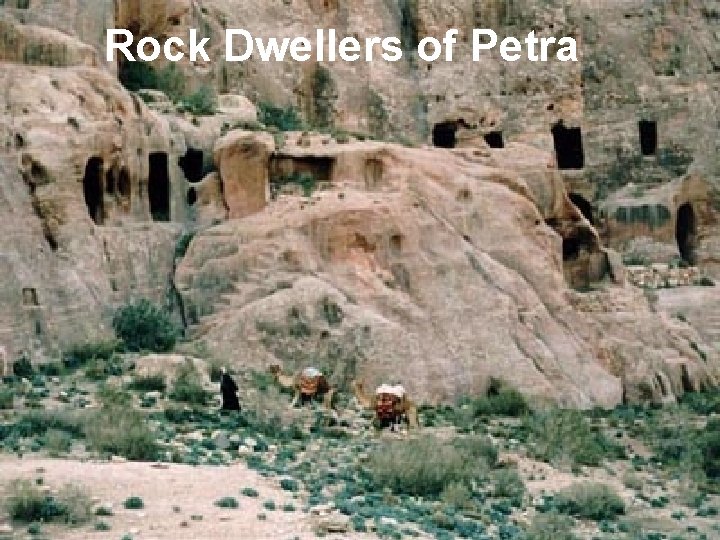
Rock Dwellers of Petra
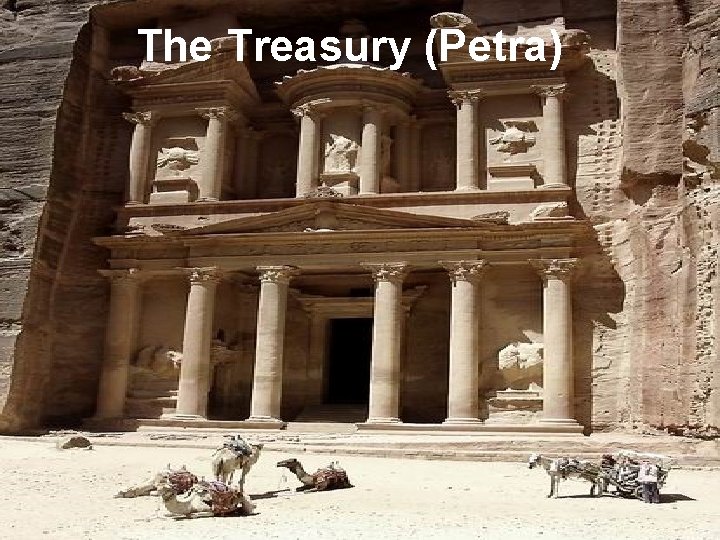
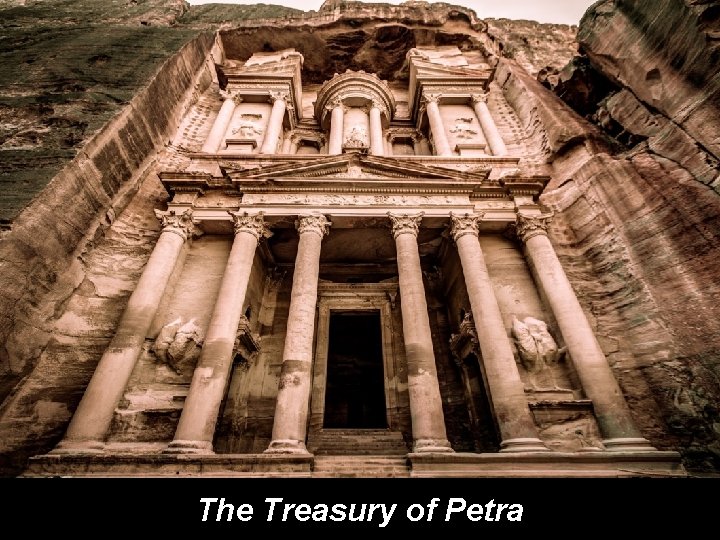
The Treasury (Petra)
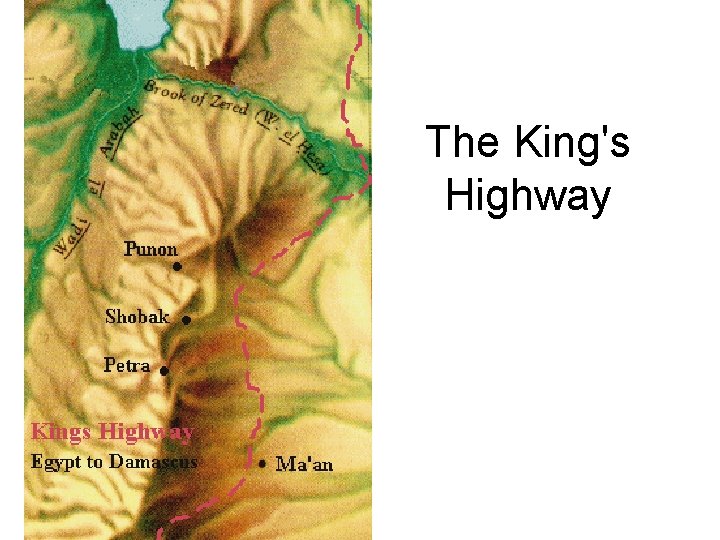
The King's Highway
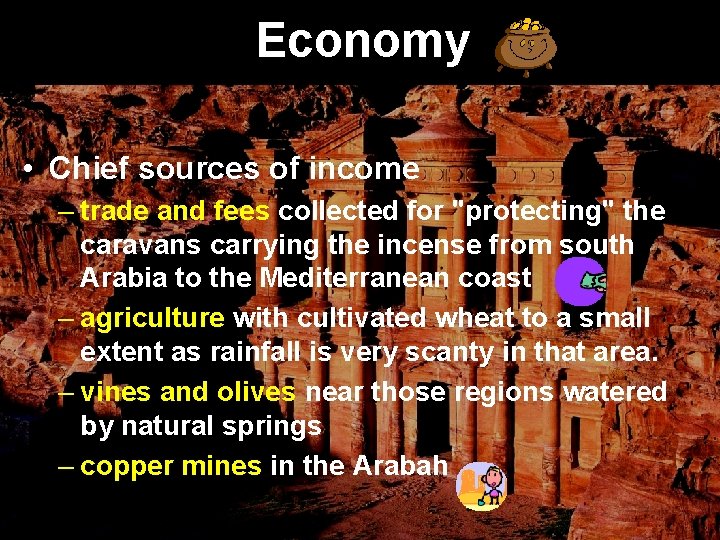
Economy • Chief sources of income – trade and fees collected for "protecting" the caravans carrying the incense from south Arabia to the Mediterranean coast – agriculture with cultivated wheat to a small extent as rainfall is very scanty in that area. – vines and olives near those regions watered by natural springs – copper mines in the Arabah
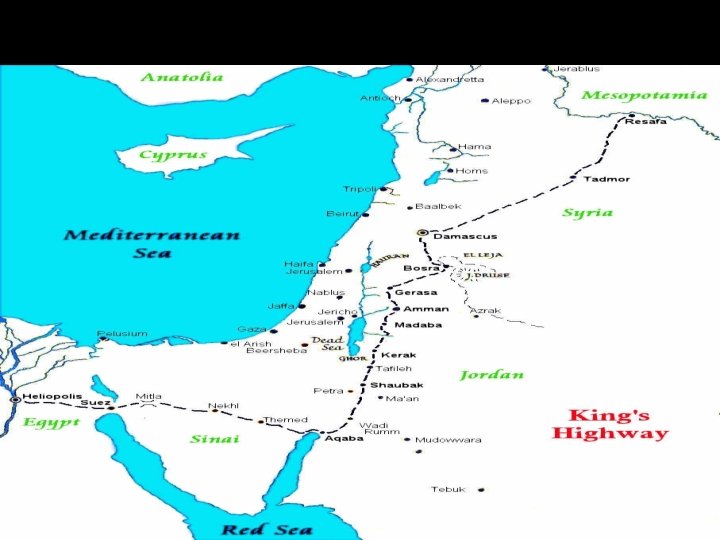
King's Highway
Language • Belonged to a group of languages known as Northwest Semitic. • Little evidence for reconstructing the Edomite language. • Features similar to nearest neighbours, Moabite, Ammonite and southern or Judahite Hebrew. 101 4 a
Examples & Religion 101 3 b • diphthong aw (Arabic), to ô. • Divine name was pronounced as Qaws was later called Qôs • Kings bearing divine name Qos or Qausmalaka ("Qaus has become king") during Tiglath-Pileser III and Qosmalak ("Qos is king") is found from Beer-sha ostraca • Unlike other pagan nations, the OT does not attack Edom's gods by name but gives respect to them not given to others
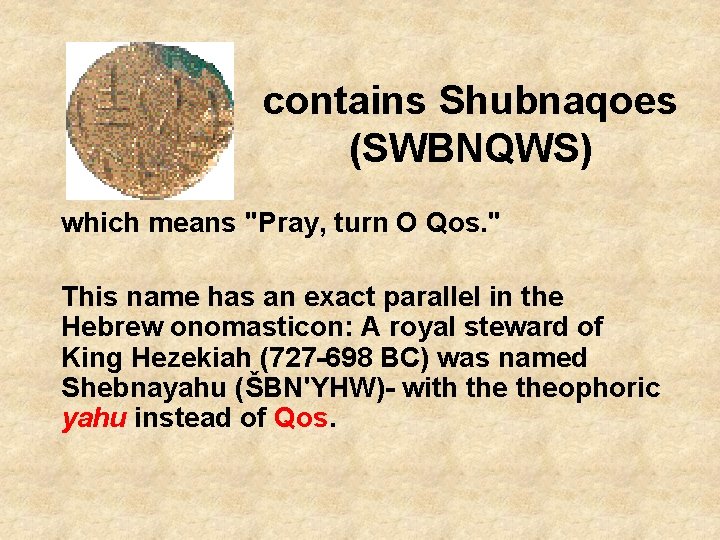
Tomb of the Royal Steward "[Shebna]yahu"- the same name as Shubnaqos, but with theophoric yahu. (Isaiah 22: 15 -18)
contains Shubnaqoes (SWBNQWS) which means "Pray, turn O Qos. " This name has an exact parallel in the Hebrew onomasticon: A royal steward of King Hezekiah (727 -698 BC) was named Shebnayahu (ŠBN'YHW)- with theophoric yahu instead of Qos.
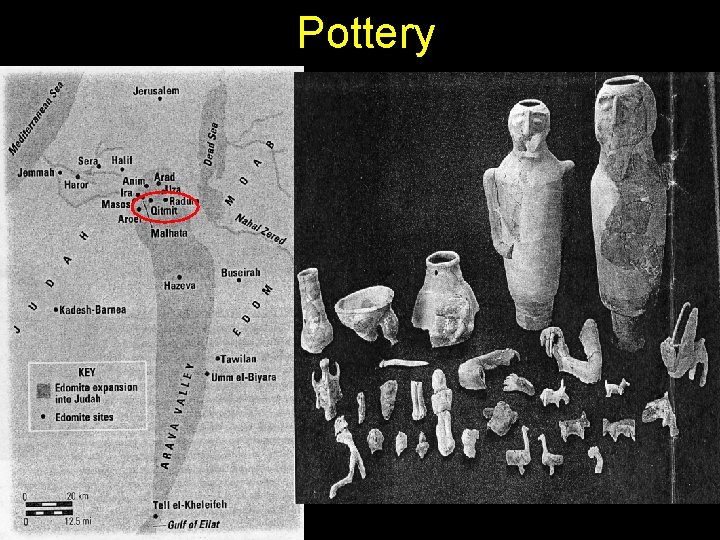
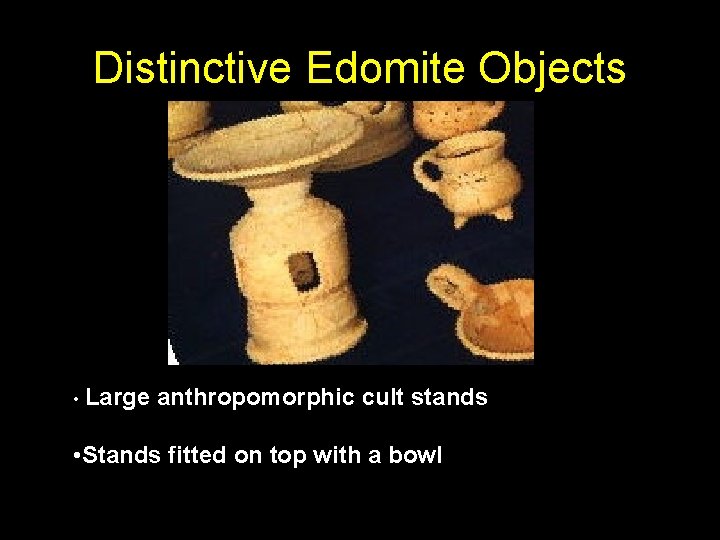
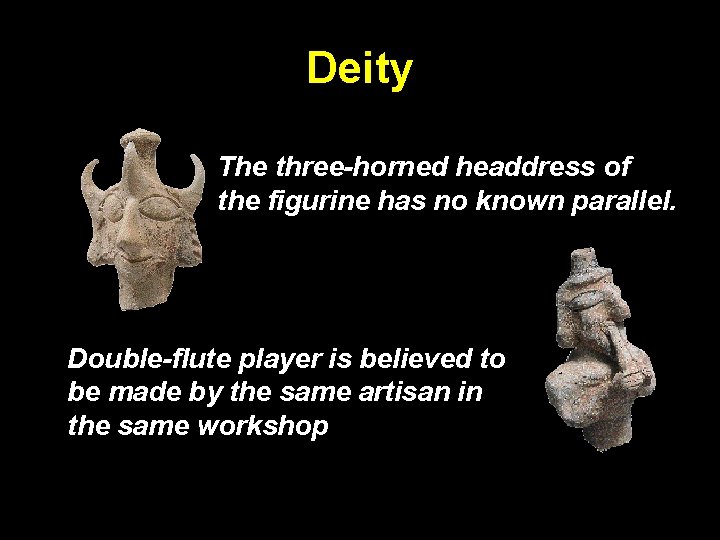
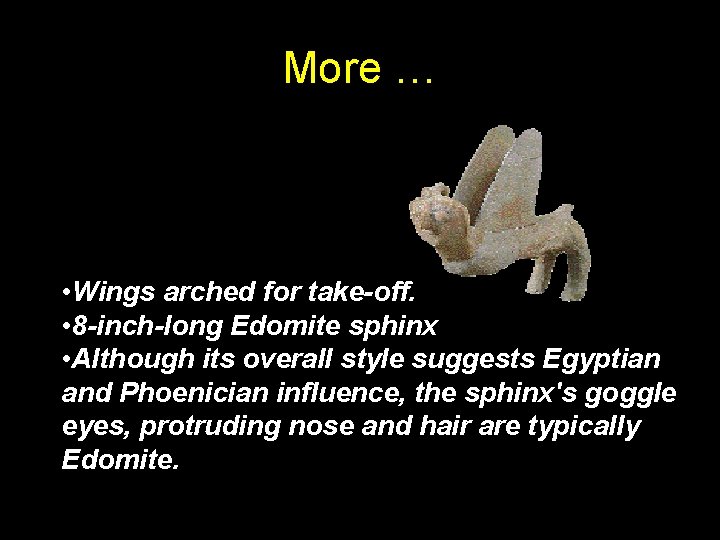
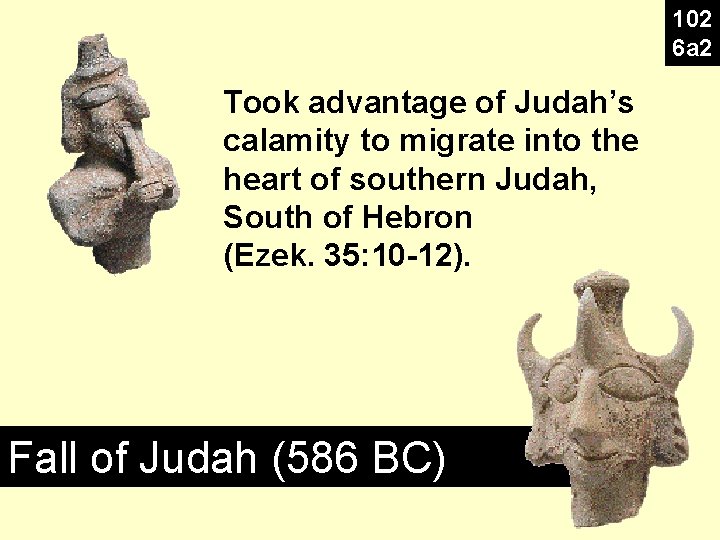
Pottery • Found in Negev site of Horvat Qitmit, southern Judah • Many of the Edomites pieces, including the three-horned goddess and the sphinx are quite small as in comparison with the cult stands which are about 20 inches high.
Distinctive Edomite Objects • Large anthropomorphic cult stands • Stands fitted on top with a bowl
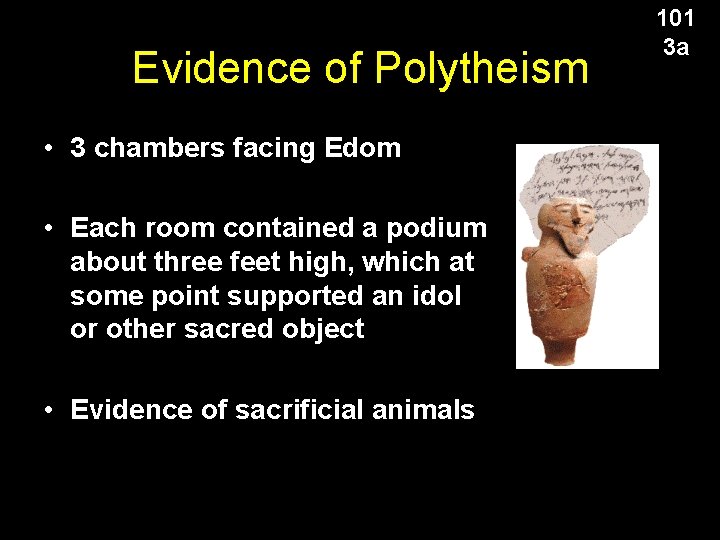
Evidence of Polytheism • 3 chambers facing Edom • Each room contained a podium about three feet high, which at some point supported an idol or other sacred object • Evidence of sacrificial animals 101 3 a
Deity The three-horned headdress of the figurine has no known parallel. Double-flute player is believed to be made by the same artisan in the same workshop
More … • Wings arched for take-off. • 8 -inch-long Edomite sphinx • Although its overall style suggests Egyptian and Phoenician influence, the sphinx's goggle eyes, protruding nose and hair are typically Edomite.
Other Evidence of Potential Yahweh Worship 101 3 b • The God of Israel could have been among the deities worshiped in Edom. • Example: During the time of David the Bible speaks of Doeg the Edomite worshiping Israel's God at the Israelite sanctuary at Nob (1 Sam. 21: 7 [MT 21: 8]) • Edomites had some connection to Israel as God said to have "set out from Seir" (Judg. 5: 4 NLT)
United Monarchy (c. 1030 BC) Reign of Saul Took some cities from Edomite territory (1 Sam. 14: 47) Disobeyed God's command to blot out the Amalekites completely (1 Sam. 15: 1 -33)
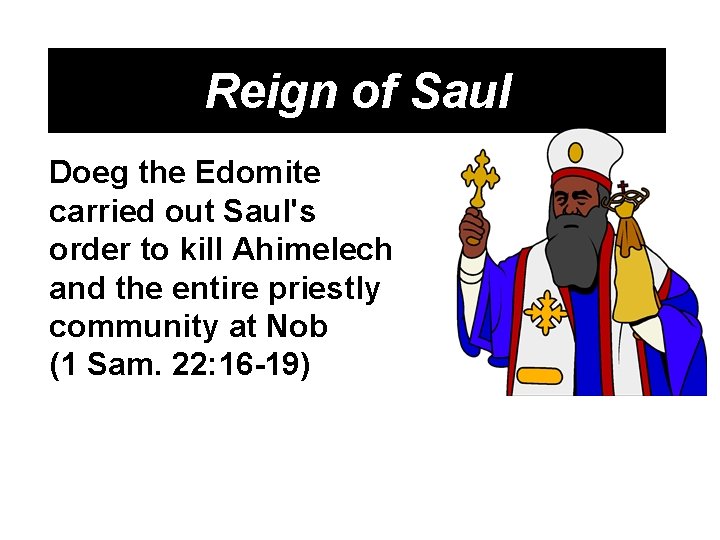
Reign of Saul Doeg the Edomite carried out Saul's order to kill Ahimelech and the entire priestly community at Nob (1 Sam. 22: 16 -19)
United Monarchy (c. 1000 BC) Reign of David -Conquered and subjugated by David -Hadad, a royal prince, fled to Egypt (2 Sam. 8: 13 -14; 1 Kings 11: 14 -22; 1 Chron. 18: 12). Such wholesale extermination is known from Assyrian records. (IVP Bible Background Commentary )
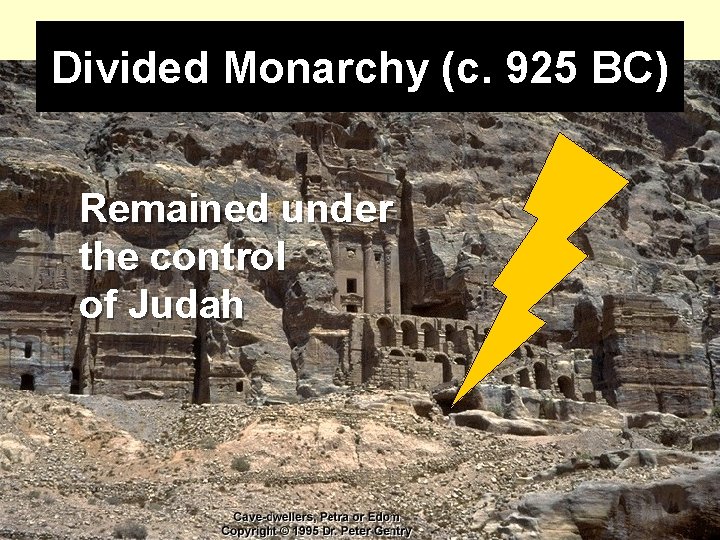
Divided Monarchy (c. 925 BC) Remained under the control of Judah
Divided Monarchy (c. 870 -845 BC) Reign of Jehoshaphat Joined Moab and Ammon to attack Judah, but defeated at En-gedi (2 Chron. 20: 1 -28) Joined Jehoram (king of Israel) and Jehoshaphat to fight against Moab's revolt (2 Kings 3: 9)
Divided Monarchy (c. 845 -735 BC) c. 845 BC Revolted against Jehoram of Judah and gained freedom (2 Chron. 21: 8 -10). c. 794 BC Defeated by Amaziah (2 Chron. 25: 11 -13). c. 735 BC Gained freedom from Ahaz (2 Chron. 28: 17).
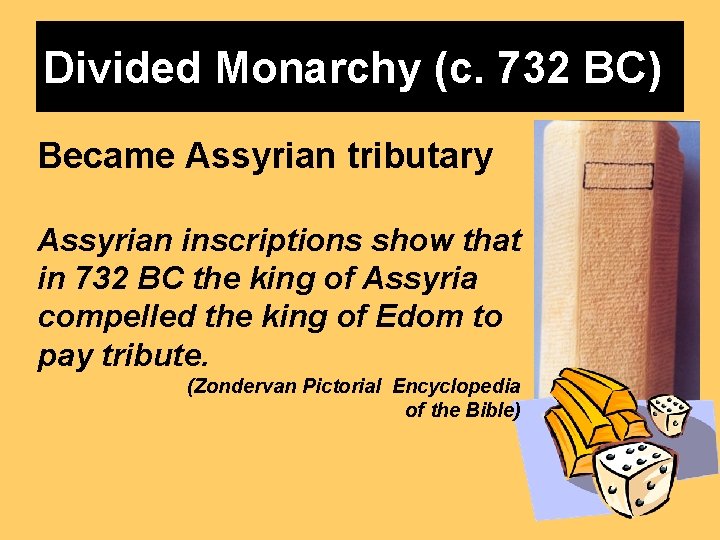
Divided Monarchy (c. 732 BC) Became Assyrian tributary Assyrian inscriptions show that in 732 BC the king of Assyria compelled the king of Edom to pay tribute. (Zondervan Pictorial Encyclopedia of the Bible)
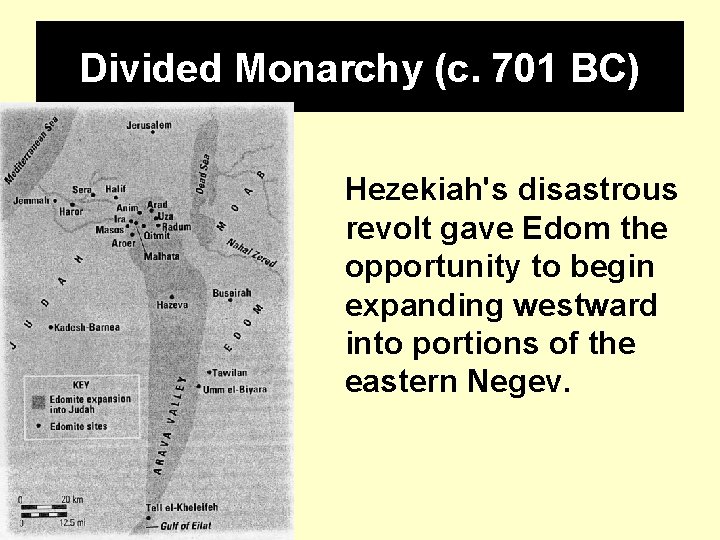
Divided Monarchy (c. 701 BC) Hezekiah's disastrous revolt gave Edom the opportunity to begin expanding westward into portions of the eastern Negev.
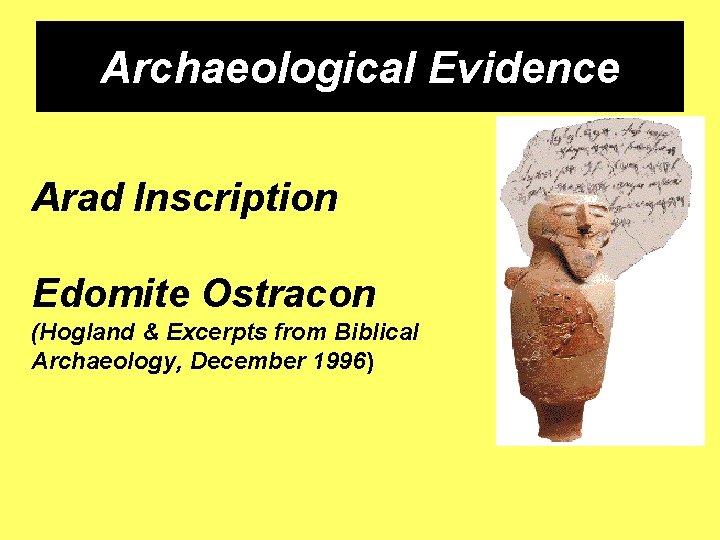
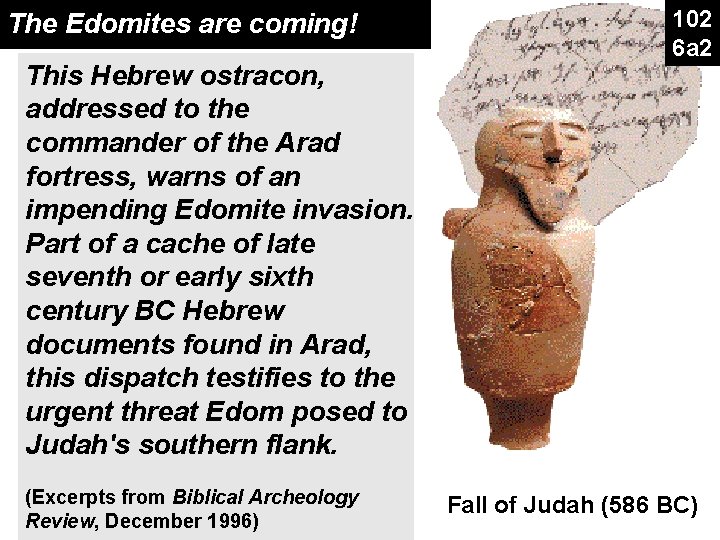
Archaeological Evidence Arad Inscription Edomite Ostracon (Hogland & Excerpts from Biblical Archaeology, December 1996)
Divided Monarchy (c. 612 BC) Gained partial freedom after the fall of Nineveh
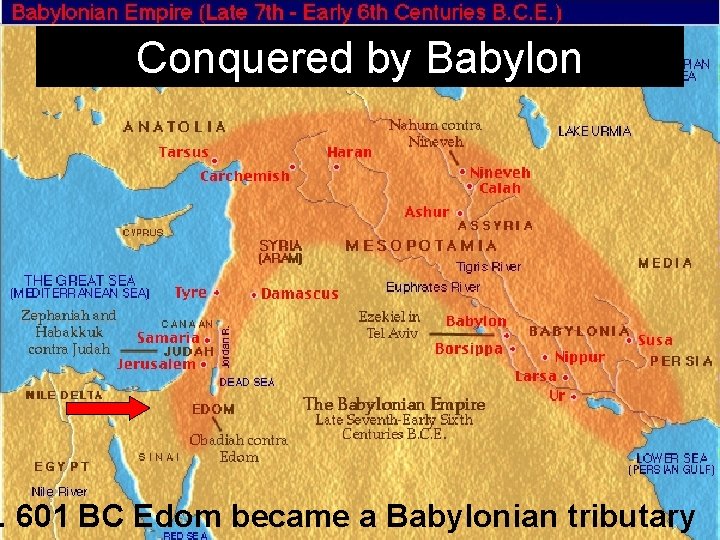
Conquered by Babylon . 601 BC Edom became a Babylonian tributary
102 6 a 2 Glad About Fall of Judah (586 BC) Rejoiced over the fall of Judah (Obadiah 11 -14; Psalm 137: 7; Lam. 4: 21 -22)
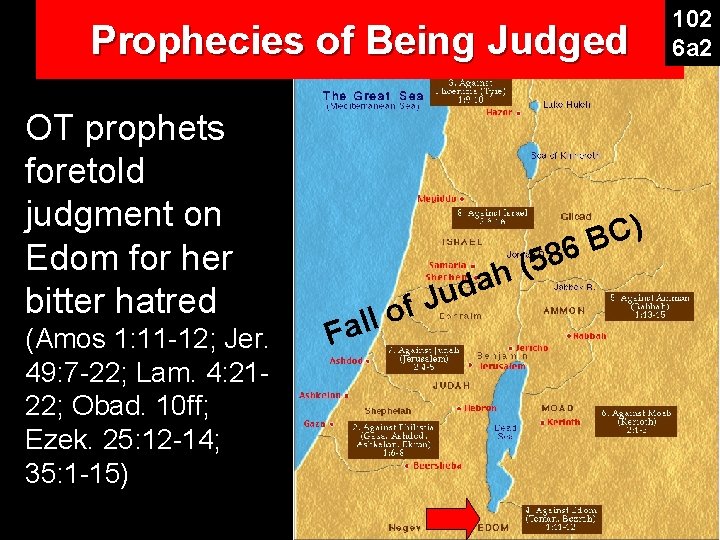
Prophecies of Being Judged OT prophets foretold judgment on Edom for her bitter hatred (Amos 1: 11 -12; Jer. 49: 7 -22; Lam. 4: 2122; Obad. 10 ff; Ezek. 25: 12 -14; 35: 1 -15) h uda ) C B 6 8 (5 F J f all o 102 6 a 2
102 6 a 2 Took advantage of Judah’s calamity to migrate into the heart of southern Judah, South of Hebron (Ezek. 35: 10 -12). Fall of Judah (586 BC)
The Edomites are coming! This Hebrew ostracon, addressed to the commander of the Arad fortress, warns of an impending Edomite invasion. Part of a cache of late seventh or early sixth century BC Hebrew documents found in Arad, this dispatch testifies to the urgent threat Edom posed to Judah's southern flank. (Excerpts from Biblical Archeology Review, December 1996) 102 6 a 2 Fall of Judah (586 BC)
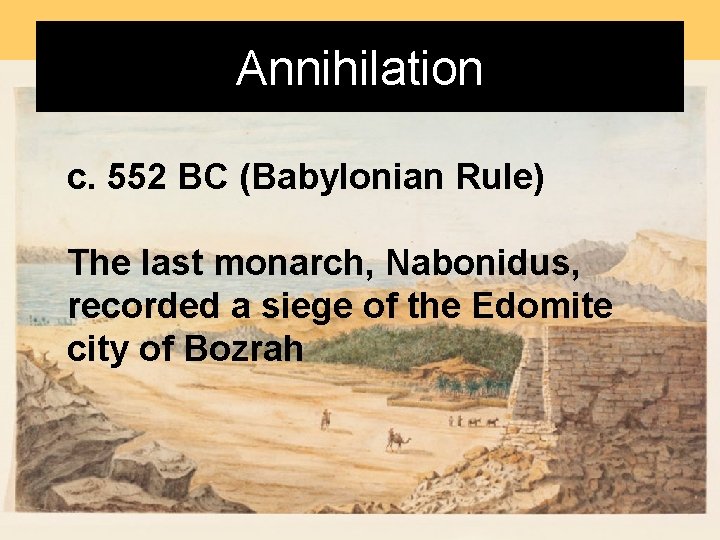
Annihilation c. 552 BC (Babylonian Rule) The last monarch, Nabonidus, recorded a siege of the Edomite city of Bozrah
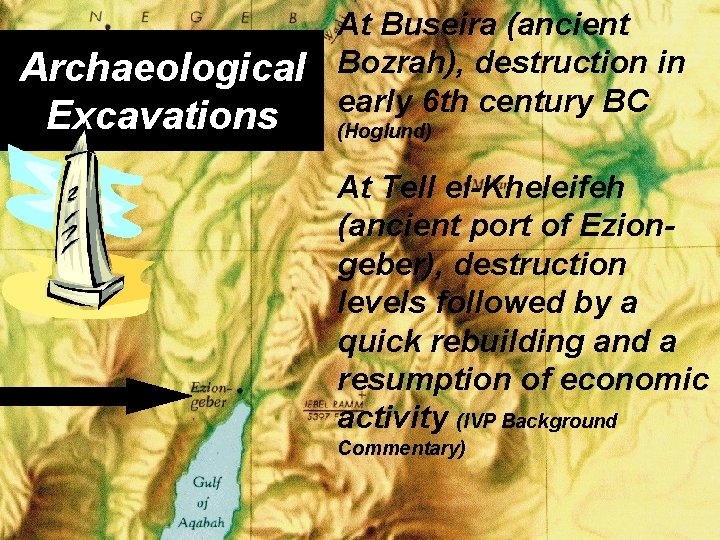
Archaeological Excavations At Buseira (ancient Bozrah), destruction in early 6 th century BC (Hoglund) At Tell el-Kheleifeh (ancient port of Eziongeber), destruction levels followed by a quick rebuilding and a resumption of economic activity (IVP Background Commentary)
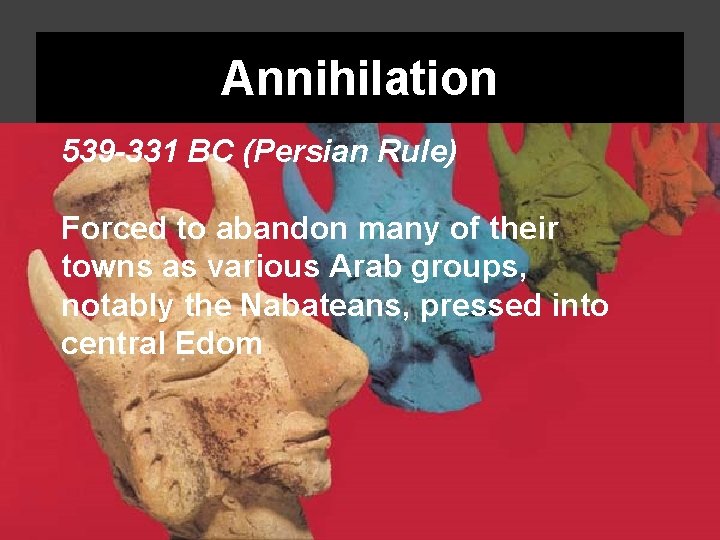
Annihilation 539 -331 BC (Persian Rule) Forced to abandon many of their towns as various Arab groups, notably the Nabateans, pressed into central Edom
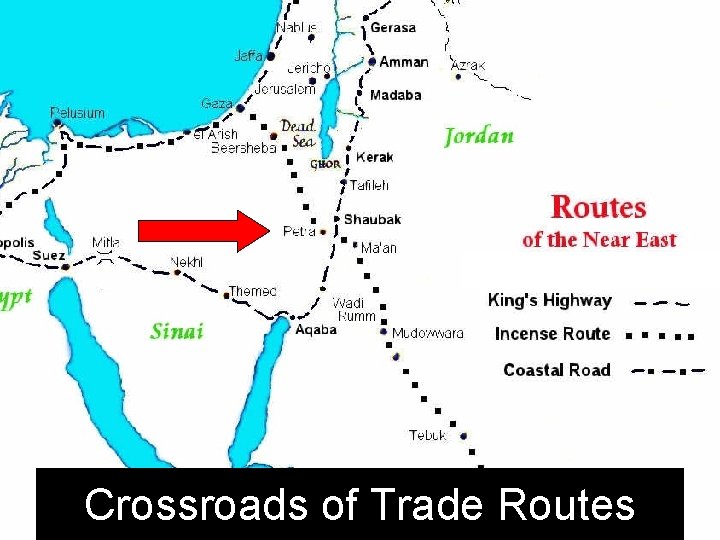
Crossroads of Trade Routes
The Treasury of Petra
Intrusion into Judah Edomites settled in southern Judah, which is confirmed by later Jewish literature. a) 1 Maccabees 5: 65 finds children of Esau in the Hebron district. b) Josephus mentions Adorea and Marisa west of Hebron as Edomite towns (Antiquities).
Archeological evidence suggests that while central Edom may have been desolate, the Edomite settlements in former Judean territories were healthy under Persian supervision. Better in Judah
Evidence of Entrance into Judah a) Several epigraphic finds from Tell el-Kheleifeh suggest an occupation in the fifth century. b) Aramaic ostraca from Arad in the Persian period list several Edomite names. (Hoglund)
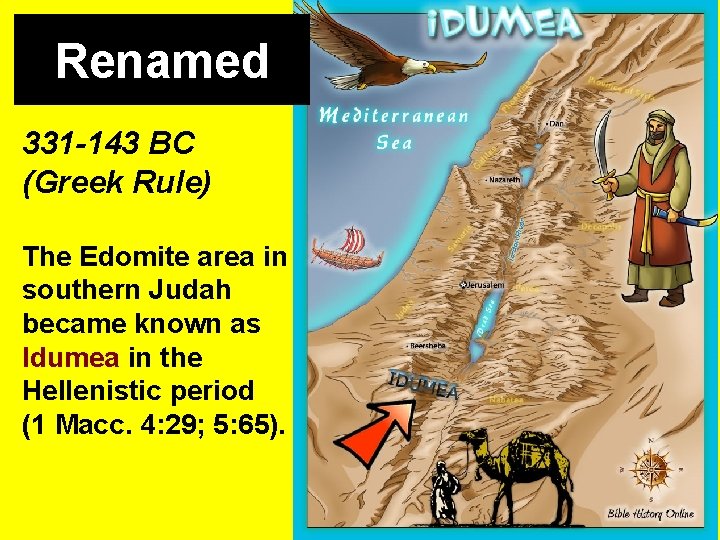
Renamed 331 -143 BC (Greek Rule) The Edomite area in southern Judah became known as Idumea in the Hellenistic period (1 Macc. 4: 29; 5: 65).
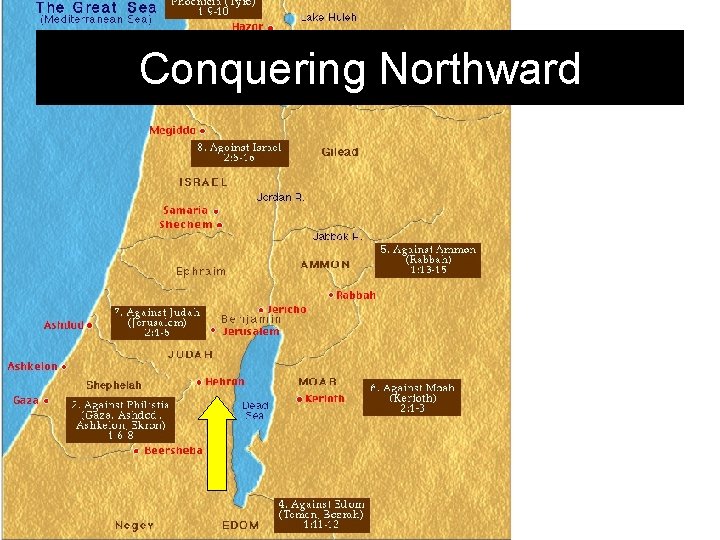
Conquering Northward
Idumeans Also Subdued 143 -63 BC (Hasmonean Rule) John Hyrcanus subdued the Idumeans around 126 B. C. He compelled them to adopt Judaism and incorporated them into the Jewish people. (Ant. , XIII. 9. 1; XV. 7. 9)
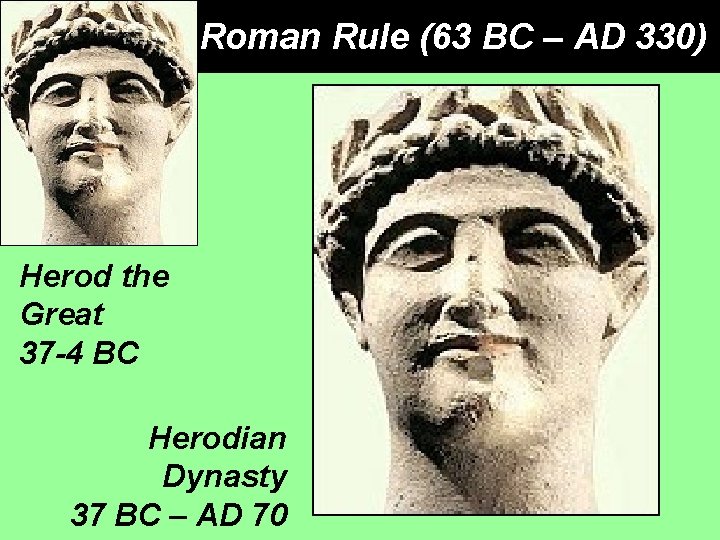
Roman Rule (63 BC – AD 330) Herod the Great 37 -4 BC Herodian Dynasty 37 BC – AD 70
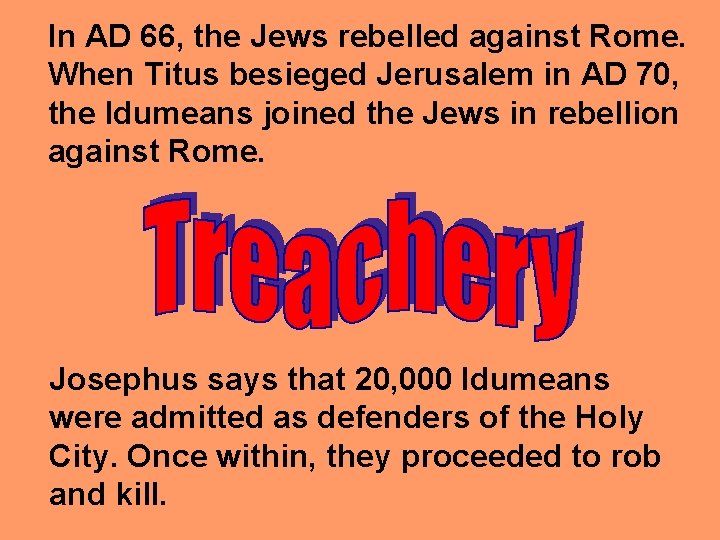
In AD 66, the Jews rebelled against Rome. When Titus besieged Jerusalem in AD 70, the Idumeans joined the Jews in rebellion against Rome. Josephus says that 20, 000 Idumeans were admitted as defenders of the Holy City. Once within, they proceeded to rob and kill.
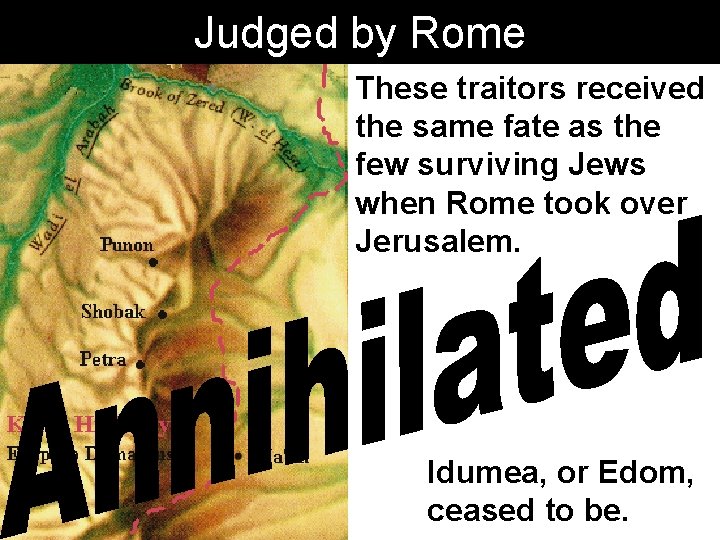
Judged by Rome These traitors received the same fate as the few surviving Jews when Rome took over Jerusalem. Idumea, or Edom, ceased to be.
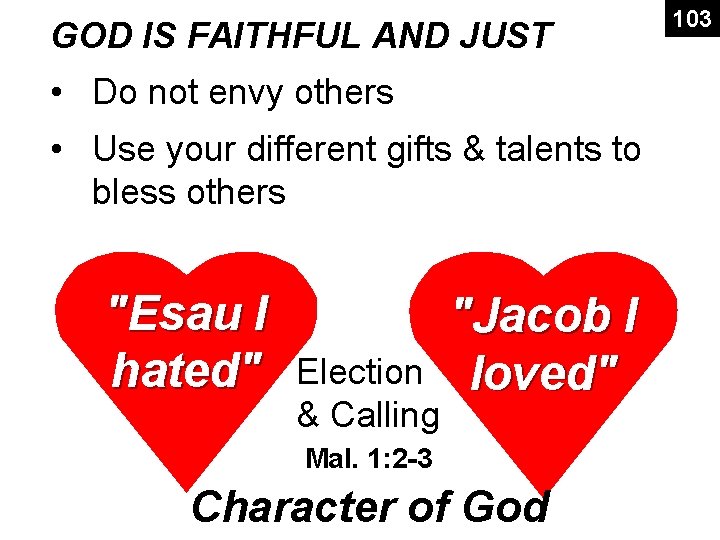
103 Significance: God's Election I Hate Esau I Love Jacob Mal. 1: 2 -3
Significance: God's Judgment on All Nations Edom in the OT often stands for pagan nations as a whole (Isa. 34: 5 -17; cf. Obad. 15 -21). 102 5 a
Significance: God's Providence Refugees from the destruction of Judah fled to Edom for safety until the fighting had ceased (Jer. 40: 11 -12).
103 Proud (Jer. 49: 16; Obad. 3) Character of Edomites Harbored bitter hatred because of anger and envy (Ezek. 35: 5, 11; Amos 1: 12) Polytheistic/ Syncretistic Wise (Jer. 49: 7)
103 Character of Edomites Pursued his brother with the sword; No compassion for kin (Ezek. 35: 5; Amos 1: 11) Rejoiced over calamity (Ezek. 35: 15; Lam. 4: 21 -22) Esau - Abandoned hope of glory for the sake of things seen and not eternal (Heb. 12: 6 f. )
" ! ! e s i w o D e k i L T O o h "T h S u N l al
GOD IS FAITHFUL AND JUST • Do not envy others • Use your different gifts & talents to bless others "Esau I hated" Election & Calling "Jacob I loved" Mal. 1: 2 -3 Character of God 103
103 Character of God GOD IS IN CONTROL Trust God!
103 "Don't take advantage of the circumstances, but look towards God. "
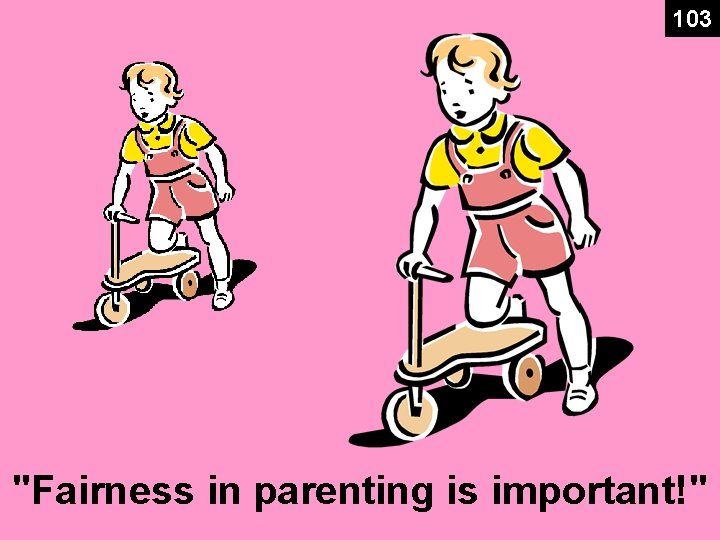
103 Character of Esau's Parents The animosity between Esau and Jacob was deep rooted. While God is impartial, Isaac and Rebekah showed favoritism towards their children.
103 "Fairness in parenting is important!"
Edomites Group Members Chan Suet Fong Chia Choon Yee Fung Ho Wang Razovelhu Vasa Zajamo Odyuo
Get this presentation for free! OT Backgrounds link at Bible. Study. Downloads. org