
10 MINUTES OF BOOK LOVE CHECK YOUR ANSWERS

10 MINUTES OF BOOK LOVE
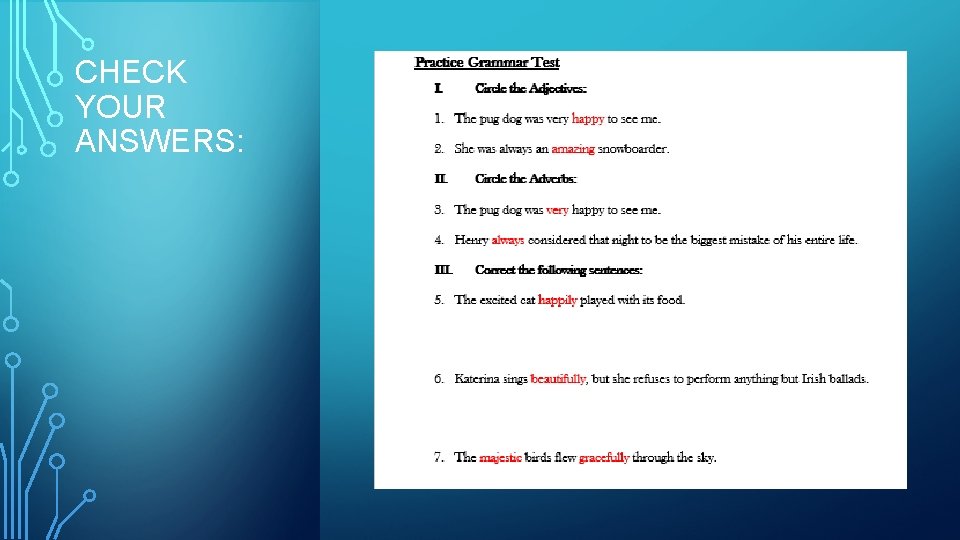
CHECK YOUR ANSWERS:

CHECK YOUR ANSWERS:
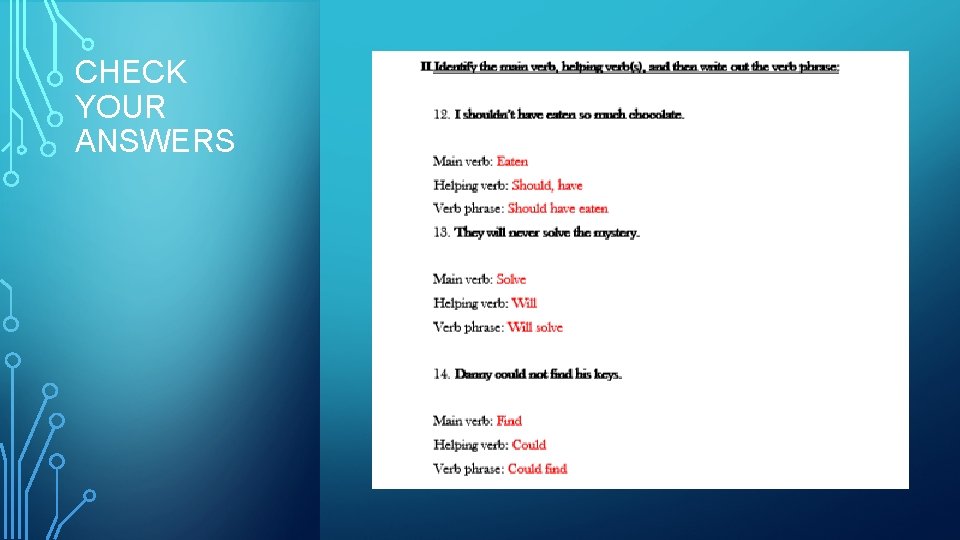
CHECK YOUR ANSWERS
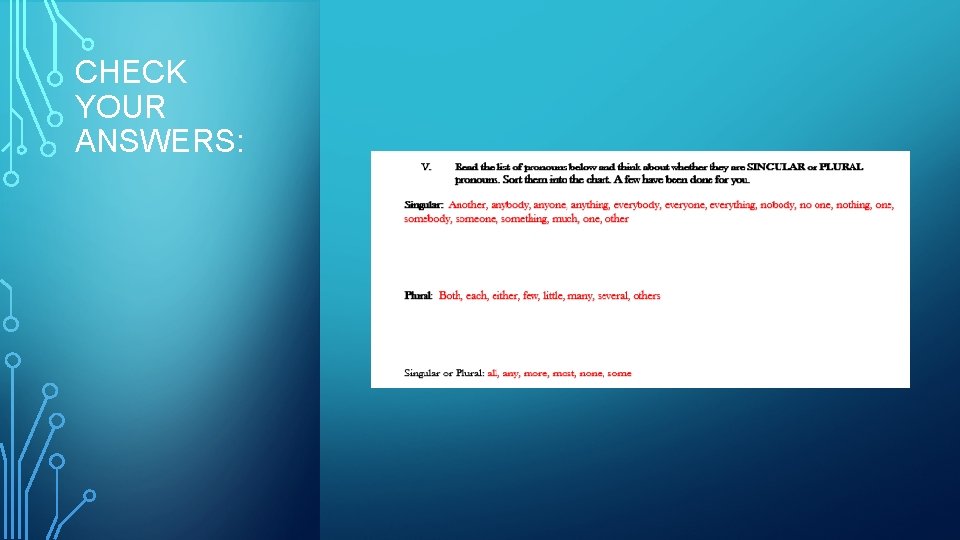
CHECK YOUR ANSWERS:
UPCOMING GRAMMAR QUIZ: VOCABULARY Using your notes sheet, copy down the definitions and examples that follow By next Tuesday, write an example of your own for each word
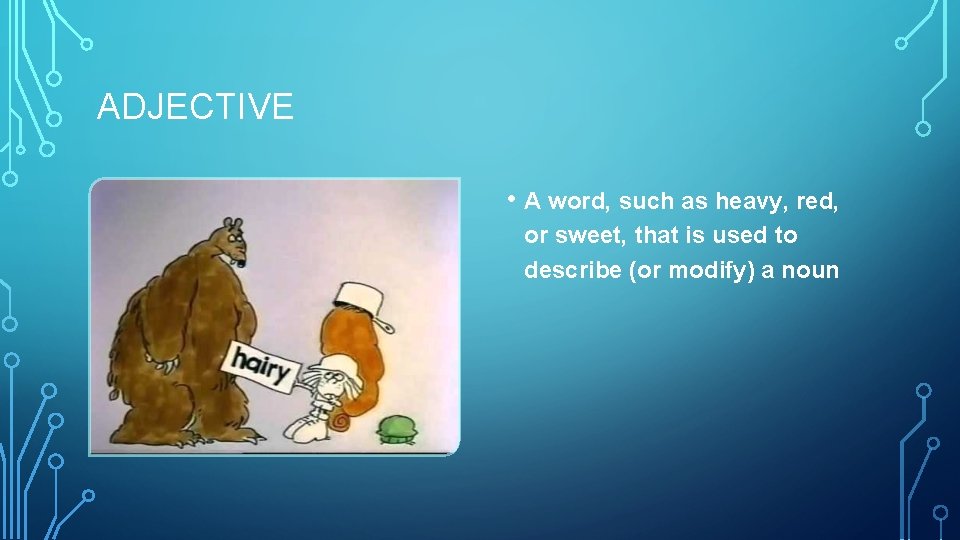
ADJECTIVE • A word, such as heavy, red, or sweet, that is used to describe (or modify) a noun
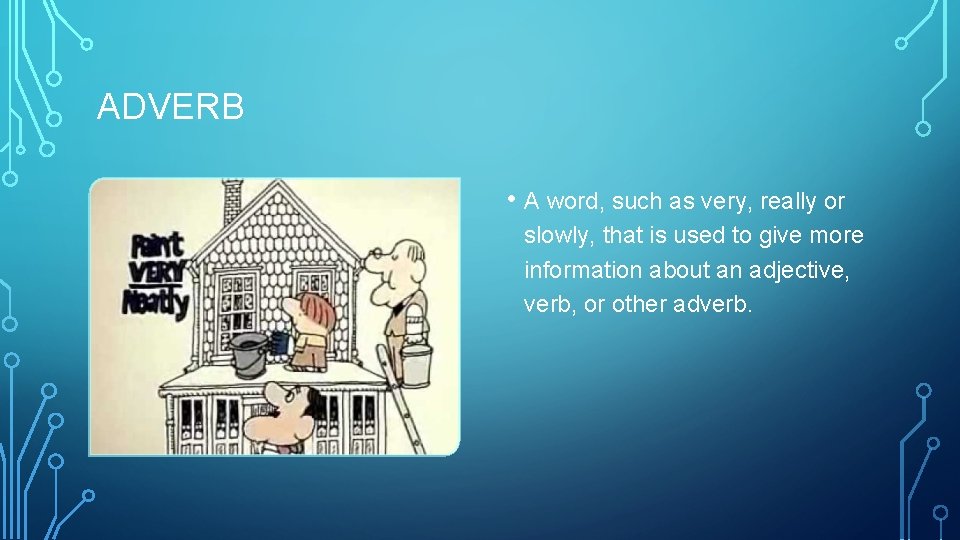
ADVERB • A word, such as very, really or slowly, that is used to give more information about an adjective, verb, or other adverb.
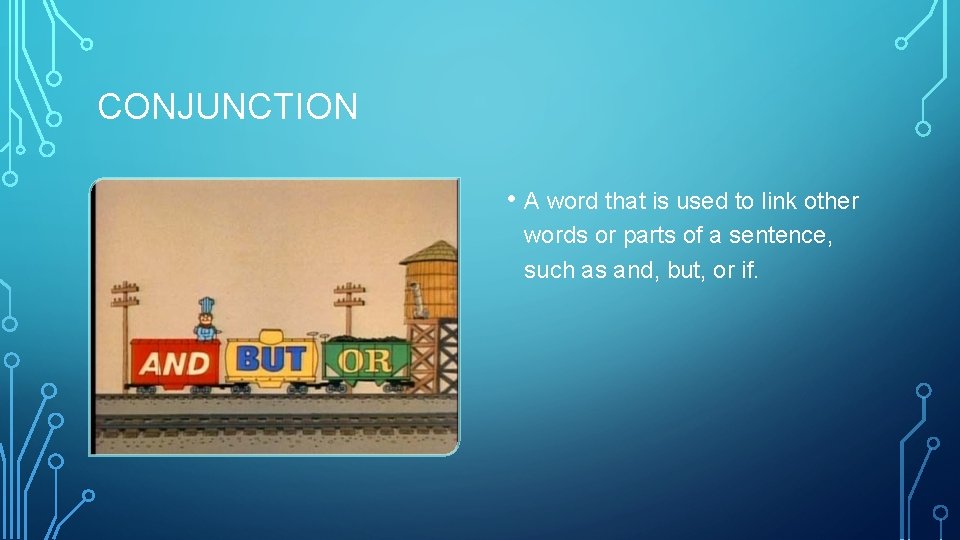
CONJUNCTION • A word that is used to link other words or parts of a sentence, such as and, but, or if.
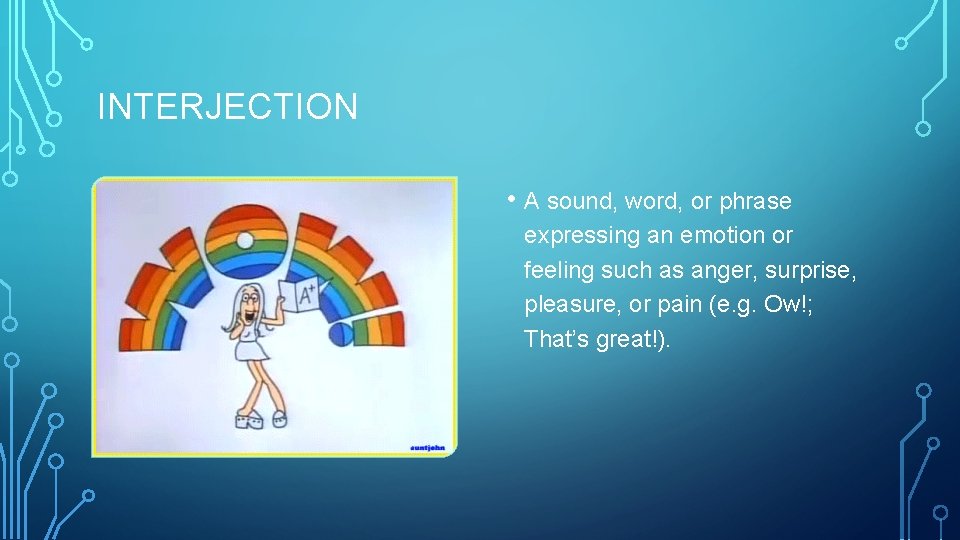
INTERJECTION • A sound, word, or phrase expressing an emotion or feeling such as anger, surprise, pleasure, or pain (e. g. Ow!; That’s great!).
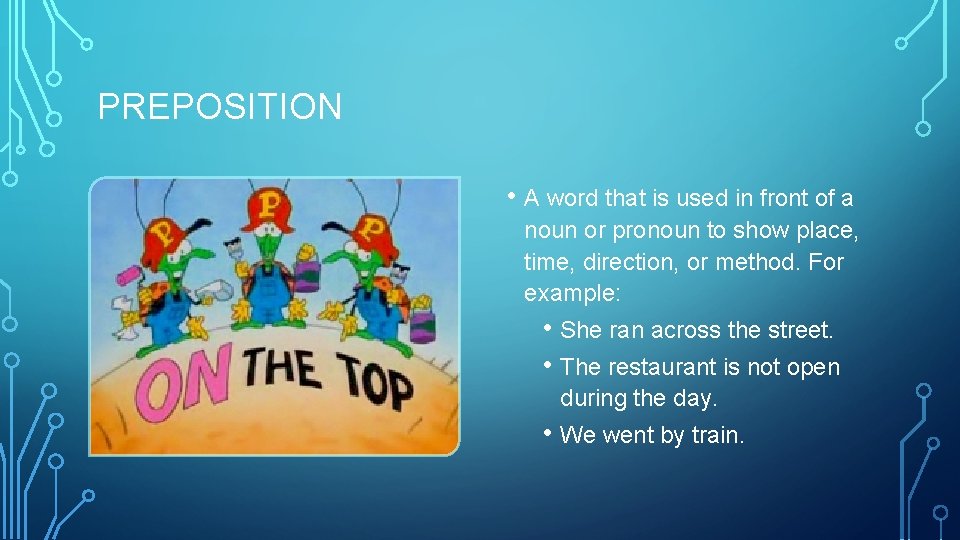
PREPOSITION • A word that is used in front of a noun or pronoun to show place, time, direction, or method. For example: • She ran across the street. • The restaurant is not open during the day. • We went by train.
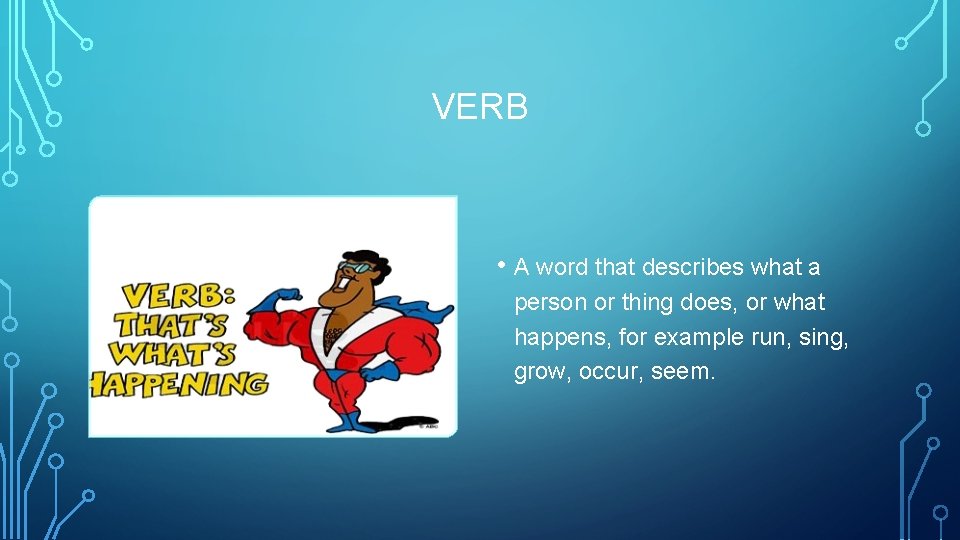
VERB • A word that describes what a person or thing does, or what happens, for example run, sing, grow, occur, seem.
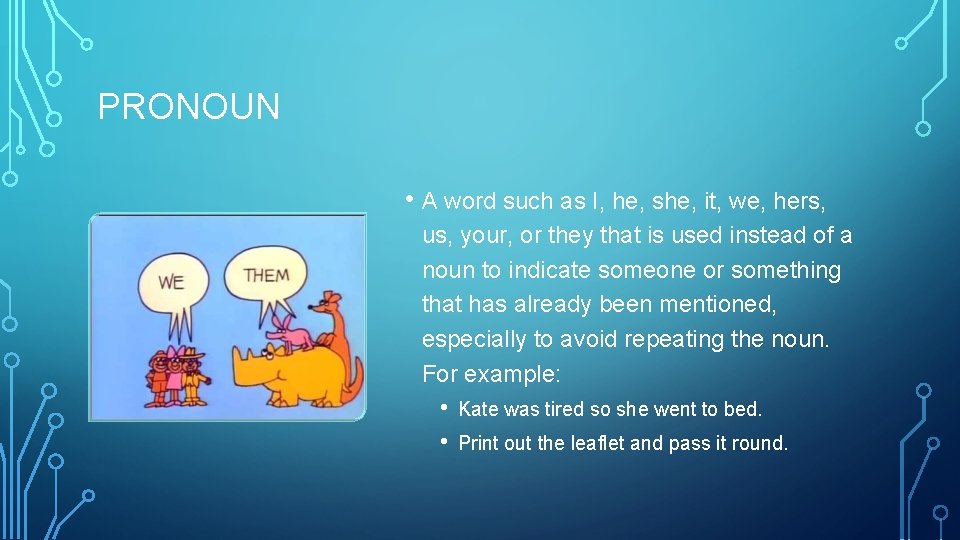
PRONOUN • A word such as I, he, she, it, we, hers, us, your, or they that is used instead of a noun to indicate someone or something that has already been mentioned, especially to avoid repeating the noun. For example: • • Kate was tired so she went to bed. Print out the leaflet and pass it round.
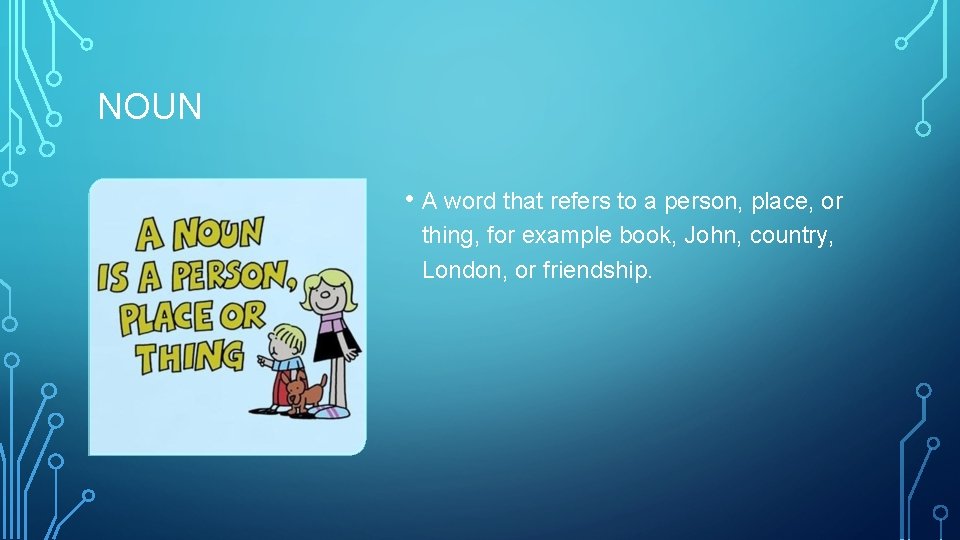
NOUN • A word that refers to a person, place, or thing, for example book, John, country, London, or friendship.
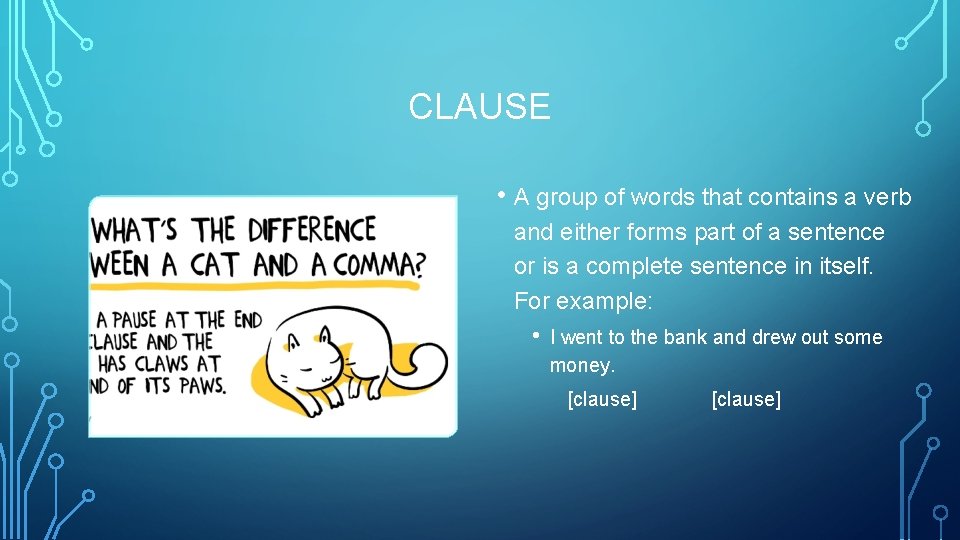
CLAUSE • A group of words that contains a verb and either forms part of a sentence or is a complete sentence in itself. For example: • I went to the bank and drew out some money. [clause]
PHRASE • A small group of words that forms a meaningful unit within a clause, for example the red dress; in the city
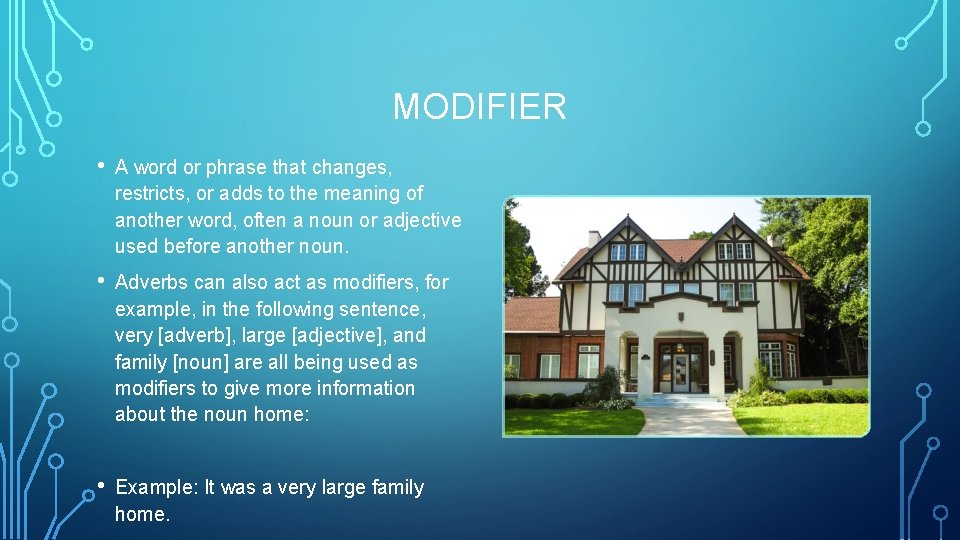
MODIFIER • A word or phrase that changes, restricts, or adds to the meaning of another word, often a noun or adjective used before another noun. • Adverbs can also act as modifiers, for example, in the following sentence, very [adverb], large [adjective], and family [noun] are all being used as modifiers to give more information about the noun home: • Example: It was a very large family home.
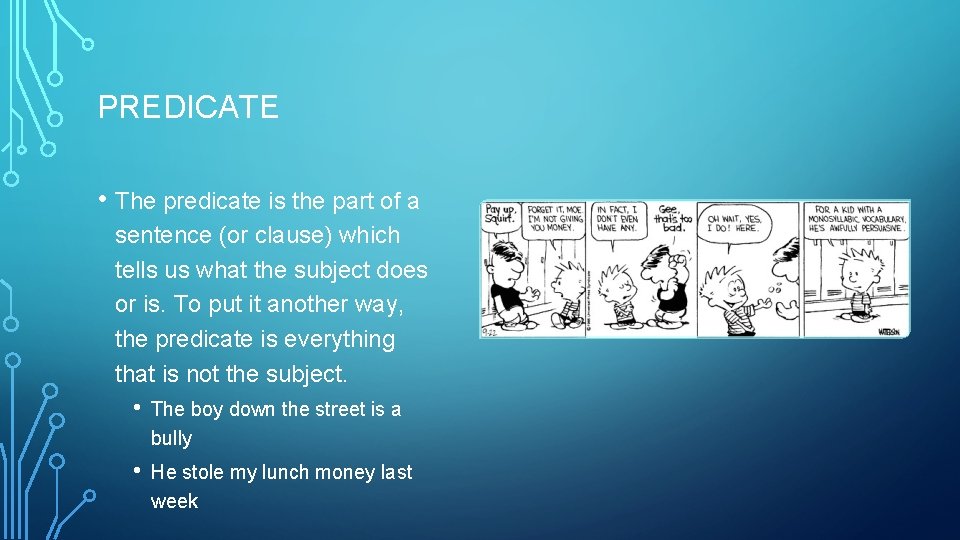
PREDICATE • The predicate is the part of a sentence (or clause) which tells us what the subject does or is. To put it another way, the predicate is everything that is not the subject. • The boy down the street is a bully • He stole my lunch money last week
SUBJECT • The subject of a sentence is generally the person or thing that the sentence is about, often the person or thing that performs the action of a verb. For example: • • The restaurant was packed. He was eating a sandwich.

OBJECT • The person or thing affected by a verb, for example: • • He was eating a sandwich. She loves animals.

VERBALS • Verbals are a verb form which functions as a noun or an adjective • Fruit and vegetables are an important part of a balanced diet

FIND YOUR 8 O’CLOCK PARTNER • Bring your notes sheet with you! • In your writer’s notebooks, come up with example sentences that feature the five terms you are both least familiar with
HOMEWORK: • Review for your required reading assessment tomorrow • Review these terms for a vocab quiz on Tuesday • Independent reading assessment next Monday
- Slides: 23