
10 Mc Donalds ads 1 Eid mubarak 2
10 Mc. Donald’s ads
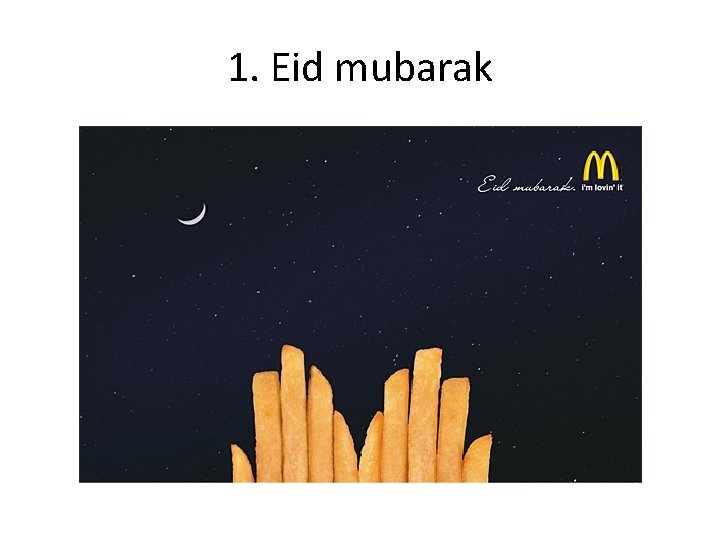
1. Eid mubarak
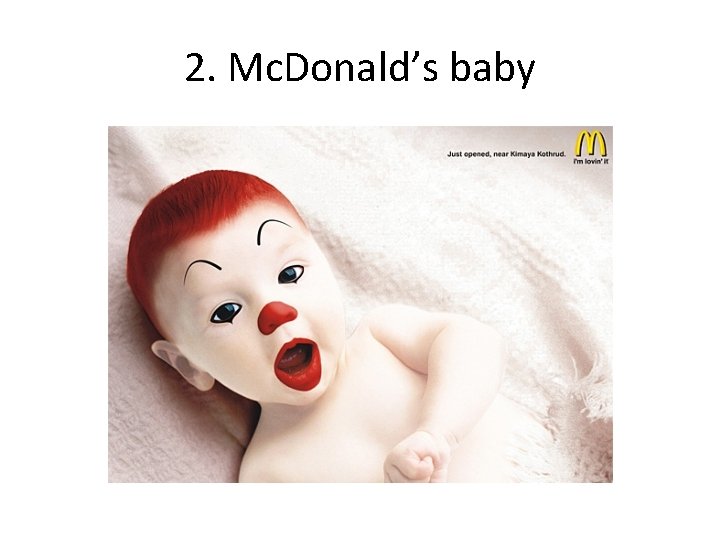
2. Mc. Donald’s baby
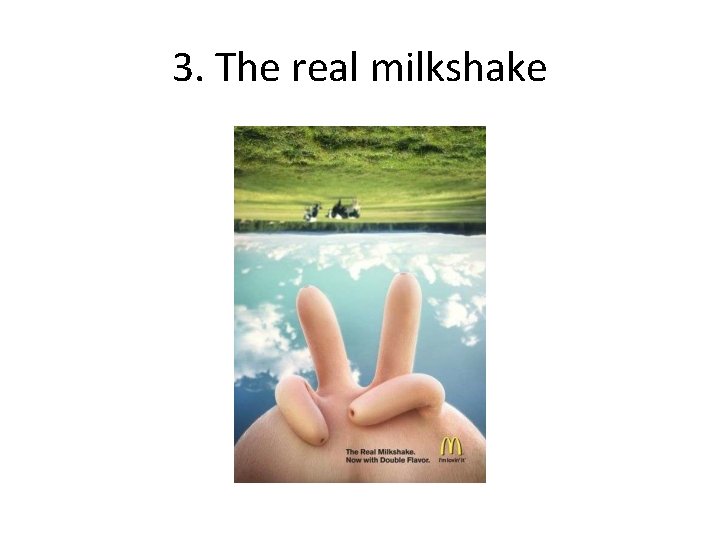
3. The real milkshake
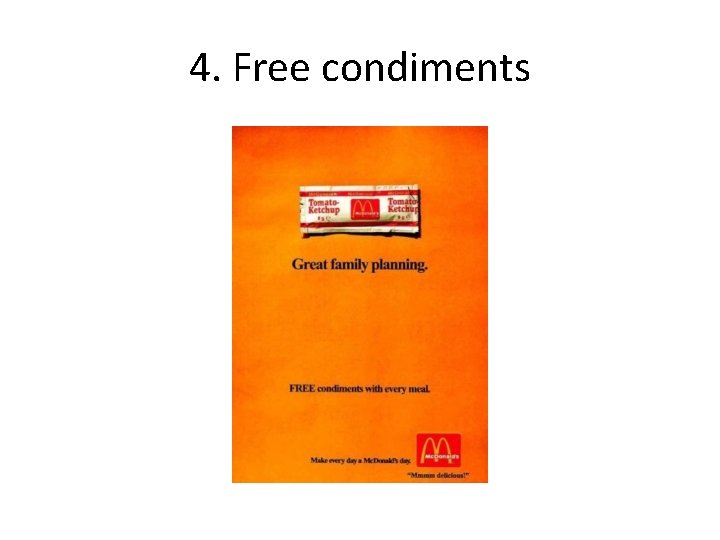
4. Free condiments
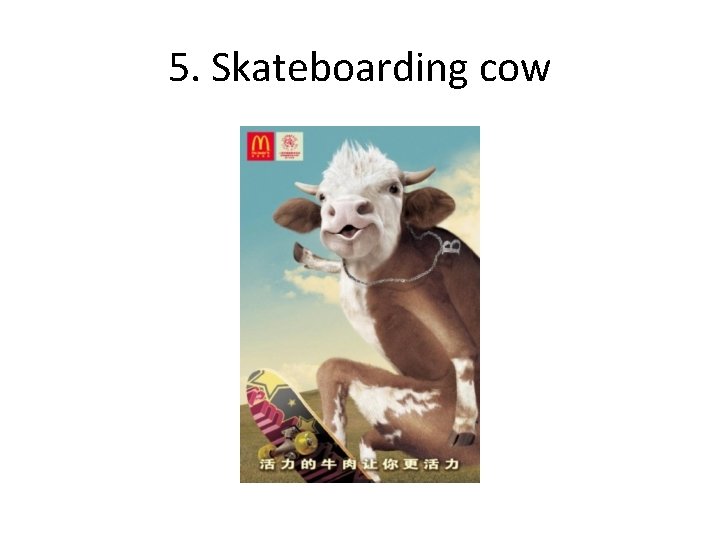
5. Skateboarding cow
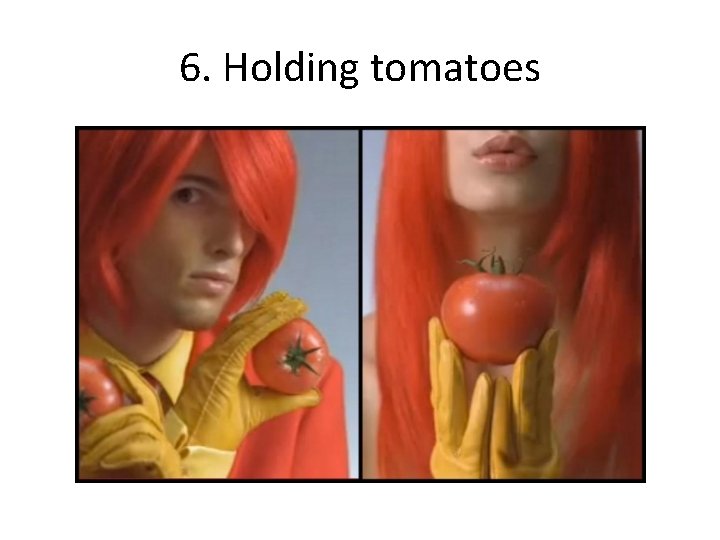
6. Holding tomatoes
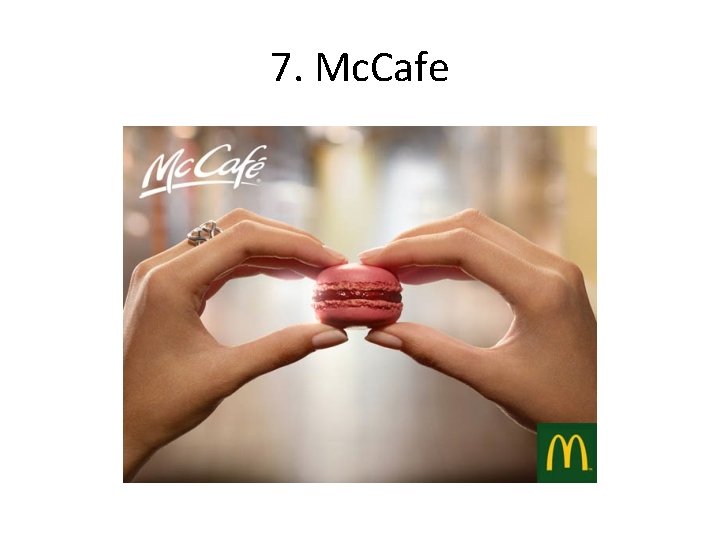
7. Mc. Cafe
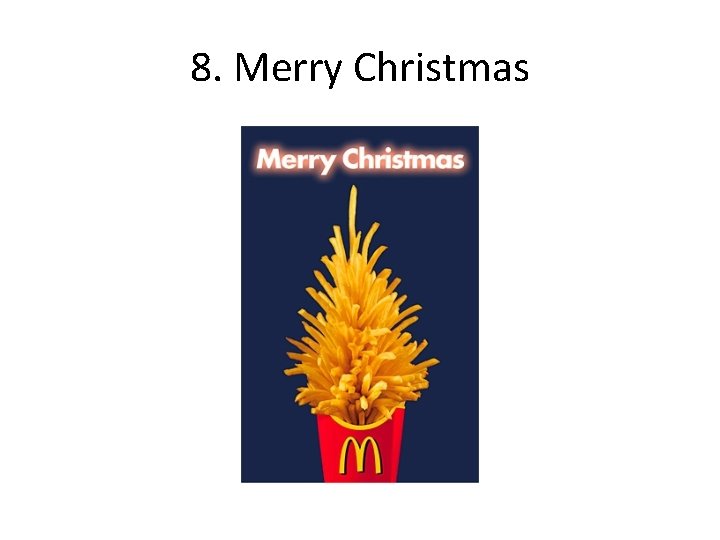
8. Merry Christmas
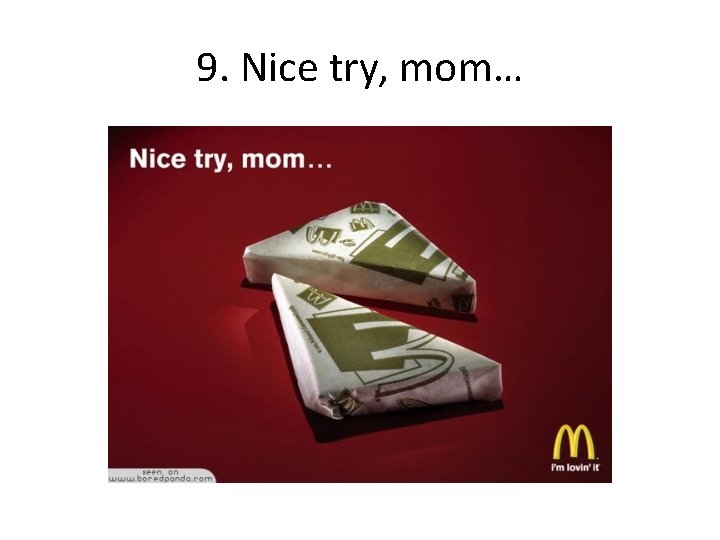
9. Nice try, mom…
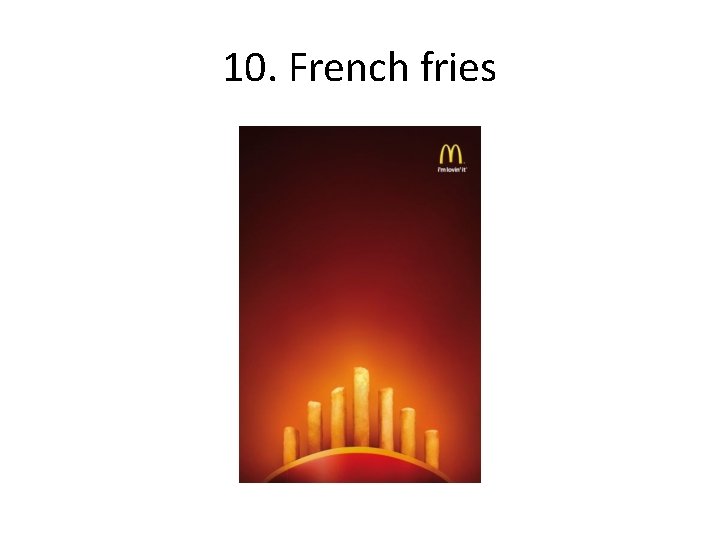
10. French fries
In view of the difficulties that will have to be faced when catering in war-time it is more than ever essential to bear in mind the importance of well-balanced meals. Good feeding means the provision of essential materials in the right proportion. The diet must supply; - 1. Protective material for the maintenance of health. 2. Building material for growth and repair of the body. 3. Fuel material to provide the energy required for muscular work, and for the production of heat. Foods are made up of one or more of the following; - proteins, fat, carbohydrate, mineral matter, vitamins, roughage and water. These constituents may be grouped according to their function as follows; - Protective material- vitamins, mineral matter, roughage, water. Building materials - protein, mineral matter. Fuel material - fat, carbohydrates (starches and sugars). Vitamins. The most important of these from the point of view of diet planning are A. D. B 1. B 2. and C. Mineral matter. The most important of the forms of mineral matter, from the point of view of diet planning are calcium, phosphorus, iron and iodine. Roughage is the name given to the indigestible matter in foods of vegetable origin which is excreted unchanged. Roughage plays a useful part in stimulating the movement of the large intestine. Protein can be obtained from both animal and vegetable sources. That from animal sources is called first-class protein, that from vegetable sources second class protein. First class protein is of better quality. In "hard-times" it may be necessary to increase the quantity of vegetable protein in the diet and to reduce the quantity of animal protein. In the case of children, however, who have not only to repair worn-out tissue, but also to create new tissue, ie to grow, every effort must be made to maintain the necessary supply of animal protein. The following table shows the richest sources of the more important constituents of the diet. PROTECTIVE CONSTITUENTS VITAMINS Vitamin A. Animal fats (except lard), fish roe, Dark green vegetables, e. g. Spinach, Dark cabbage leaves, Dark lettuce leaves, Dandelion leaves, Nettle leaves, carrots, tomatoes, halibut liver oil, cod liver oil. Vitamin D. Animal fats (except lard), Halibut liver oil, cod liver oil. Vitamin B 1. Pulse vegetables, nuts, wholemeal flour, oatmeal, eggs, liver, heart, kidney, yeast products e. g. marmite, bemax. Vitamin B 2. Foods of animal origin, whole meal flour, yeast products, e. g. marmite, bemax. Vitamin C. Raw liver, raw green vegetables, tomatoes, young raw carrots, citrus fruits, e. g. oranges, lemons, grape fruit. Raspberries, blackberries, and most other fruit to a lesser extent.
Student Response The text has some clear points which tell us more about the situation during the time it was written. These ‘clues’ help us see the specific audience and purpose of the text. From “catering in war-time” we can note that during this time period there was a war and in addition to this it mentions children, which changes the possibility from the soldiers in warfare needing food supplies to entire families in need. Audience As mentioned above we note that the text educates the reader on how to keep the family strong during the war and how to “repair worn-out tissue”. We can note that the English is without any major mistakes so we would assume that this was in a time period in which there was war in an English speaking country; most likely the US or Great Britain. This would mean we are looking at most probably the Second World War (1939 -1945). During this time period it was the women, mothers, taking care of the families. This makes them the most likely audience. During this period there was so many deaths, so maybe shelters or orphanages that had to take care of groups of people are also part of the targeted audience. Also we can see the text is very clear, it is not written in too difficult manner and points out exactly what is needed to keep on surviving as healthily as possible. Purpose The text itself is very clear on what its purpose is. It wants to tell the readers, mothers in this case or any other type of caretakers, how to keep the men and children and all others healthy. It focuses on specific ‘ingredients’ such as protein or carbohydrates. Going into the army was mandatory during that time, so it might have been written with a purpose that they did not mean for the audience to notice. Of course each nation wanted its army to be as strong as possible, with its men and young boys (children) healthy. Not every family wanted to participate and be part of the actual combat or whatever they were required to do in the military which is why this seems to be a hidden purpose. The government or dictator, or whichever party or person that was leading the nation at that time would have wanted its people to be strong. With the mothers/caretakers thinking this was the way to stay healthy, the leader(s) could be thinking of getting their people as strong as possible to form part of the army.
How does this contextual information confirm your assumptions? How does this contextual information increase your understanding of the original text? Hard Time Cookery was published in 1940 by the Association of Teachers of Domestic Subjects (now the National Association of Teachers of Home Economics). Although there is very little background information available for this text, it is clear that teachers felt they could provide a valuable service to the public during war time by offering advice on diet. In fact, during WWII nutritionists were instrumental in advising the government on how to design a healthy rationing system. As a result, the British population was given unlimited access to potatoes and bread, and could choose between other rationed items, although in practice these were limited. The discovery of vitamins was relatively new (vitamins A and B were identified just before the outbreak of WWI), and so the notion of maintaining one's health with a balanced diet was unfamiliar to many. In 1917, when 2, 500, 000 men, from across the social spectrum, were given medical examinations, over forty percent of them were found to be unfit for military service - mainly due to malnourishment. Consequently, the government was compelled to invest time and money into dietary research. However, supplies during WWII were meager - it is hard to be adventurous with a tin of corned beef and a loaf of bread. Nevertheless, Hard-Time Cookery does its best to outline systematically subjects such as 'the principles of diet, ' 'the planning of meals, ' budgeting, food constituents, the balancing of meals, and the effect of different vitamins and minerals on the body. Care is taken to describe in detail how different food constituents affect the body. For example information is given on foods that help repair the body, maintain health or provide energy. The authors also provide numerous tips on how to cope with food shortages, suggesting for instance, that chopped dates might replace sugar in puddings and cakes, or that butter and fat wrappers should be saved to grease basins and tins. Recipes include ingredients that would normally be discarded, such as stale bread or sour milk.
The Big 5 • There are several questions that you can ask of any text. Here are five major questions that apply to almost all types of texts: • Audience / purpose - Whom does the text target? What does the author wish to achieve through the text? • Content / theme - What is literally ‘happening’ in the text? What is it about? What are the main ideas of the text? • Tone / mood - How does the text make you and/or the target audience feel? Describe the atmosphere of the text. • Stylistic devices - How does the author use language to convey a sentiment or message? What kinds of linguistic tools does he/she employ? • Structure - How is the text organized, literally (i. e. layout/formatting)? What kinds of structural elements of a particular text type do you see?
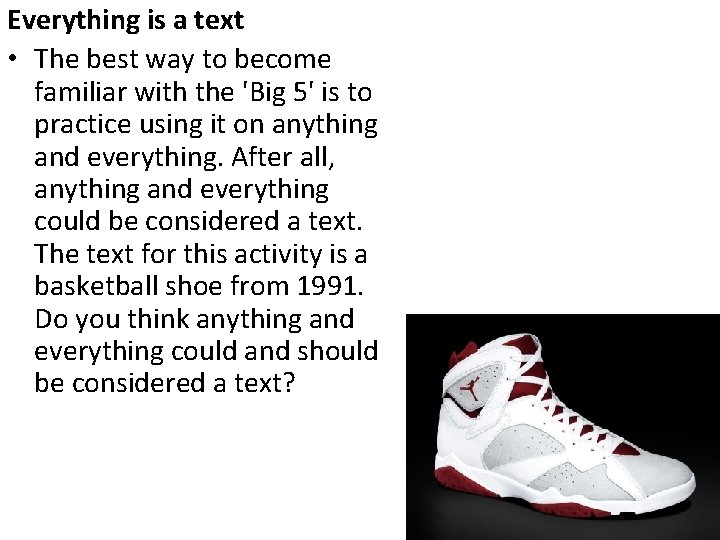
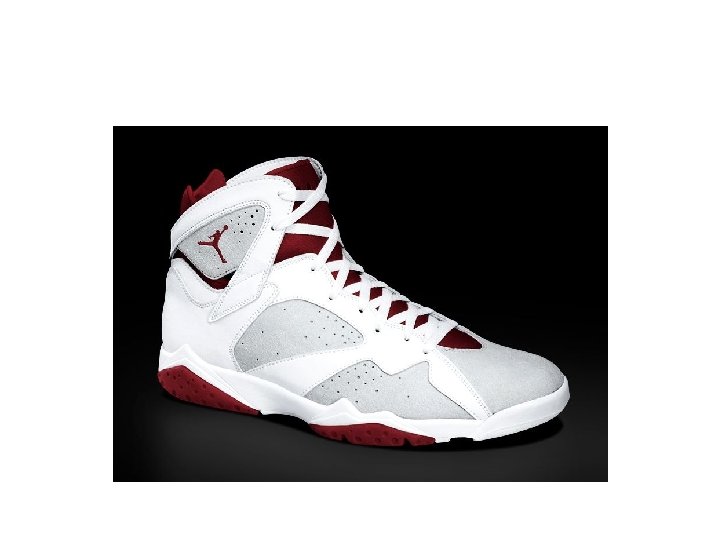
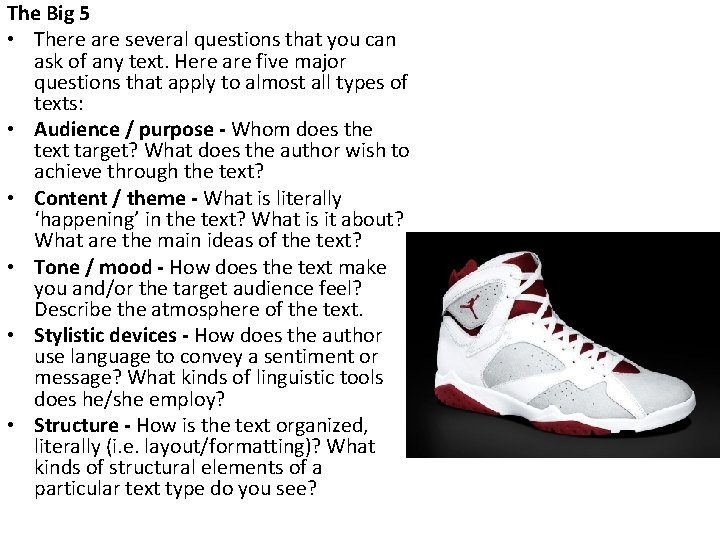
Everything is a text • The best way to become familiar with the 'Big 5' is to practice using it on anything and everything. After all, anything and everything could be considered a text. The text for this activity is a basketball shoe from 1991. Do you think anything and everything could and should be considered a text?
The Big 5 • There are several questions that you can ask of any text. Here are five major questions that apply to almost all types of texts: • Audience / purpose - Whom does the text target? What does the author wish to achieve through the text? • Content / theme - What is literally ‘happening’ in the text? What is it about? What are the main ideas of the text? • Tone / mood - How does the text make you and/or the target audience feel? Describe the atmosphere of the text. • Stylistic devices - How does the author use language to convey a sentiment or message? What kinds of linguistic tools does he/she employ? • Structure - How is the text organized, literally (i. e. layout/formatting)? What kinds of structural elements of a particular text type do you see?
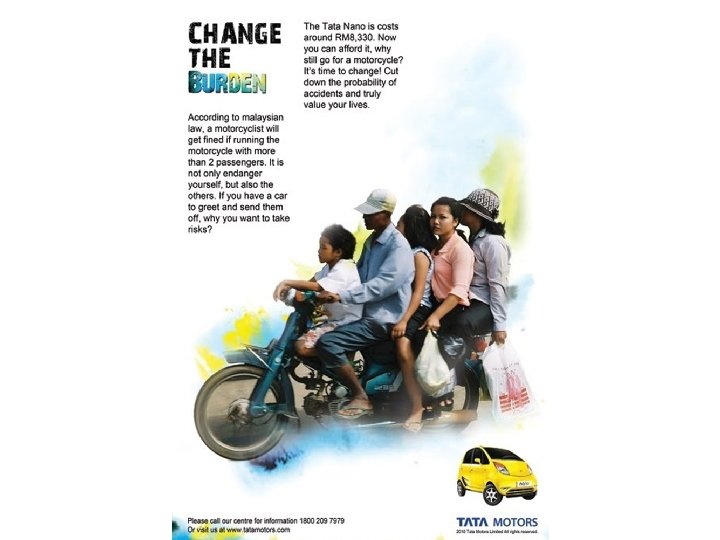
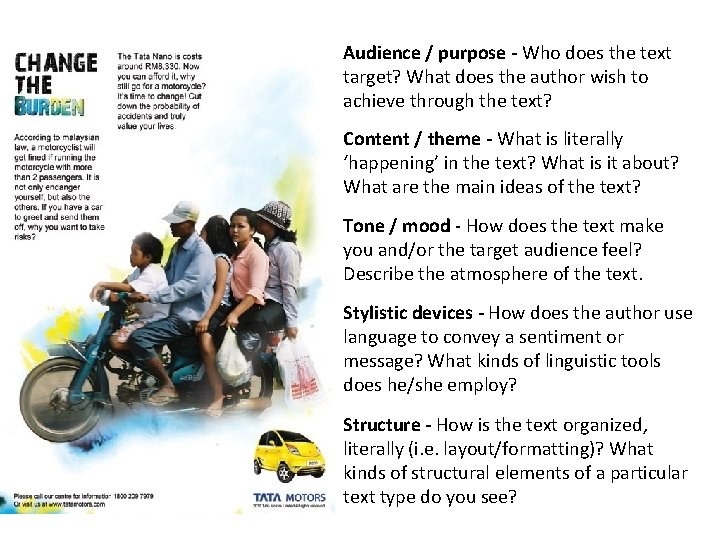
Audience / purpose - Who does the text target? What does the author wish to achieve through the text? Content / theme - What is literally ‘happening’ in the text? What is it about? What are the main ideas of the text? Tone / mood - How does the text make you and/or the target audience feel? Describe the atmosphere of the text. Stylistic devices - How does the author use language to convey a sentiment or message? What kinds of linguistic tools does he/she employ? Structure - How is the text organized, literally (i. e. layout/formatting)? What kinds of structural elements of a particular text type do you see?
- Slides: 20