
10 2 Reading Questions Answers Cardiac Catheterization 1
- Slides: 10
10. 2 Reading Questions Answers
Cardiac Catheterization 1. List 3 external symptoms that help to detect coronary artery blockage. - Inability to sustain physical activity - Rapid breathing - General lack of energy
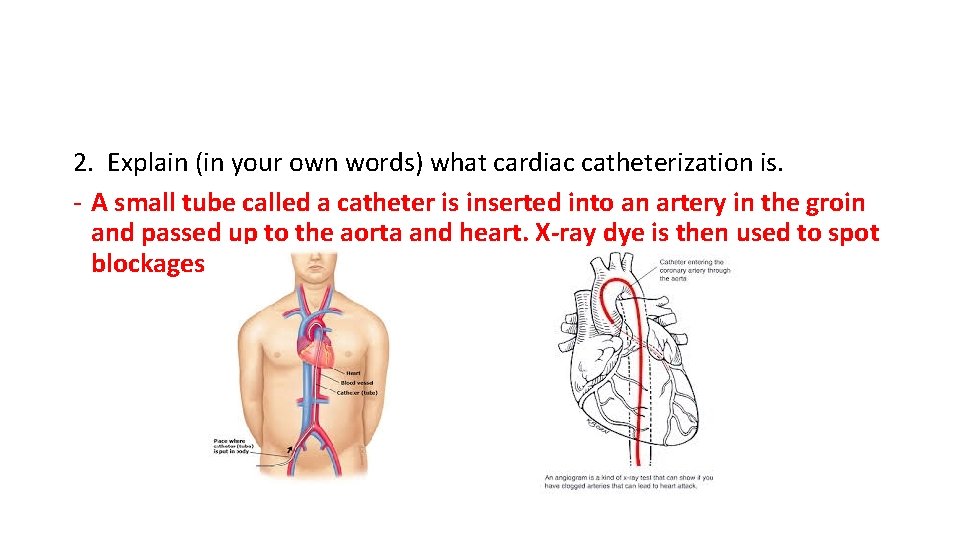
2. Explain (in your own words) what cardiac catheterization is. - A small tube called a catheter is inserted into an artery in the groin and passed up to the aorta and heart. X-ray dye is then used to spot blockages
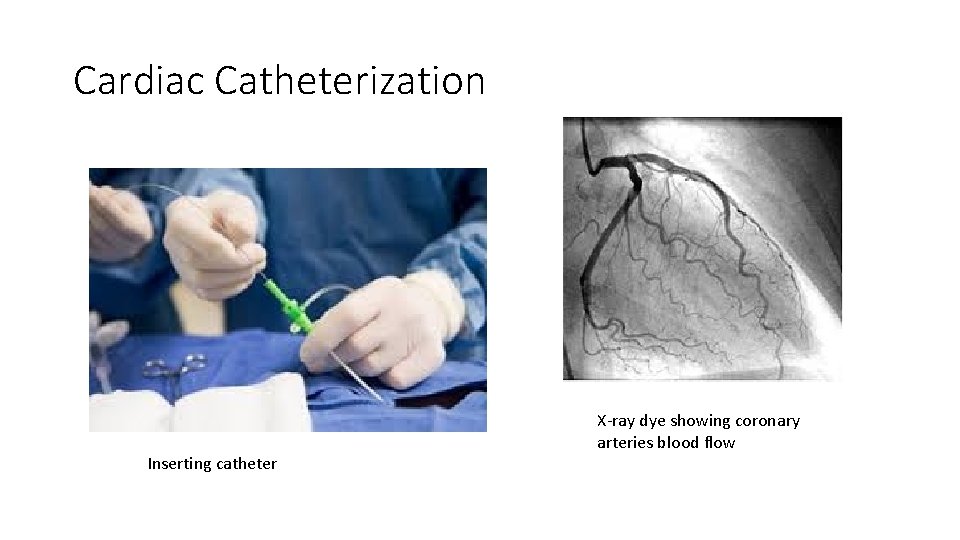
Cardiac Catheterization Inserting catheter X-ray dye showing coronary arteries blood flow
Setting the Heart’s Tempo 3. How is cardiac muscle similar/different to skeletal muscle? Why is this difference so important? - Similar – striated - Different – heart muscle can contract without being stimulated by external nerves (myogenic muscle)
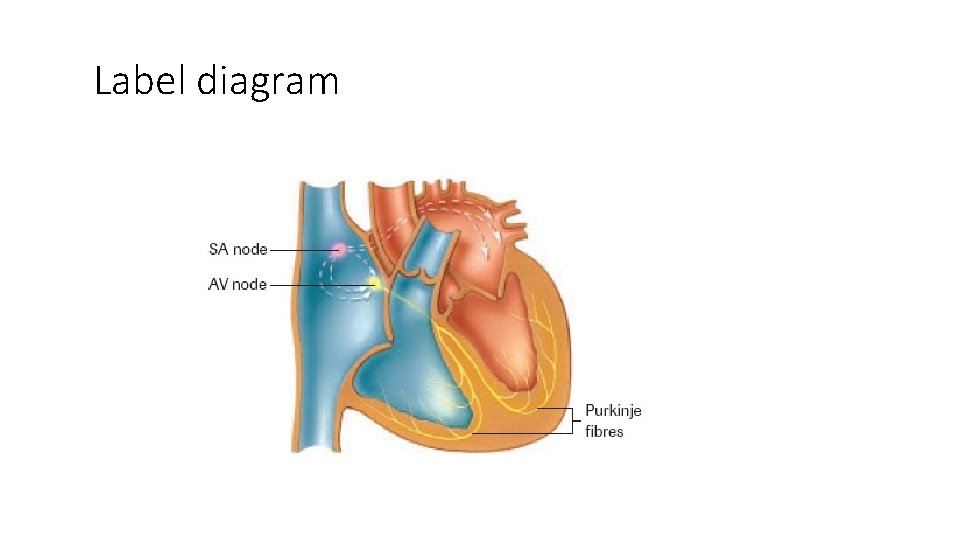
4. What sets the heart’s beat or tempo? How does it work? - The SA node acts as a pace maker, setting a rhythm of about 70 beats per minute and stimulates the atria to contract. The electrical signal travels to a second node, the AV node which acts as a conductor, passing nerve impulses through 2 large nerve fibers called Purkinji Fibers, through the septum toward the ventricles.
Label diagram
5. What is the role of sympathetic and parasympathetic nerves? Sympathetic nerves – stimulated during times of stress, increase heart rate Parasympathetic nerves – return the heart rate to normal resting levels following adjustments to stress.
6. What makes the lubb-dub heart sounds? - The closing of the heart valves 7. Explain diastole and systole. Diastole – the relaxation of the ventricles Systole – the contraction of the ventricles
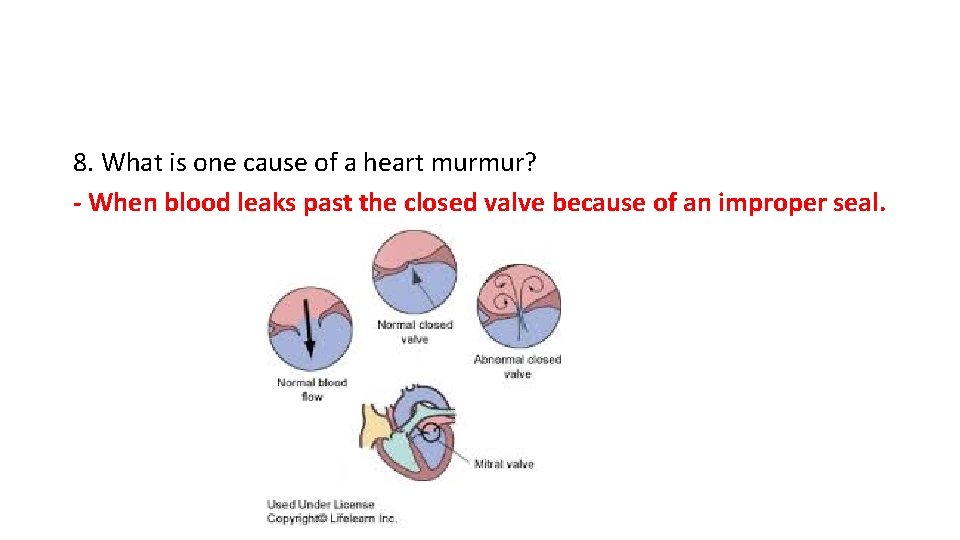
8. What is one cause of a heart murmur? - When blood leaks past the closed valve because of an improper seal.