
10 1 Chapter 10 Surveys 2 Learning Objectives

10 -1 Chapter 10 Surveys
2 Learning Objectives Understand. . . • the process for selecting the appropriate and optimal communication approach • factors affect participation in communication studies • sources of error in communication studies and how to minimize them • major advantages and disadvantages of the three communication approaches • why an organization might outsource a communication study
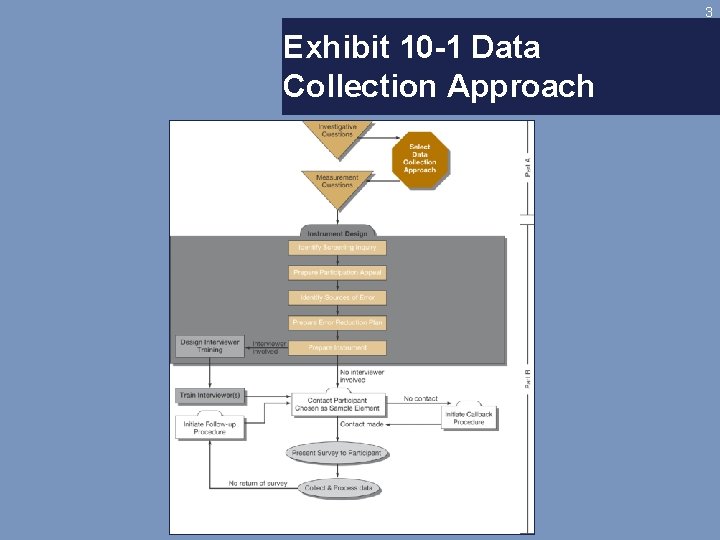
3 Exhibit 10 -1 Data Collection Approach
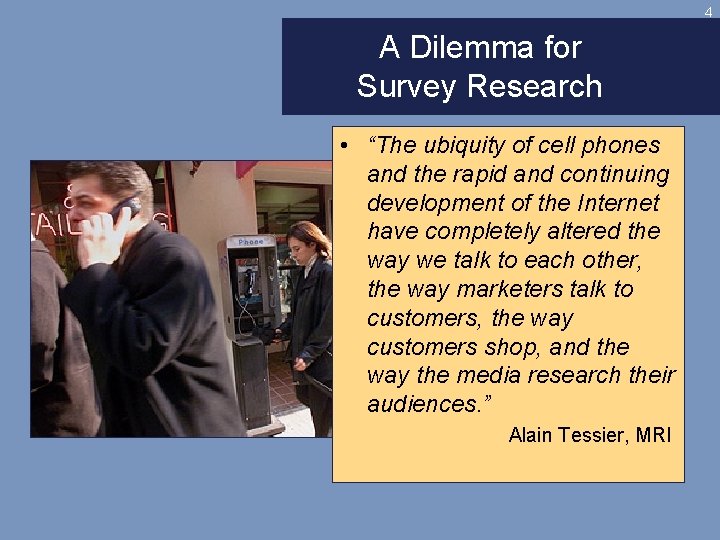
4 A Dilemma for Survey Research • “The ubiquity of cell phones and the rapid and continuing development of the Internet have completely altered the way we talk to each other, the way marketers talk to customers, the way customers shop, and the way the media research their audiences. ” Alain Tessier, MRI
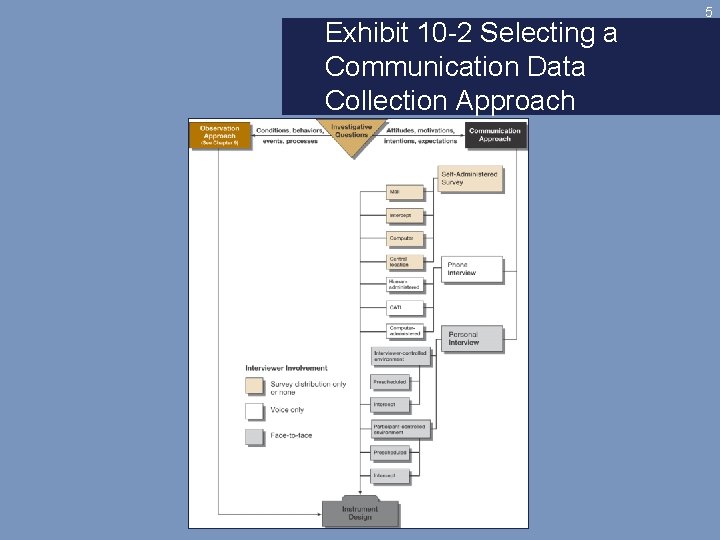
Exhibit 10 -2 Selecting a Communication Data Collection Approach 5
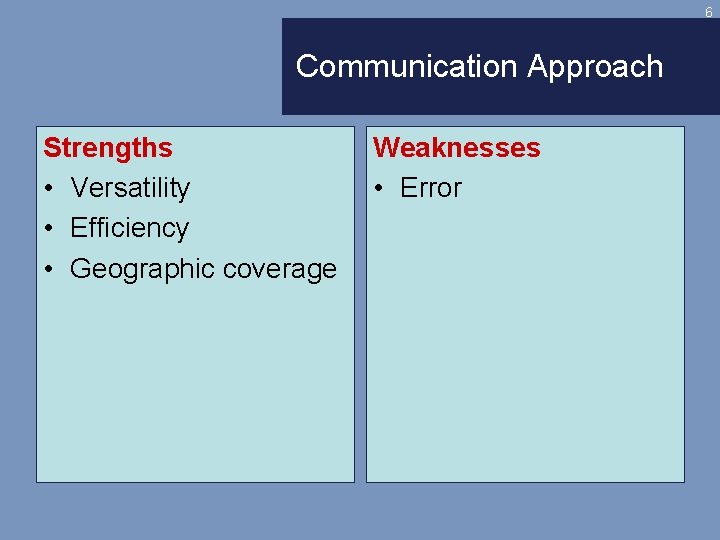
6 Communication Approach Strengths • Versatility • Efficiency • Geographic coverage Weaknesses • Error
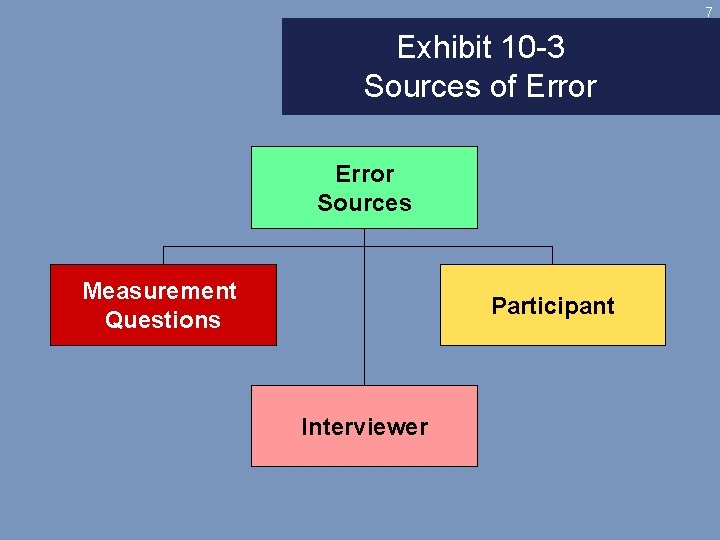
7 Exhibit 10 -3 Sources of Error Sources Measurement Questions Participant Interviewer
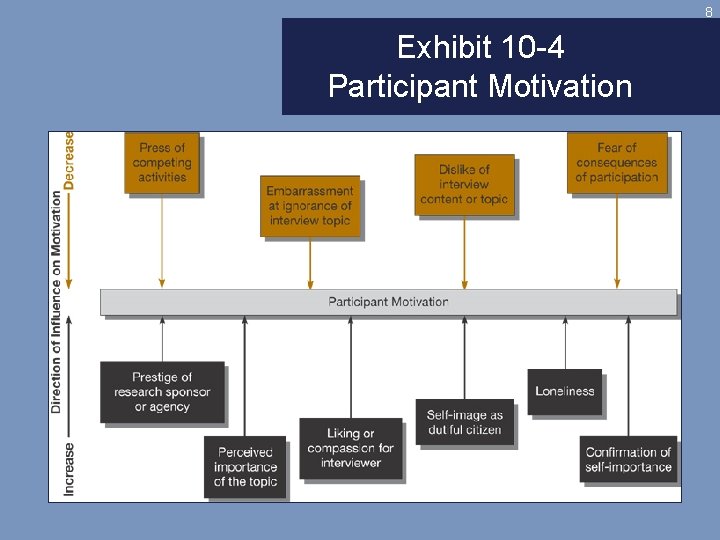
8 Exhibit 10 -4 Participant Motivation
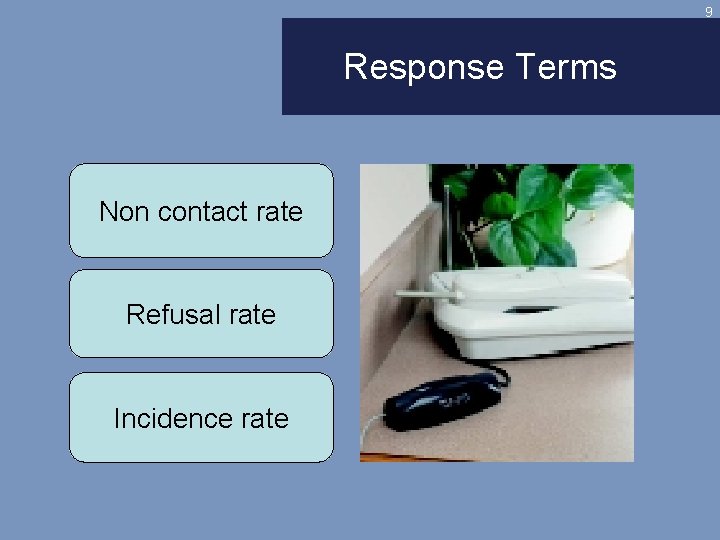
9 Response Terms Non contact rate Refusal rate Incidence rate
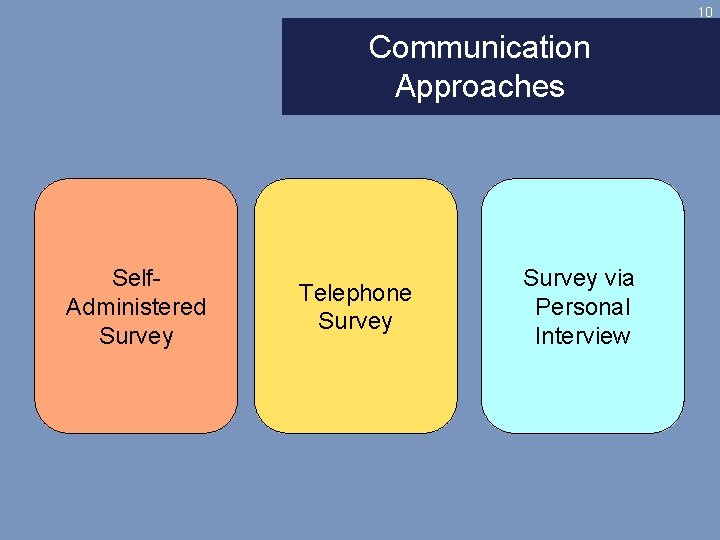
10 Communication Approaches Self. Administered Survey Telephone Survey via Personal Interview
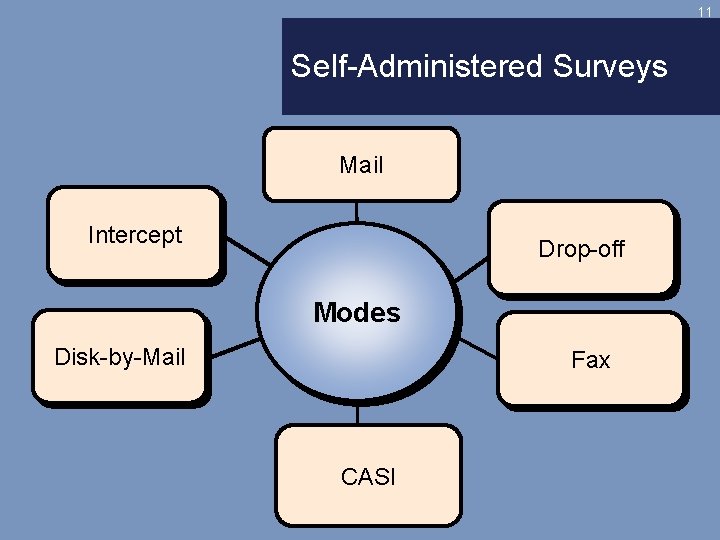
11 Self-Administered Surveys Mail Intercept Drop-off Modes Disk-by-Mail Fax CASI

12 Self-Administered Surveys Costs Topic Coverage Sample Accessibility Systematic Anonymity Time Constraints
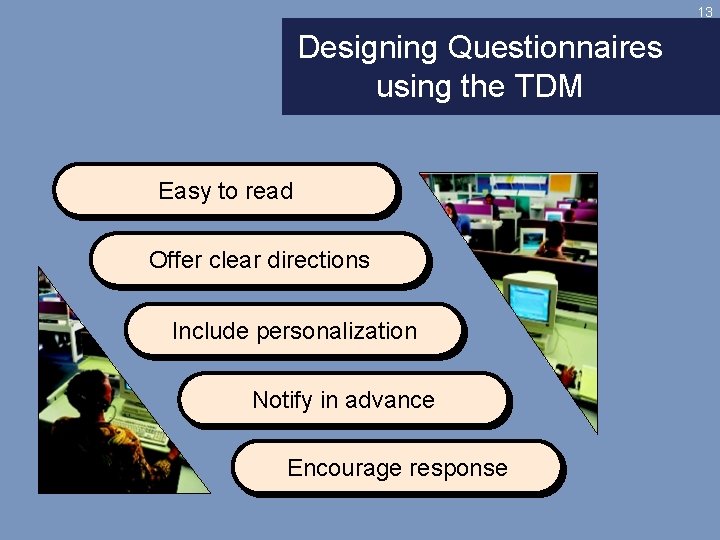
13 Designing Questionnaires using the TDM Easy to read Offer clear directions Include personalization Notify in advance Encourage response
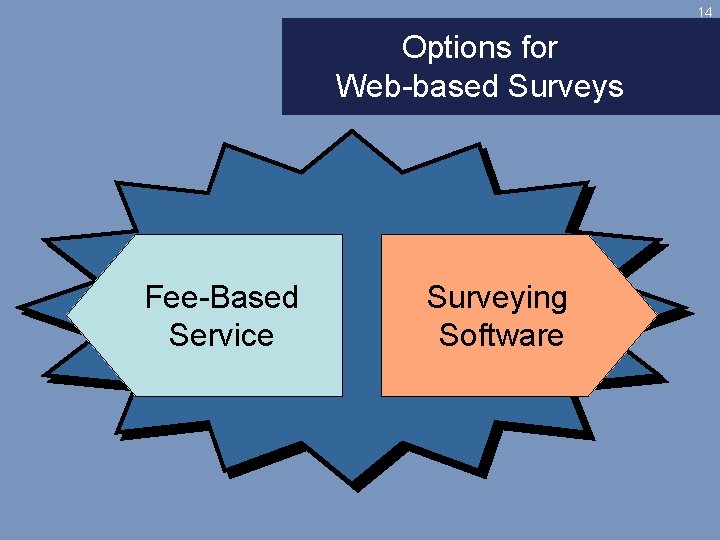
14 Options for Web-based Surveys Fee-Based Service Surveying Software
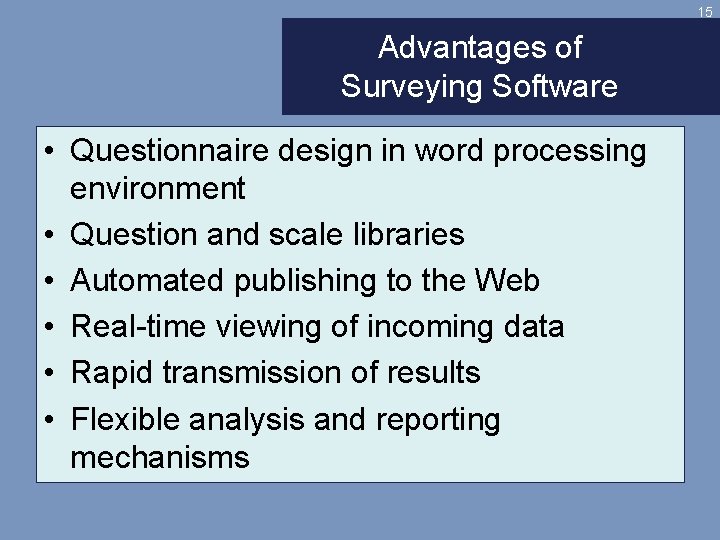
15 Advantages of Surveying Software • Questionnaire design in word processing environment • Question and scale libraries • Automated publishing to the Web • Real-time viewing of incoming data • Rapid transmission of results • Flexible analysis and reporting mechanisms
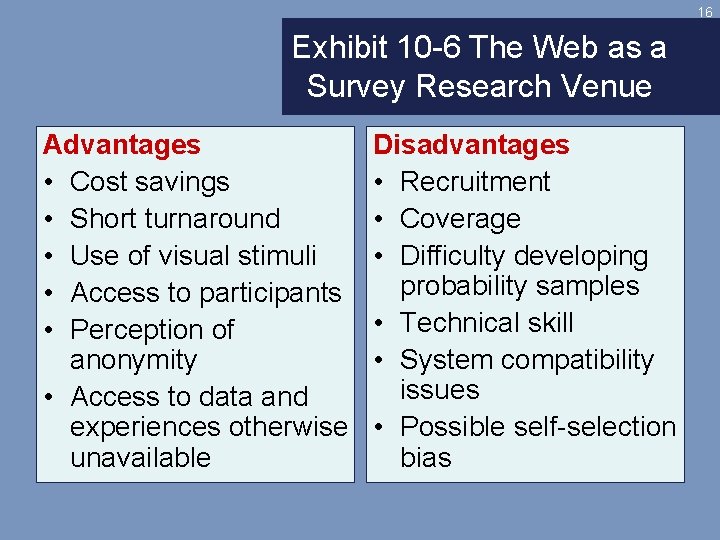
16 Exhibit 10 -6 The Web as a Survey Research Venue Advantages • Cost savings • Short turnaround • Use of visual stimuli • Access to participants • Perception of anonymity • Access to data and experiences otherwise unavailable Disadvantages • Recruitment • Coverage • Difficulty developing probability samples • Technical skill • System compatibility issues • Possible self-selection bias
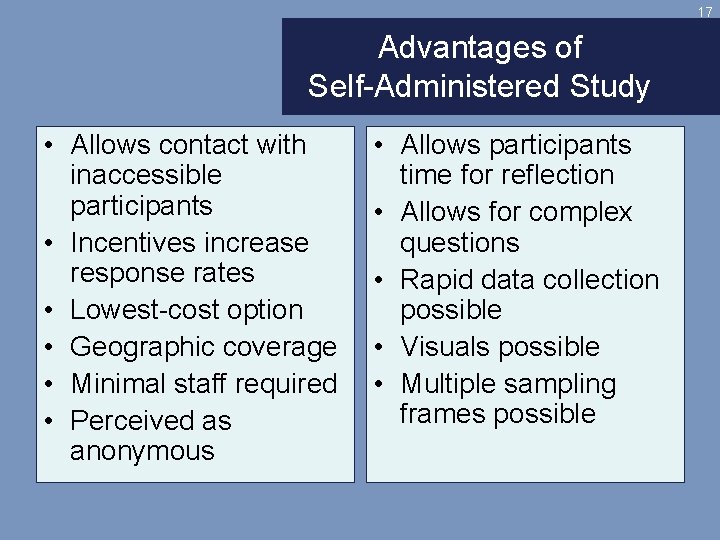
17 Advantages of Self-Administered Study • Allows contact with inaccessible participants • Incentives increase response rates • Lowest-cost option • Geographic coverage • Minimal staff required • Perceived as anonymous • Allows participants time for reflection • Allows for complex questions • Rapid data collection possible • Visuals possible • Multiple sampling frames possible
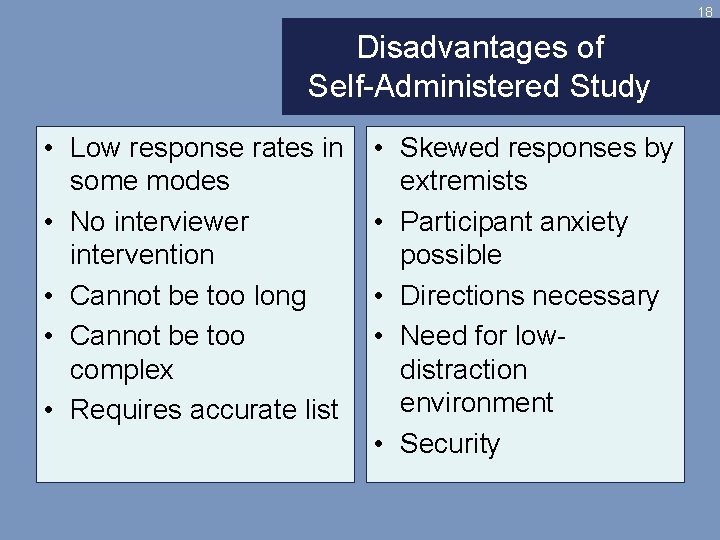
18 Disadvantages of Self-Administered Study • Low response rates in some modes • No interviewer intervention • Cannot be too long • Cannot be too complex • Requires accurate list • Skewed responses by extremists • Participant anxiety possible • Directions necessary • Need for lowdistraction environment • Security
19 Improving Response Rates • • Advance notification Reminders Return directions and devices Monetary incentives Deadlines Promise of anonymity Appeal for participation
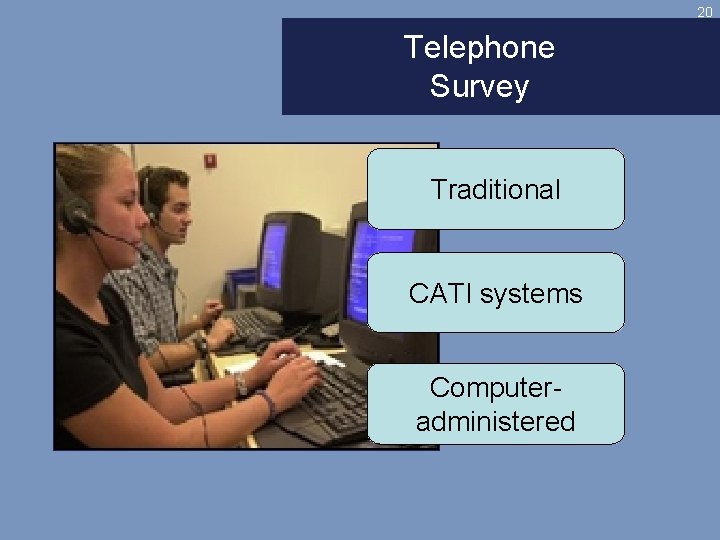
20 Telephone Survey Traditional CATI systems Computeradministered

21 Advantages of the Telephone Survey • Lower costs than personal interview • Expanded geographic coverage • Use of few interviewers • Reduced interviewer bias • Fast completion time • Better access to some participants • Random dialing possible • CATI possible
22 Disadvantages of the Telephone Survey • Lower response rate than personal interview • Higher costs if interviewing geographically dispersed sample • Interview length limited • Unlisted phone numbers/ Call screening • Some unavailable by phone • Unit-nonresponse • Lack of visuals
23 Survey via Personal Interviews CAPI Intercept
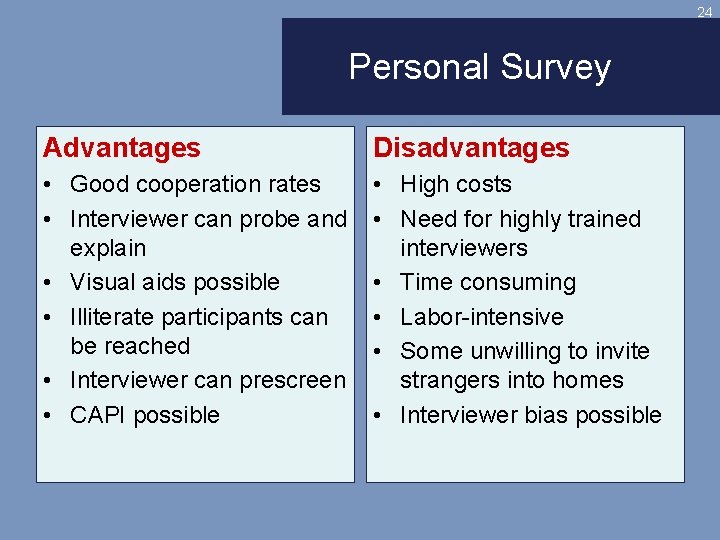
24 Personal Survey Advantages Disadvantages • Good cooperation rates • Interviewer can probe and explain • Visual aids possible • Illiterate participants can be reached • Interviewer can prescreen • CAPI possible • High costs • Need for highly trained interviewers • Time consuming • Labor-intensive • Some unwilling to invite strangers into homes • Interviewer bias possible
25 Key Terms • Communication approach • Computer-administered telephone survey • Computer-assisted personal interviewing (CAPI) • Computer-assisted self interview (CASI) • Disk-by-mail survey • Computer-assisted telephone interviewing (CATI) • Intercept interview • Interviewer error • Mail survey • Noncontact rate • Nonresponse error
26 Key Terms (cont. ) • • • Panel Personal interview Random dialing Refusal rate Response error • • Self-administered survey Survey Telephone interview Web-based questionnaire
- Slides: 26