
1 GPS Basics 2 The Global Positioning System
1
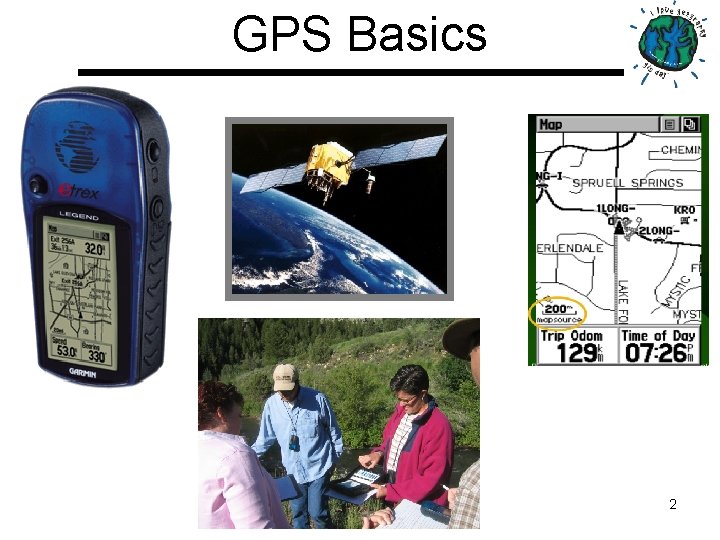
GPS Basics 2
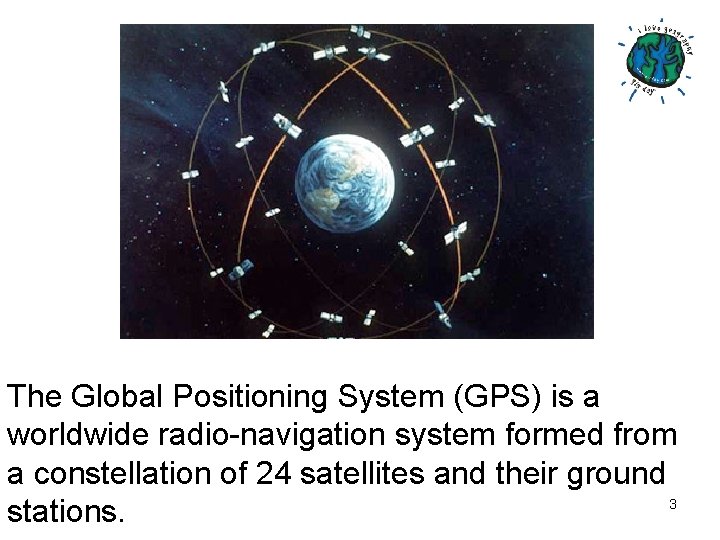
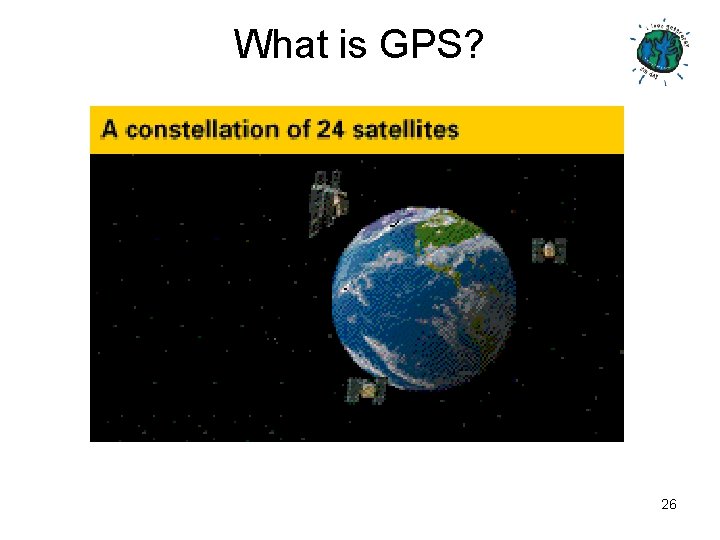
The Global Positioning System (GPS) is a worldwide radio-navigation system formed from a constellation of 24 satellites and their ground 3 stations.
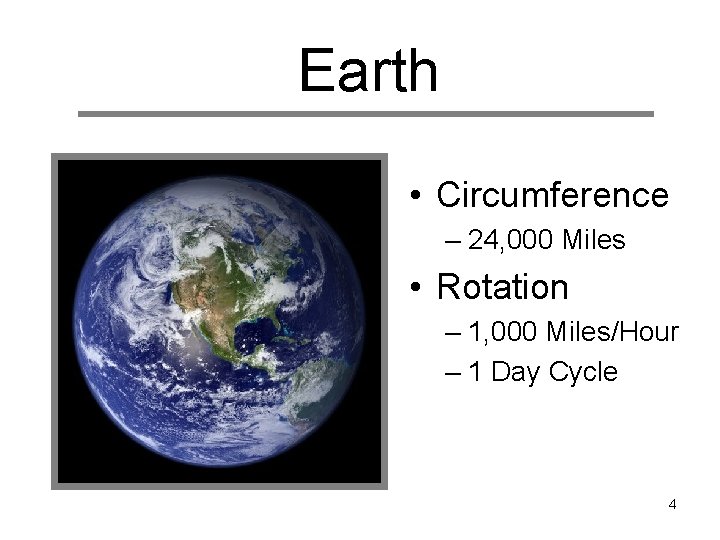
Earth • Circumference – 24, 000 Miles • Rotation – 1, 000 Miles/Hour – 1 Day Cycle 4
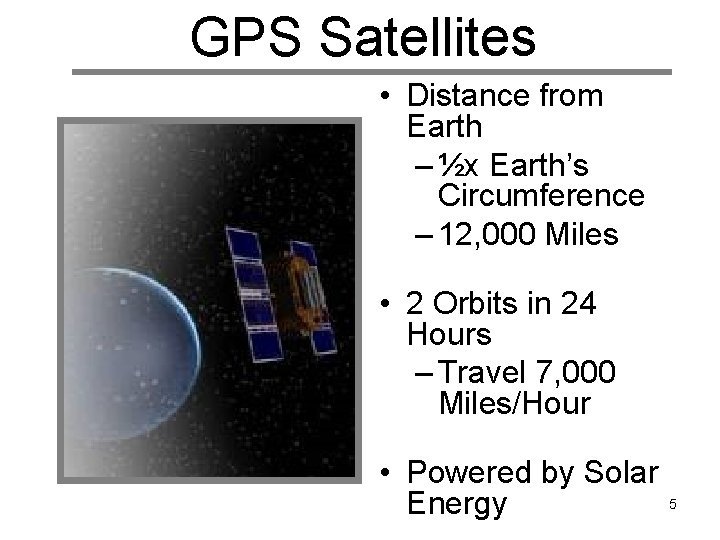
GPS Satellites • Distance from Earth – ½x Earth’s Circumference – 12, 000 Miles • 2 Orbits in 24 Hours – Travel 7, 000 Miles/Hour • Powered by Solar Energy 5
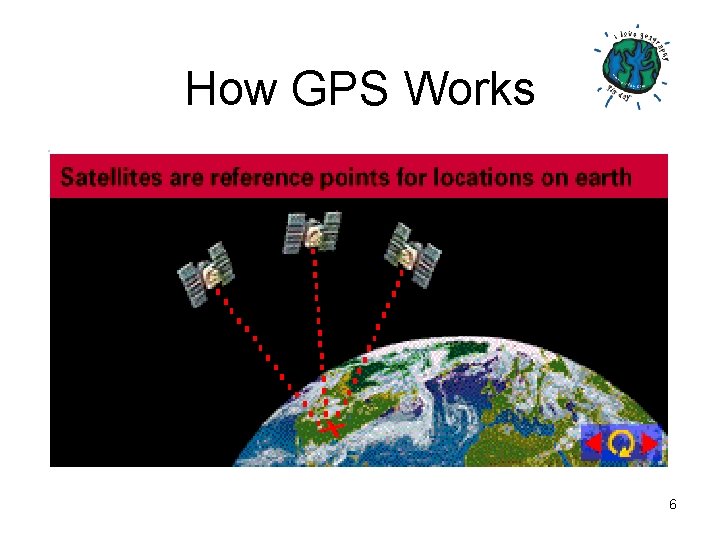
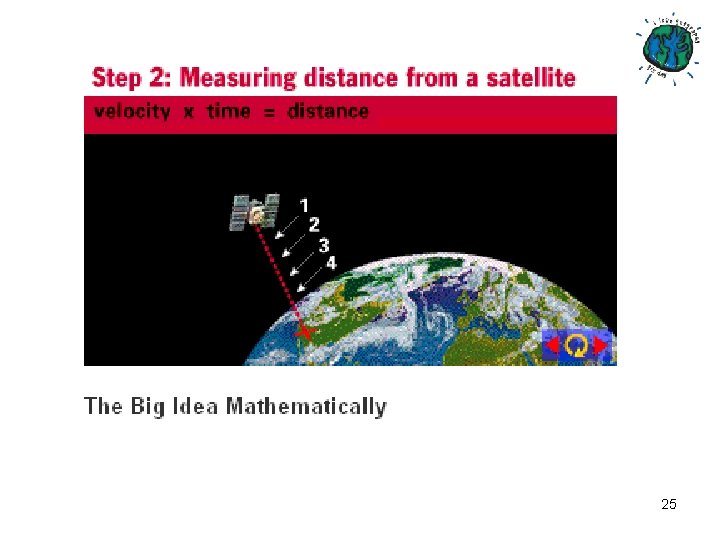
How GPS Works 6
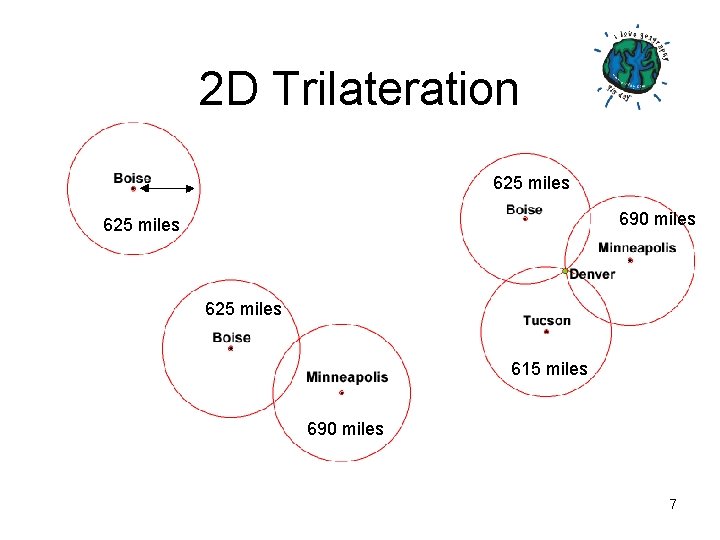
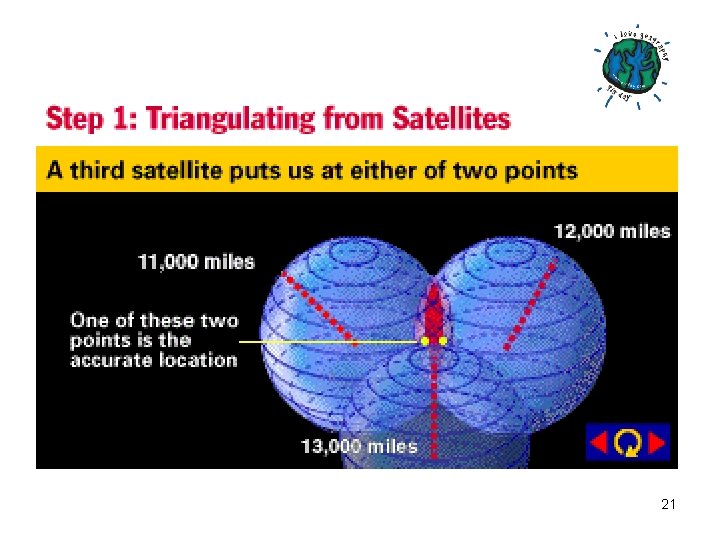
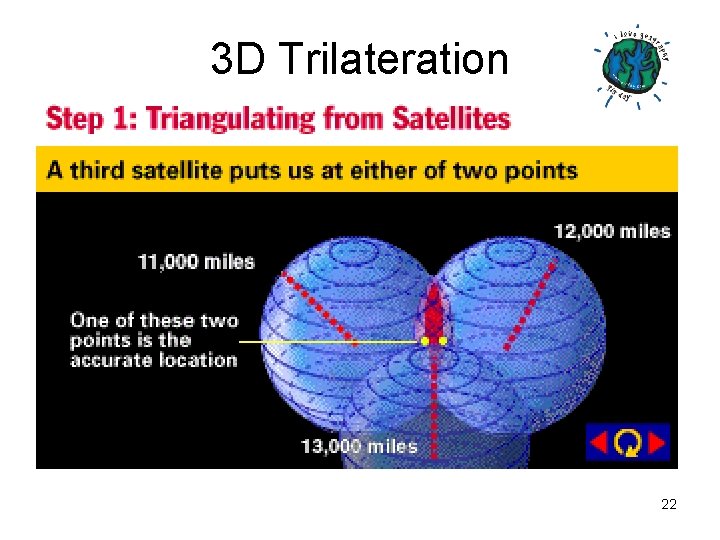
2 D Trilateration 625 miles 690 miles 625 miles 615 miles 690 miles 7
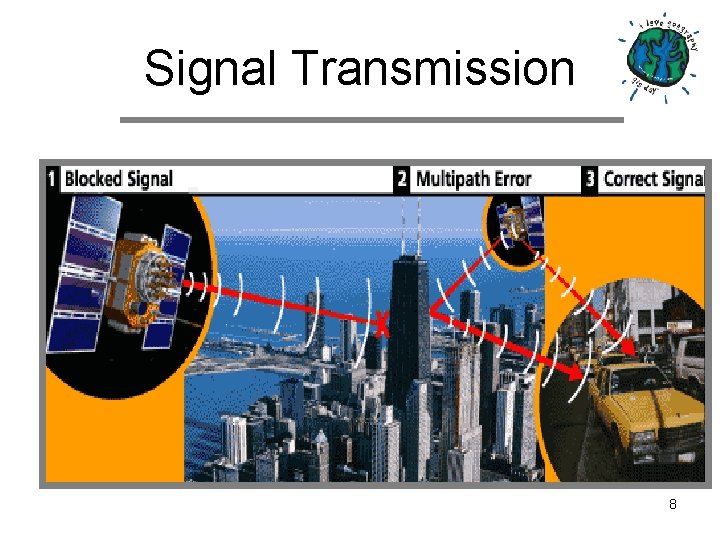
Signal Transmission 8
Real World GPS Applications Location - determining a basic position Navigation - getting from one location to another Tracking - monitoring movement of people and things Mapping - creating maps of the world Timing - bringing precise timing to the world 9
10
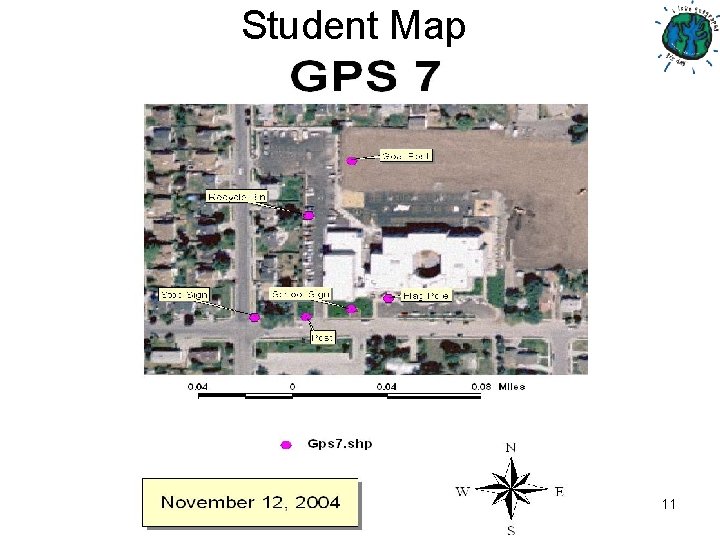
Student Map 11
12
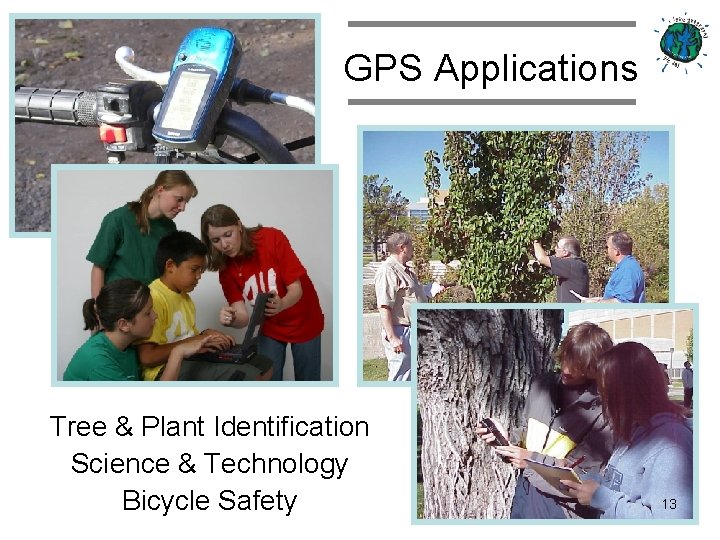
GPS Applications Tree & Plant Identification Science & Technology Bicycle Safety 13
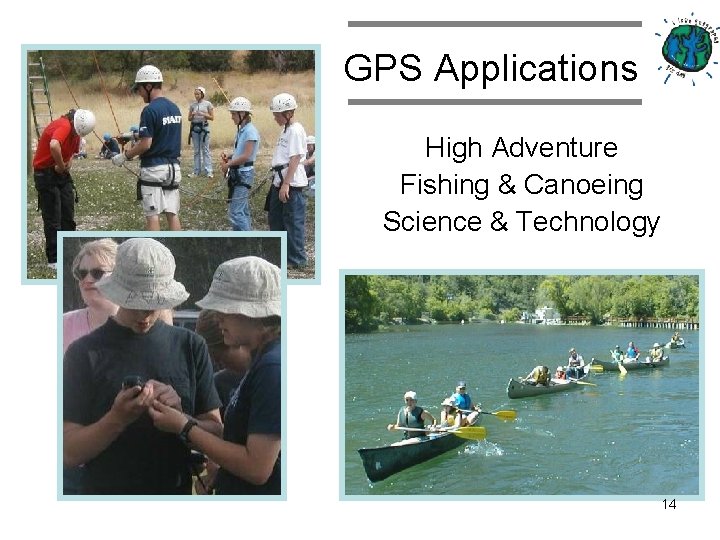
GPS Applications High Adventure Fishing & Canoeing Science & Technology 14
Geo. Caching • • Scavenger Hunt Zip Code Adventure Educational Recreation Families and Friends Exciting and Fun! www. geocaching. com 15
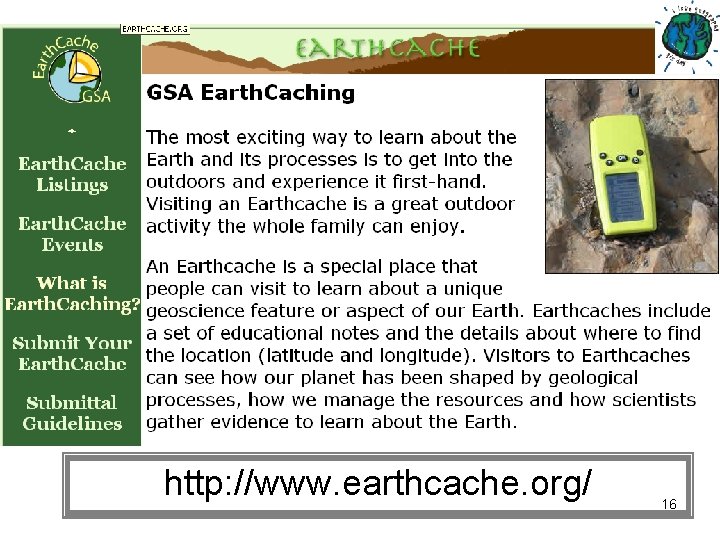
http: //www. earthcache. org/ 16
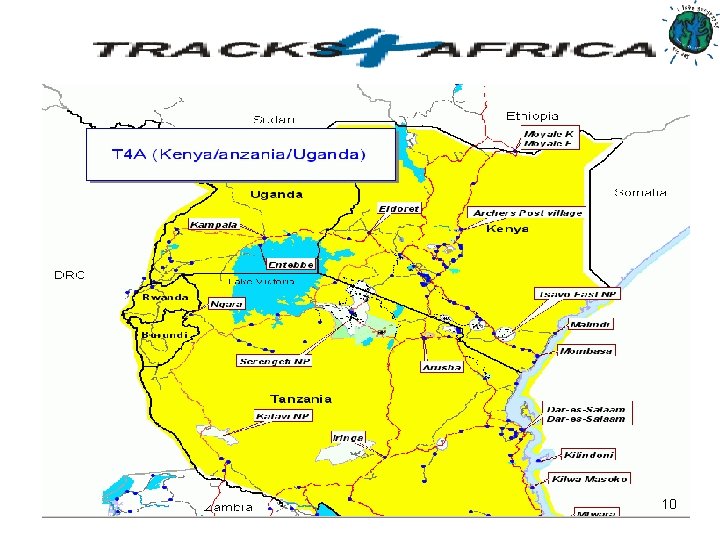
Credits -How Stuff Works http: //electronics. howstuffworks. com/gps 1. htm - 4 H Navigation to Success by Brady Mitchell - All About GPS http: //www. trimble. com/gps/ - Tracks 4 Africa http: //www. tracks 4 africa. co. za/# - EARTHCACHE http: //www. earthcache. org/ 17
Questions? Comments 18
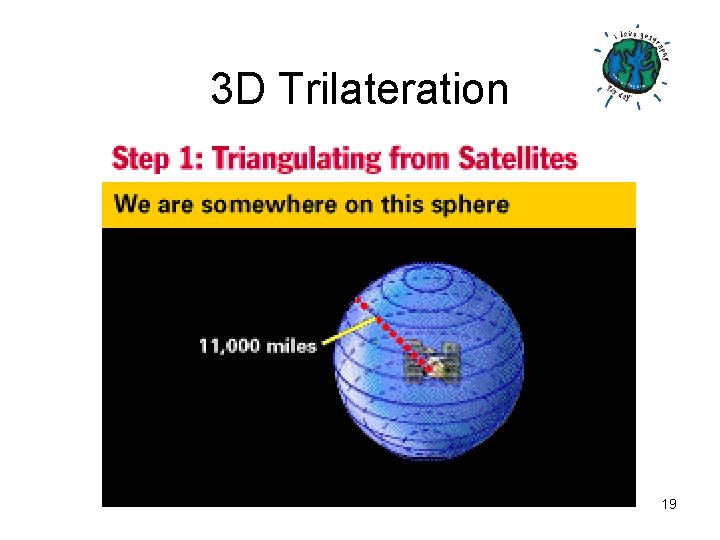
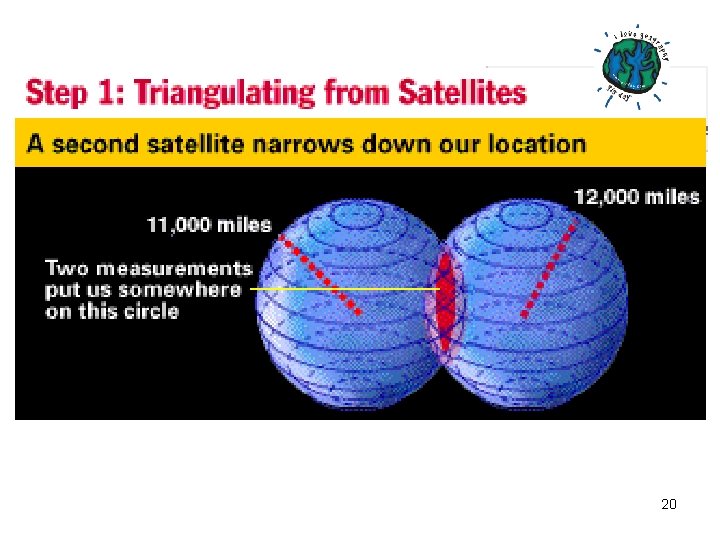
3 D Trilateration 19
20
21
3 D Trilateration 22
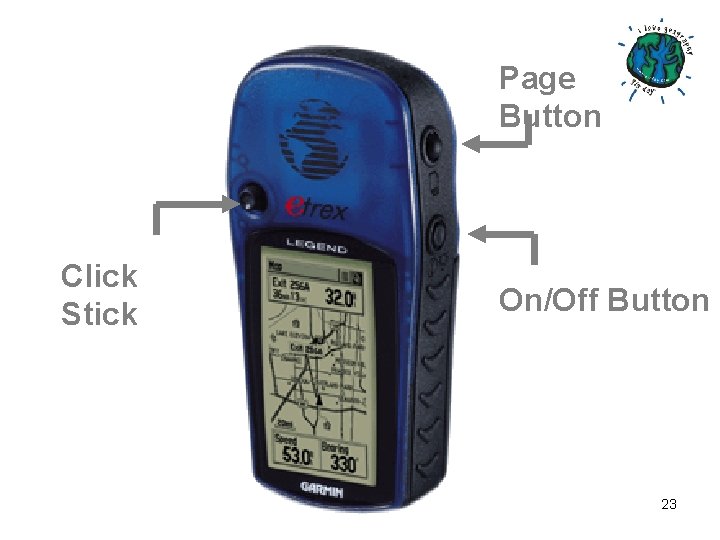
Page Button Click Stick On/Off Button 23
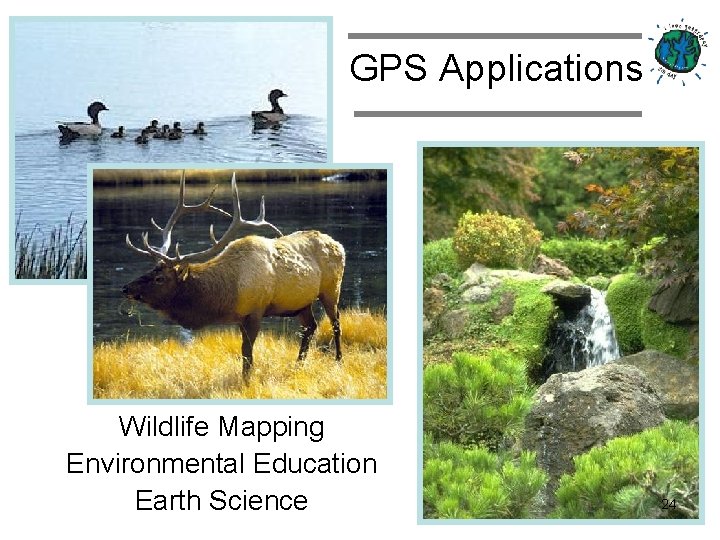
GPS Applications Wildlife Mapping Environmental Education Earth Science 24
25
What is GPS? 26
- Slides: 26