
1 DNA DNA is often called the blueprint
1
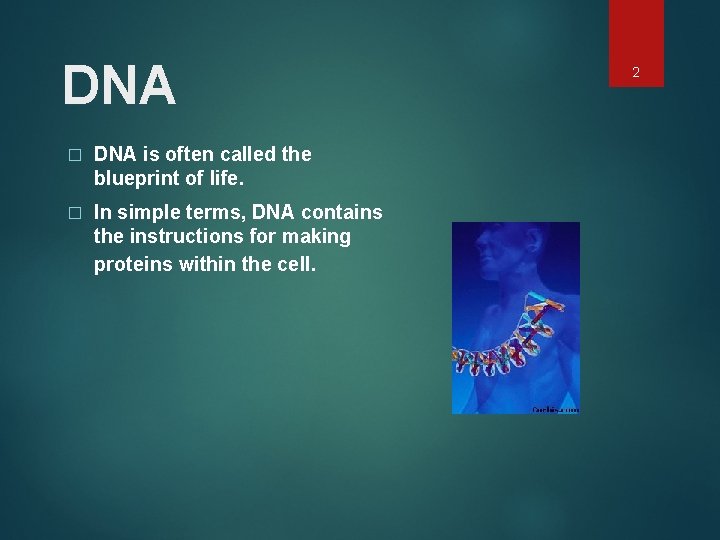
DNA � DNA is often called the blueprint of life. � In simple terms, DNA contains the instructions for making proteins within the cell. 2

Discovering the structure of DNA 3 Rosalind Franklin (1952) • Obtained sharp X-ray diffraction photographs of DNA (Photo 51) • Watson and Crick used her data revealed its helical shape • Watson and Crick went on to win Nobel Prize (1962) for their DNA model
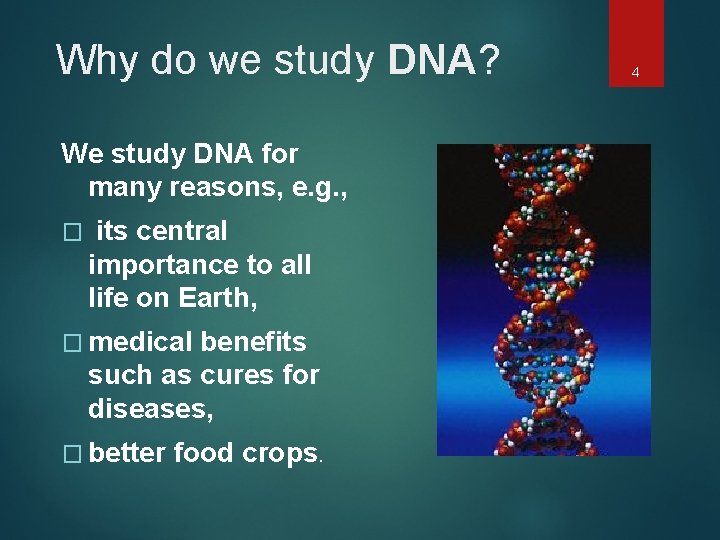
Why do we study DNA? DNA We study DNA for many reasons, e. g. , � its central importance to all life on Earth, � medical benefits such as cures for diseases, � better food crops. 4
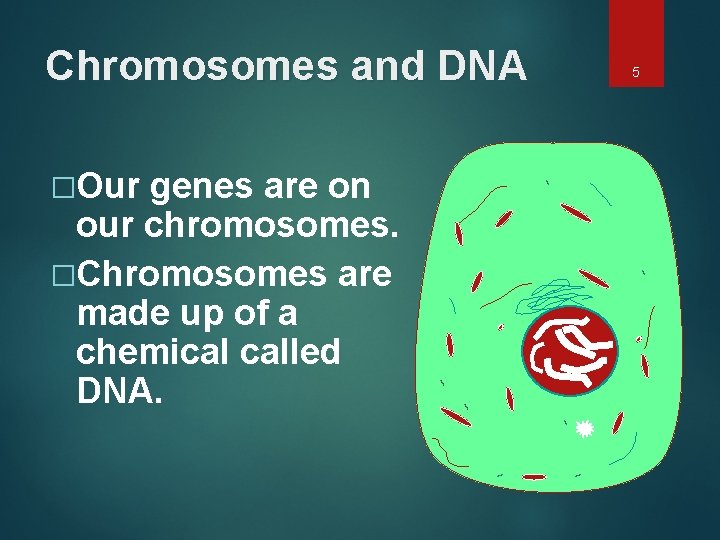
Chromosomes and DNA �Our genes are on our chromosomes. �Chromosomes are made up of a chemical called DNA. 5
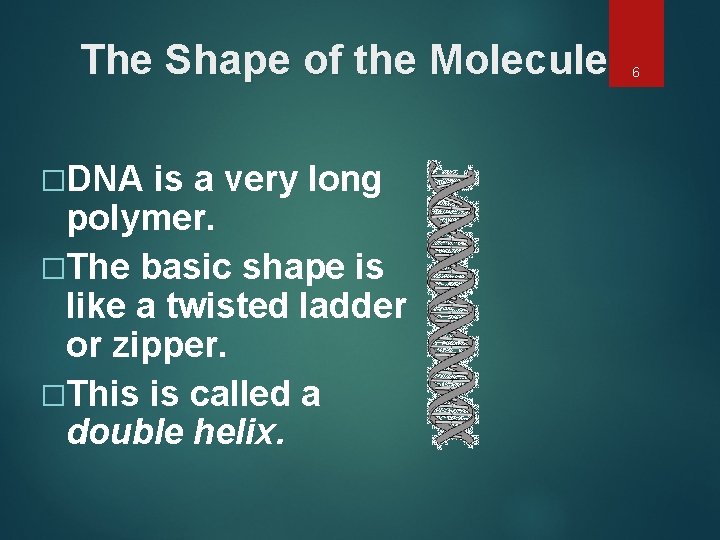
The Shape of the Molecule �DNA is a very long polymer. �The basic shape is like a twisted ladder or zipper. �This is called a double helix. 6
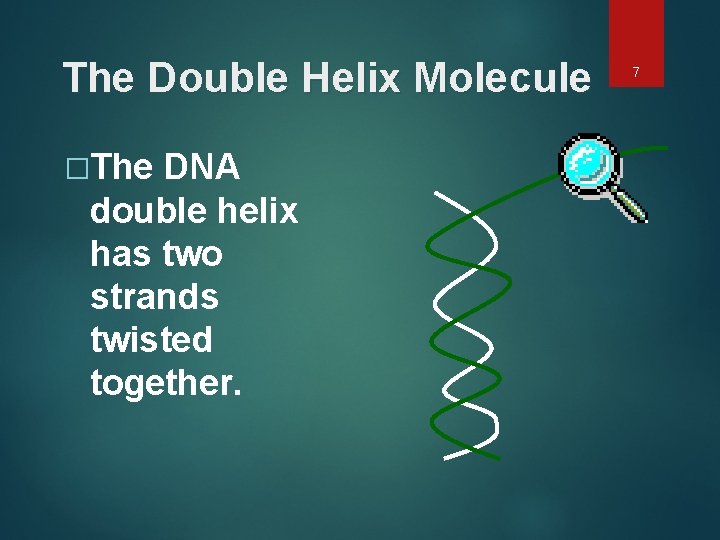
The Double Helix Molecule �The DNA double helix has two strands twisted together. 7
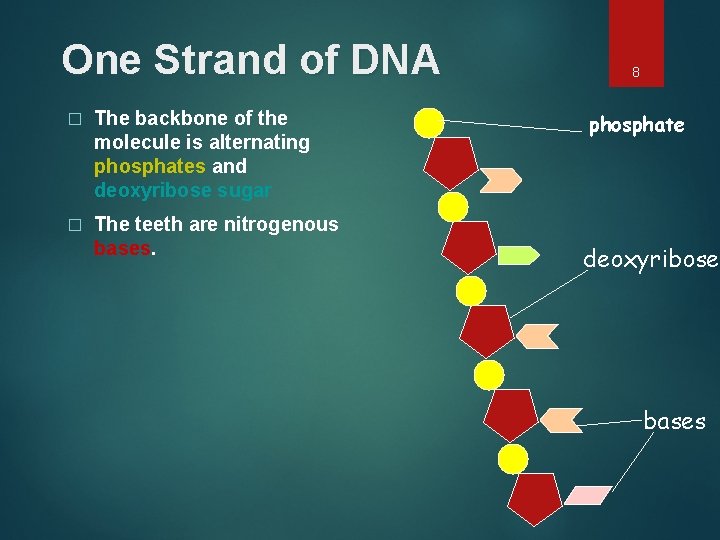
One Strand of DNA � The backbone of the molecule is alternating phosphates and deoxyribose sugar � The teeth are nitrogenous bases. 8 phosphate deoxyribose bases
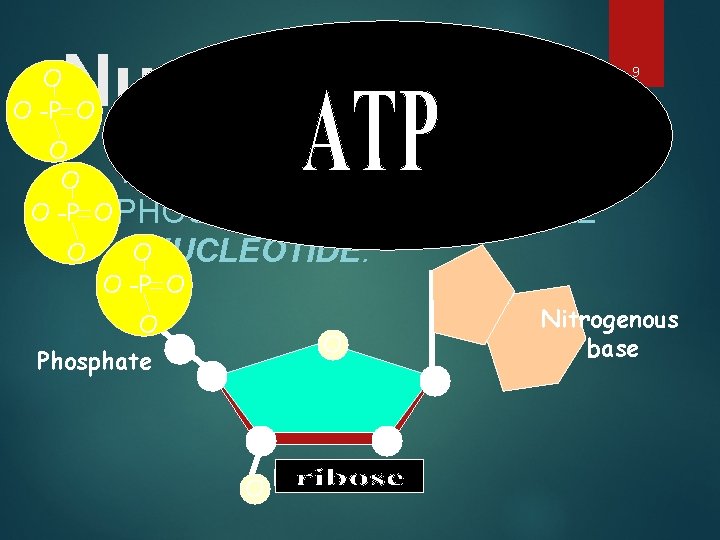
Nucleotides ONE DEOXYRIBOSE O O -P O O O TOGETHER WITH ITS O -P O PHOSPHATE AND BASE O 9 MAKE AONUCLEOTIDE. O -P O O O C C C Phosphate Nitrogenous base C C O Deoxyribose
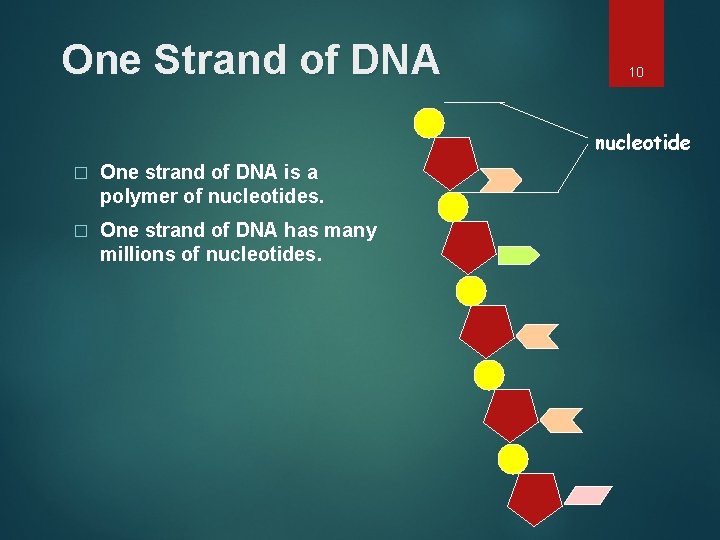
One Strand of DNA 10 nucleotide � One strand of DNA is a polymer of nucleotides. � One strand of DNA has many millions of nucleotides.
Four nitrogenous bases 11 DNA has four different bases: � Cytosine C T � Adenine A � Guanine G � Thymine
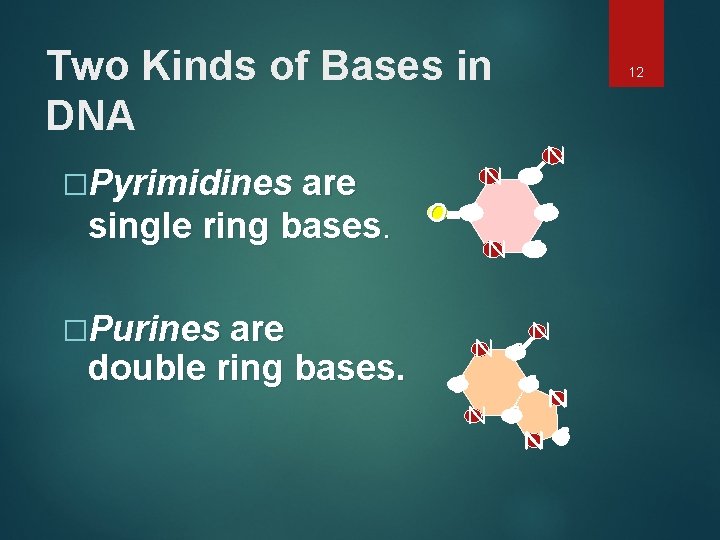
Two Kinds of Bases in DNA �Pyrimidines are single ring bases. �Purines are double ring bases. 12 N N C O C C N N C
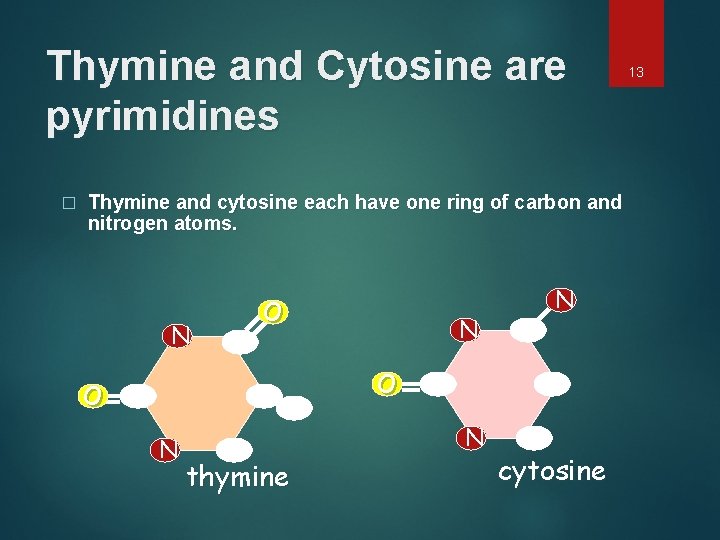
Thymine and Cytosine are pyrimidines � Thymine and cytosine each have one ring of carbon and nitrogen atoms. N O C C N C thymine N O C C N C cytosine 13
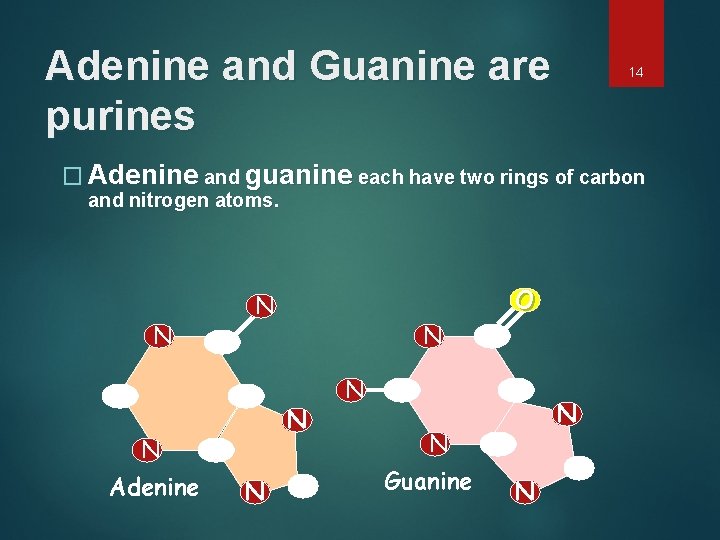
Adenine and Guanine are purines 14 � Adenine and guanine each have two rings of carbon and nitrogen atoms. N C Adenine N C C N O N C N C C C N Guanine C N N C
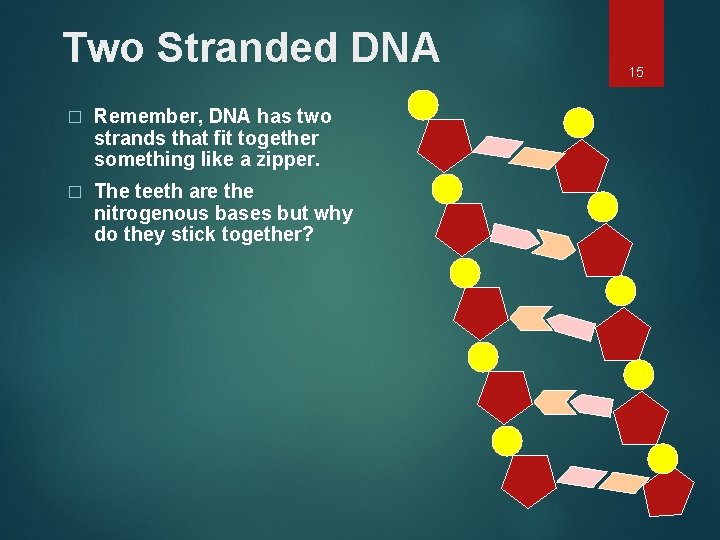
Two Stranded DNA � Remember, DNA has two strands that fit together something like a zipper. � The teeth are the nitrogenous bases but why do they stick together? 15
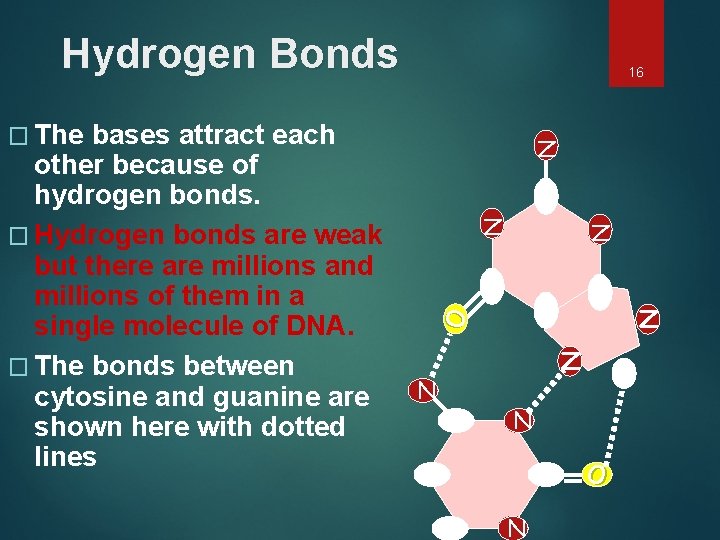
Hydrogen Bonds N � The C N N C C N C O N C C C N O C N bases attract each other because of hydrogen bonds. � Hydrogen bonds are weak but there are millions and millions of them in a single molecule of DNA. � The bonds between cytosine and guanine are shown here with dotted lines 16
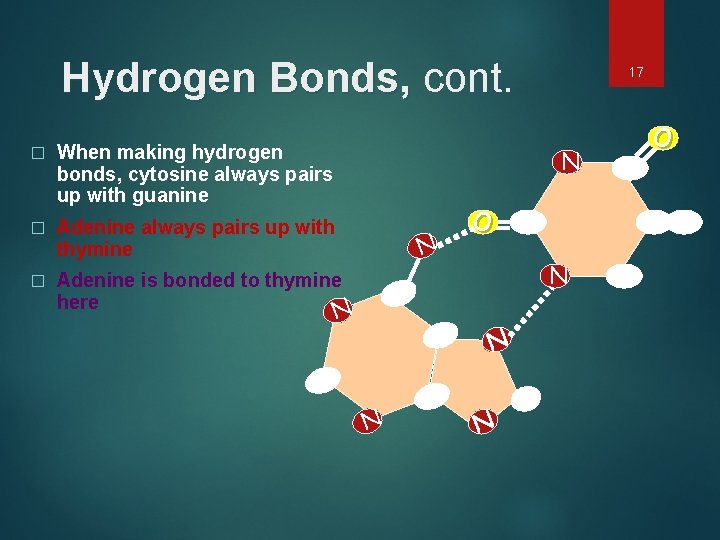
Hydrogen Bonds, cont. � When making hydrogen bonds, cytosine always pairs up with guanine � Adenine always pairs up with thymine � Adenine is bonded to thymine here 17 N N O C C C N C N N N C C O C
Chargraff’s Rule: 18 ADENINE AND THYMINE ALWAYS JOIN TOGETHER • A T CYTOSINE AND GUANINE ALWAYS JOIN TOGETHER • C G
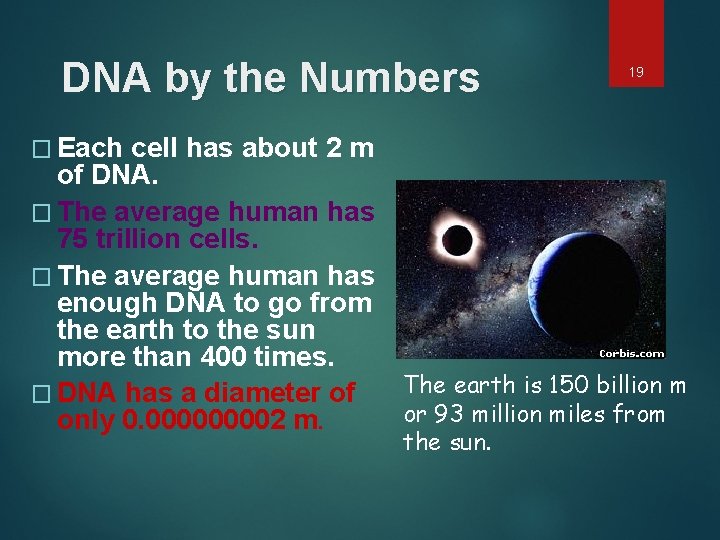
DNA by the Numbers � Each 19 cell has about 2 m of DNA. � The average human has 75 trillion cells. � The average human has enough DNA to go from the earth to the sun more than 400 times. The earth is 150 billion m � DNA has a diameter of or 93 million miles from only 0. 00002 m. the sun.
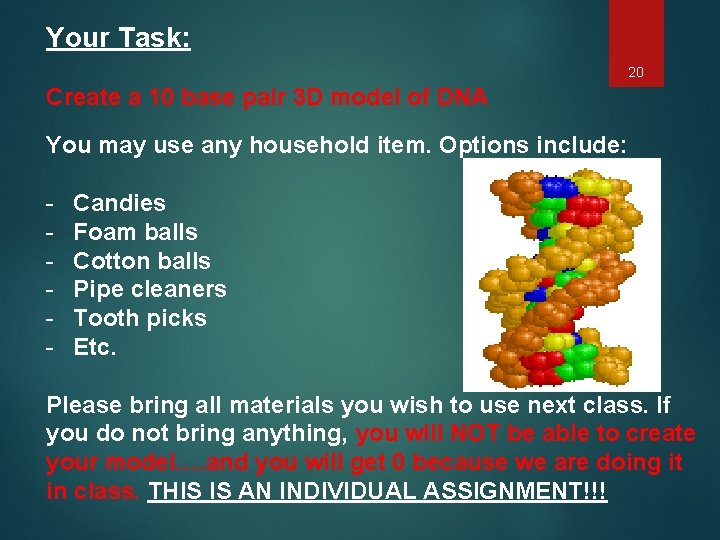
Your Task: 20 Create a 10 base pair 3 D model of DNA You may use any household item. Options include: - Candies Foam balls Cotton balls Pipe cleaners Tooth picks Etc. Please bring all materials you wish to use next class. If you do not bring anything, you will NOT be able to create your model…. and you will get 0 because we are doing it in class. THIS IS AN INDIVIDUAL ASSIGNMENT!!!
- Slides: 20