
1 CELLULAR TRANSPORT The Cell and its Environment
- Slides: 42
1 CELLULAR TRANSPORT The Cell and its Environment Cellular Transport
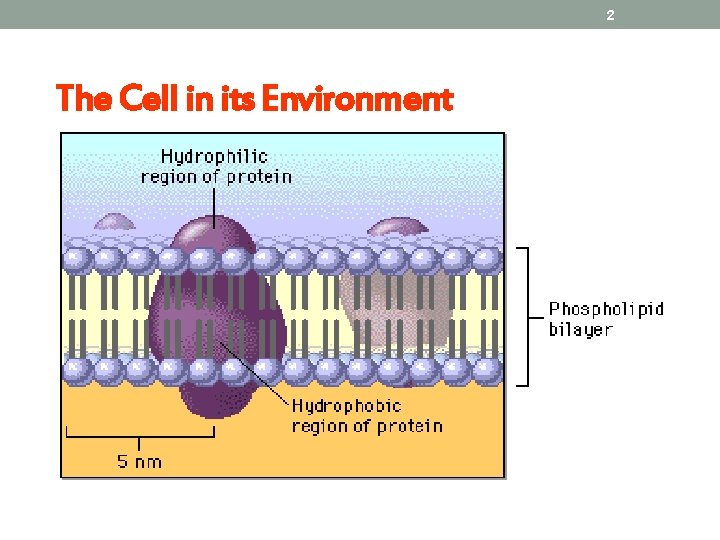
2 The Cell in its Environment
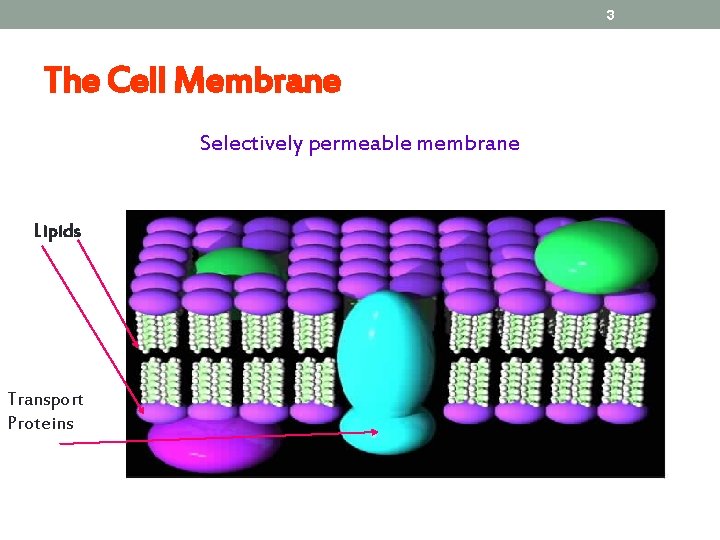
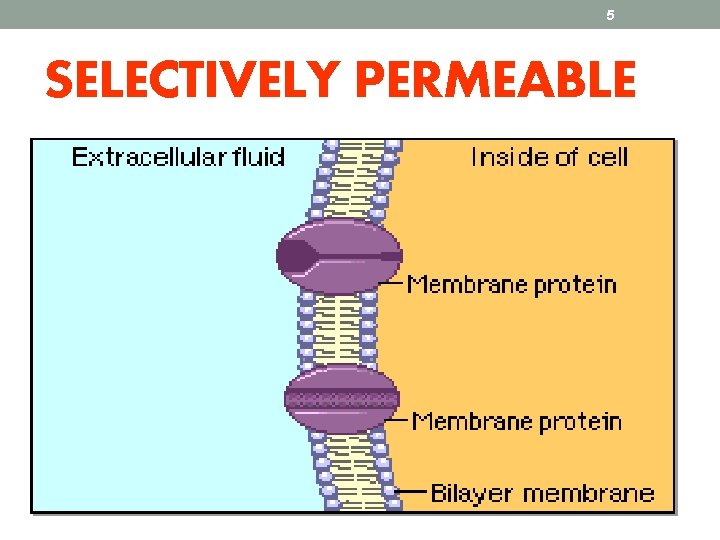
3 The Cell Membrane Selectively permeable membrane Lipids Transport Proteins
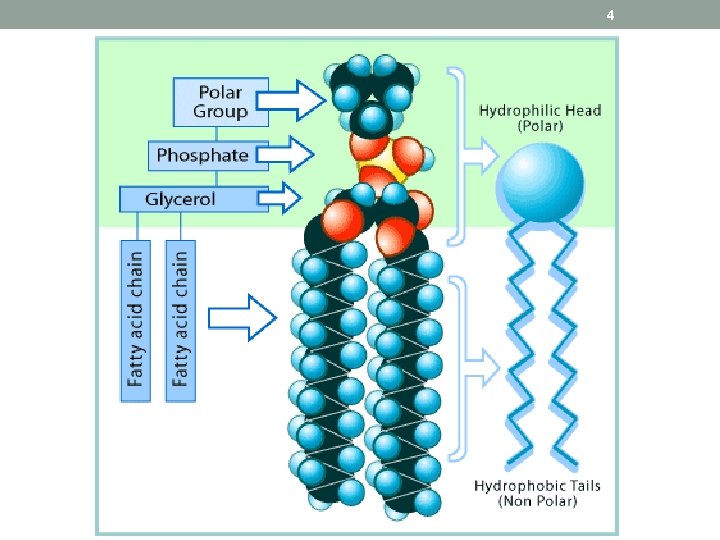
4
5 SELECTIVELY PERMEABLE
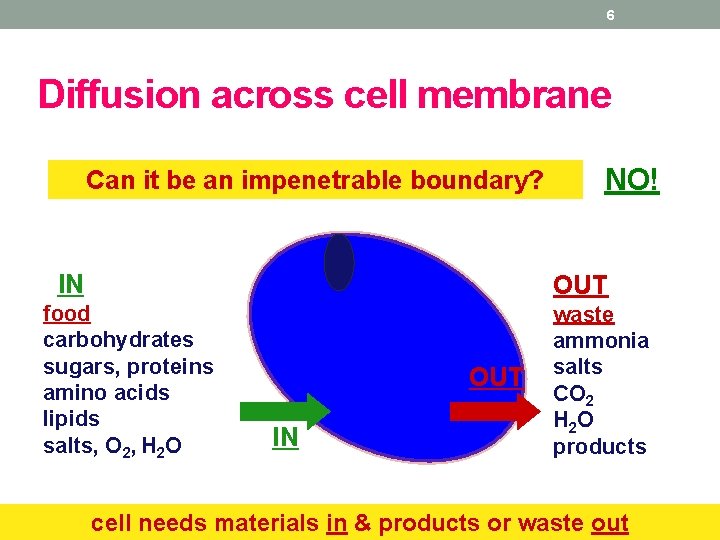
6 Diffusion across cell membrane Can it be an impenetrable boundary? IN NO! OUT food carbohydrates sugars, proteins amino acids lipids salts, O 2, H 2 O OUT IN waste ammonia salts CO 2 H 2 O products cell needs materials in & products or waste out
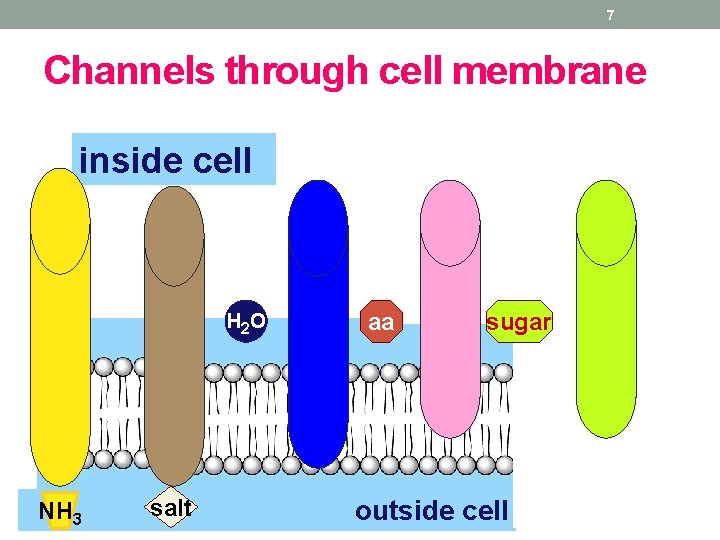
7 Channels through cell membrane inside cell H 2 O NH 3 salt aa sugar outside cell
8 Cellular Transport Two Kinds 1. Passive Transport 2. Active Transport
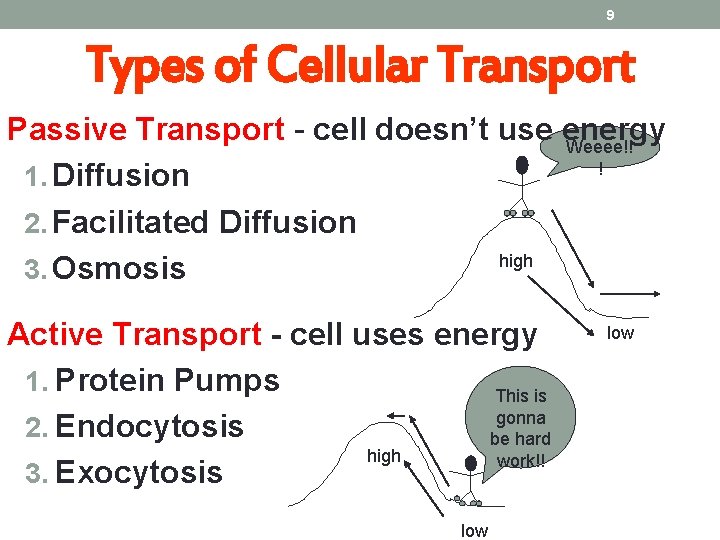
9 Types of Cellular Transport Passive Transport - cell doesn’t use energy Weeee!! ! 1. Diffusion 2. Facilitated Diffusion high 3. Osmosis Active Transport - cell uses energy 1. Protein Pumps This is gonna 2. Endocytosis be hard high work!! 3. Exocytosis low
10 PASSIVE TRANSPORT Diffusion Facilitated Diffusion Osmosis
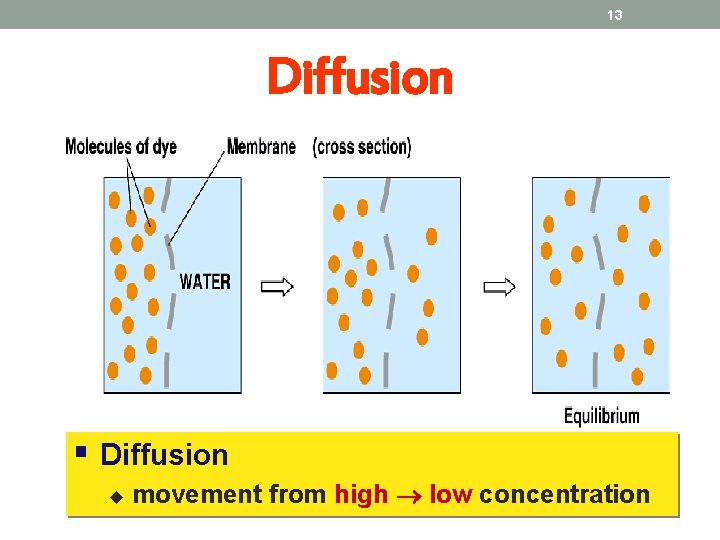
11 Passive Transport Diffusion is the movement of molecules from an area of higher concentration to an area of lower concentration.
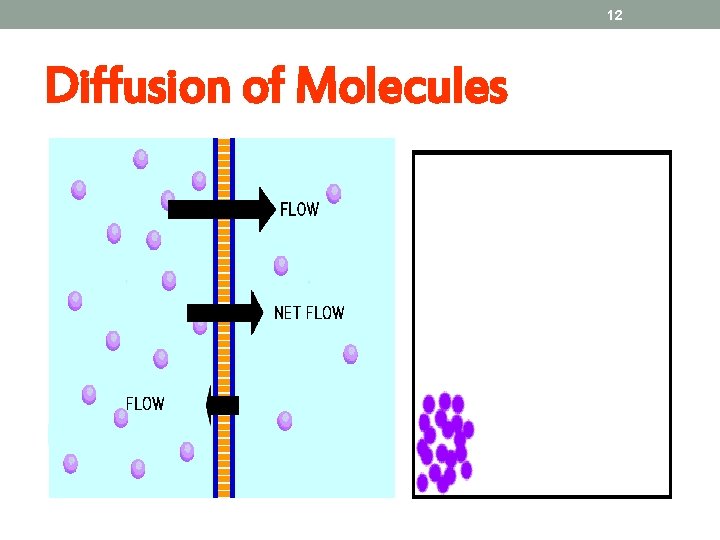
12 Diffusion of Molecules
13 Diffusion § Diffusion u movement from high low concentration
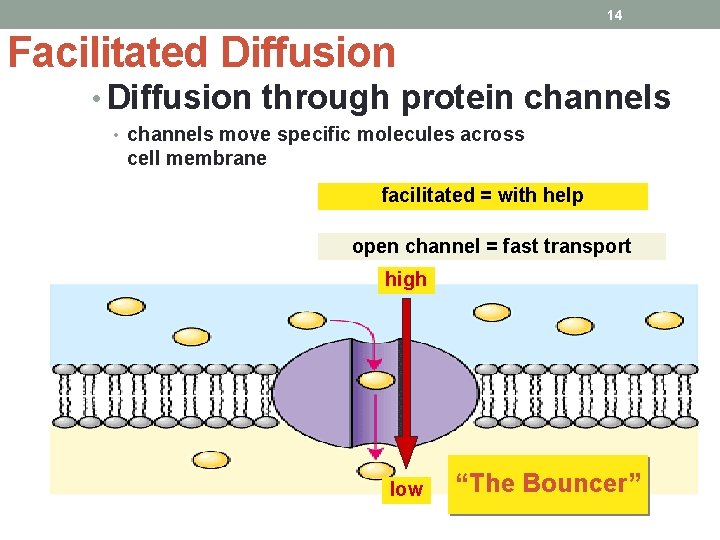
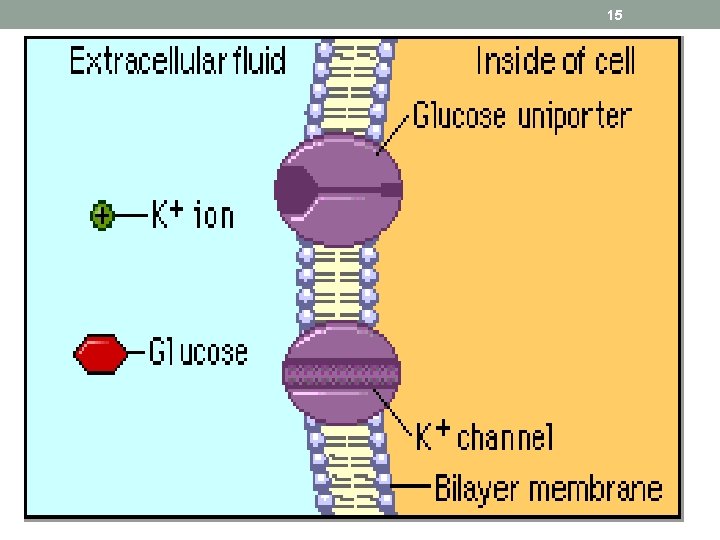
14 Facilitated Diffusion • Diffusion through protein channels • channels move specific molecules across cell membrane facilitated = with help open channel = fast transport high low “The Bouncer”
15
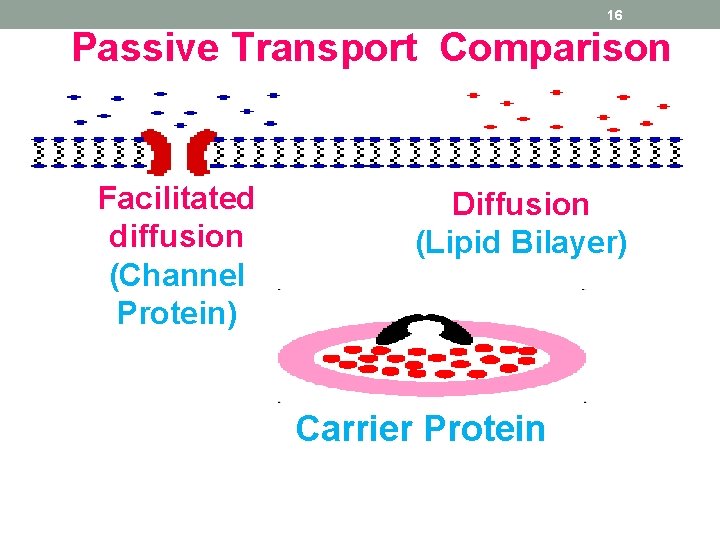
16 Passive Transport Comparison Facilitated diffusion (Channel Protein) Diffusion (Lipid Bilayer) Carrier Protein
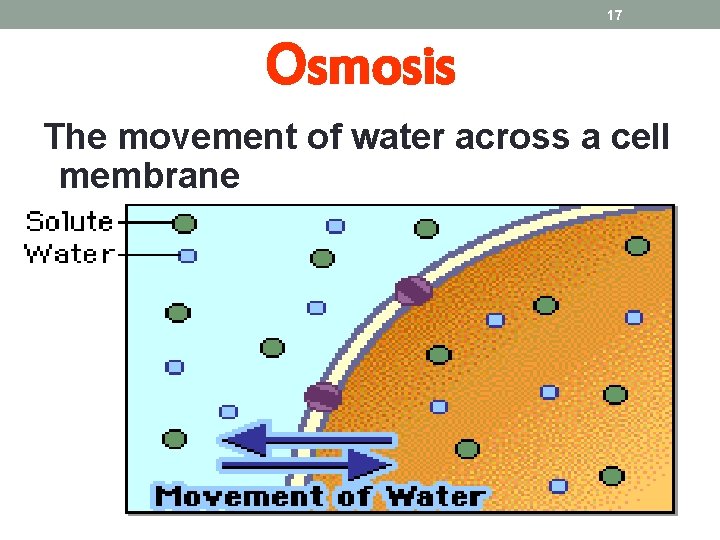
17 Osmosis The movement of water across a cell membrane
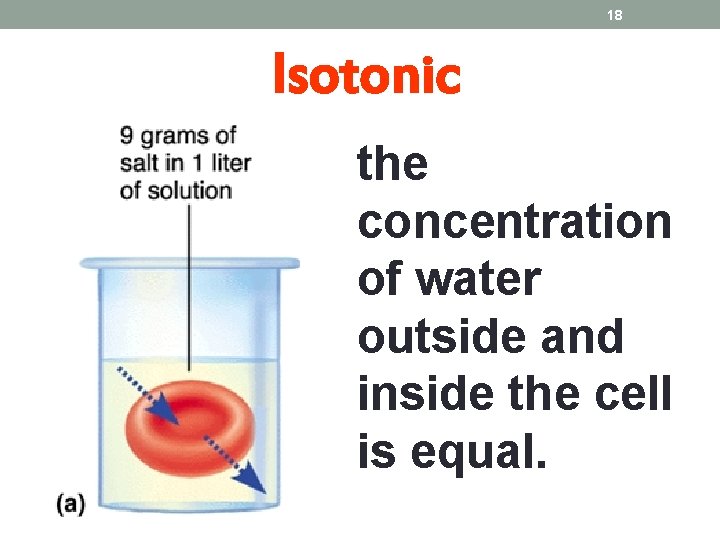
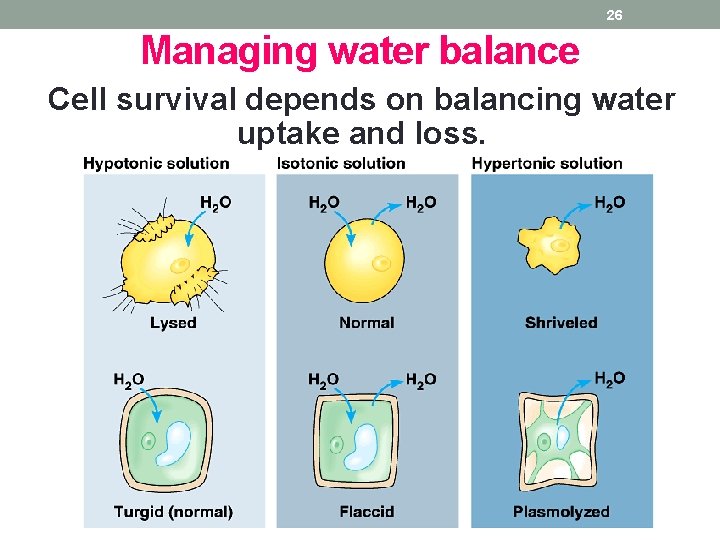
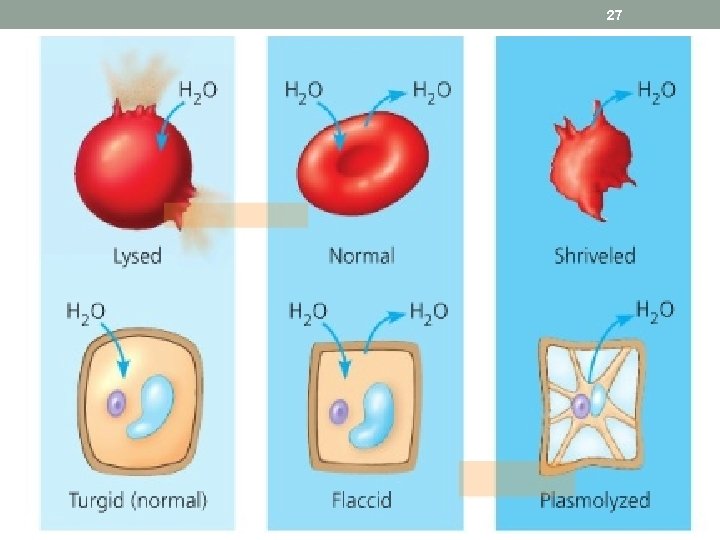
18 Isotonic the concentration of water outside and inside the cell is equal.
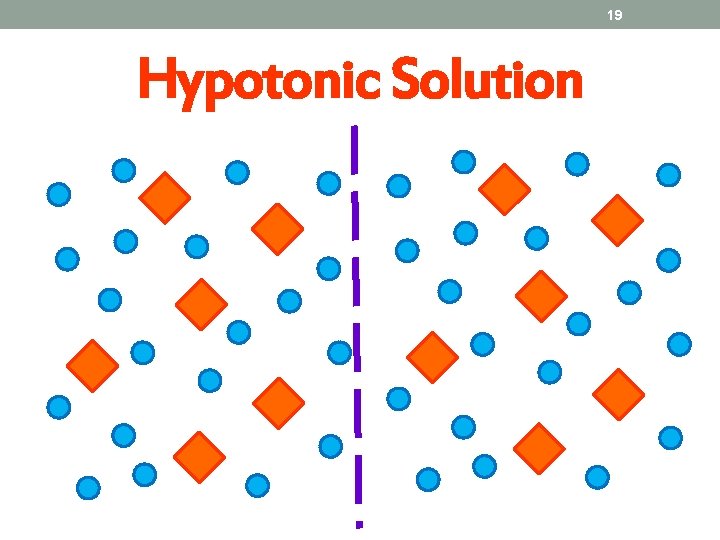
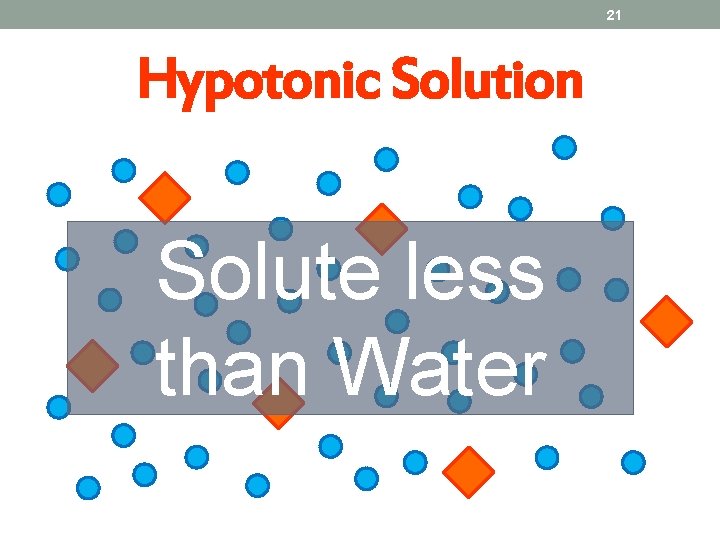
19 Hypotonic Solution
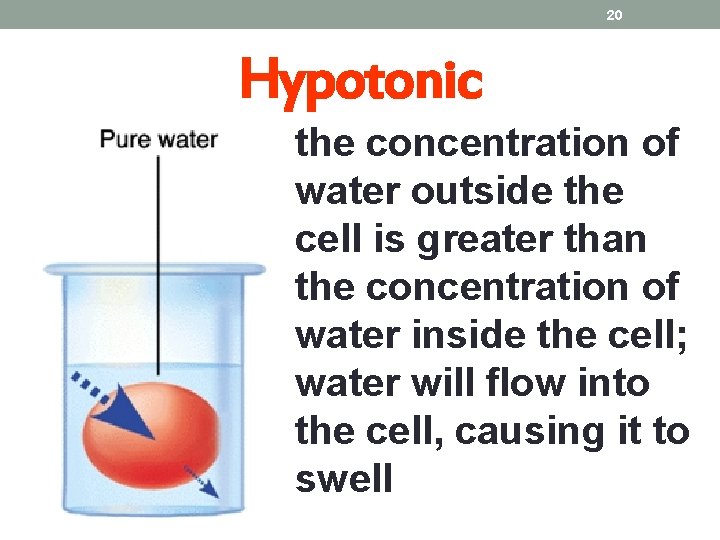
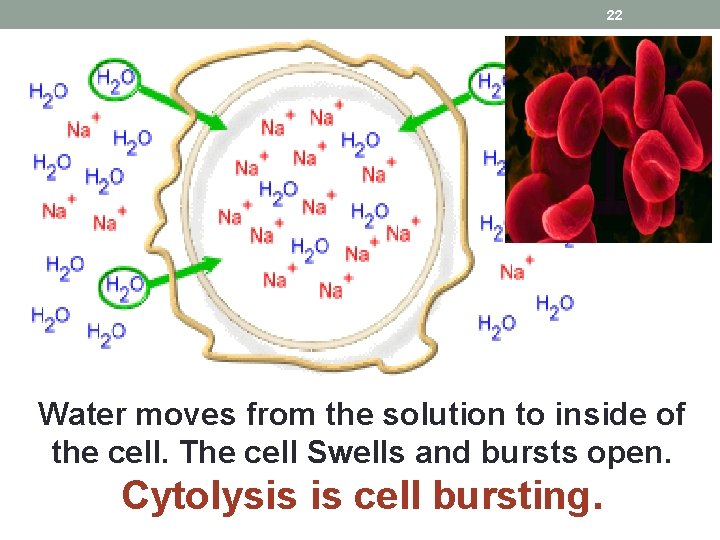
20 Hypotonic the concentration of water outside the cell is greater than the concentration of water inside the cell; water will flow into the cell, causing it to swell
21 Hypotonic Solution Solute less than Water
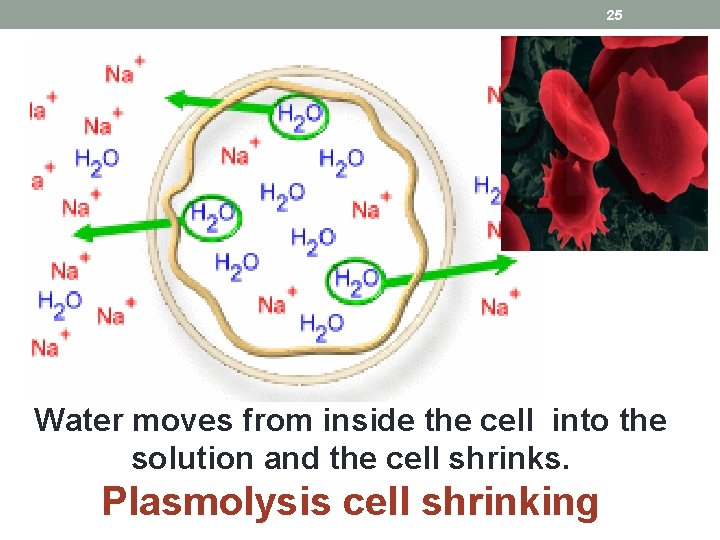
22 Water moves from the solution to inside of the cell. The cell Swells and bursts open. Cytolysis is cell bursting.
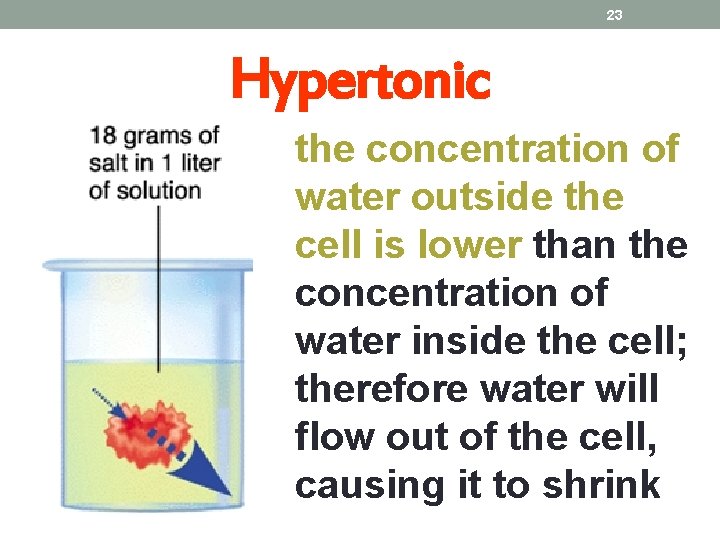
23 Hypertonic the concentration of water outside the cell is lower than the concentration of water inside the cell; therefore water will flow out of the cell, causing it to shrink
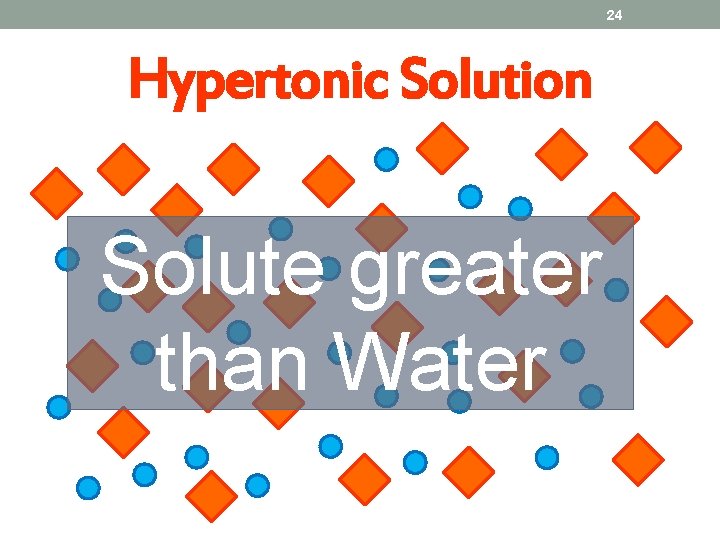
24 Hypertonic Solution Solute greater than Water
25 Water moves from inside the cell into the solution and the cell shrinks. Plasmolysis cell shrinking
26 Managing water balance Cell survival depends on balancing water uptake and loss.
27
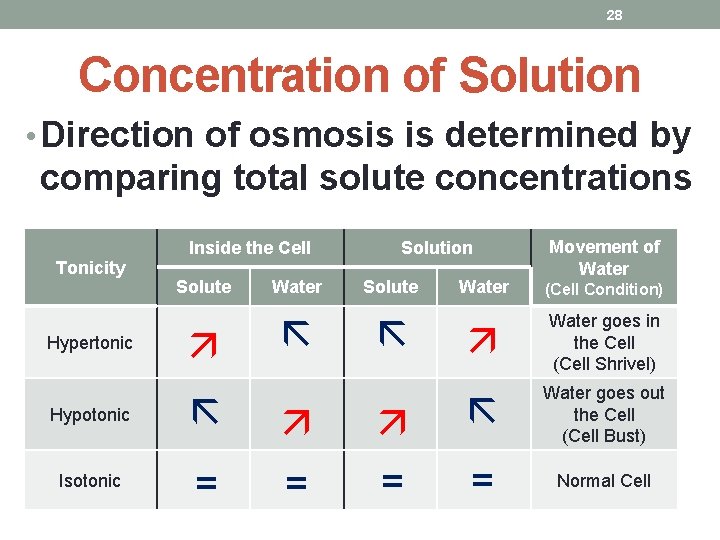
28 Concentration of Solution • Direction of osmosis is determined by comparing total solute concentrations Tonicity Hypertonic Inside the Cell Solute Water Hypotonic Isotonic = = Solution Solute = Movement of Water (Cell Condition) Water goes in the Cell (Cell Shrivel) Water goes out the Cell (Cell Bust) = Normal Cell
29 How Organisms Deal with Osmotic Pressure Bacteria and plants have cell walls that prevent them from over-expanding. In plants the pressure exerted on the cell wall is called turgor pressure.
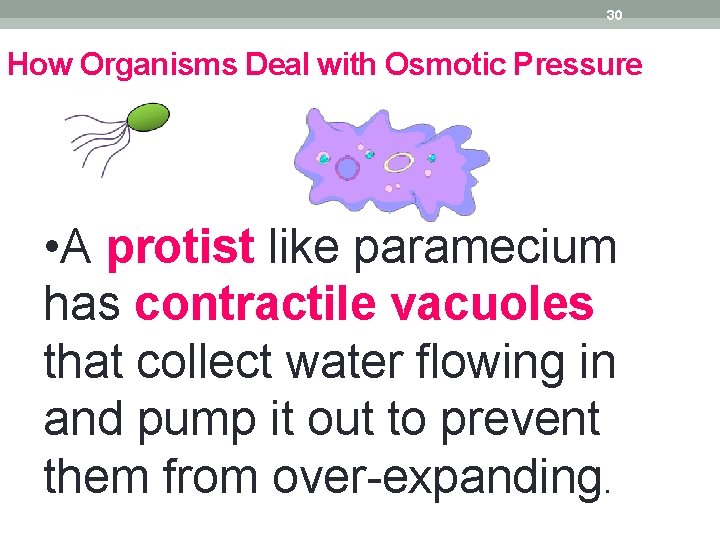
30 How Organisms Deal with Osmotic Pressure • A protist like paramecium has contractile vacuoles that collect water flowing in and pump it out to prevent them from over-expanding.
31 How Organisms Deal with Osmotic Pressure • Salt water fish pump salt out of their specialized gills so they do not dehydrate. • Animal cells are bathed in blood. Kidneys keep the blood isotonic by remove excess salt and water.
32 ACTIVE TRANSPORT Protein Channels Endocytosis and Exocytosis Phagocytosis and Pinocytosis
33 Active Transport Ø actively moves molecules to where they are needed Ø Movement molecules from an area of low concentration to an area of high concentration (Low High) Ø cell uses energy
34 Types of Active Transport Protein Pumps Endocytosis Exocytosis
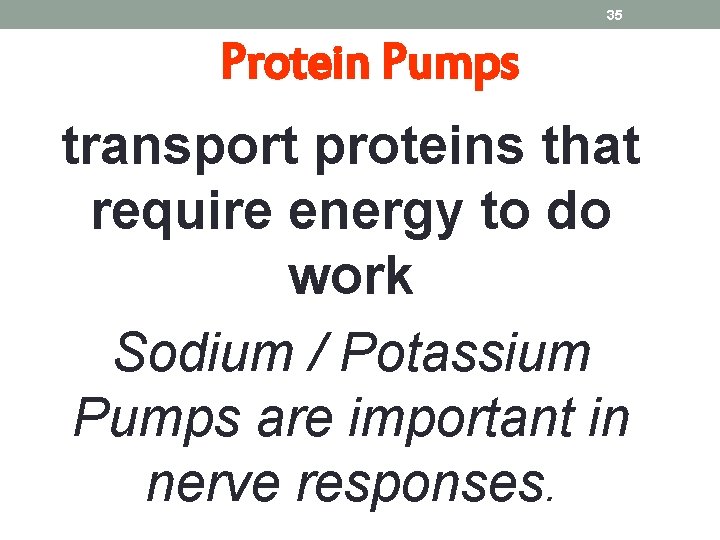
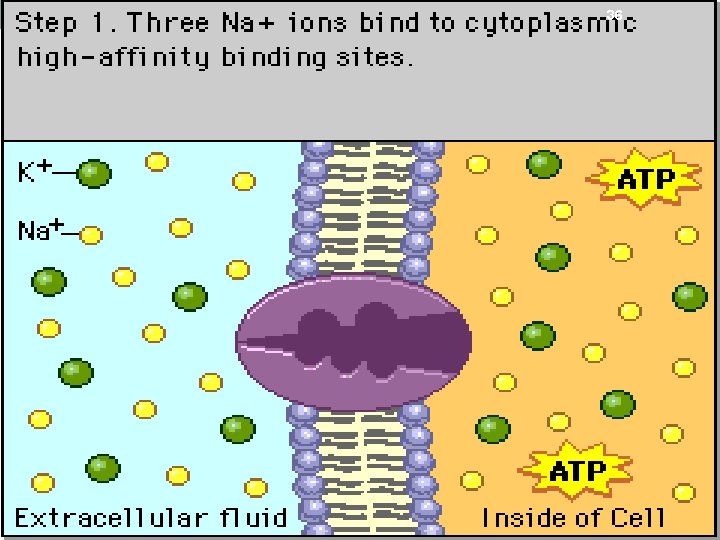
35 Protein Pumps transport proteins that require energy to do work Sodium / Potassium Pumps are important in nerve responses.
36
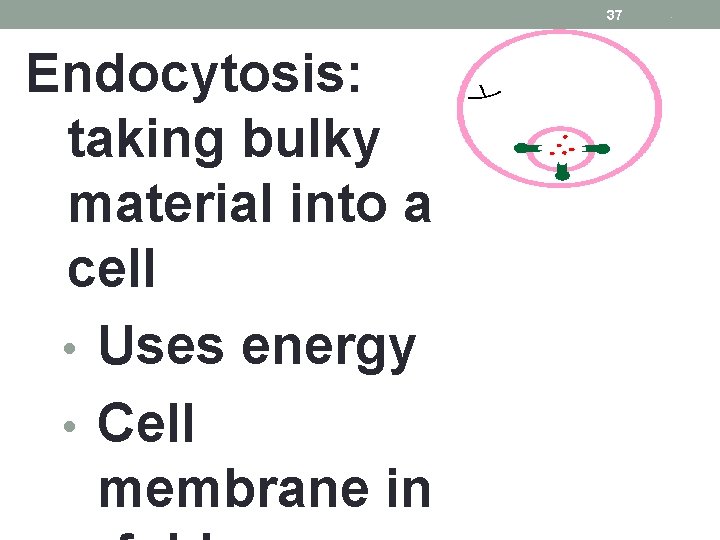
37 Endocytosis: taking bulky material into a cell • Uses energy • Cell membrane in
38
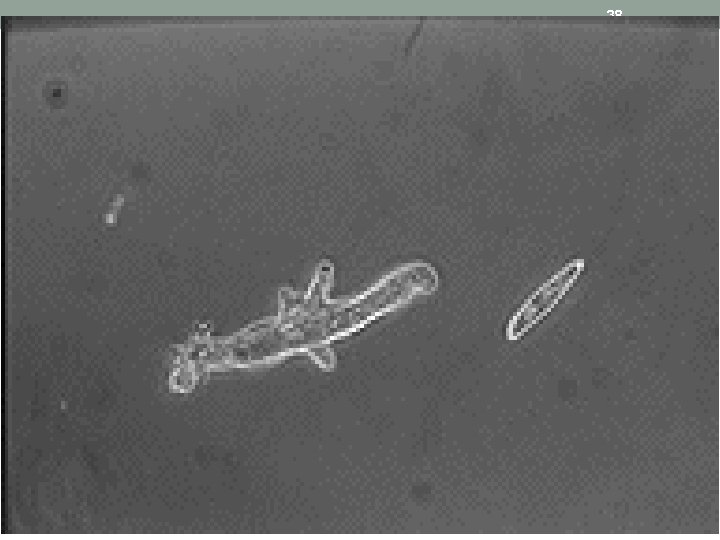
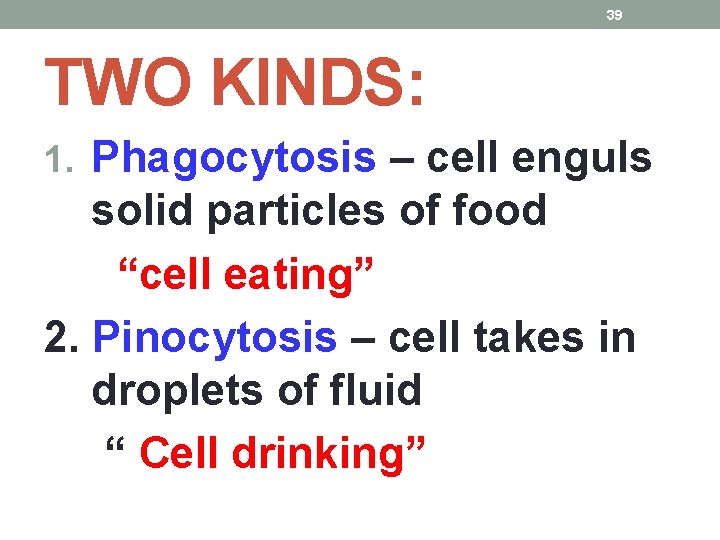
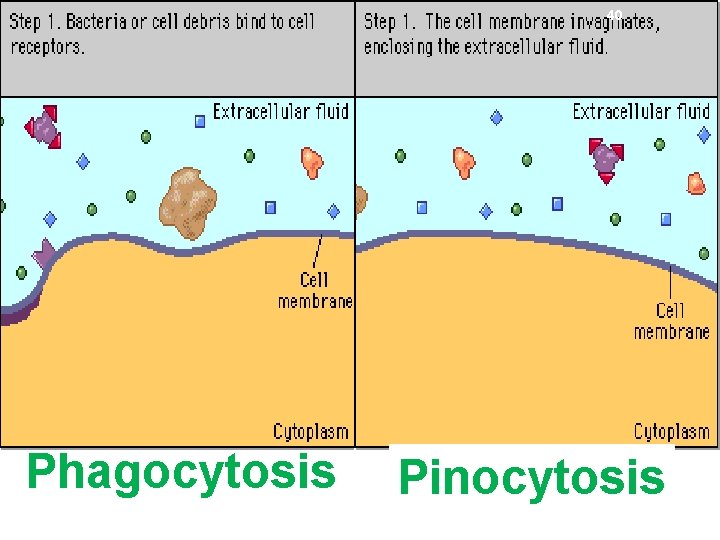
39 TWO KINDS: 1. Phagocytosis – cell enguls solid particles of food “cell eating” 2. Pinocytosis – cell takes in droplets of fluid “ Cell drinking”
40 Phagocytosis Pinocytosis
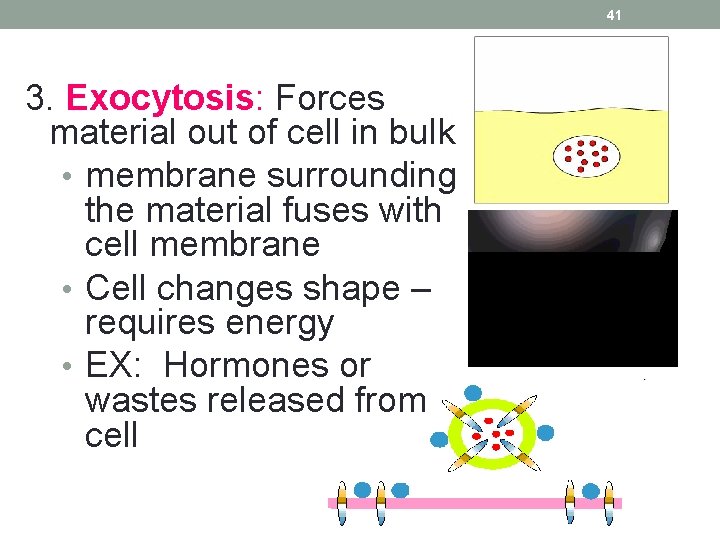
41 3. Exocytosis: Forces material out of cell in bulk • membrane surrounding the material fuses with cell membrane • Cell changes shape – requires energy • EX: Hormones or wastes released from cell
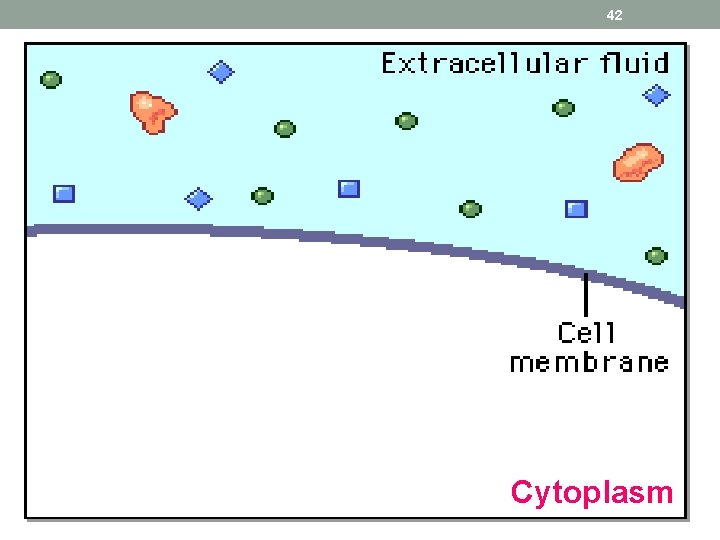
42 Cytoplasm