
1 Cell Organelle Physiology 2 Cell Organelle Morphology




- Slides: 74
1
Cell Organelle Physiology 2
Cell Organelle Morphology 3
Passive Transport 4
Active Transport 5
Tonicity 6
Mitosis 7
$100 $200 $200 $100 $200 $300 $300 $400 $400 $500 $500 8
Bilayer of phospholipids with proteins dispersed throughout 9
Cell (plasma) membrane 10
Membranous network studded with ribosomes; protein synthesis 11
Rough Endoplasmic Reticulum 12
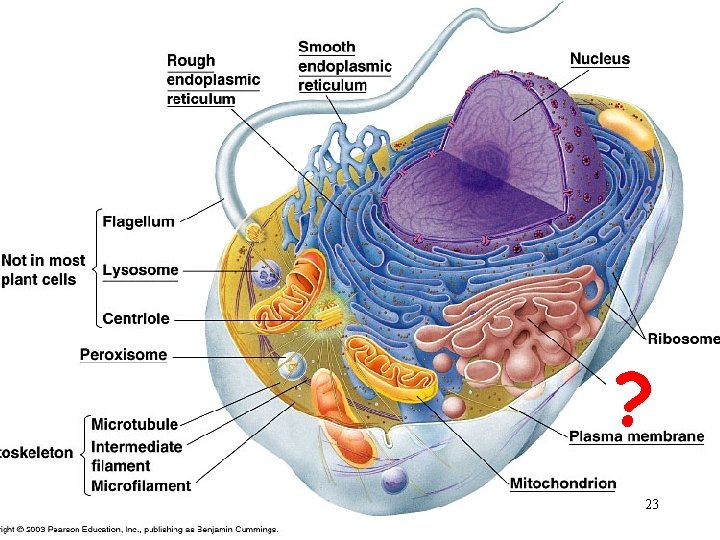
Kidney shaped organelle whose inner membrane (cristae) is the site of cellular respiration; “powerhouse” 13
Mitochondria 14
Membranous sac of digestive enzymes that are involved in autolysis and the destruction of foreign particles 15
Lysosomes 16
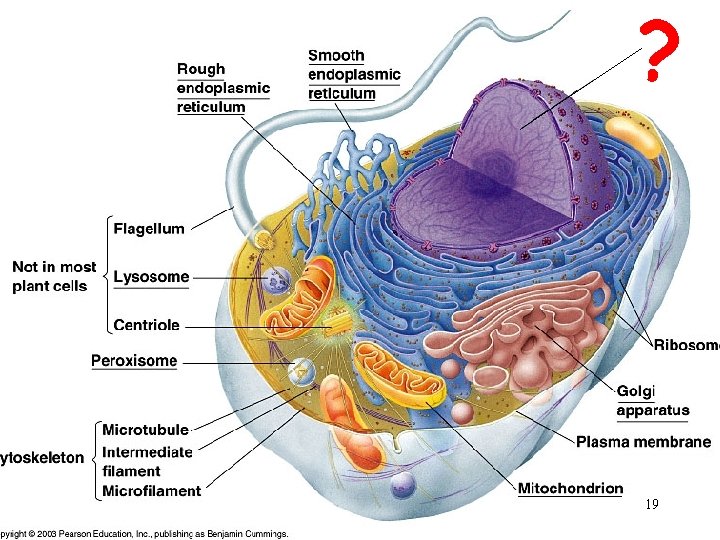
RNA and protein dispersed throughout cytoplasm or studded on ER – make proteins 17
Ribosomes 18
? 19
Nucleus 20
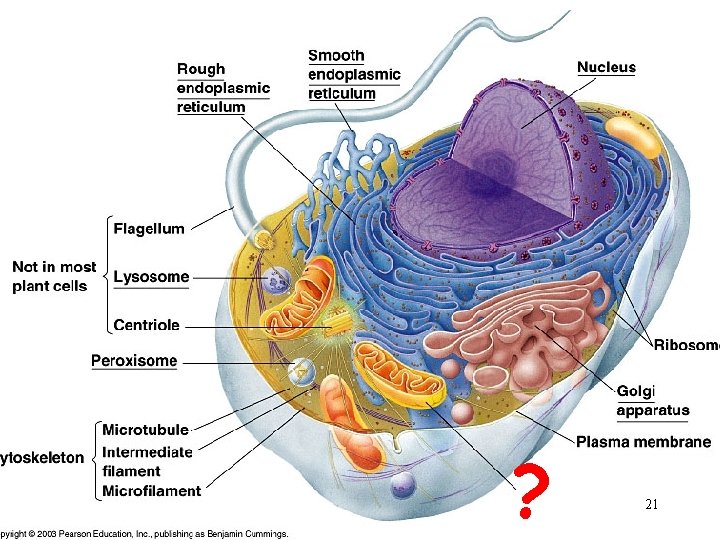
? 21
Mitochondria 22
? 23
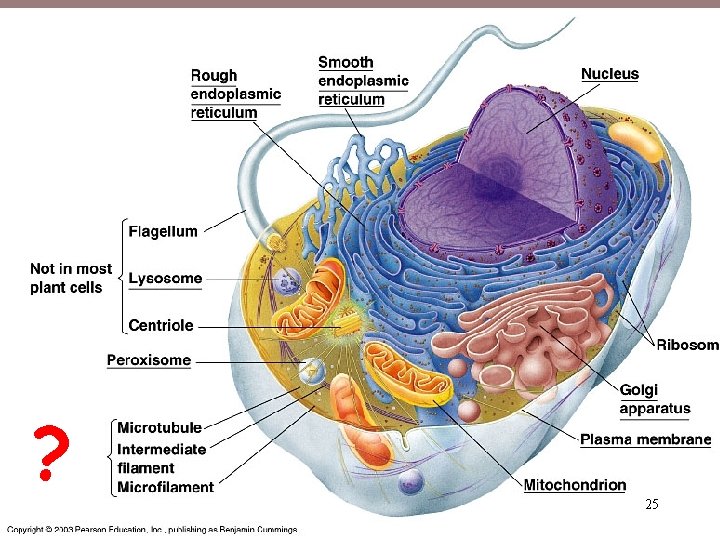
Golgi Apparatus 24
? 25
Cytoskeleton 26
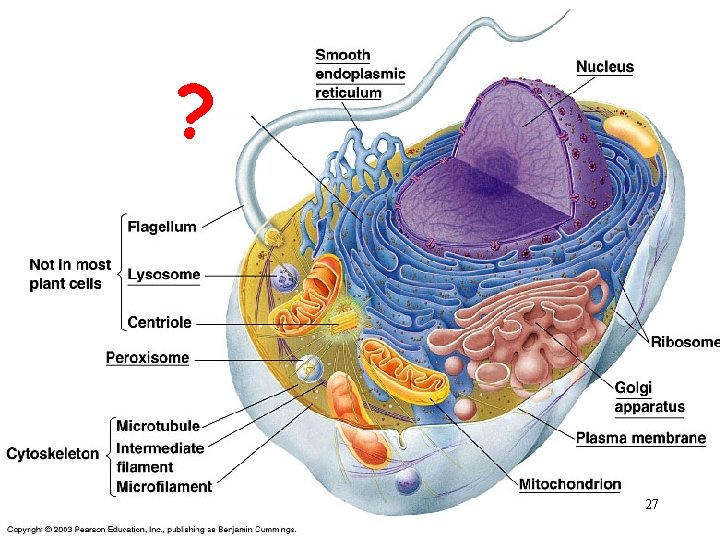
? 27
Rough Endoplasmic Reticulum 28
Movement of particles from high to low concentration, e. g. , O 2 and CO 2 into and out of cells, respectively 29
Diffusion 30
Movement of water from high to low concentration; maintenance of osmotic pressure 31
Osmosis 32
Using pressure to push something through a cell membrane; removal of metabolic wastes 33
Filtration 34
35
Using a special protein carrier to move something from high to low concentration; e. g. , glucose entry 36
Facilitated Diffusion 37
Maintenance of a constant environment in a cell is called cellular _______ 38
Homeostasis 39
General term for bringing a substance into a cell that is too large to enter any other way 40
Endocytosis 41
Movement across a cell; endocytosis followed by exocytosis; e. g. , absorption of substances 42
Transcytosis 43
Expelling a substance from the cell into the extracellular fluid; exporting proteins 44
Exocytosis 45
Specific term to describe a cell’s engulfing solid particles; “celleating” 46
Phagocytosis 47
A type of active transport in which large molecules are taken into a cell in vesicles formed from coated pits in the cell membrane 48
Receptor-mediated Endocytosis 49
The constant movement of molecules with no net change in concentration 50
Brownian motion 51
A solution in which the concentration of dissolved substances is less than that of another solution 52
Hypotonic 53
A solution in which the concentration of dissolved substances is equal to that of another solution 54
Isotonic 55
The shrinking of cytoplasm by osmosis; e. g. , placing a cell in a hypertonic environment 56
Plasmolysis 57
58
Word used to describe what happens when an animal cell is placed in a hypotonic solution 59
Cytolysis 60
Interphase is divided into three separate phases. These are _______. 61
G 1, S, and G 2 62
During this phase of mitosis, chromosomes line up in the middle of the cell and spindle fibers attach to kinetochores 63
Metaphase 64
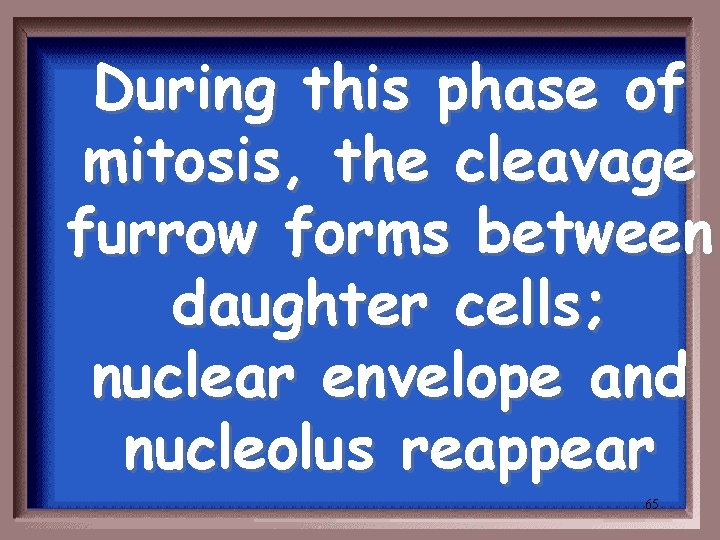
During this phase of mitosis, the cleavage furrow forms between daughter cells; nuclear envelope and nucleolus reappear 65
Telophase 66
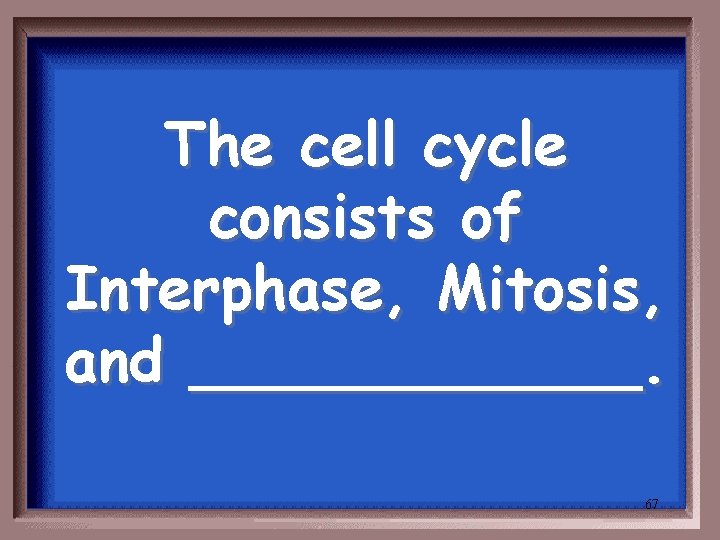
The cell cycle consists of Interphase, Mitosis, and ______. 67
Cytokinesis 68
____ cells are committed to a specific cell line, I. e. , epithelial, connective, muscle, or nervous 69
Progenitor cells 70
71
SUBJECT: Cell Cycle 72
Programmed cell death is also termed this. 73
Apoptosis 74