
1 CD 4 T cell subsets Abul K
1 CD 4 T cell subsets Abul K. Abbas UCSF FOCi. S
2 Lecture outline • Subsets of CD 4+ T cells: definitions, functions, development • Role of T cell subsets in disease • Therapeutic strategies targeting subsetspecific cytokines
Discovery of Th 1 and Th 2 subsets • Hypothesis: CD 4+ T cells consist of subpopulations that mediate different types of immune responses • Identification of mouse CD 4+ Th 1, Th 2 cells that produce distinct cytokines 3
Discovery of helper T cell subsets • Hypothesis: CD 4+ T cells consist of subpopulations that mediate different types of immune responses • Identification of mouse CD 4+ Th 1, Th 2 cells that produce distinct cytokines • Inflammatory diseases (mouse models) thought to be caused by Th 1 cells were not prevented by eliminating Th 1 cells or their cytokines • Discovery of Th 17 subset 4
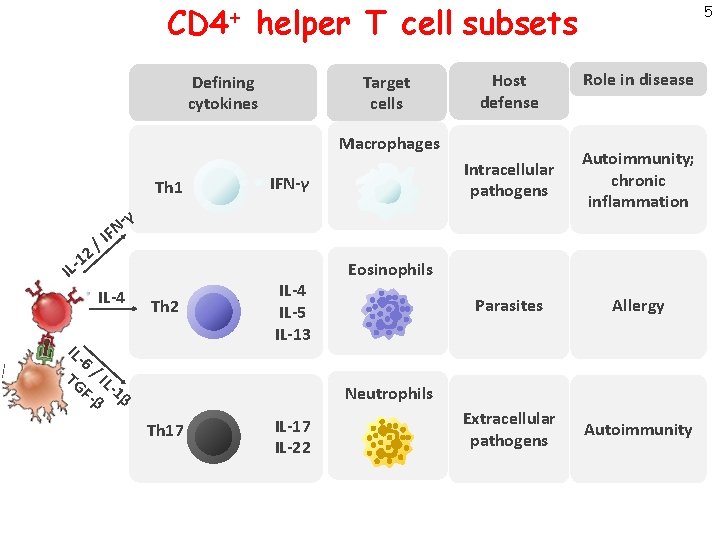
CD 4+ helper T cell subsets Target cells Defining cytokines Host defense Macrophages IFN-γ Th 1 / 2 1 N F I IL-4 Th 2 IL 6/ TG IL F- -1β β Th 2 IL-4 IL-5 IL-13 Role in disease Intracellular pathogens Autoimmunity; chronic inflammation Parasites Allergy Extracellular pathogens Autoimmunity γ IL- 5 Eosinophils Neutrophils Th 17 IL-22
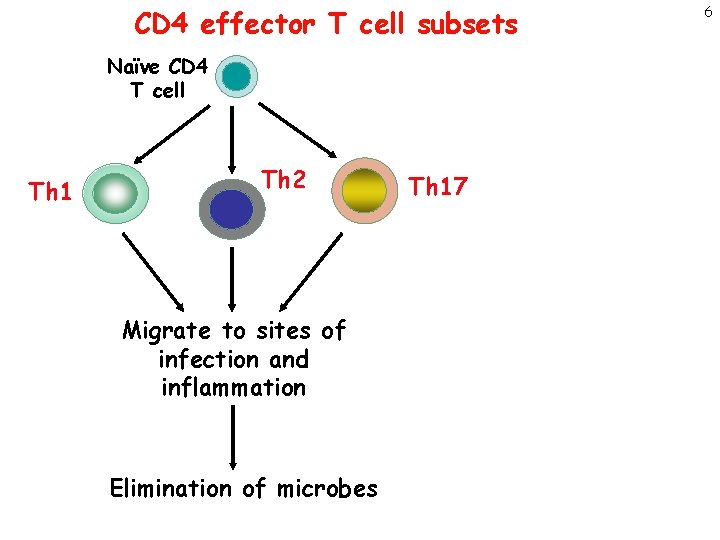
CD 4 effector T cell subsets Naïve CD 4 T cell Th 1 Th 2 Migrate to sites of infection and inflammation Elimination of microbes Th 17 6
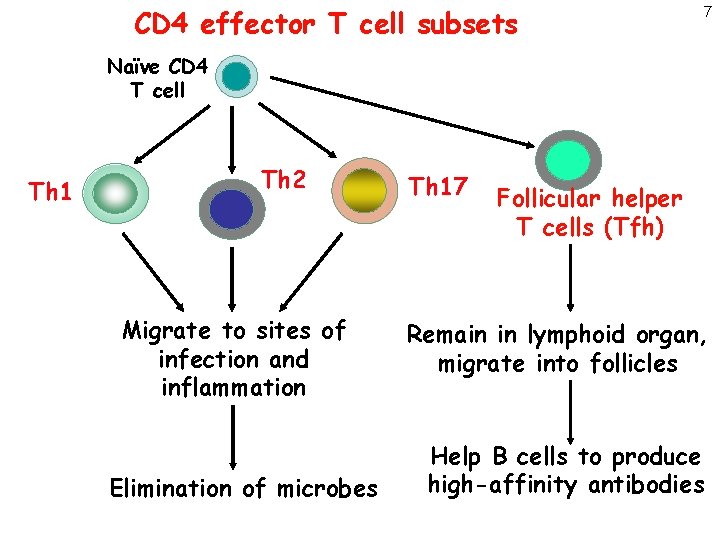
CD 4 effector T cell subsets 7 Naïve CD 4 T cell Th 1 Th 2 Migrate to sites of infection and inflammation Elimination of microbes Th 17 Follicular helper T cells (Tfh) Remain in lymphoid organ, migrate into follicles Help B cells to produce high-affinity antibodies
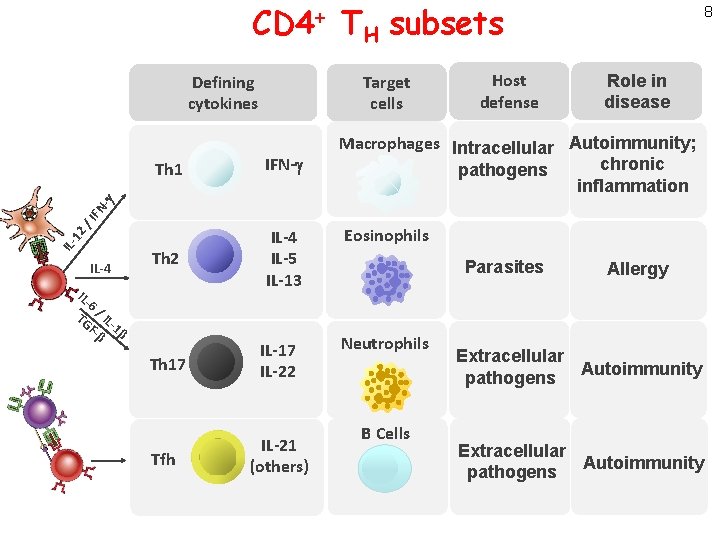
CD 4+ TH subsets Target cells Defining cytokines IFN-g Th 2 IL-4 IL-5 IL-13 Role in disease Macrophages Intracellular Autoimmunity; chronic pathogens inflammation IL- 12 / IFN -g Th 1 Host defense 8 IL-4 IL- 6 TG / IL F- -1β β Th 17 IL-22 Tfh IL-21 (others) Eosinophils Parasites Neutrophils B Cells Allergy Extracellular pathogens Autoimmunity Extracellular Autoimmunity pathogens
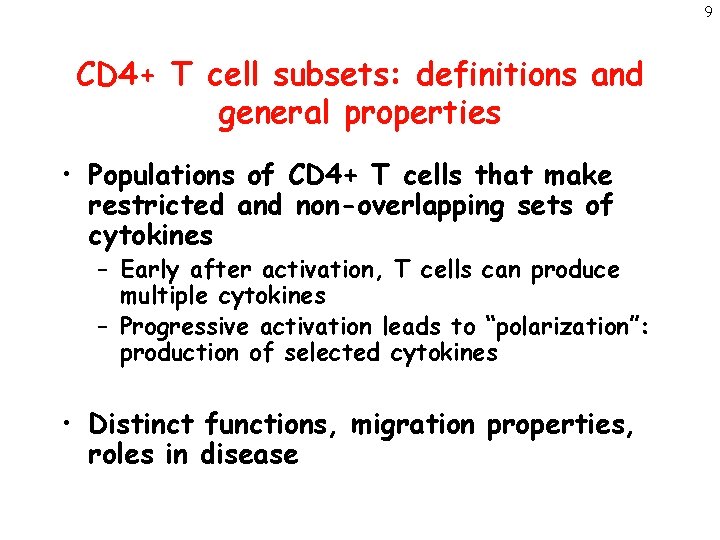
9 CD 4+ T cell subsets: definitions and general properties • Populations of CD 4+ T cells that make restricted and non-overlapping sets of cytokines – Early after activation, T cells can produce multiple cytokines – Progressive activation leads to “polarization”: production of selected cytokines • Distinct functions, migration properties, roles in disease
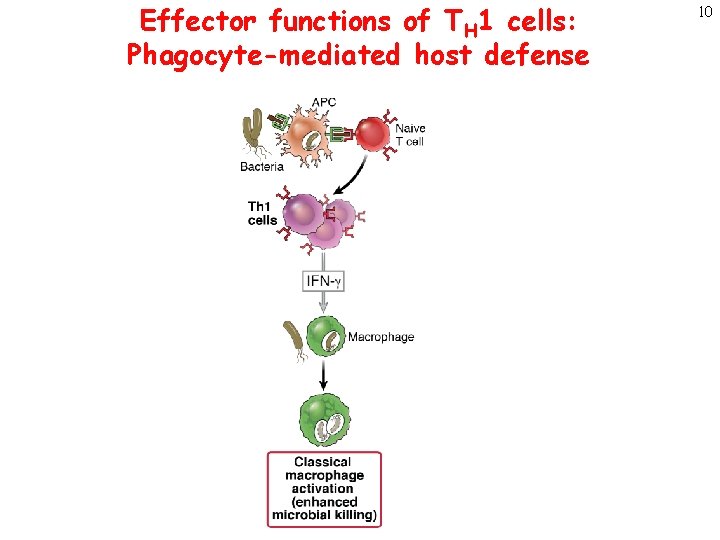
Effector functions of TH 1 cells: Phagocyte-mediated host defense 10
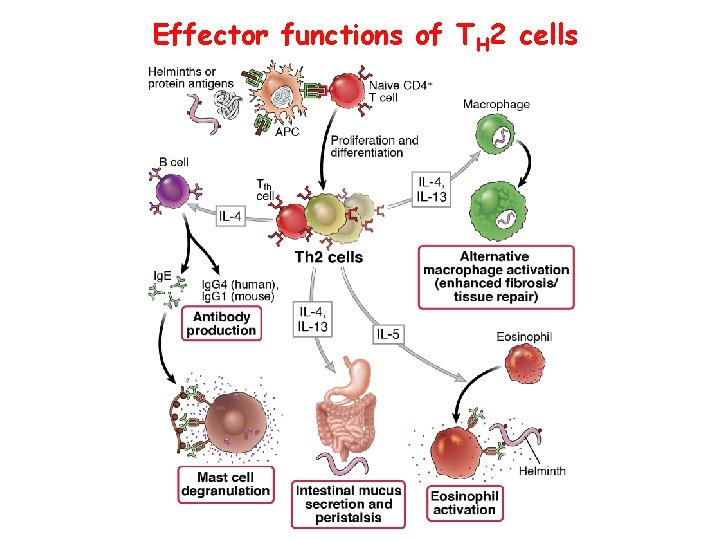
Effector functions of TH 2 cells
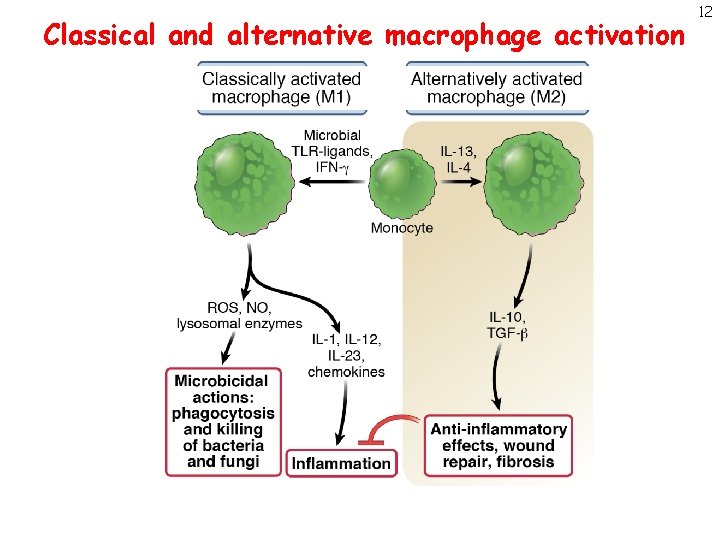
Classical and alternative macrophage activation 12
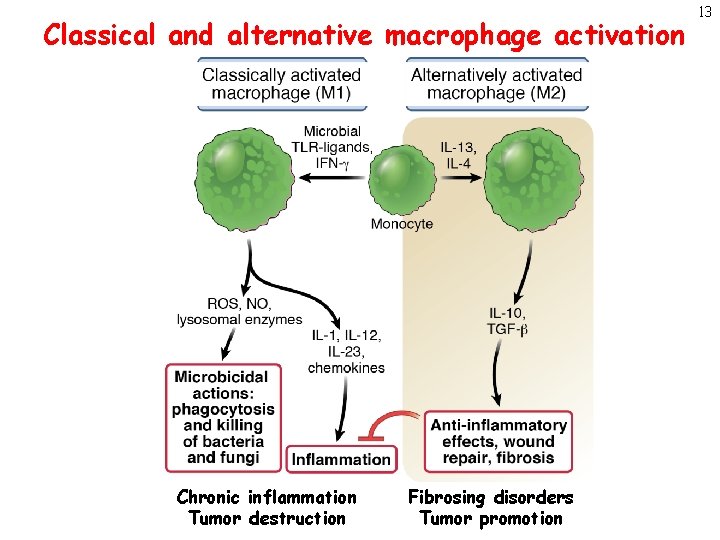
Classical and alternative macrophage activation Chronic inflammation Tumor destruction Fibrosing disorders Tumor promotion 13
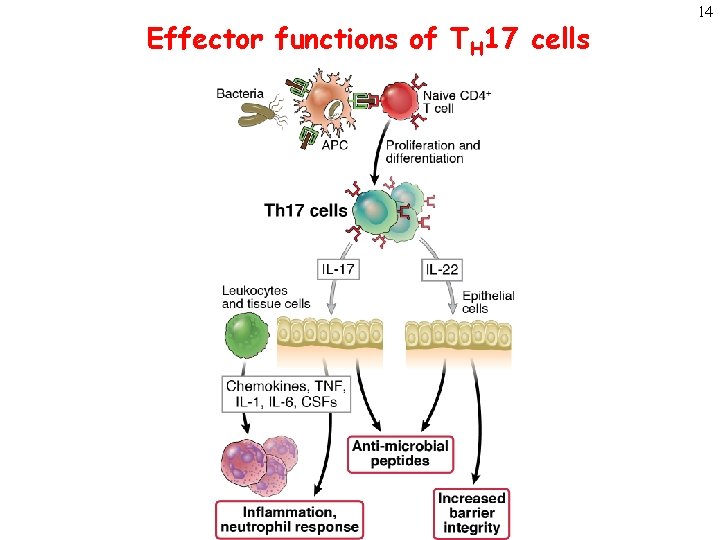
Effector functions of TH 17 cells 14
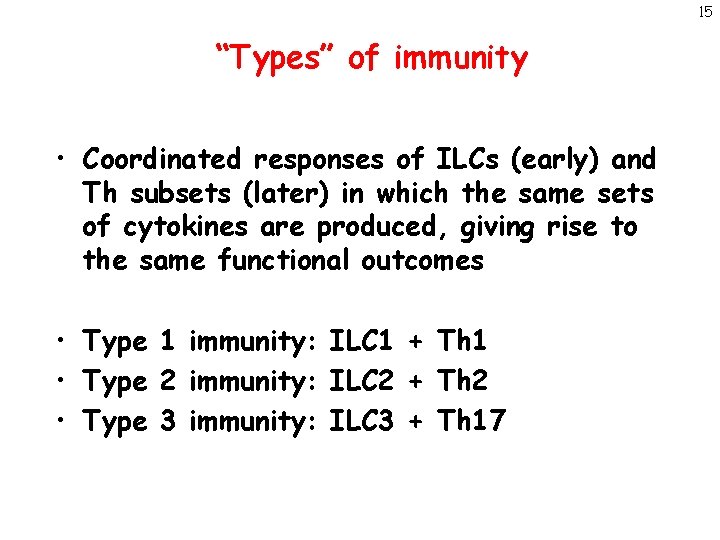
15 “Types” of immunity • Coordinated responses of ILCs (early) and Th subsets (later) in which the same sets of cytokines are produced, giving rise to the same functional outcomes • Type 1 immunity: ILC 1 + Th 1 • Type 2 immunity: ILC 2 + Th 2 • Type 3 immunity: ILC 3 + Th 17
16 Genetic proof for the importance of different T cell subsets in humans • Mutations affecting IL-12/IFN-g cytokines or receptors defective Th 1 responses atypical mycobacterial infections “mendelian susceptibility to mycobacterial disease”) • Mutations affecting Th 17 development or IL-17 mucocutaneous candidiasis and bacterial abscesses (“Job’s syndrome”)
17 Roles of T cell subsets in disease • Autoimmune inflammatory diseases (psoriasis, MS, RA? , IBD? ): Th 1 and Th 17 • Cytokines induce inflammation and activate neutrophils and macrophages • Allergies (e. g. asthma): Th 2 – Stimulation of Ig. E responses, activation of eosinophils – Old suggestions that some autoimmune/inflammatory diseases (SLE, ulcerative colitis) are Th 2 -mediated are likely incorrect
Therapeutic targeting of subsetspecific cytokines • Antibodies that block IL-17 and IL-17 R are very effective in psoriasis – May make Crohn’s disease worse • Antibody (anti-p 40) that inhibits development of Th 1 and Th 17 cells is effective in IBD, psoriasis • Anti-IL-13 is effective in asthma patients who have a strong Th 2 signature 18
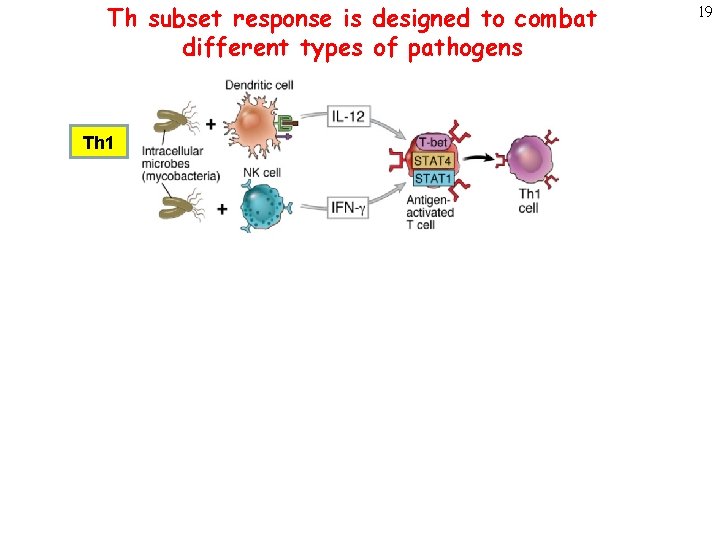
Th subset response is designed to combat different types of pathogens Th 1 Th 2 Th 17 19
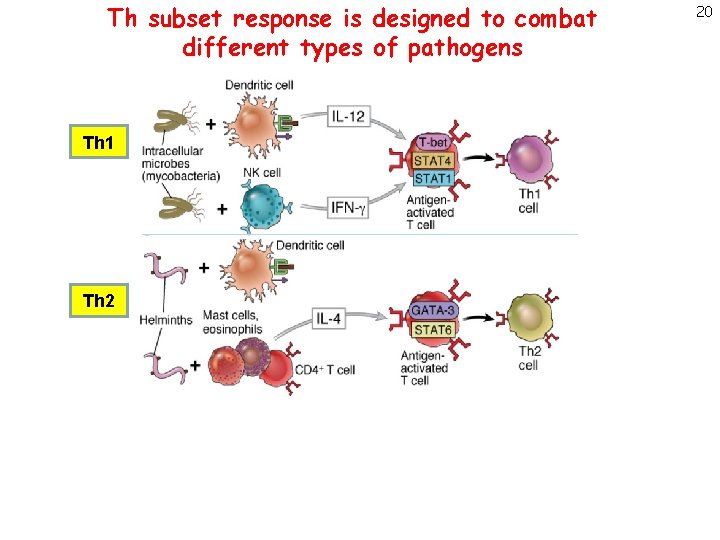
Th subset response is designed to combat different types of pathogens Th 1 Th 2 Th 17 20
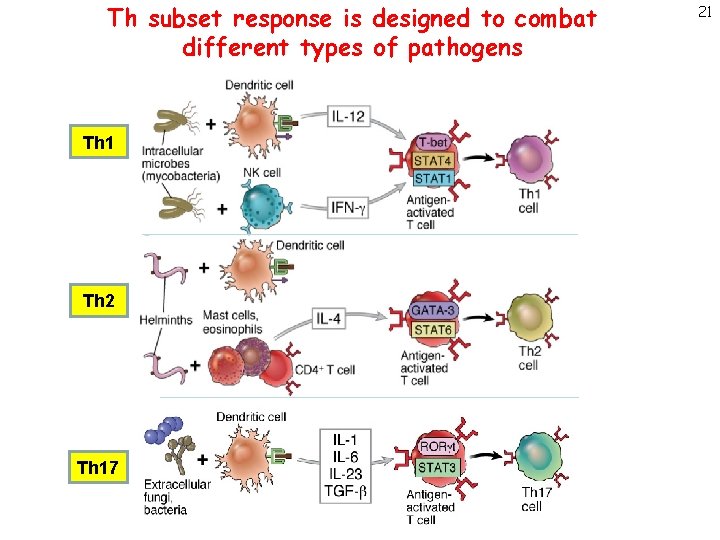
Th subset response is designed to combat different types of pathogens Th 1 Th 2 Th 17 21
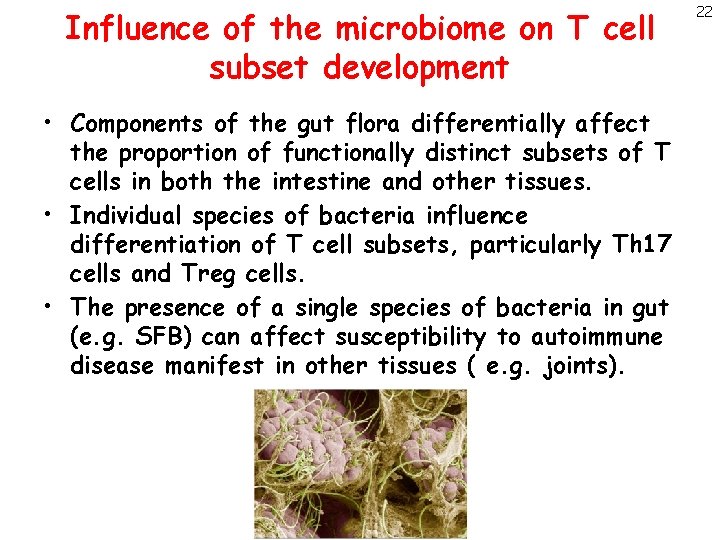
Influence of the microbiome on T cell subset development • Components of the gut flora differentially affect the proportion of functionally distinct subsets of T cells in both the intestine and other tissues. • Individual species of bacteria influence differentiation of T cell subsets, particularly Th 17 cells and Treg cells. • The presence of a single species of bacteria in gut (e. g. SFB) can affect susceptibility to autoimmune disease manifest in other tissues ( e. g. joints). 22

23 Helper T cell subsets: unresolved questions • What is the significance of cells that produce various mixtures of cytokines or limited sets of cytokines? • Th 17 cells that make IFNg? • Th 9, Th 22, etc? • How stable or plastic are these subsets? • Cross-regulation of subsets: how do different populations affect one another?
24 Memory T cell heterogeneity • Central memory T cells – Live in lymphoid organs, proliferate in response to antigen provides pool of effector cells for secondary response • Effector memory T cells – Present in tissues, rapid effector response • Tissue-resident memory T cells (Trm) – Long-lived in tissues
- Slides: 24