
1 Can you name this structure 2 Can
- Slides: 35
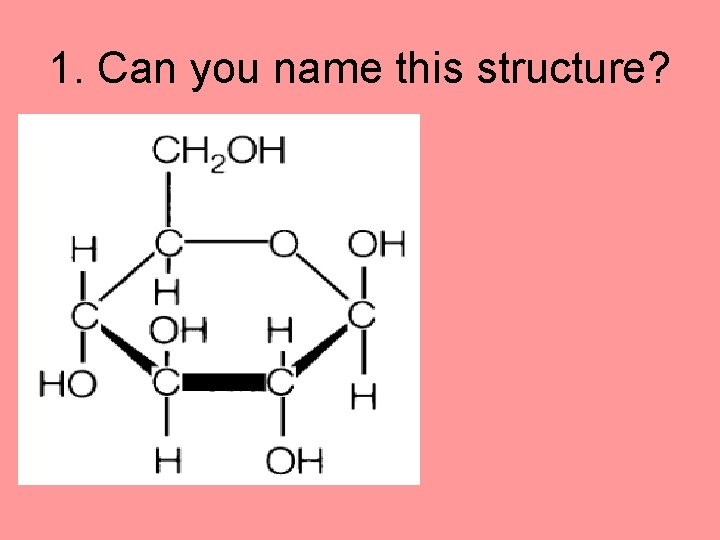
1. Can you name this structure?
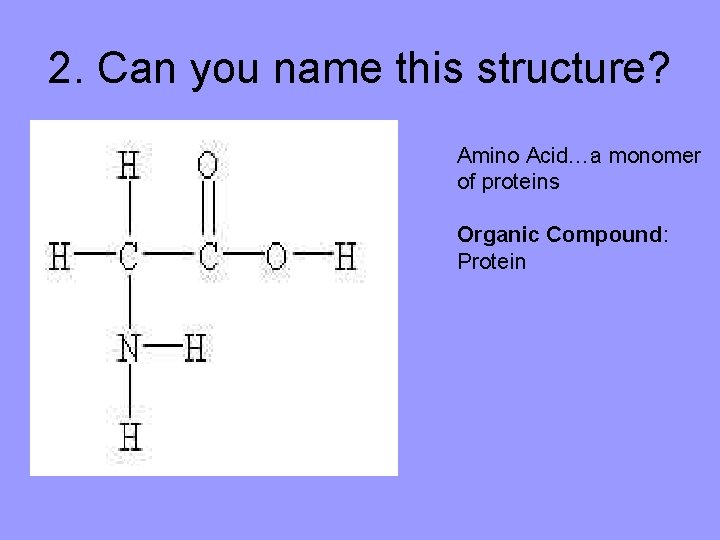
2. Can you name this structure? Amino Acid…a monomer of proteins Organic Compound: Protein
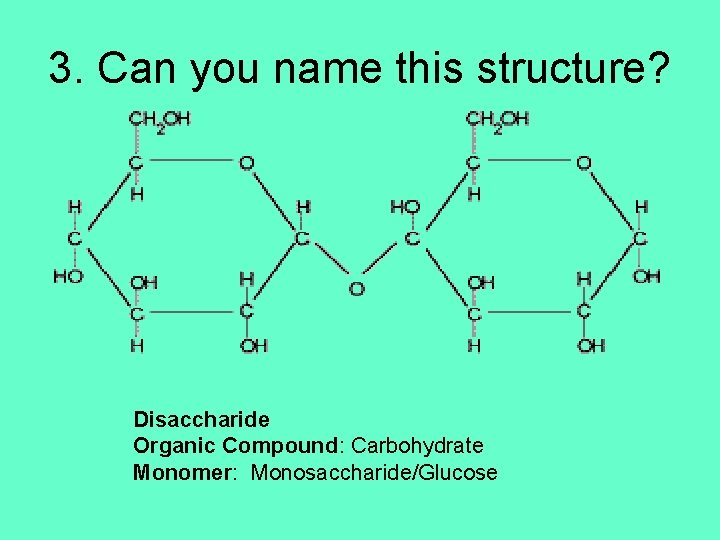
3. Can you name this structure? Disaccharide Organic Compound: Carbohydrate Monomer: Monosaccharide/Glucose
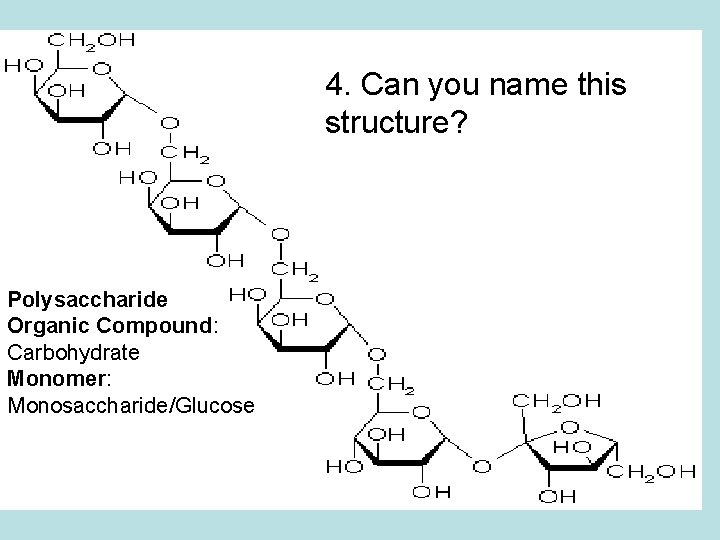
4. Can you name this structure? Polysaccharide Organic Compound: Carbohydrate Monomer: Monosaccharide/Glucose
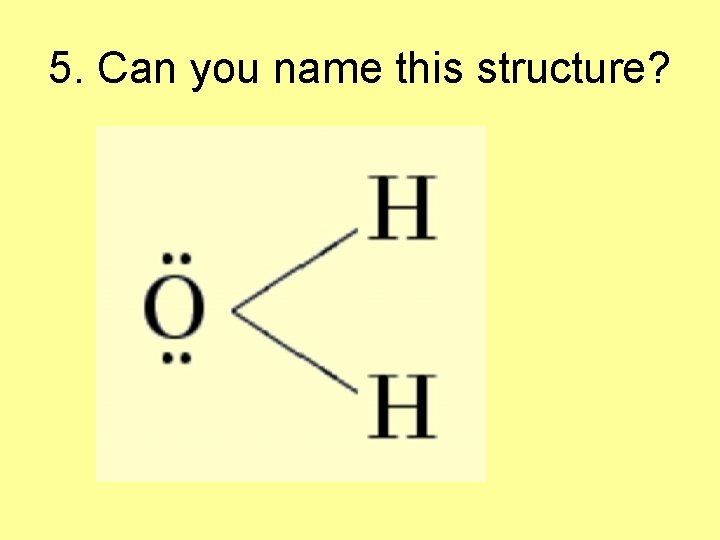
5. Can you name this structure?
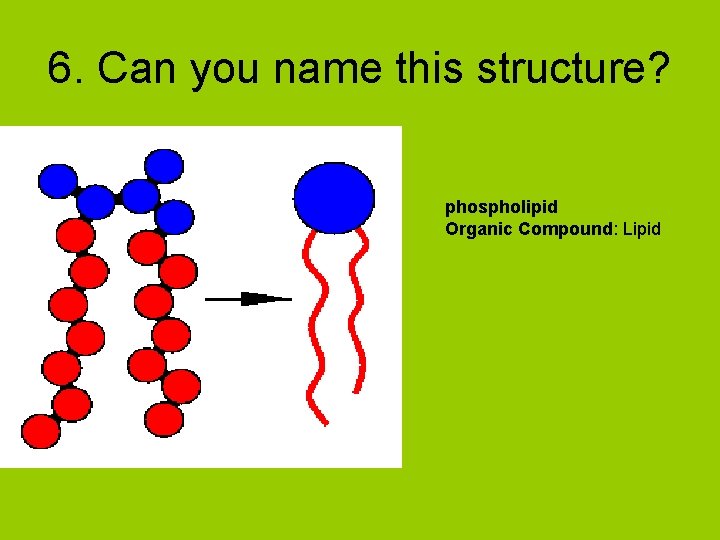
6. Can you name this structure? phospholipid Organic Compound: Lipid
Name of process that combines monomers into polymers? • Dehydration synthesis
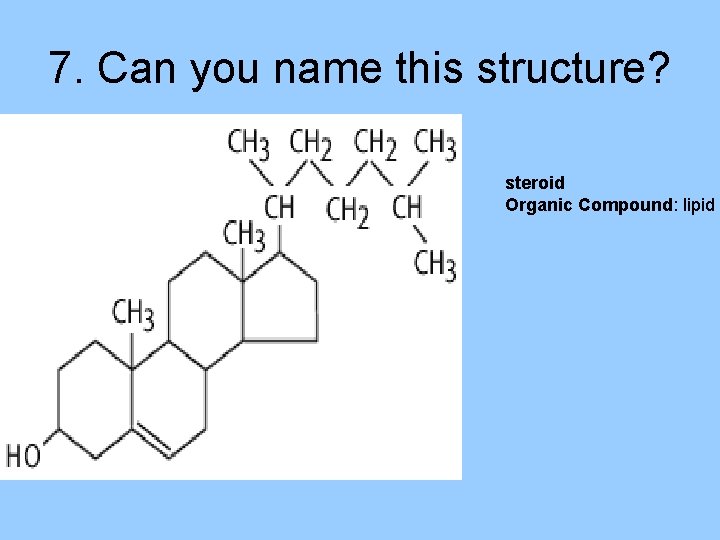
7. Can you name this structure? steroid Organic Compound: lipid
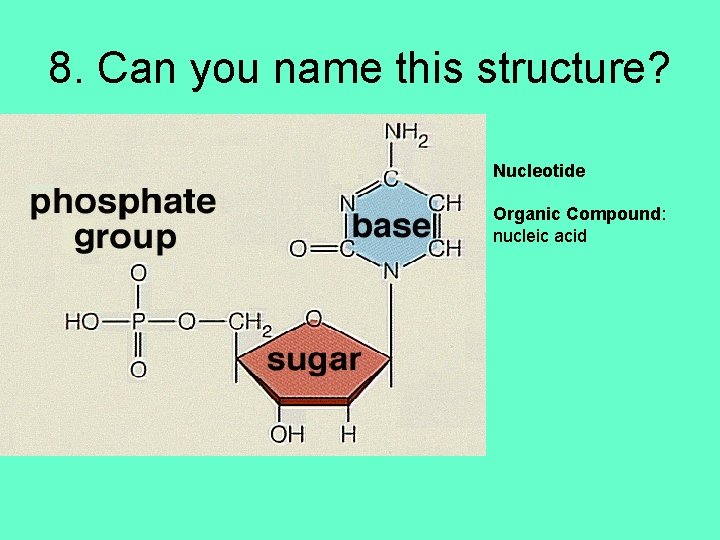
8. Can you name this structure? Nucleotide Organic Compound: nucleic acid
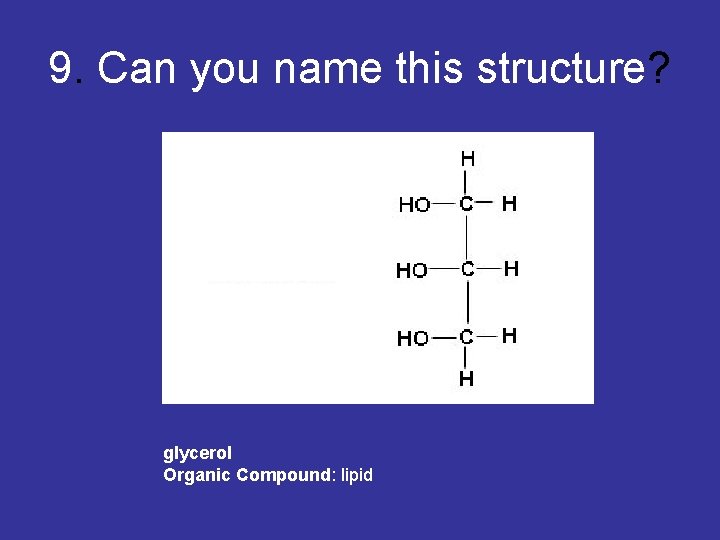
9. Can you name this structure? glycerol Organic Compound: lipid
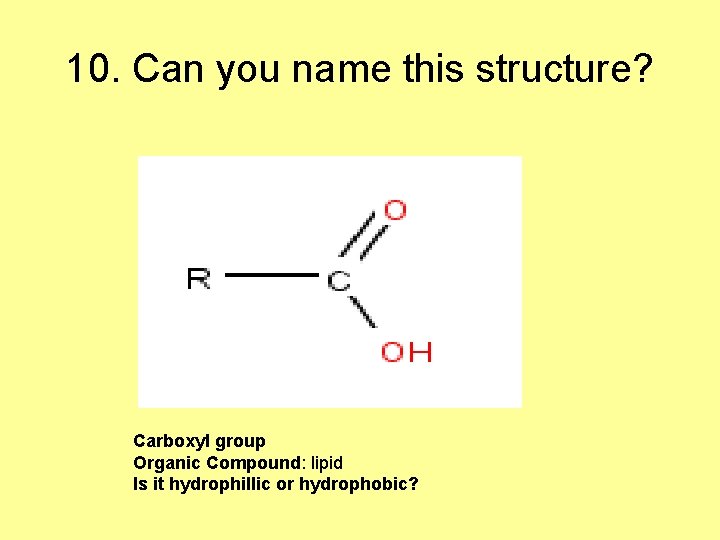
10. Can you name this structure? Carboxyl group Organic Compound: lipid Is it hydrophillic or hydrophobic?
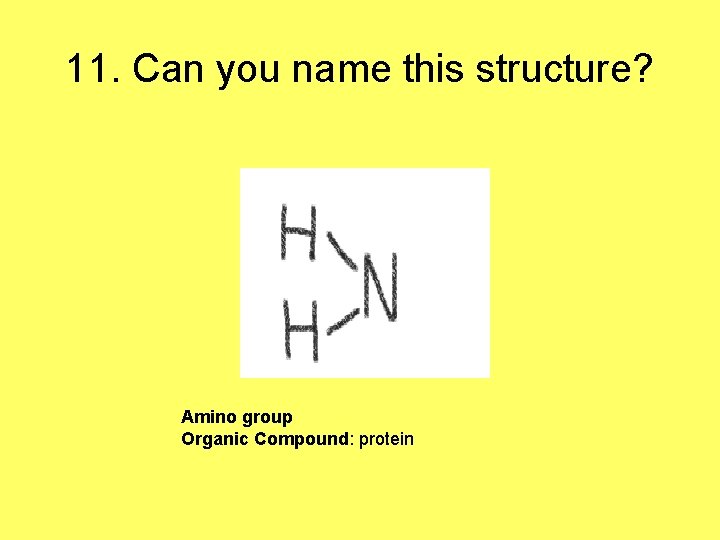
11. Can you name this structure? Amino group Organic Compound: protein
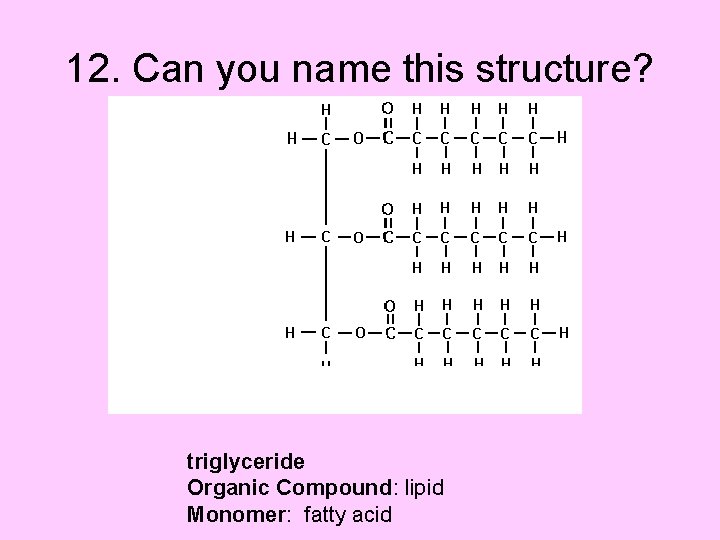
12. Can you name this structure? triglyceride Organic Compound: lipid Monomer: fatty acid
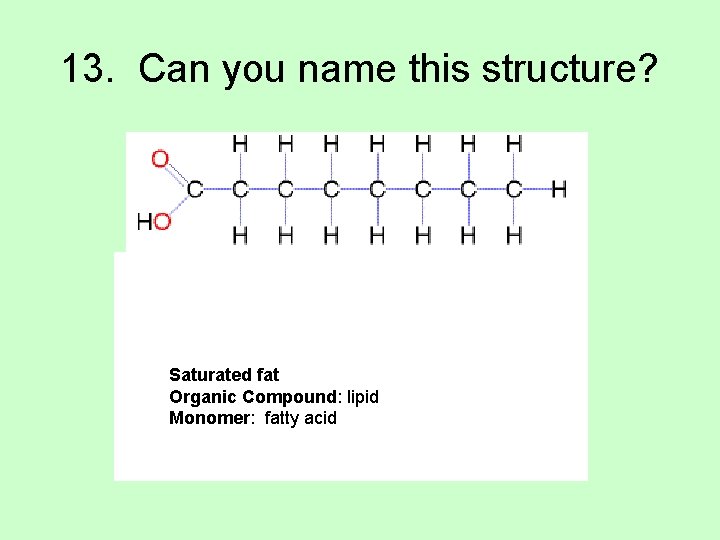
13. Can you name this structure? Saturated fat Organic Compound: lipid Monomer: fatty acid
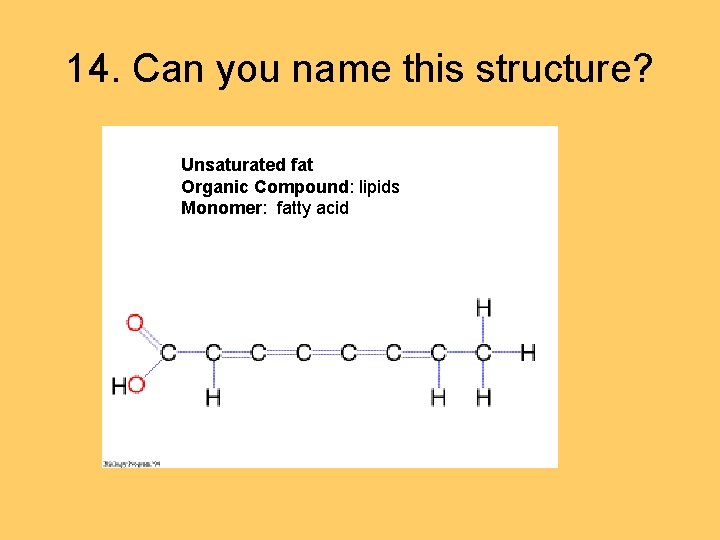
14. Can you name this structure? Unsaturated fat Organic Compound: lipids Monomer: fatty acid
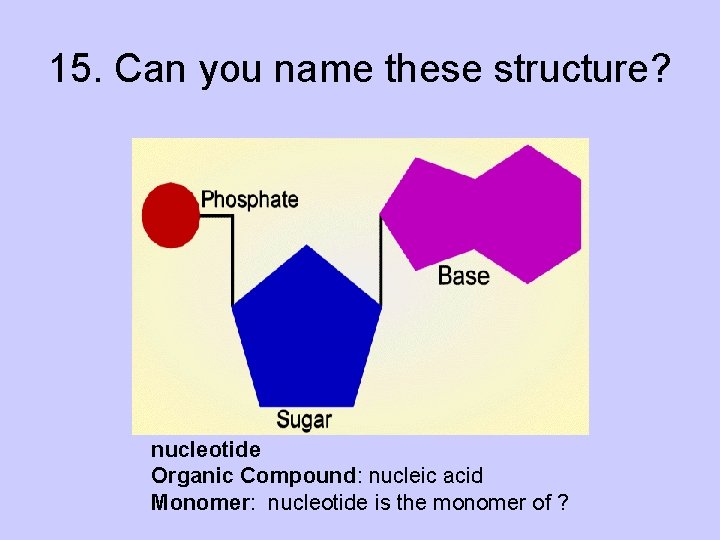
15. Can you name these structure? nucleotide Organic Compound: nucleic acid Monomer: nucleotide is the monomer of ?
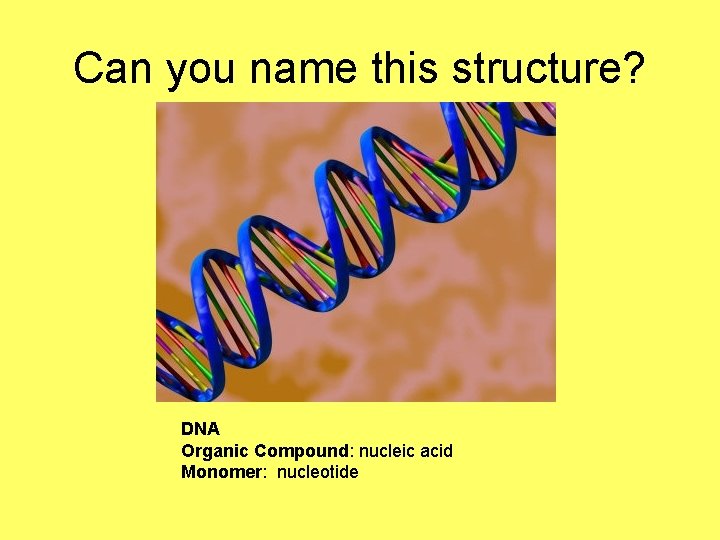
Can you name this structure? DNA Organic Compound: nucleic acid Monomer: nucleotide
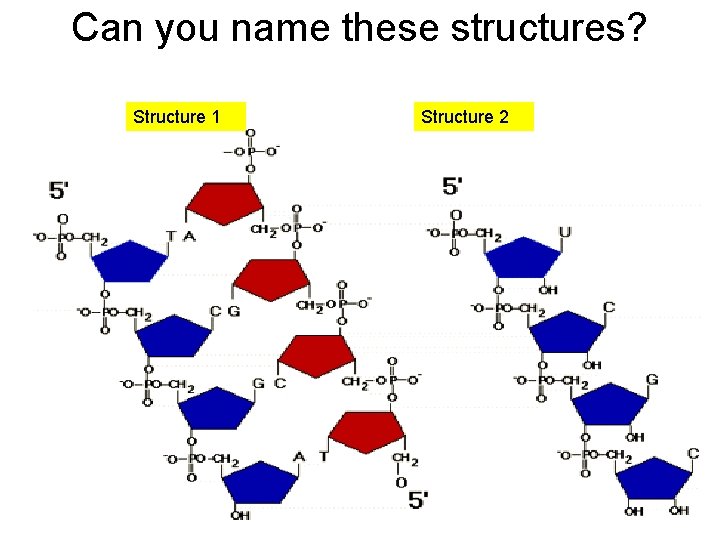
Can you name these structures? Structure 1 Structure 2
Name of process that breaks polymers into monomers? • Hydrolysis
Enzymes belong to which organic compound group? • Proteins
This group of organic compounds store and transmit genetic information. Nucleic acids
Amino acids are joined by _____ bonds. peptide
All molecules in this group are nonpolar (hydrophobic). • lipids
All organic compounds contain ___, ___ • C, H, O
DNA and RNA
Fatty acids
Amino acids
nucleotide
monosaccharide
Plants store sugar in the form of _____ • starch
Animals store sugar in the form of _____. It is found in the ___ and ___. • Glycogen • Liver and muscles
Insulation, cell membrane, energy storage
Eggs, milk, nuts, meat, tofu
Fruit, pasta, rice, bread
Peanut oil, canola oil, lard, bacon grease