
1 1 1 2 3 1 2 4

- Slides: 28
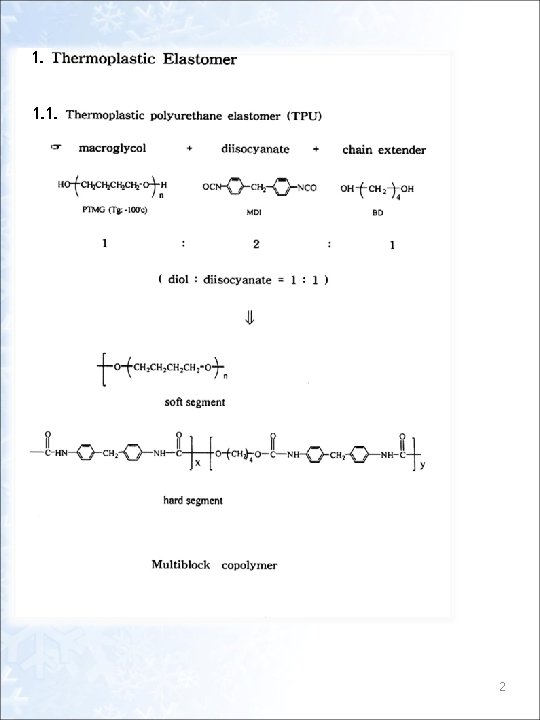
1. 1. 1. 2
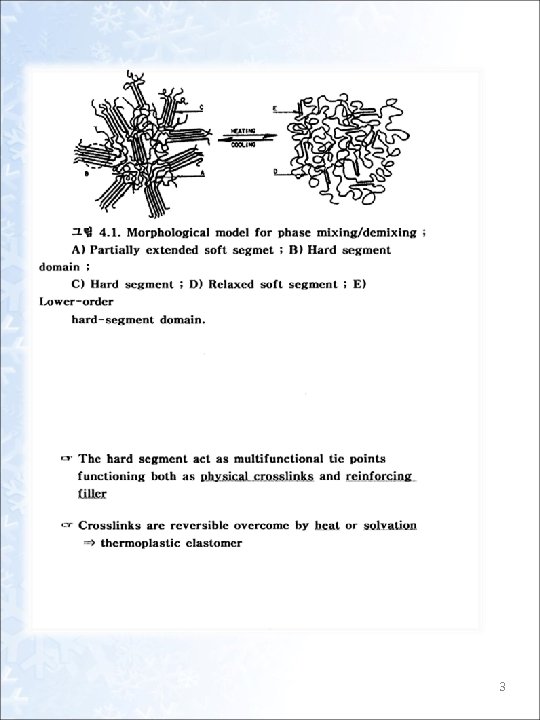
3
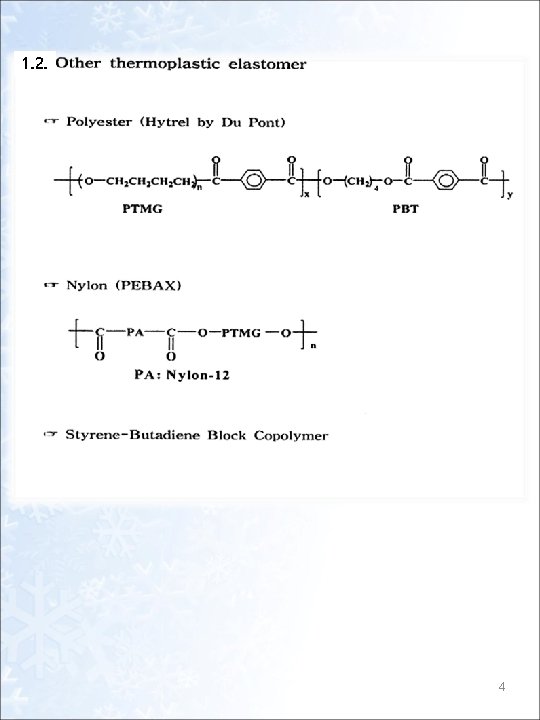
1. 2. 4
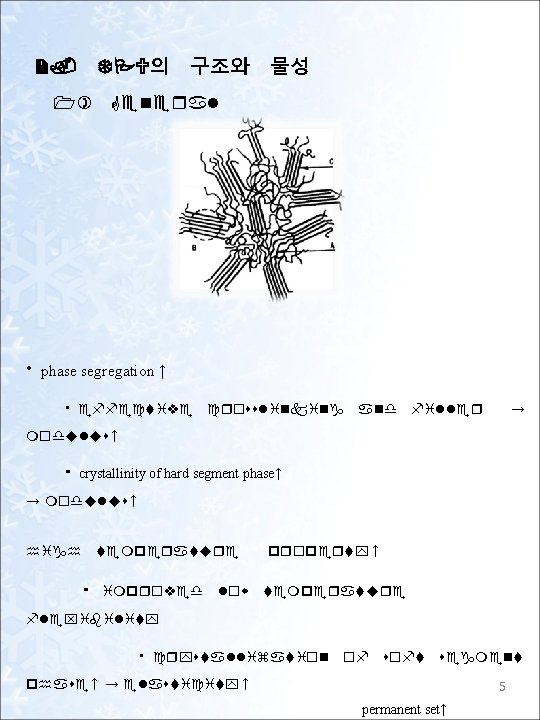
TPU의 구조와 물성 2. 1) · General phase segregation ↑ · effective crosslinking and filler → modulus↑ · crystallinity of hard segment phase↑ → modulus↑ high temperature · improved low property↑ temperature flexibility ∙ crystallization of soft segment phase↑ → elasticity↑ 5 permanent set↑
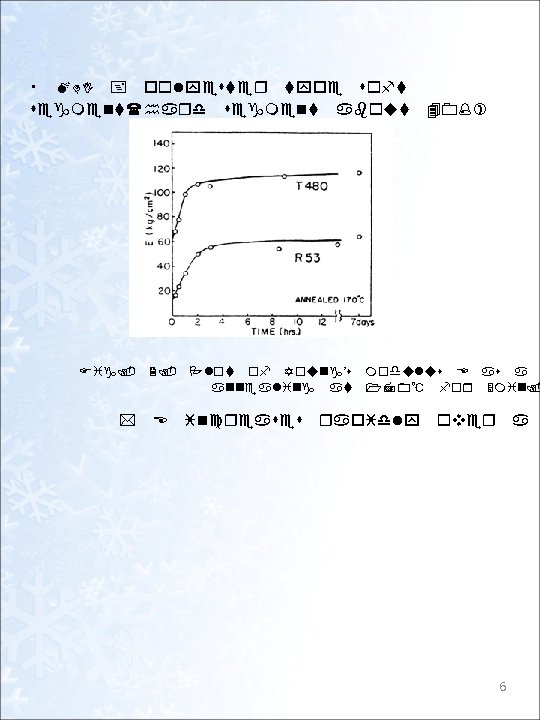
∙ + polyester type soft segment(hard segment about MDI Fig. 2. * E 40%) Plot of Young’s modulus E as a annealing at 170℃ for 5 min. increases rapidly over a 6
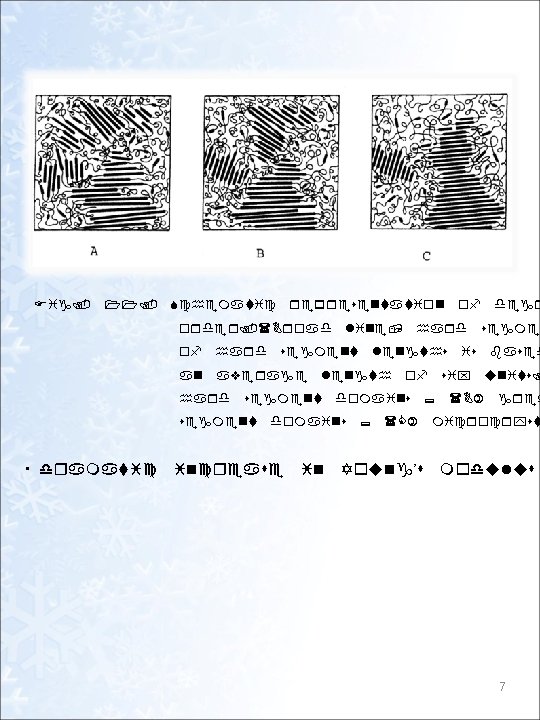
Fig. 11. Schematic representation order. (Broad of hard segment an average hard dramatic in of domains increase hard lengths length segment ∙ line, ; of (C) Young’s segme is six ; degr based units. (B) grea microcryst modulus 7
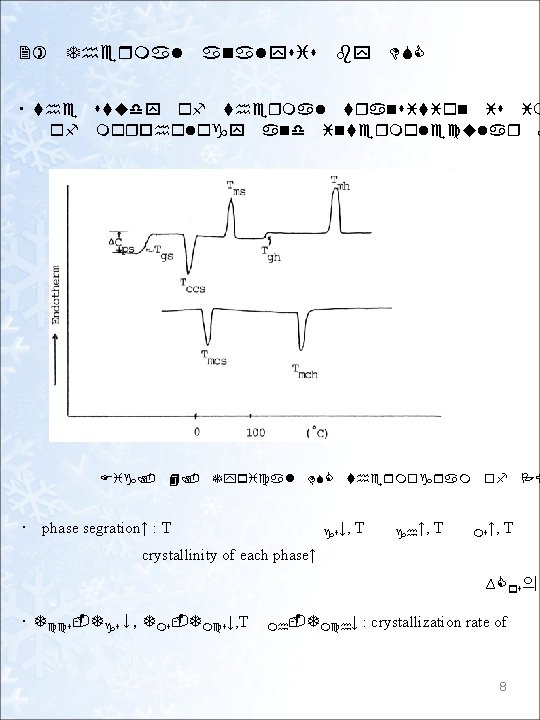
2) ∙ Thermal analysis by DSC the study of thermal transition is im of morphology and intermolecular b Fig. 4. Typical DSC ∙ phase segration↑ : T thermogram gs↓, T gh↑, T of ms↑, PU T crystallinity of each phase↑ ∆Cps의 ∙ Tccs-Tgs↓, Tms-Tmcs↓, T mh-Tmch↓ : crystallization rate of 8
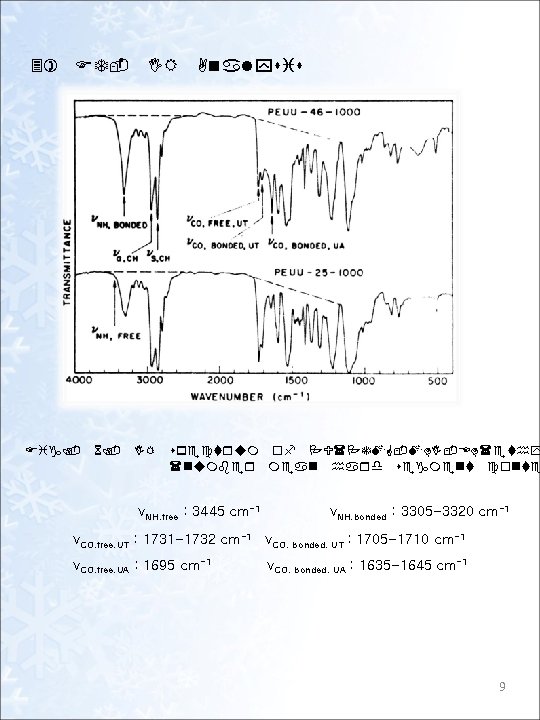
3) FT- Fig. IR 6. IR Analysis spectrum of PU(PTMG-MDI-ED(ethy (number mean hard segment conte νNH, free : 3445 cm-1 νNH, bonded : 3305 -3320 cm-1 νCO, free, UT : 1731 -1732 cm-1 νCO, bonded, UT : 1705 -1710 cm-1 νCO, free, UA : 1695 cm-1 νCO, bonded, UA : 1635 -1645 cm-1 9
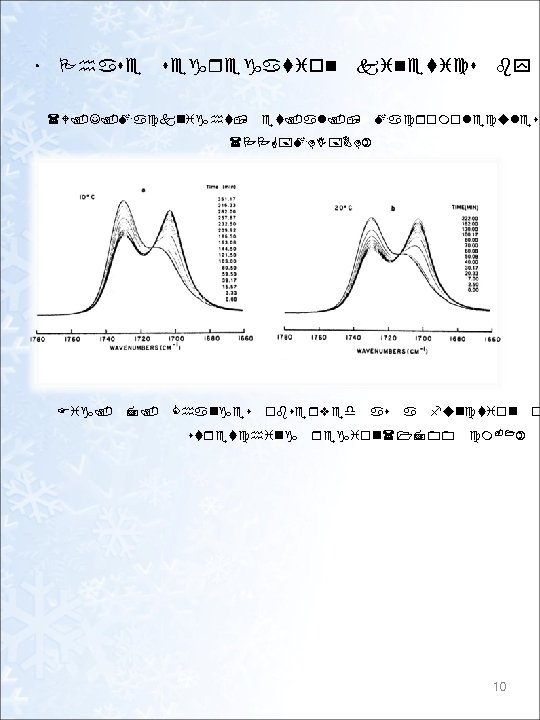
∙ Phase segregation (W. J. Macknight, kinetics et. al. , by Macromolecules, (PPG+MDI+BD) Fig. 7. Changes observed stretching as a function region(1700 cm -1) 10 o :
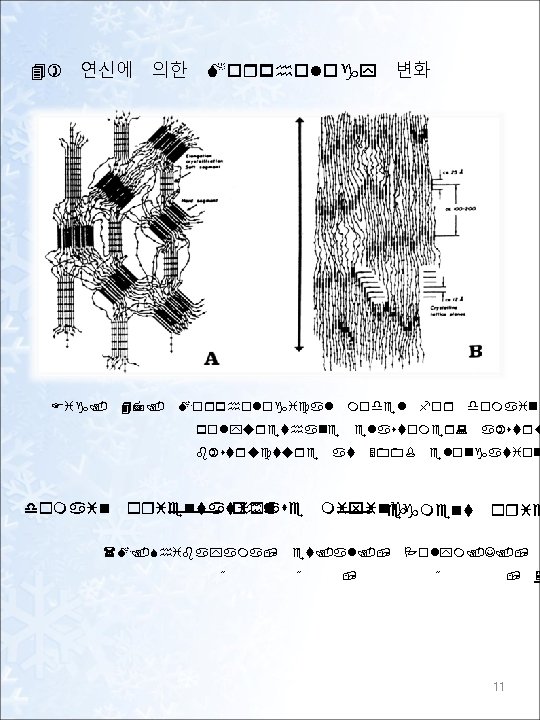
4) 연신에 의한 Fig. 47. Morphology Morphological polyurethane b)structure domain orientation phase (M. Shibayama, ″ model for domain elastomer: at 500% , a)stru elongation mixing segment et. al. , ″ 변화 orie Polym. J. , , ″ 11 2
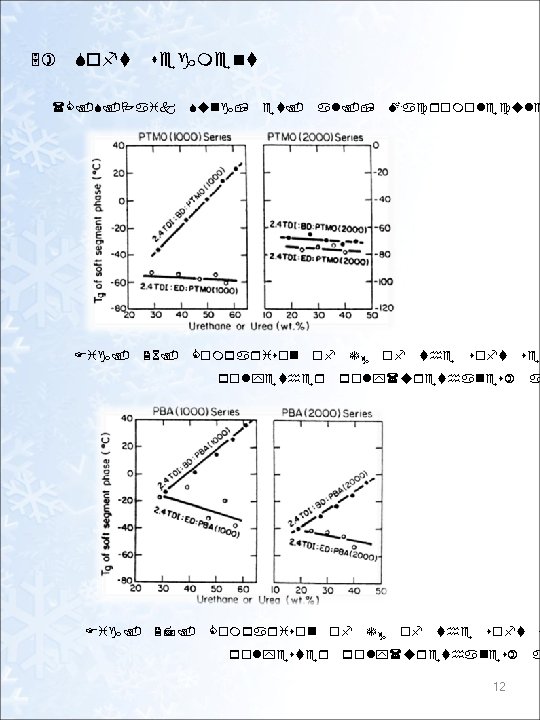
5) Soft segment (C. S. Paik Fig. 26. Sung, et. Comparison al. , of polyether Fig. 27. Comparison Macromolecule T g of the soft se poly(urethanes) of T g of the soft polyester poly(urethanes) 12 a s a
∙ long flexible soft segment largely controls temperature solvent the low properties, the resistance, and the properties weather resistant of TPU ∙ polyester type : physical strength (more polar, gre ater tendency to undergo crys tallization on extension) solve nt and chemical resistance ∙ polyether type : flexibility hyd rolytic stability supe rior low-temperature properties 13
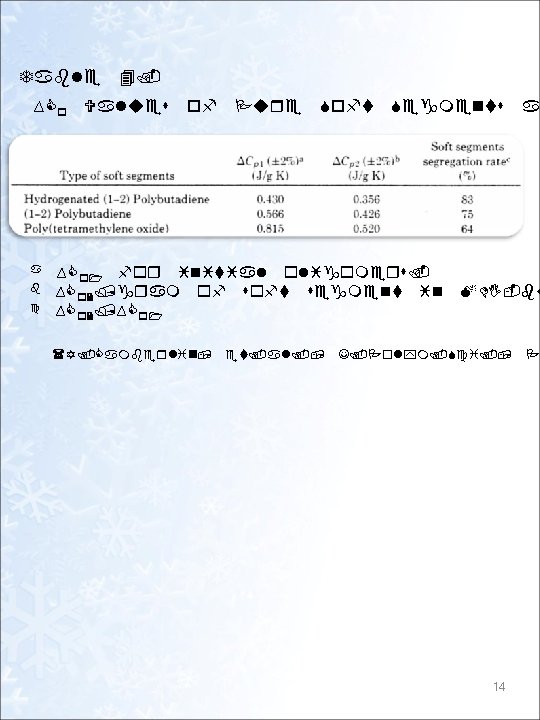
Table ∆Cp a b c 4. Values of Pure Soft Segments ∆Cp 1 for initial oligomers. ∆Cp 2/gram of soft segment in ∆Cp 2/∆Cp 1 (Y. Camberlin, et. al. , a MDI-bu J. Polym. Sci. , 14 Po
6) Diisocyanate ∙ bulky, more rigid aromatic diisoc higher in hardness a ∙ greater molecular flexibility, wi a methyl side chain ∙ strength and phase segregation: ∙ little influence on 2 low-temperatur 15
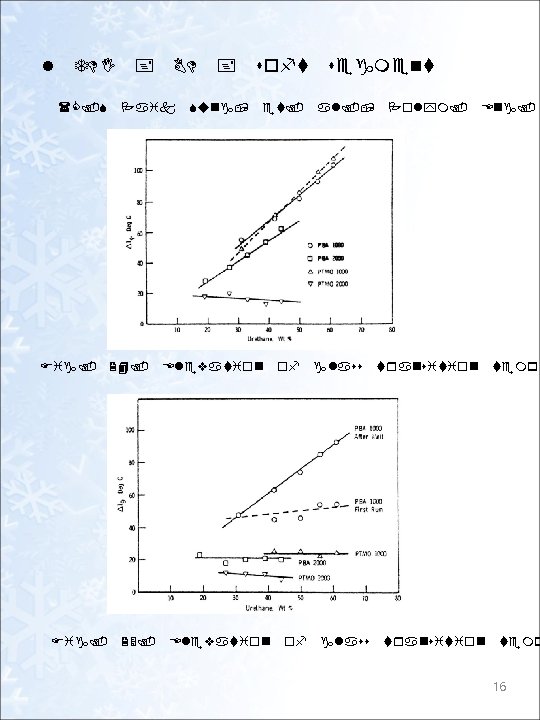
l TDI + BD + soft segment (C. S Fig. Paik 24. 25. Sung, et. al. , Elevation of glass Polym. Eng. transition tempe temp 16
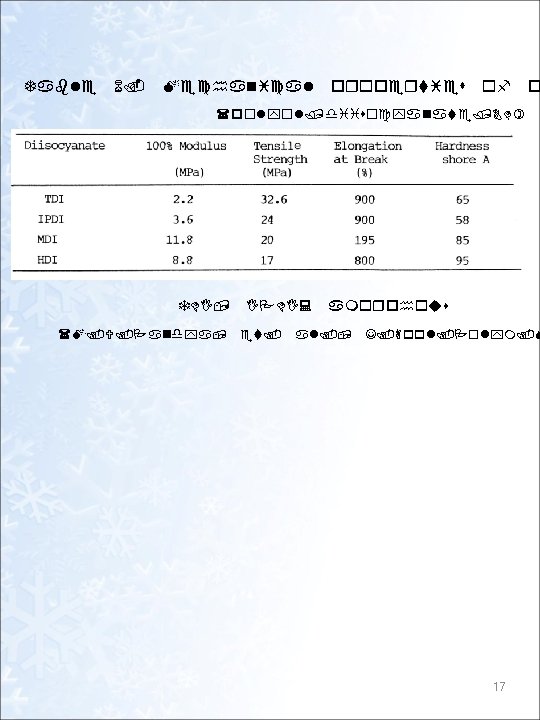
Table 6. Mechanical properties of p (polyol/diisocyanate/BD) TDI, (M. V. Pandya, IPDI: et. amorphous al. , J. Appl. Polym. S 17
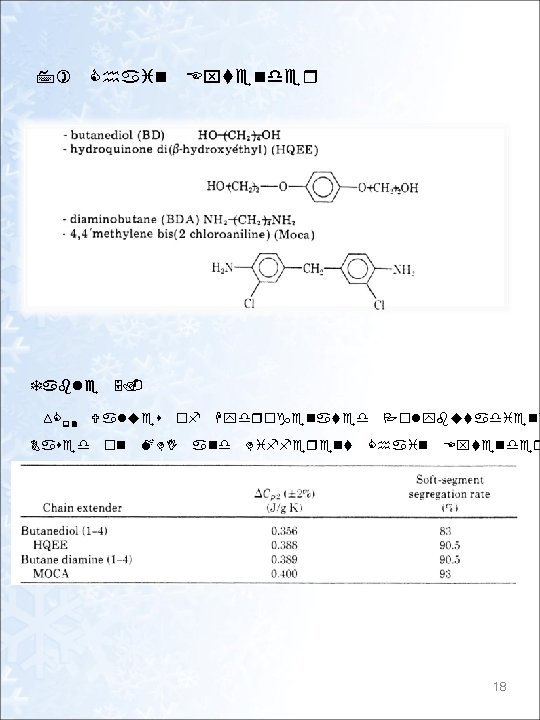
7) Chain Table ∆Cp 2 Extender 5. Values Based on of MDI Hydrogenated and Different Polybutadiene Chain Extender 18
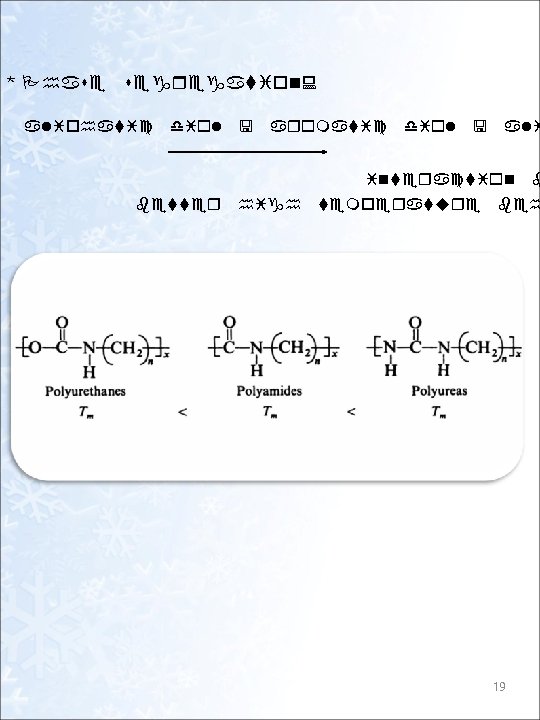
* Phase segregation: aliphatic diol < aromatic diol < ali interaction b better high temperature beh 19
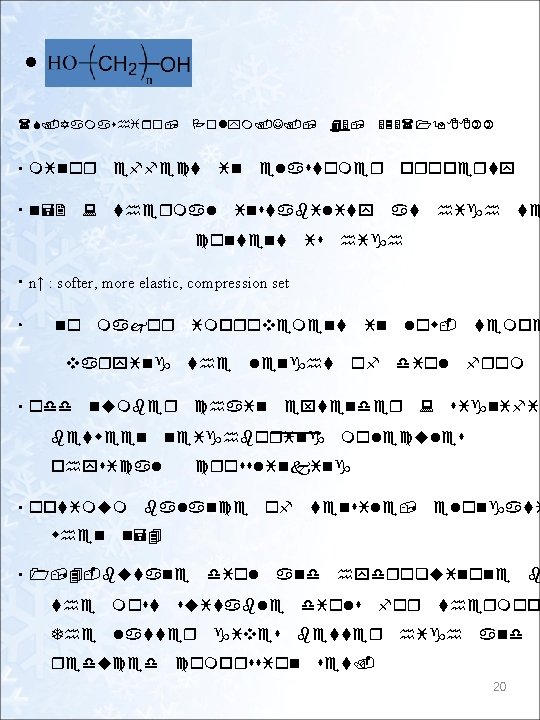
l (S. Yamashiro, Polym. J. , 45, 535(1988)) ∙ minor effect in elastomer property ∙ n=2 : thermal instability at high te content is high ∙ n↑ : softer, more elastic, compression set ∙ no major varying improvement the lenght in of lowdiol tempe from ∙ odd number chain extender : signific between physical neighboring molecules crosslinking ∙ optimum balance of tensile, elongati when n=4 ∙ 1, 4 -butane diol and hydroquinone b the most suitable diols The latter gives better reduced comprssion for thermop high and set. 20 l
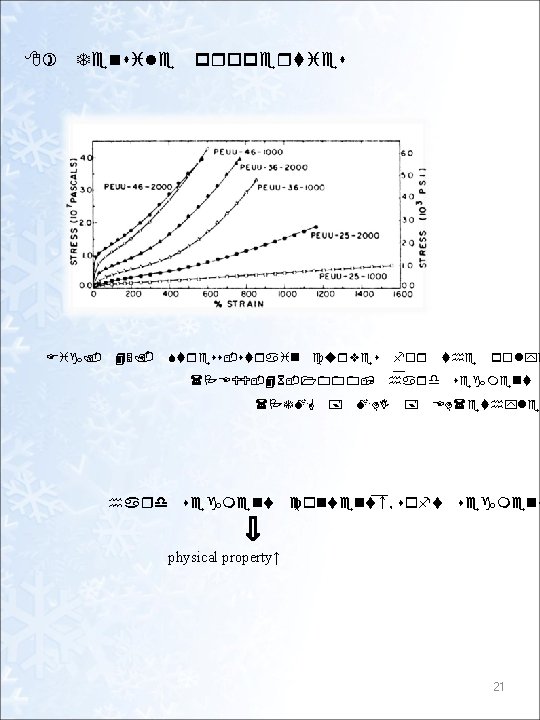
8) Tensile Fig. 45. properties Stress-strain hard curves for the (PEUU-46 -1000, hard (PTMG + + MDI polye segment ED(ethyle segment content↑, soft segment physical property↑ 21
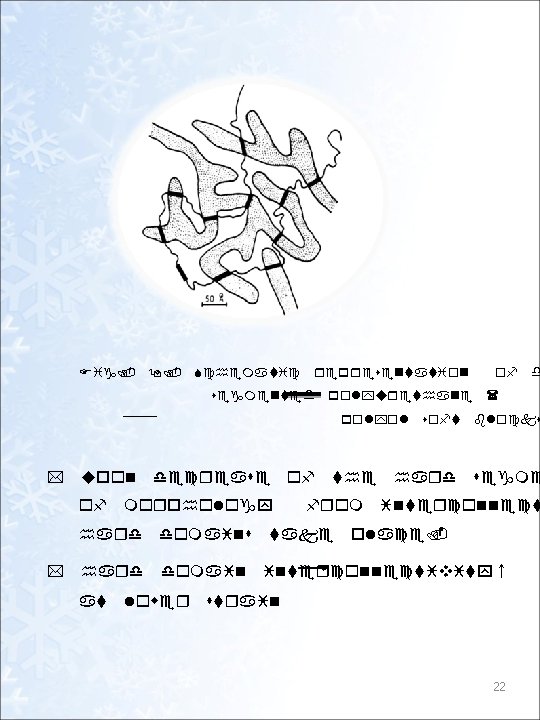
Fig. 9. Schematic representation segmented polyurethane polyol * upon of * decrease morphology hard domains hard domain at lower of the from take soft hard of d ( blocks segme interconnect place. interconnectivity↑ strain 22
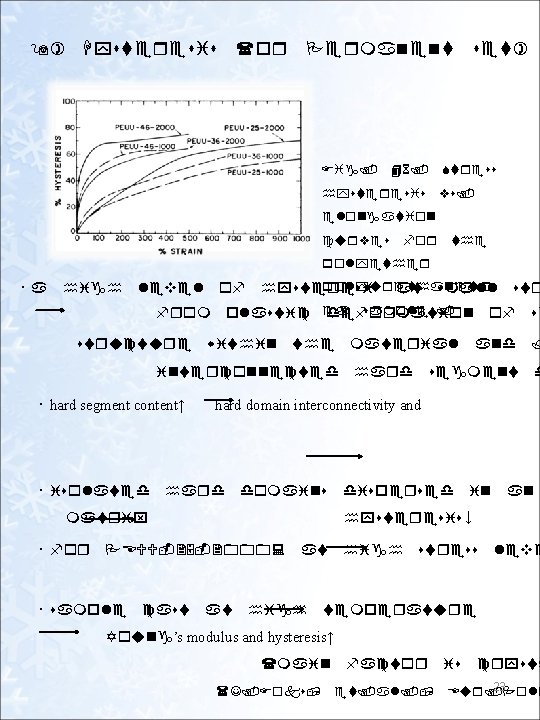
9) Hysteresis (or Permanent Fig. 46. set) Stress hysteresis vs. elongation curves for the polyether polyurethaneur ∙ a high level of hysteresis at small str from structure samples. plastic ea deformation within the interconnected ∙ hard segment content↑ material hard of se and / segment d hard domain interconnectivity and ∙ isolated hard domains dispersed in an matrix hysteresis↓ ∙ for PEUU-25 -2000: at high stress leve ∙ sample cast at high temperature Young’s modulus and hysteresis↑ (main (J. Foks, factor et. al. , is crysta 23 Eur. Poly
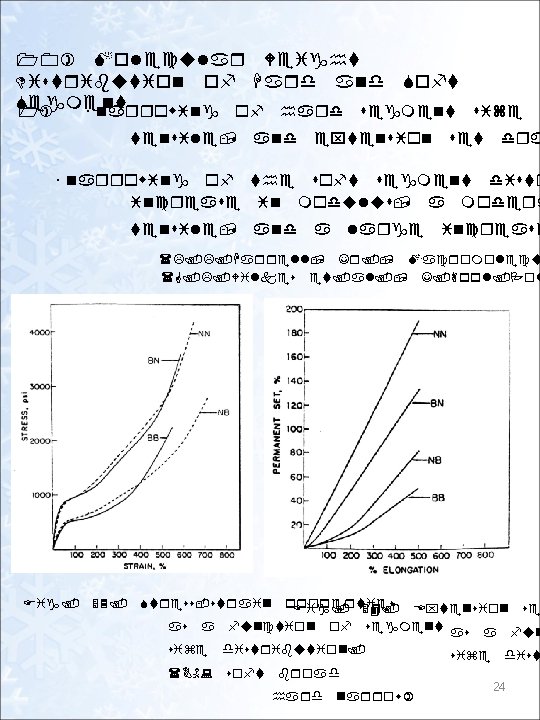
10) Molecular Weight Distribution of Hard and Soft Segment 1) ∙ narrowing of hard segment size d tensile, and extension set dra ∙ narrowing of the soft segment distr increase in modulus, tensile, and a large a modera increase (L. L. Harrell, Jr. , Macromolecu (G. L. Wilkes et. al. , J. Appl. Pol Fig. 53. Stress-strain as properties Fig. 54. Extension se a function of segment as a fun size (BN: distribution. soft broad hard narrow) size dist 24
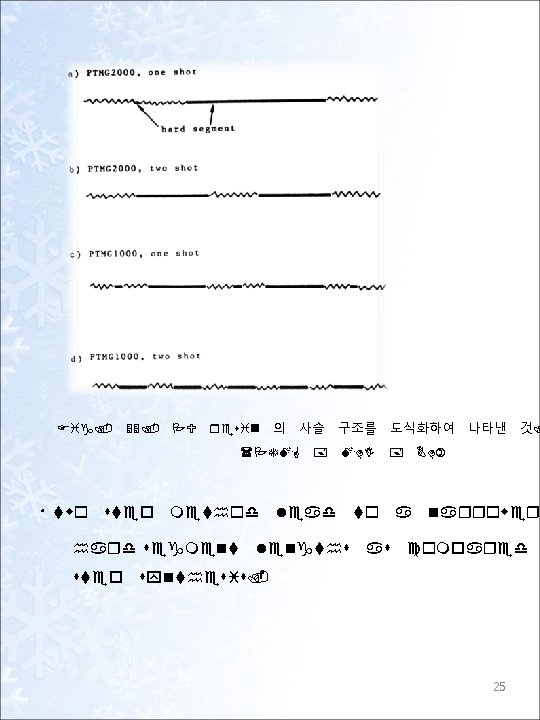
Fig. 55. PU resin 의 사슬 (PTMG ∙ two step method hard segment step + 구조를 도식화하여 MDI + lead lengths to as 나타낸 것. BD) a narrower compared synthesis. 25
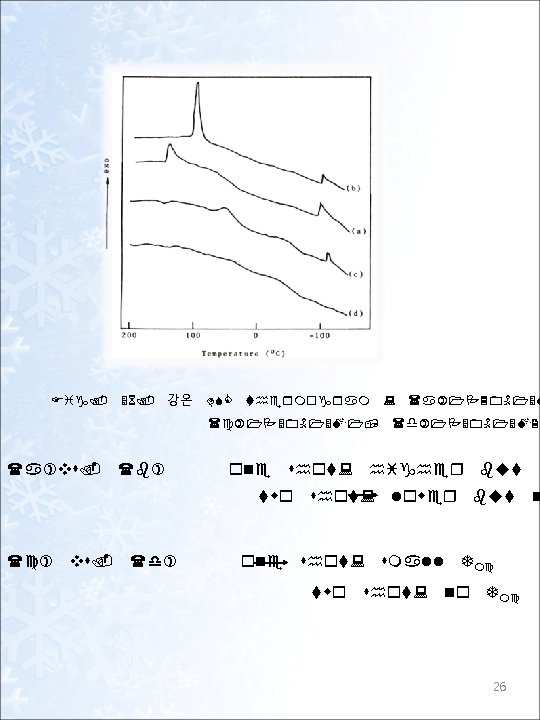
Fig. 56. 강온 DSC thermogram : (a)1 P 30 N 15 M (c)1 P 50 N 15 M 1, (d)1 P 50 N 15 M 2 (a)vs. (b) one shot: two (c) vs. (d) one higher shot: two lower small shot: but Tmc no Tmc 26 b n
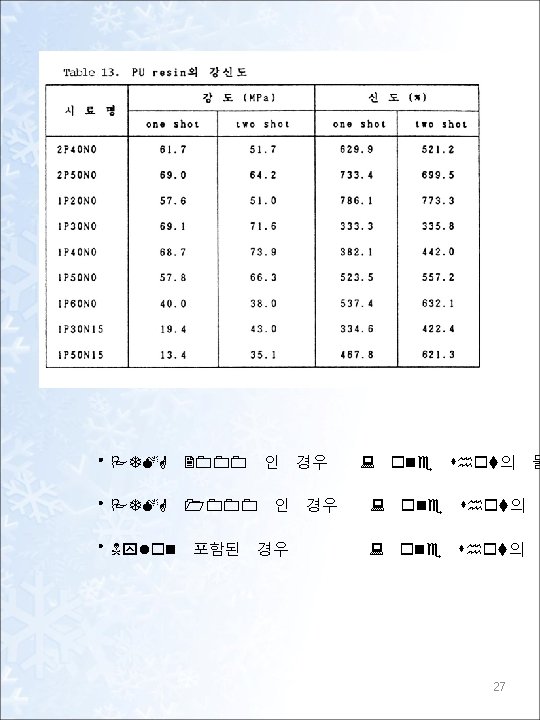
∙ PTMG 2000 ∙ PTMG 1000 ∙ Nylon 포함된 인 인 경우 경우 경우 : one shot의 물 : one shot의 27