
003 Carbohydrate metabolism Lecture 5 Aim To describe
003 Carbohydrate metabolism Lecture 5
Aim: To describe gluconeogenesis and compare with the glycolytic pathway. To demonstrate how glycolysis and gluconeogenesis are reciprocally regulated.
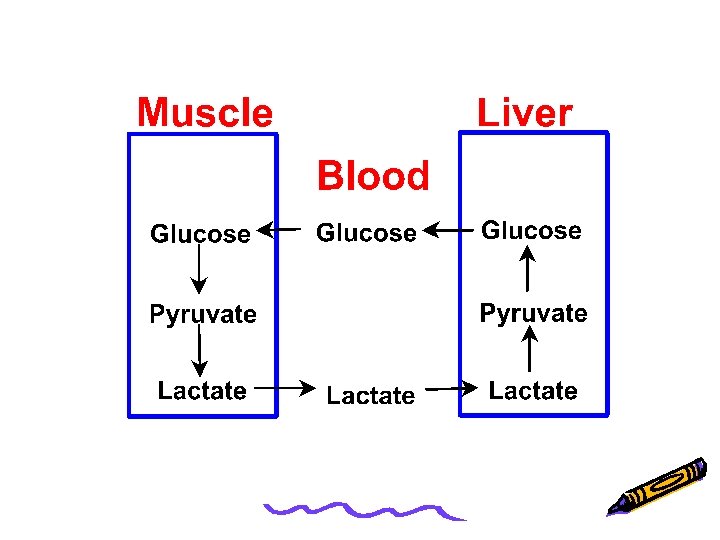
Gluconeogenesis Glucose synthesis is required for: • Glucose export from liver to maintain blood glucose • Glucose to pentoses (ribose, deoxyribose etc) • Glucose to amino sugars (example glucosamine, used in proteoglycans) • Glucose to acidic sugars (example: uronic acid, used in proteoglycans)
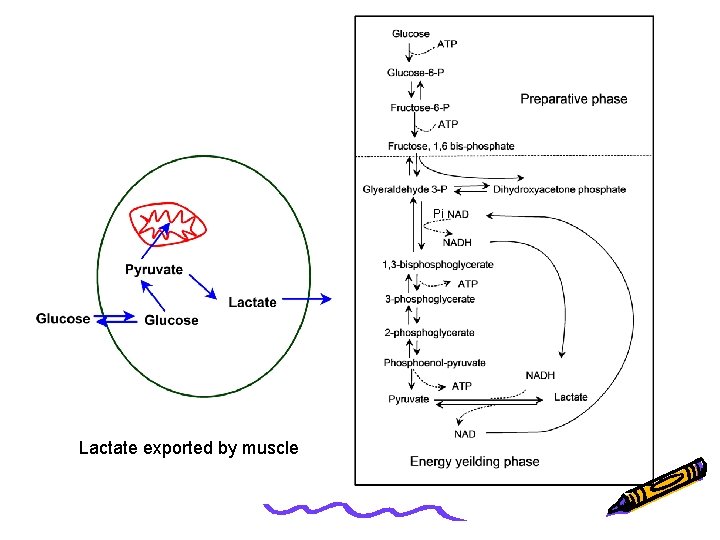
Pi Lactate exported by muscle
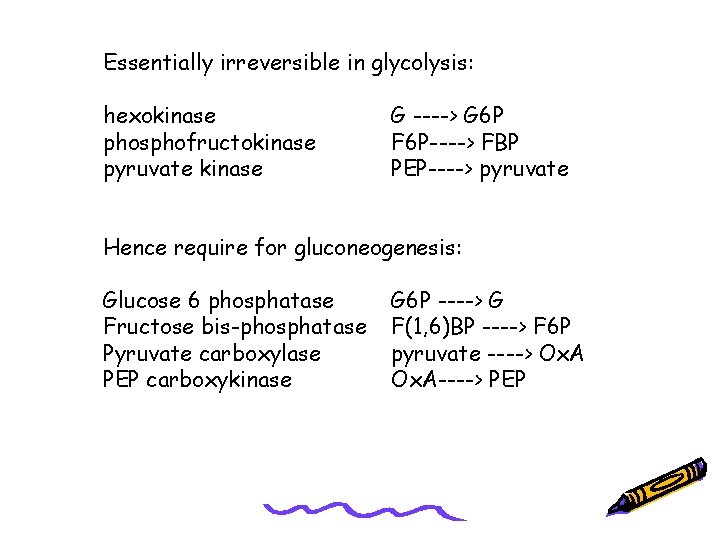
Essentially irreversible in glycolysis: hexokinase phosphofructokinase pyruvate kinase G ----> G 6 P F 6 P----> FBP PEP----> pyruvate Hence require for gluconeogenesis: Glucose 6 phosphatase Fructose bis-phosphatase Pyruvate carboxylase PEP carboxykinase G 6 P ----> G F(1, 6)BP ----> F 6 P pyruvate ----> Ox. A----> PEP
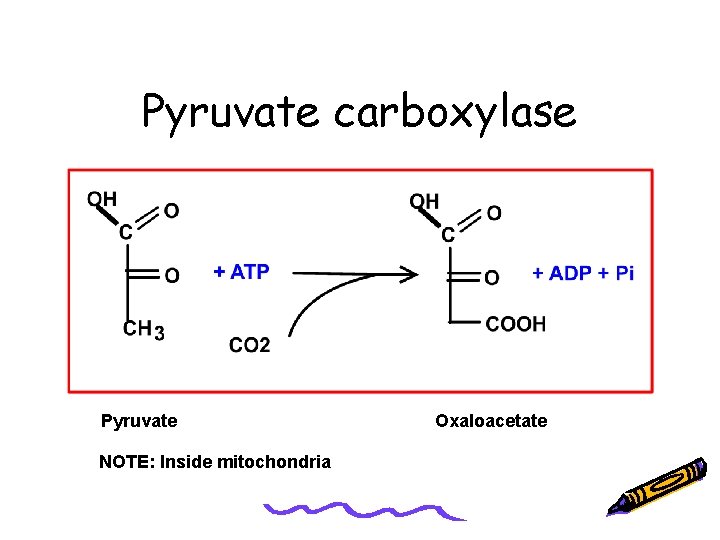
Pyruvate carboxylase Pyruvate NOTE: Inside mitochondria Oxaloacetate
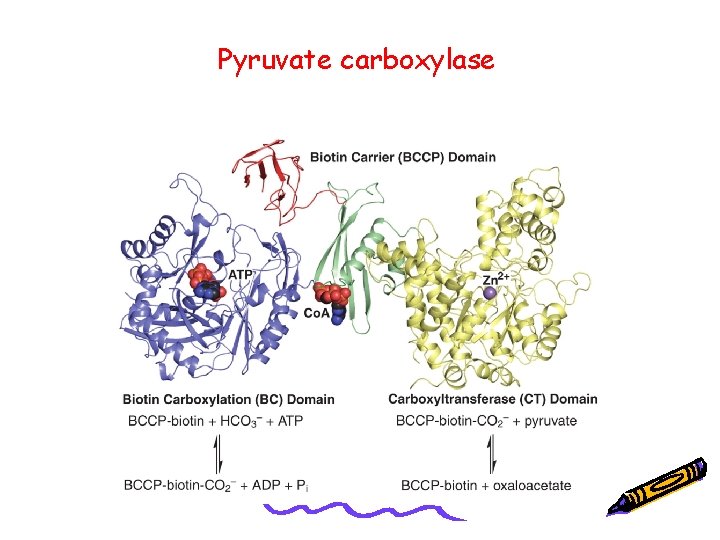
Pyruvate carboxylase
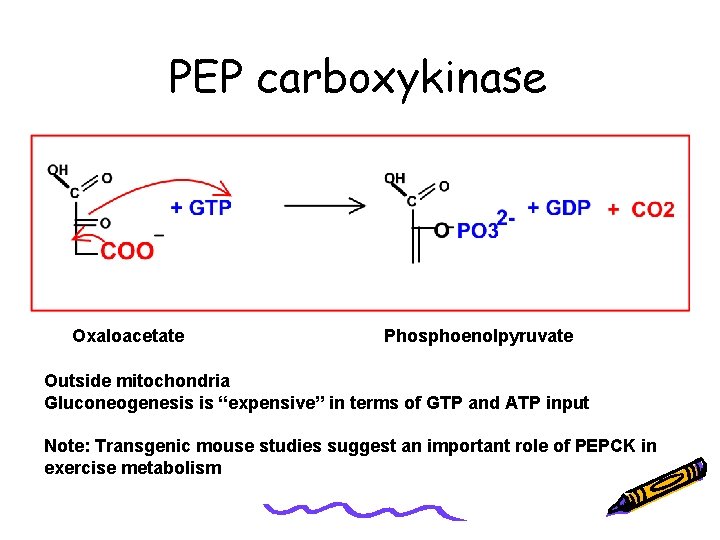
PEP carboxykinase Oxaloacetate Phosphoenolpyruvate Outside mitochondria Gluconeogenesis is “expensive” in terms of GTP and ATP input Note: Transgenic mouse studies suggest an important role of PEPCK in exercise metabolism
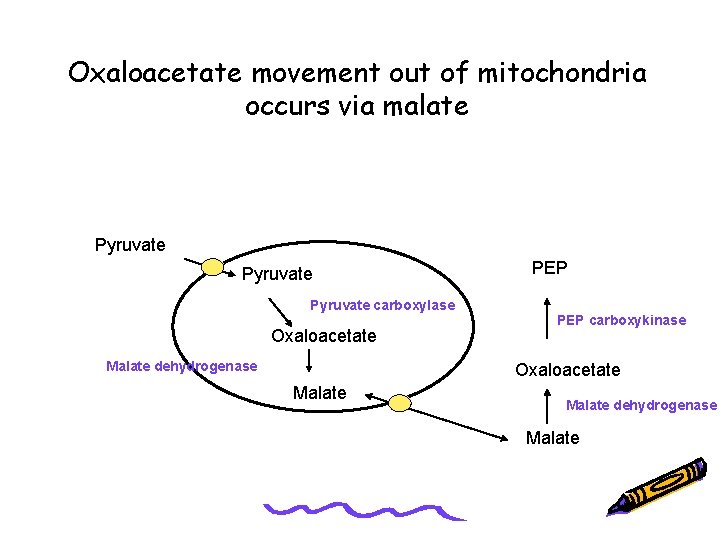
Oxaloacetate movement out of mitochondria occurs via malate Pyruvate carboxylase Oxaloacetate Malate dehydrogenase PEP carboxykinase Oxaloacetate Malate dehydrogenase Malate
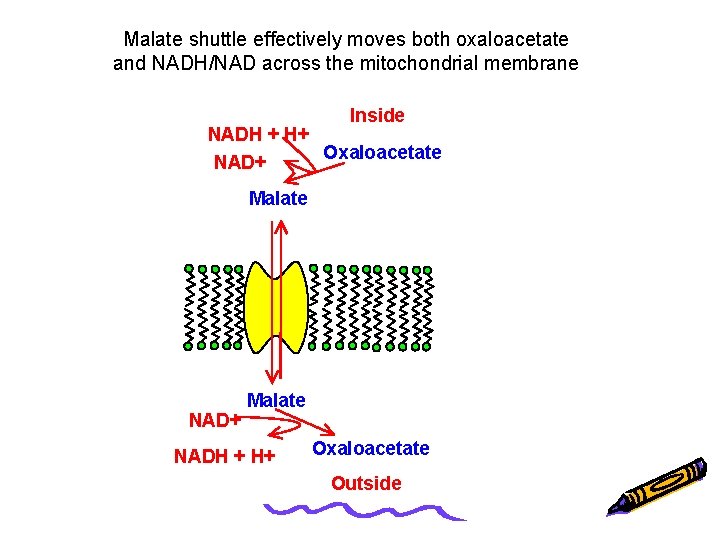
Malate shuttle effectively moves both oxaloacetate and NADH/NAD across the mitochondrial membrane Inside NADH + H+ Oxaloacetate NAD+ Malate NADH + H+ Oxaloacetate Outside
Its important to understand glucose metabolism (particularly control and rate limiting steps, allosteric modifiers) so that treatments and therapies for metabolic diseases such as Diabetes and Obesity can be devised. The hormones glucagon and insulin are particularly important regulators Glucagon leads to increases in blood glucose Insulin leads to lowering of blood glucose
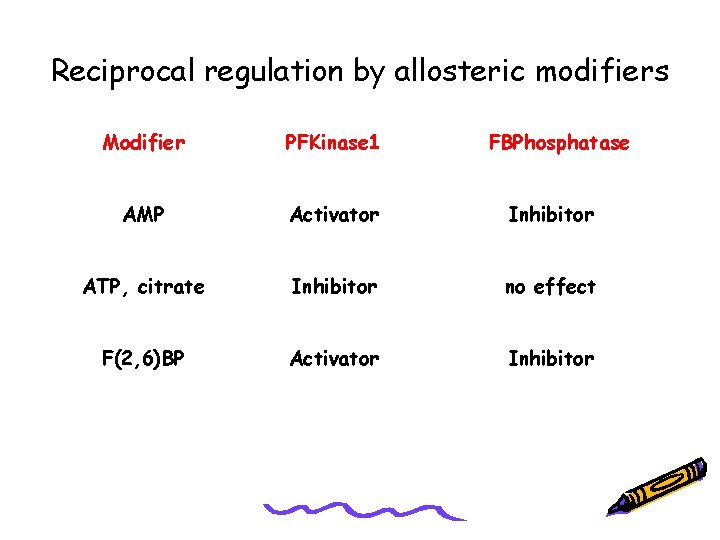
Reciprocal regulation by allosteric modifiers Modifier PFKinase 1 FBPhosphatase AMP Activator Inhibitor ATP, citrate Inhibitor no effect F(2, 6)BP Activator Inhibitor
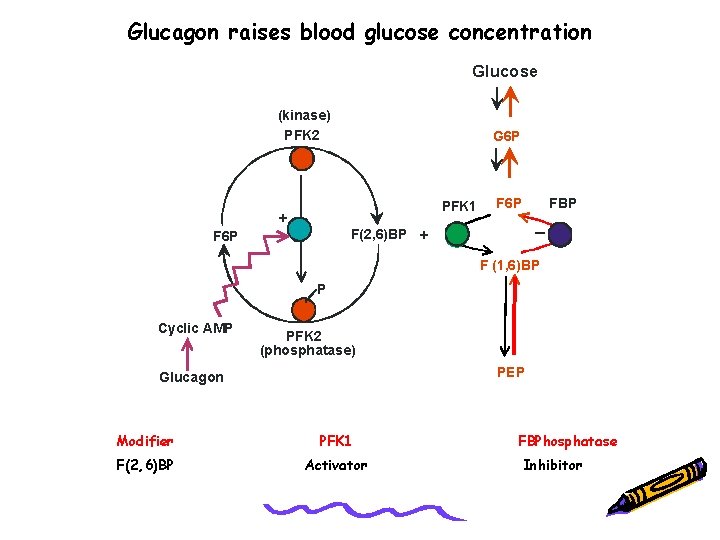
Glucagon raises blood glucose concentration Glucose (kinase) PFK 2 G 6 P PFK 1 + F 6 P FBP _ F(2, 6)BP + F 6 P F (1, 6)BP P Cyclic AMP PFK 2 (phosphatase) PEP Glucagon Modifier PFK 1 F(2, 6)BP Activator FBPhosphatase Inhibitor
Hyperlink to PFK 2(1 bif)
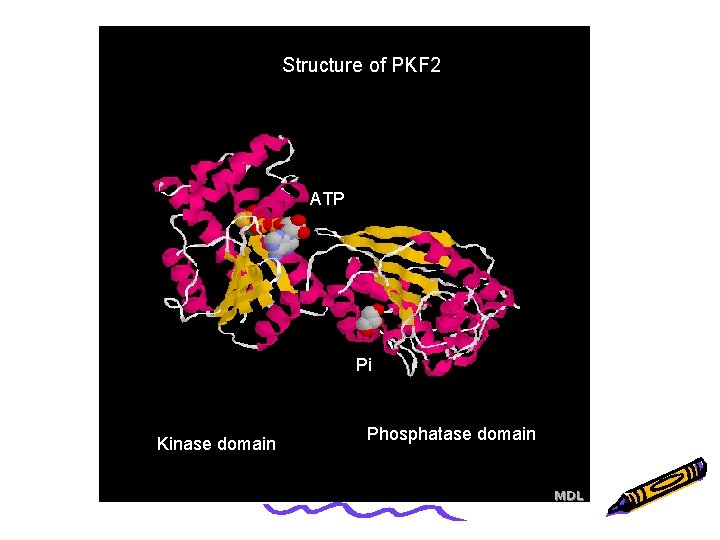
Structure of PKF 2 ATP Pi Kinase domain Phosphatase domain
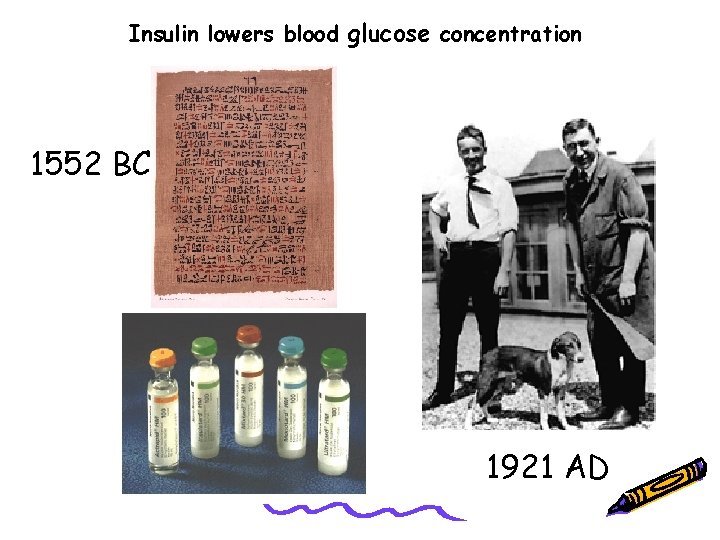
Insulin lowers blood glucose concentration 1552 BC 1921 AD
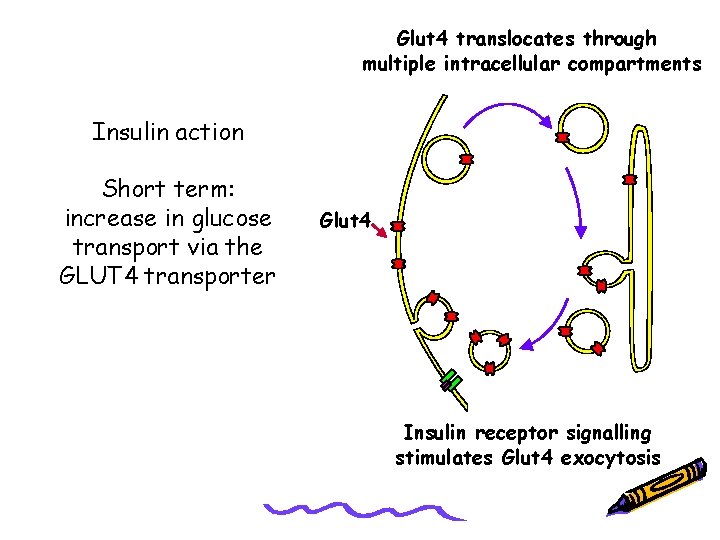
Glut 4 translocates through multiple intracellular compartments Insulin action Short term: increase in glucose transport via the GLUT 4 transporter Glut 4 Insulin receptor signalling stimulates Glut 4 exocytosis
Long term: Decreased protein synthesis of gluconeogenic enzymes eg PEP-CK Increased protein synthesis of glycolytic enzymes eg glucokinase
Summary and main points 1. Lactate is a cell excretion product in muscle but can be used by liver 2. Gluconeogenesis enzymes are same as glyocolysis enzymes except for “essentially irreversible” glycolytic steps 3. There is reciprocal regulation of glycolysis and gluconeogenesis 4. Control occurs through: allosteric effects; covalent protein phosphorylation effects; new protein synthesis
- Slides: 20